GSM-NONP Progress Report September 2026
Springer B., Burt J.
Robogenesis / intoishun
Olympic National Park
Washington State, USA
*This report will be updated as sequencing data is received. Results will be added along with additional comments. Last updated October 27, 2026.
Hello once again, everyone reading! September reporting ahoy.
I am still catching up on making these progress reports so it is still October as I write this but I'm happy to be a little bit closer to reality with this month. At the beginning of the month we continued to target the coast and early fall-like conditions, on a trip together still. I had planned to return at the end of September, into October, but failed to make the trip due to personal and work reasons. I am glad to confirm though, that I will be heading back up to see Brodie in Olympic, this Halloween weekend. For now though, back to discussing this report month.
We had a very nice time camping out at Ozette, and I think will likely continue to make that a spot for edge of season collections. In fact, we had such success finding early fall conditions that shortly after running into an entomologist also doing permit research in the park, we got rained out! Brodie then continued the remainder of our monthly collections in a variety of habitat, he has been doing a lot of serious hiking and taking many photos of different things. Of course, including mushrooms.
He reports that conditions east of the Elwha river valley remain fairly dry, with little representation of the same conditions we have already seen on the coast multiple times. Even through writing this, we are planning to go west of this ecological marker that exists with the Elwha river for our upcoming collections together. Another marker Brodie has been reporting on for us is the presence of a presumed Hericium oregonense / erinaceus fruiting that has occured just on the west side of the Elwha previously. We expect this region will experience more wet conditions through November, before things get a bit too cold for many macrofungal species.
However to again continue talking about September, Brodie has maintained that more diversity and thus easier collections, have been made in the river valley habitats to the west and also at higher altitude in areas that may see more moisture and more water retention. At some point we stopped making individual headers for different collection areas and days of collection in these reports. I think we will retroactively go back and add those headers, along with some additional photos. You can see some better examples of that format in our two first full months of reporting, March and April this year.
Not much else to put here in the beginning besides the fact that I am thrilled to visit Olympic again soon myself, and am looking forward to many of the sequences from these recent visits back to our former home base. It seems like we are just now starting to narrow focus a tiny bit, and I think we will continue to show that as I return more to study with Brodie through next year.
Anywho, September below!
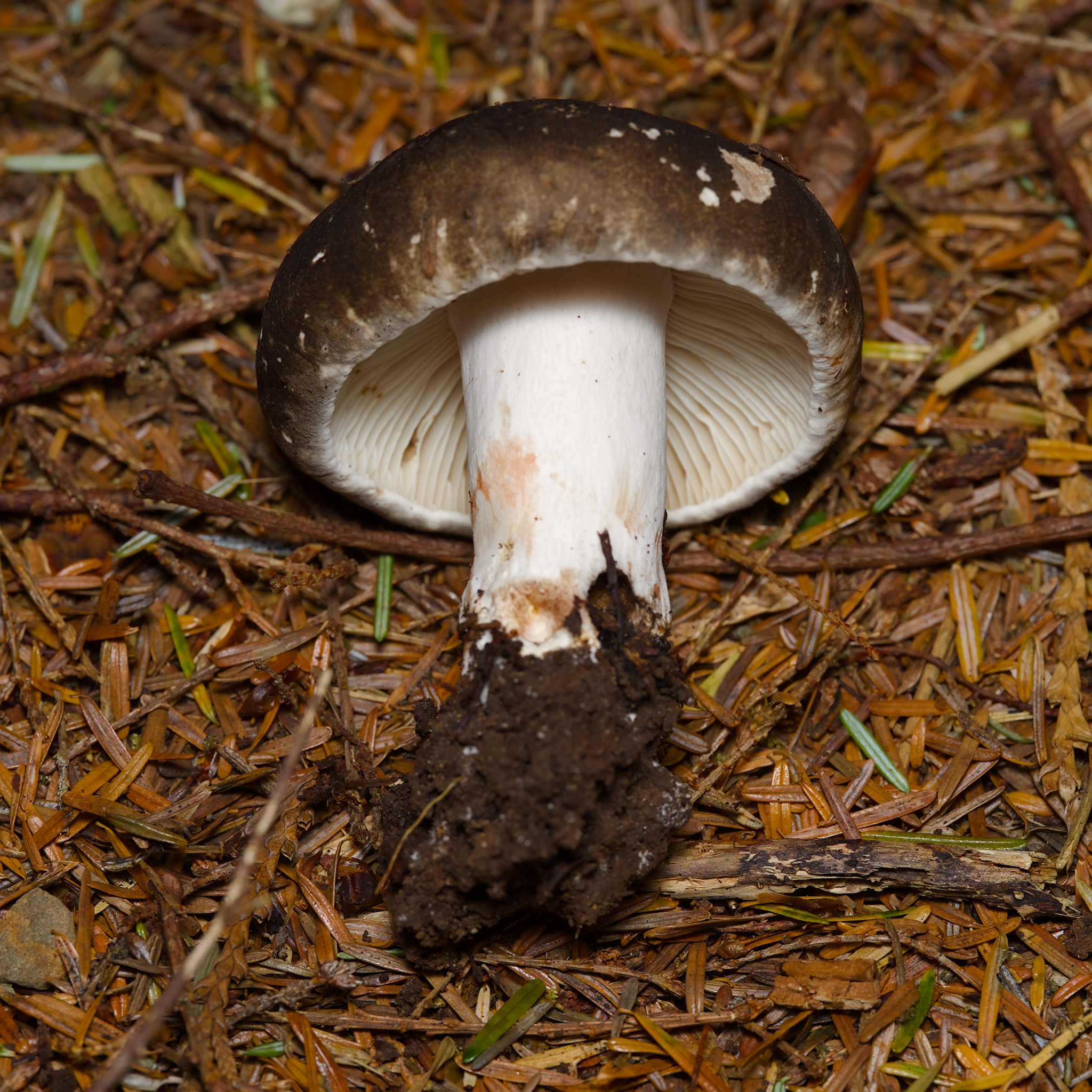
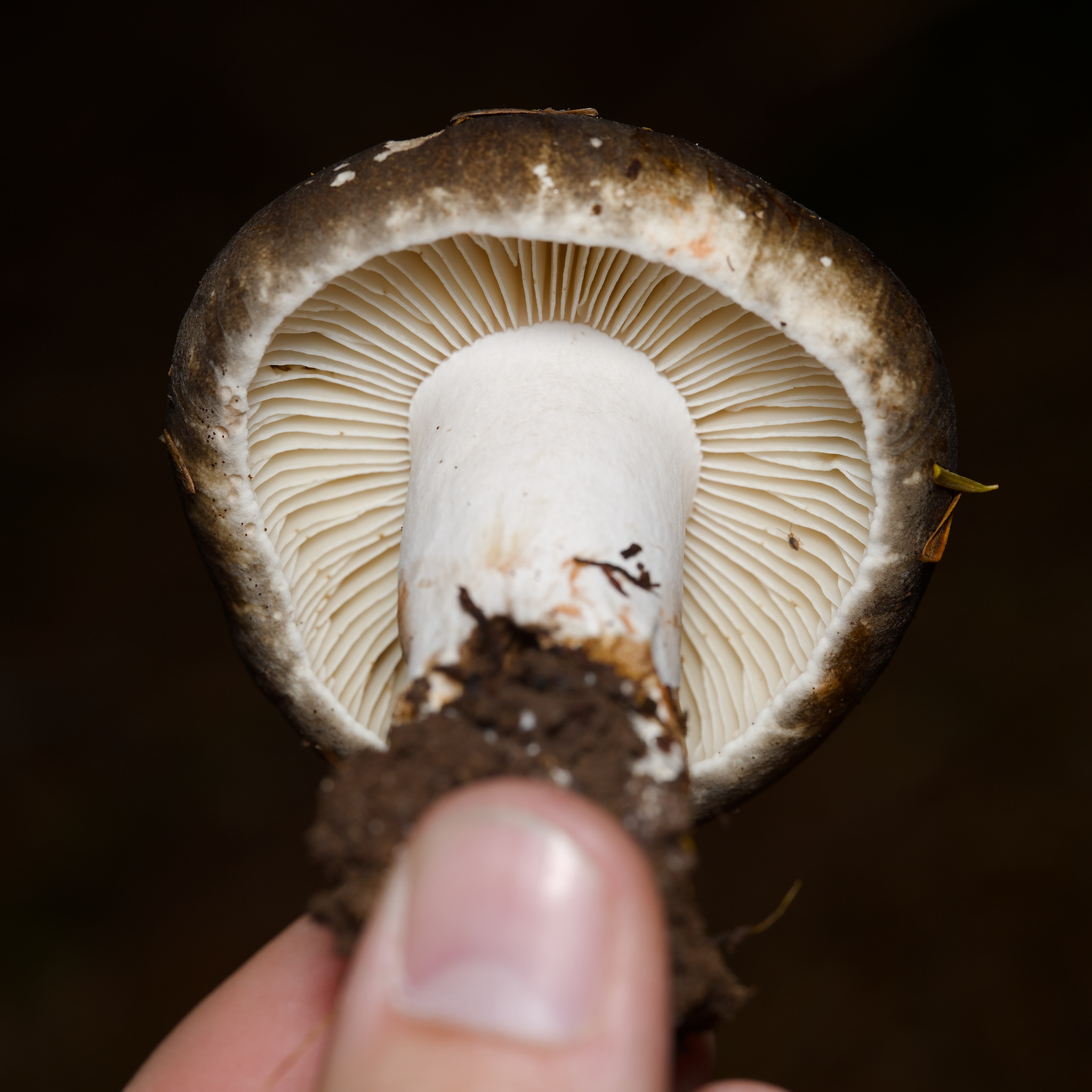
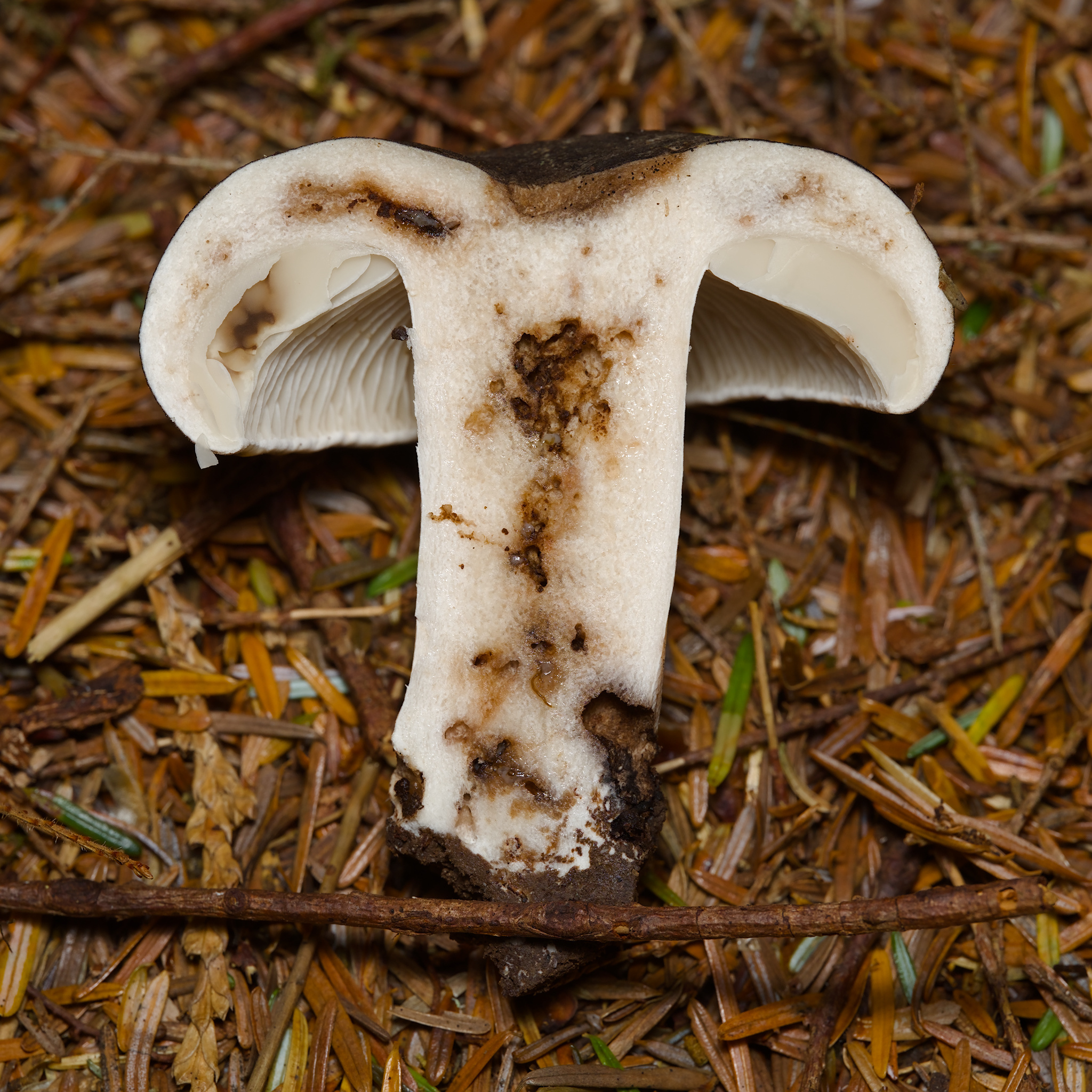
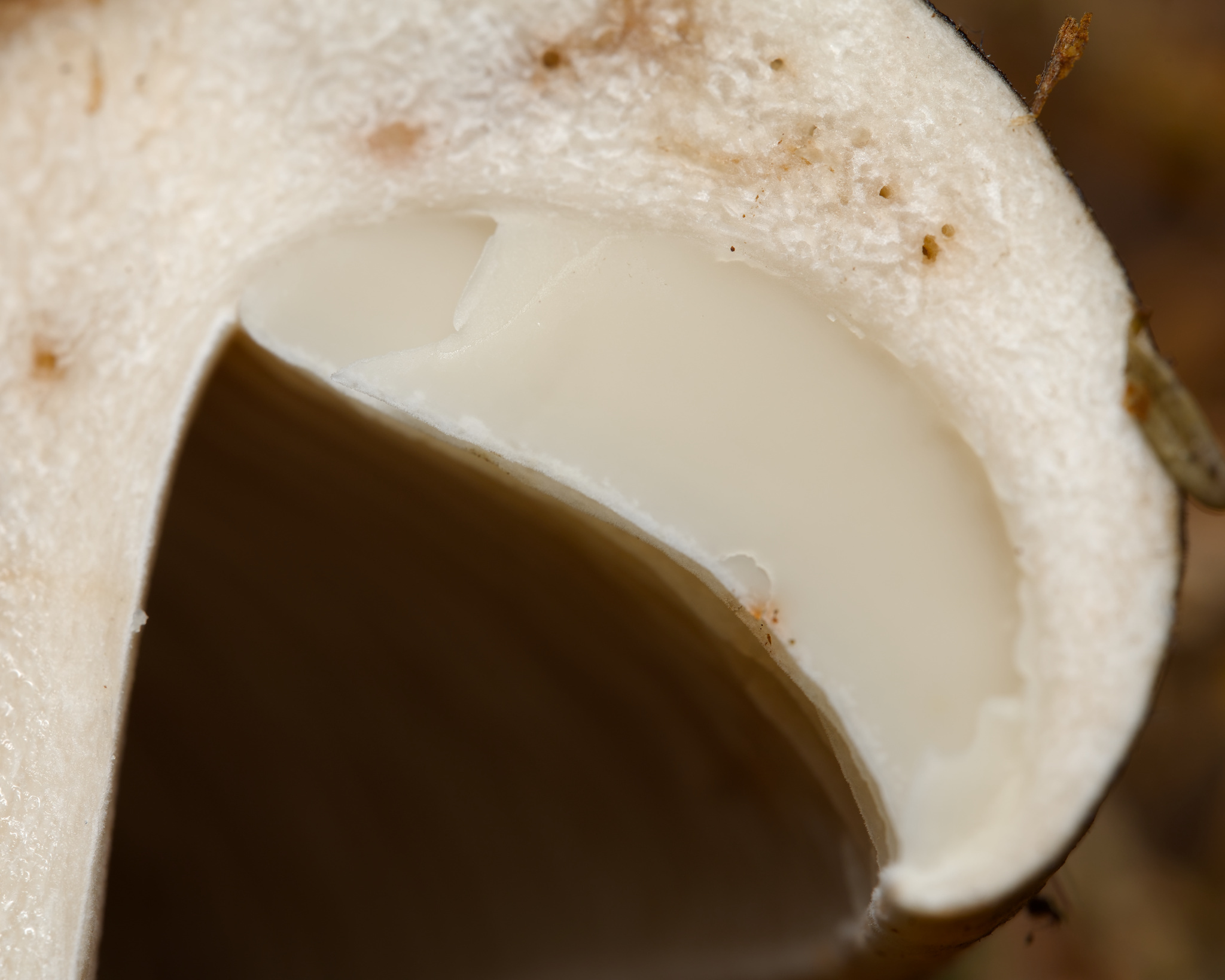
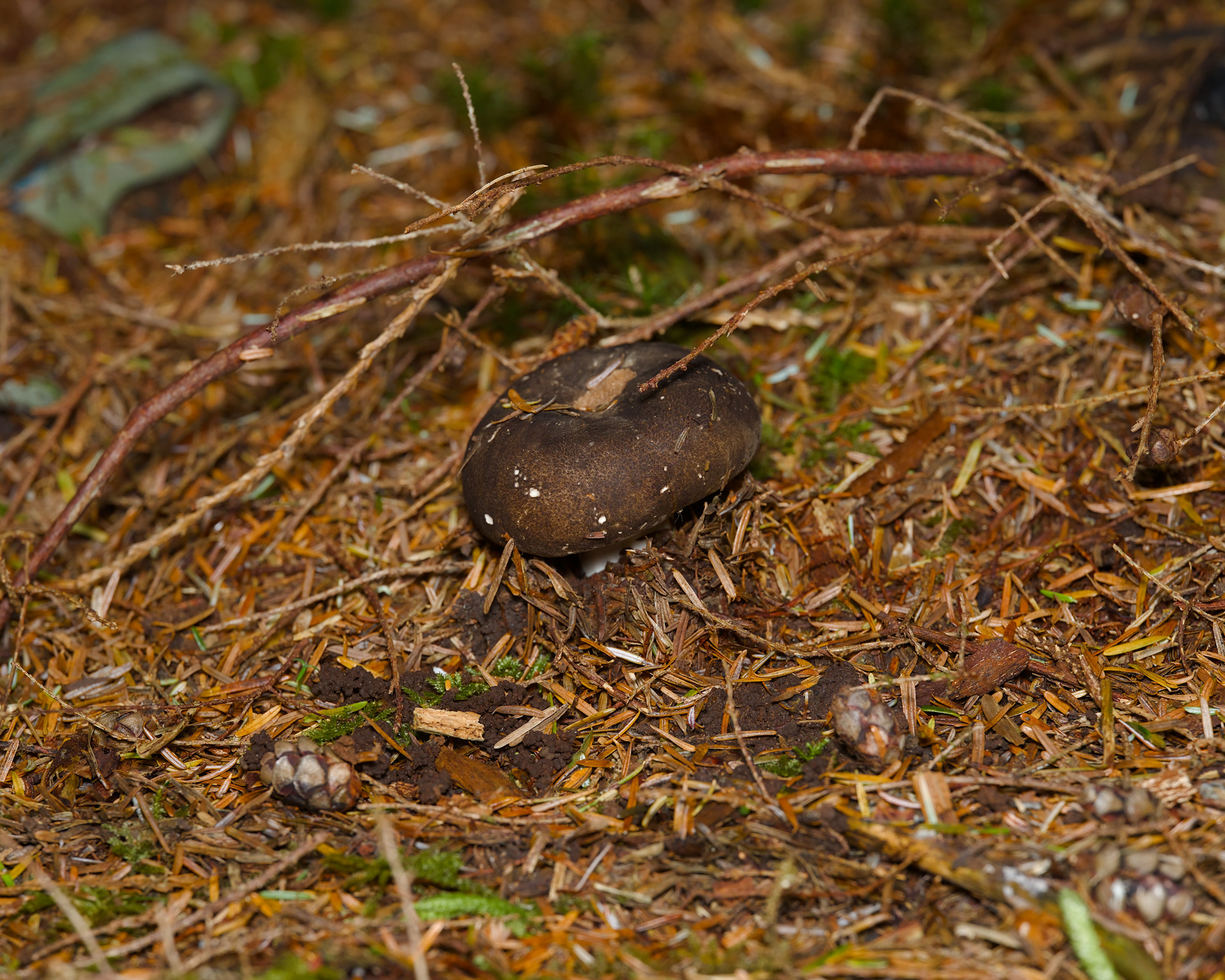
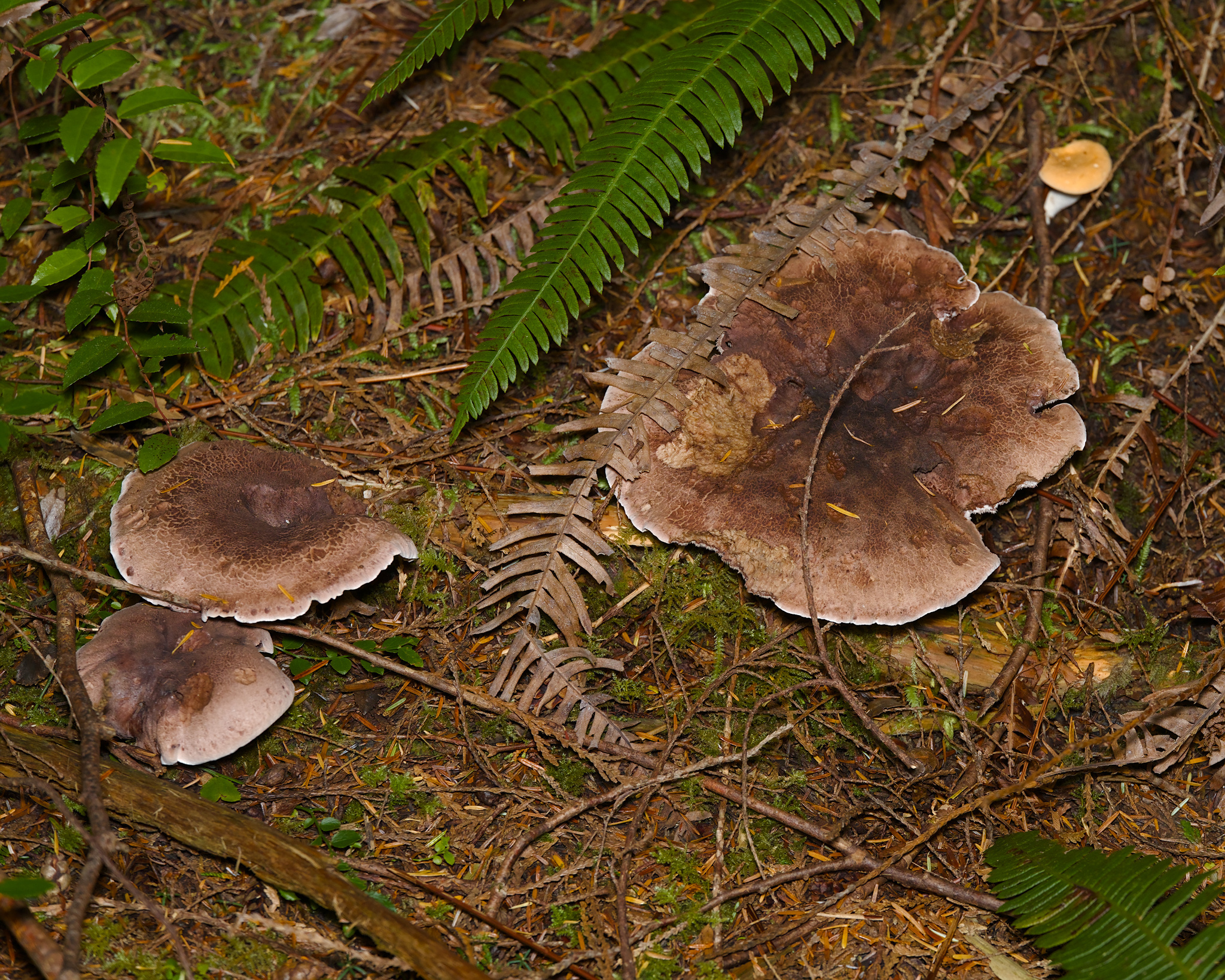
One of the blackening Russula. As mentioned we will be trying to make a few random, or maybe sporadic, collections in the genus this fall. This being one of em!
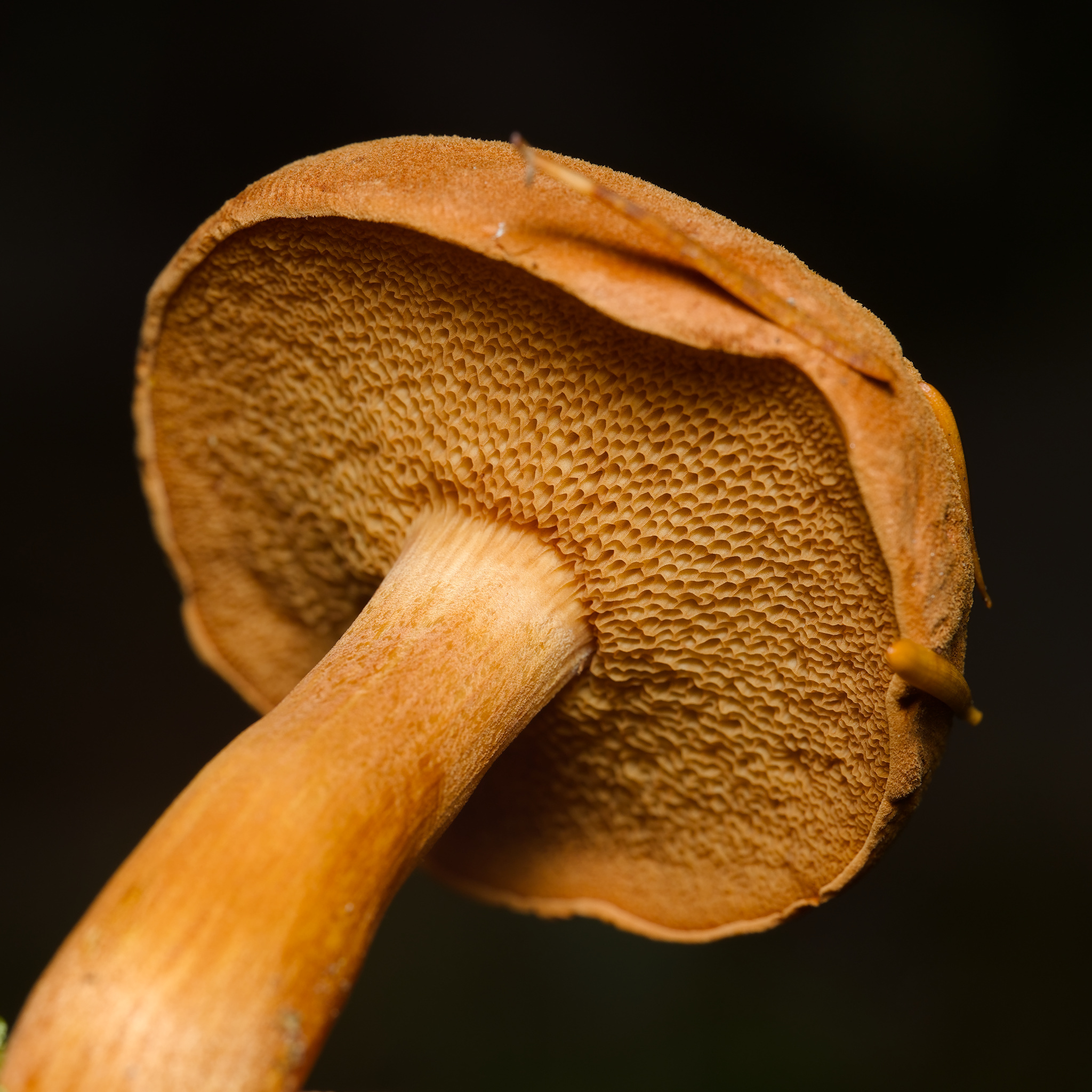
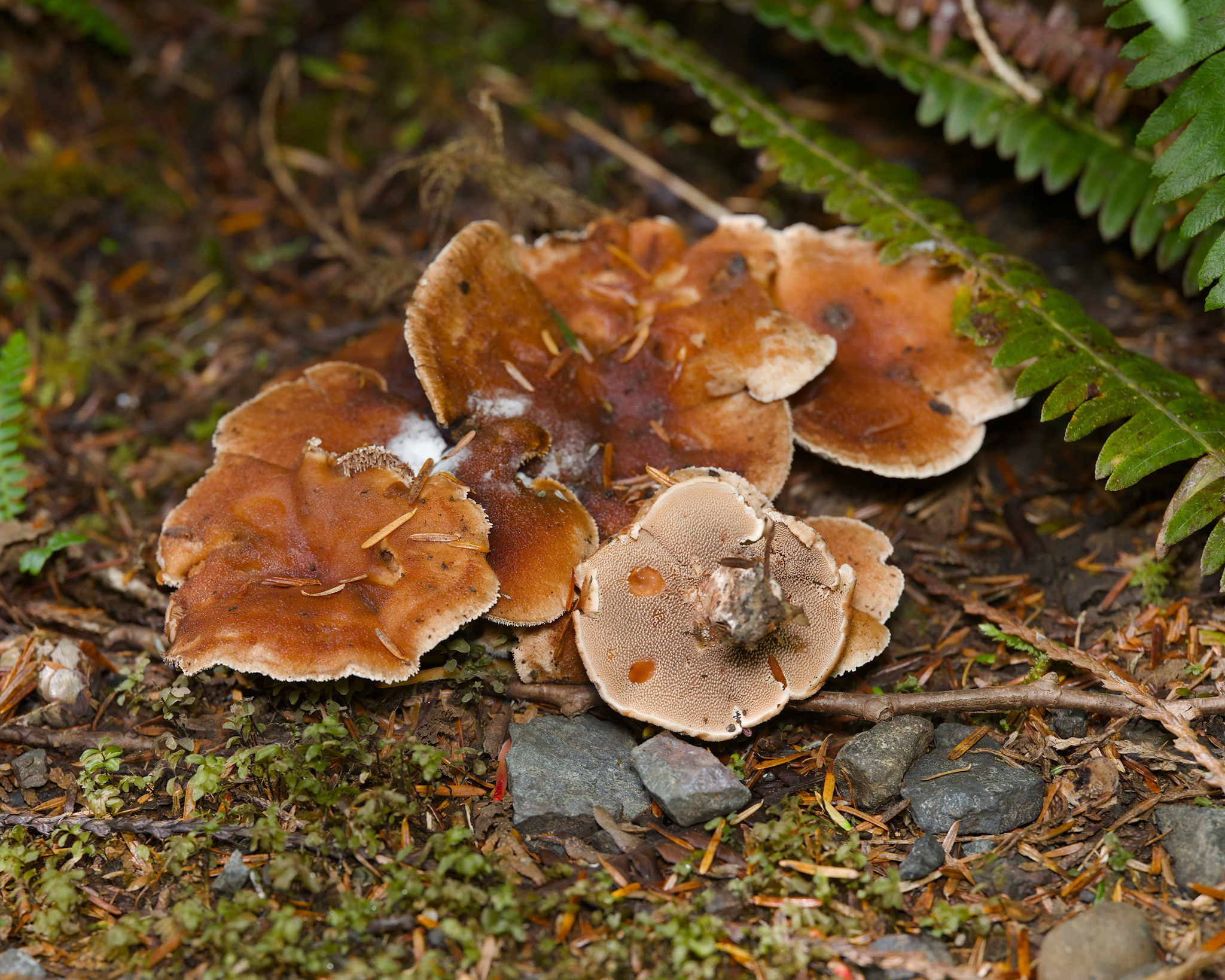
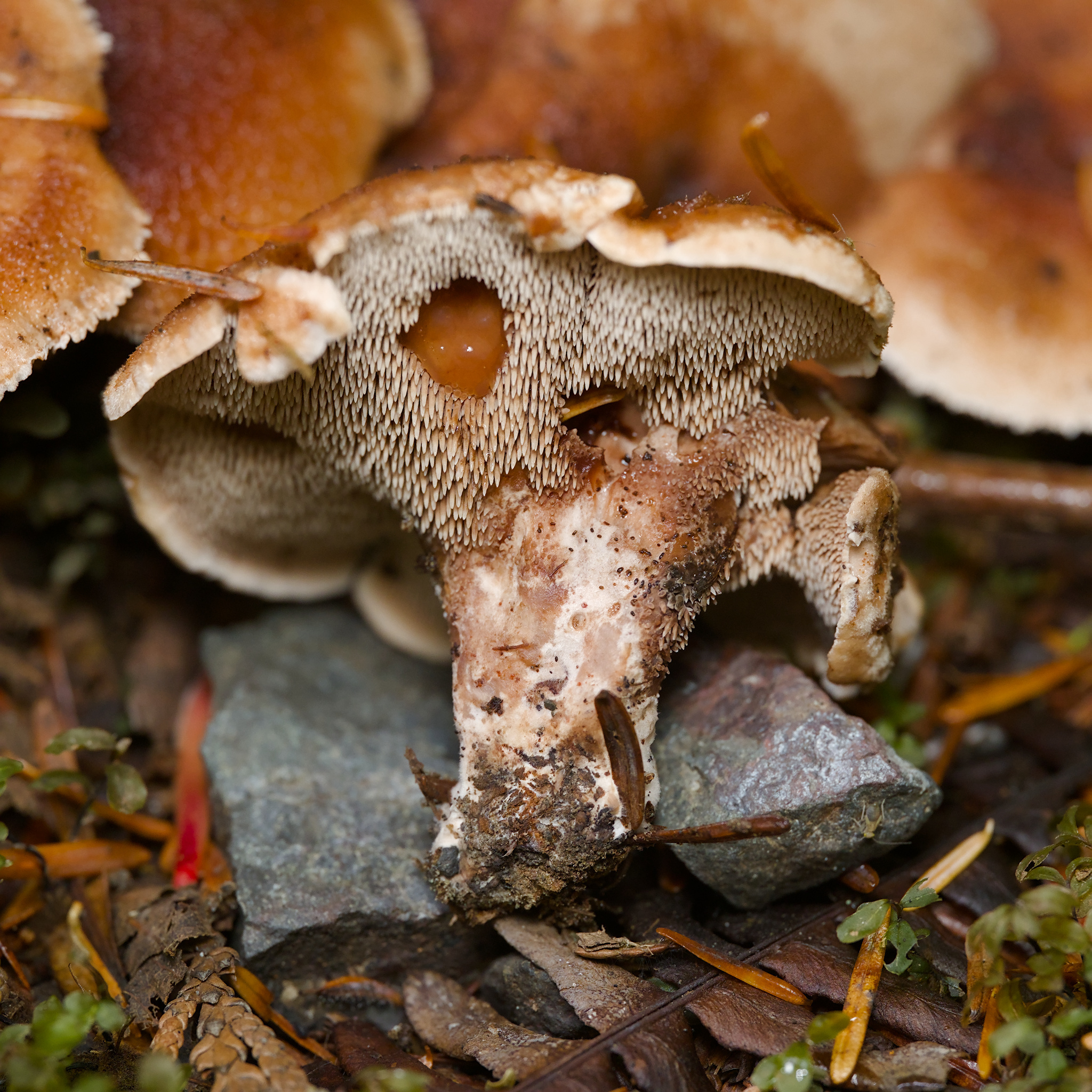
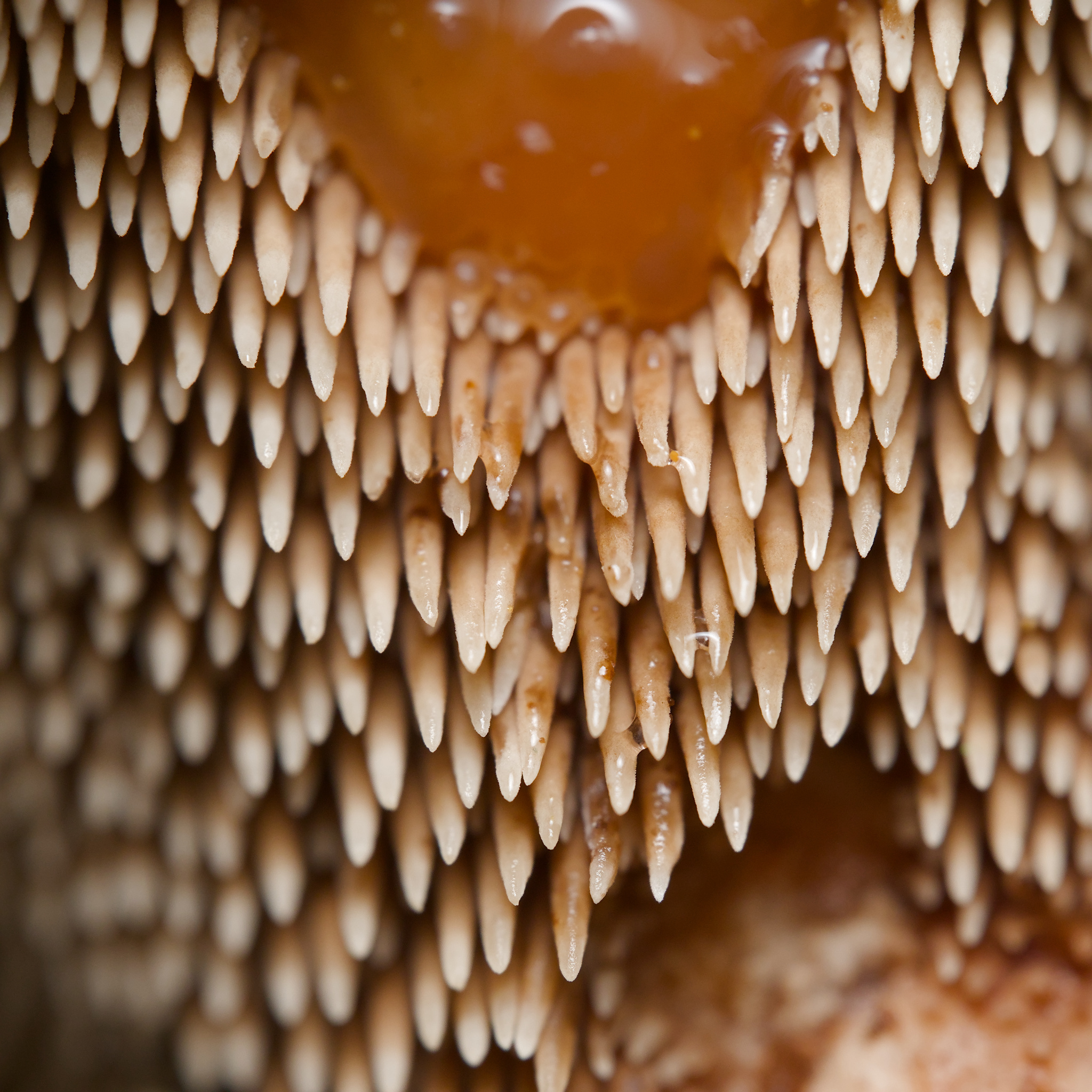
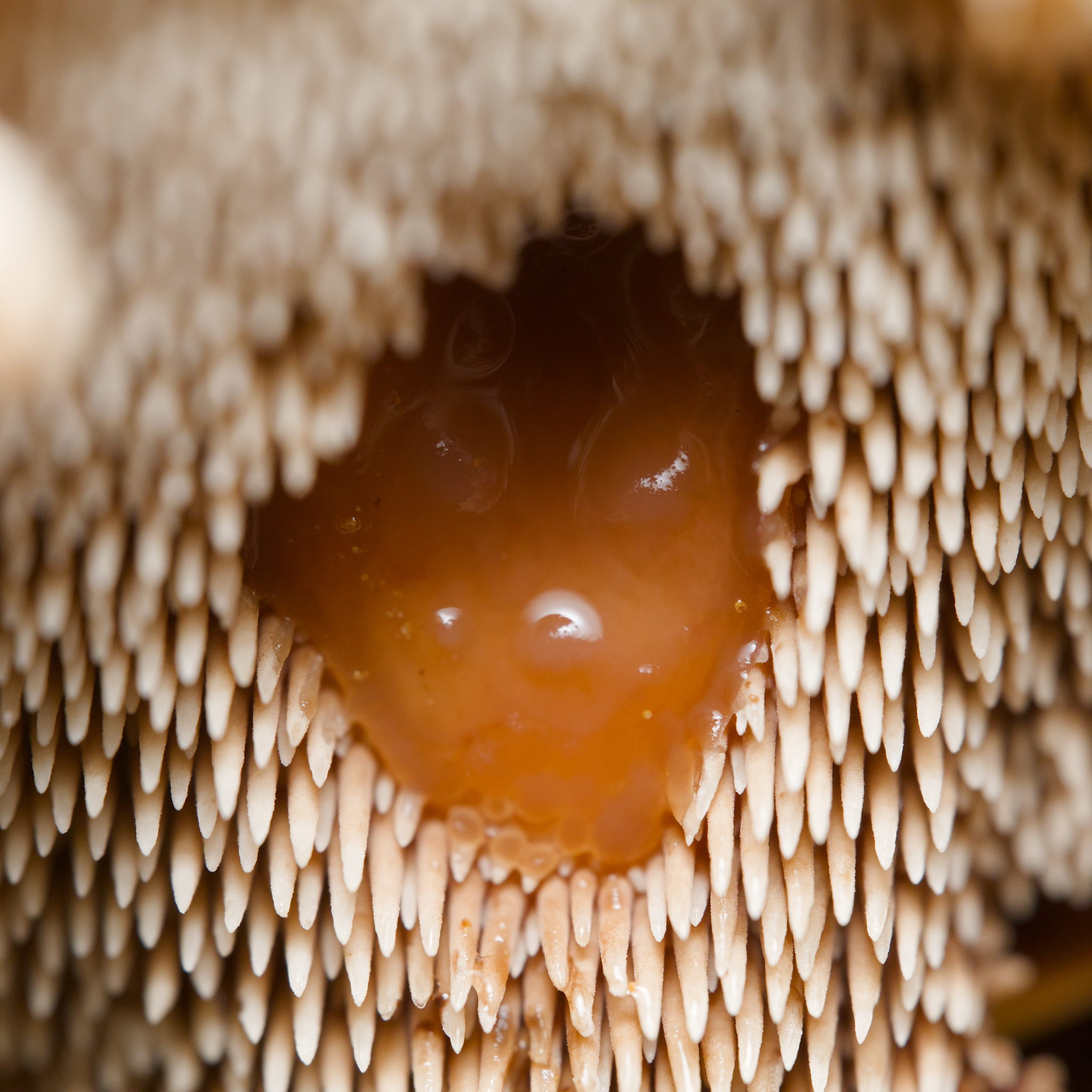
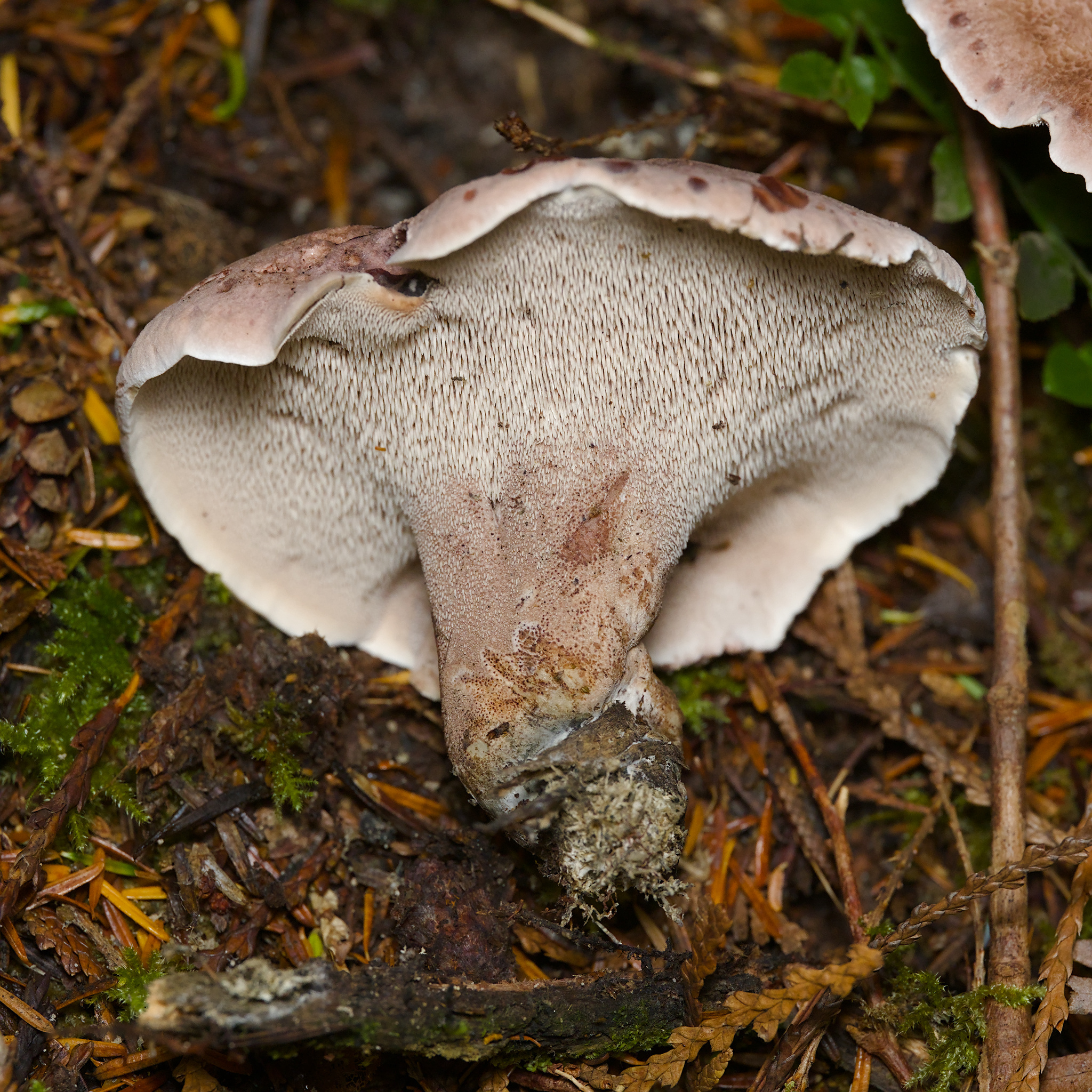
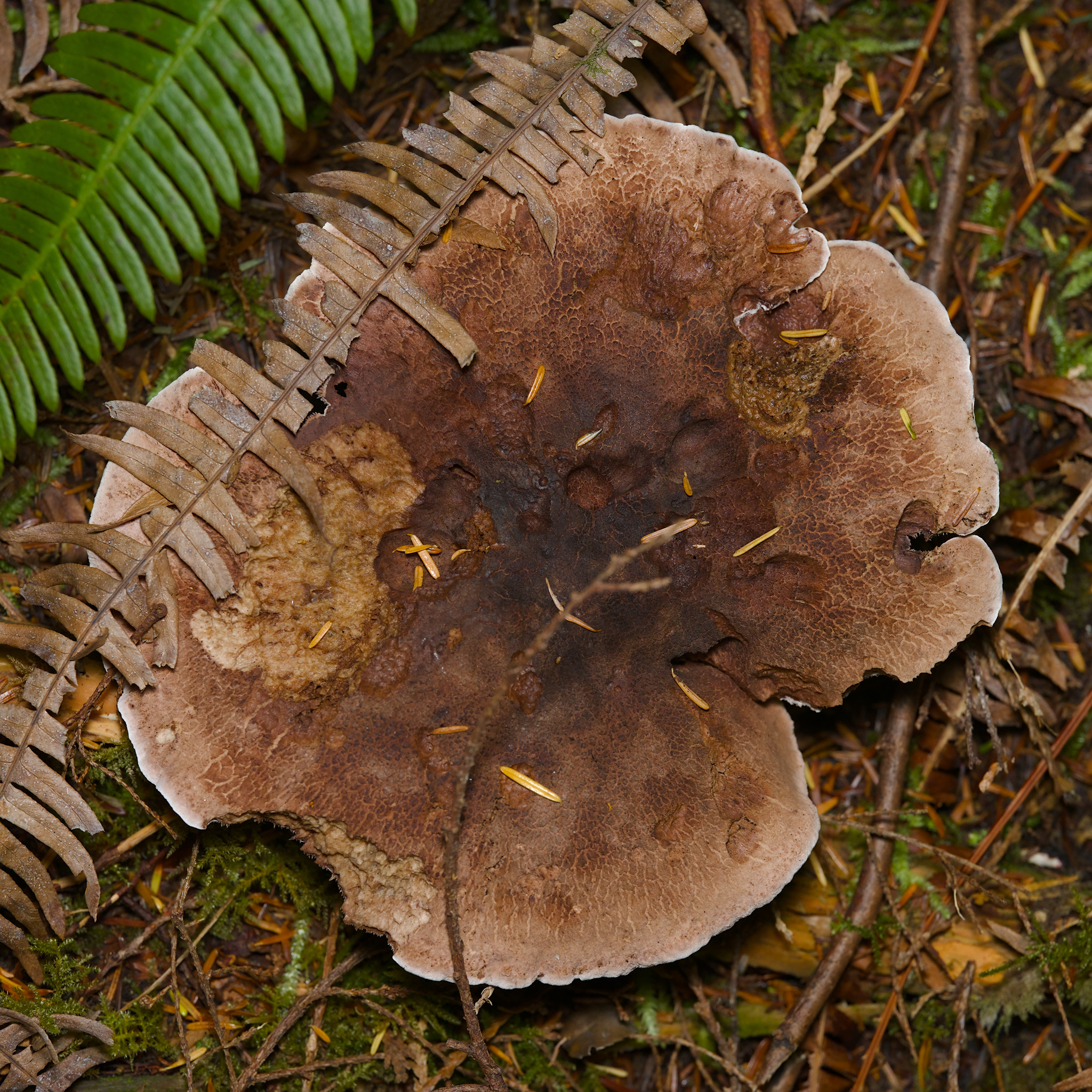
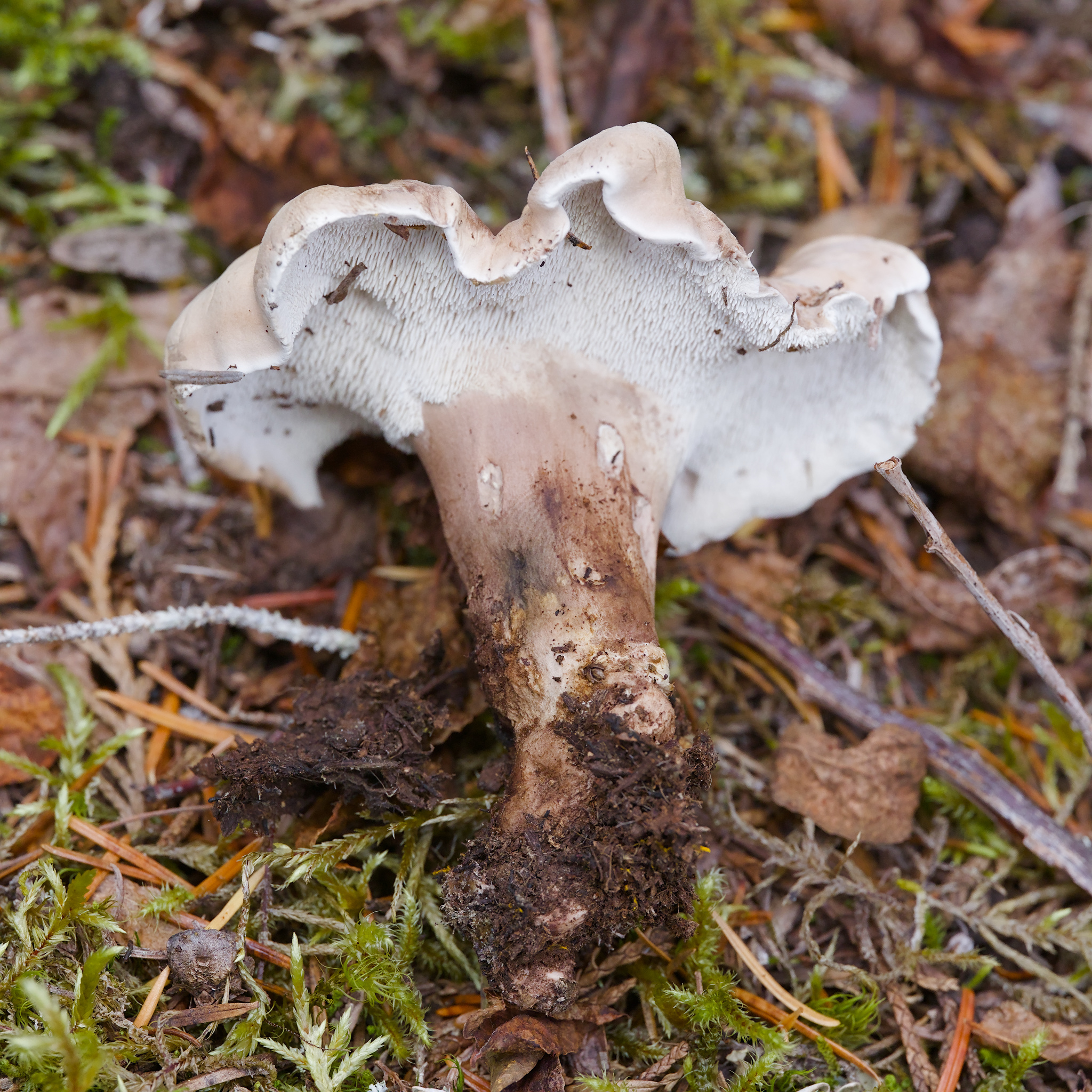
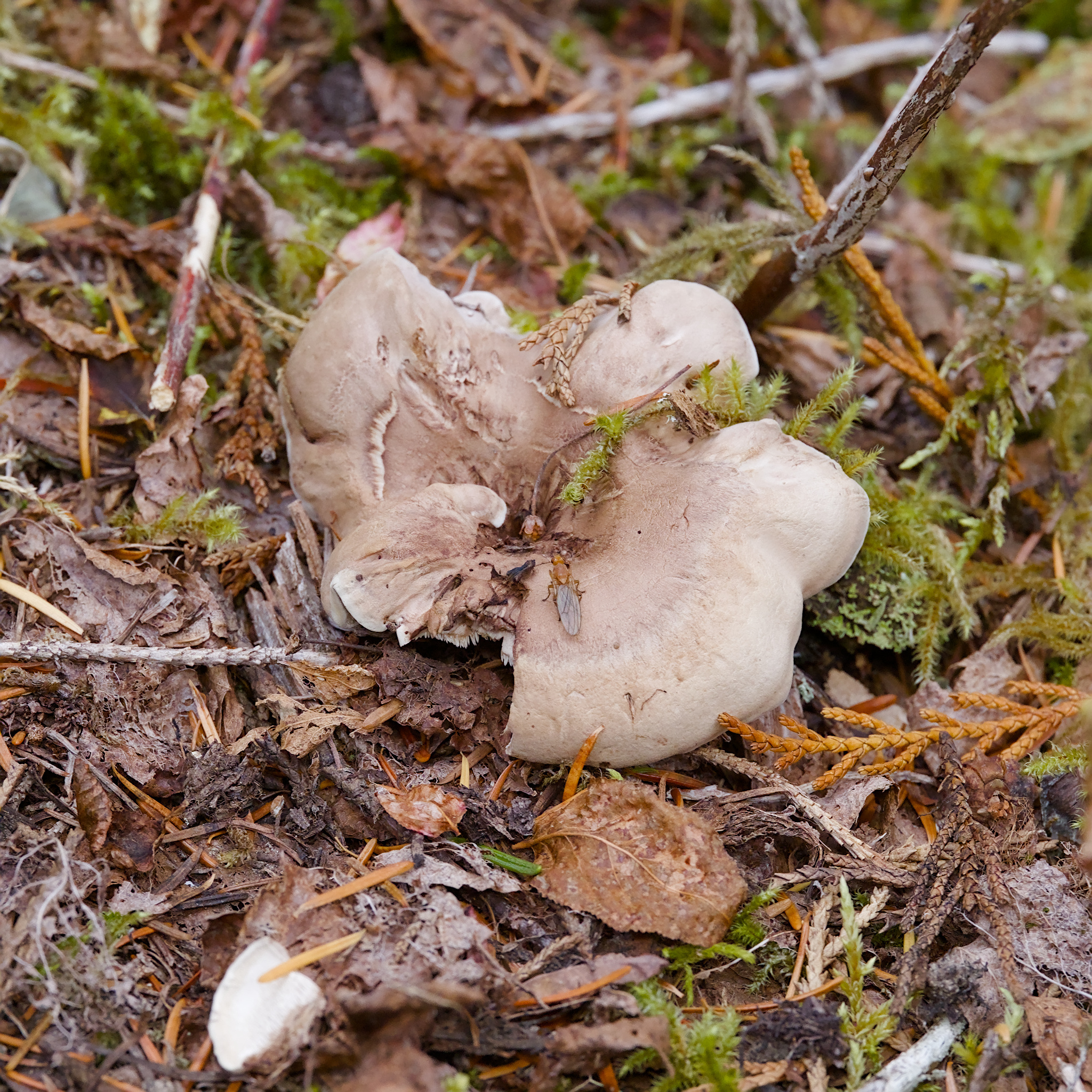
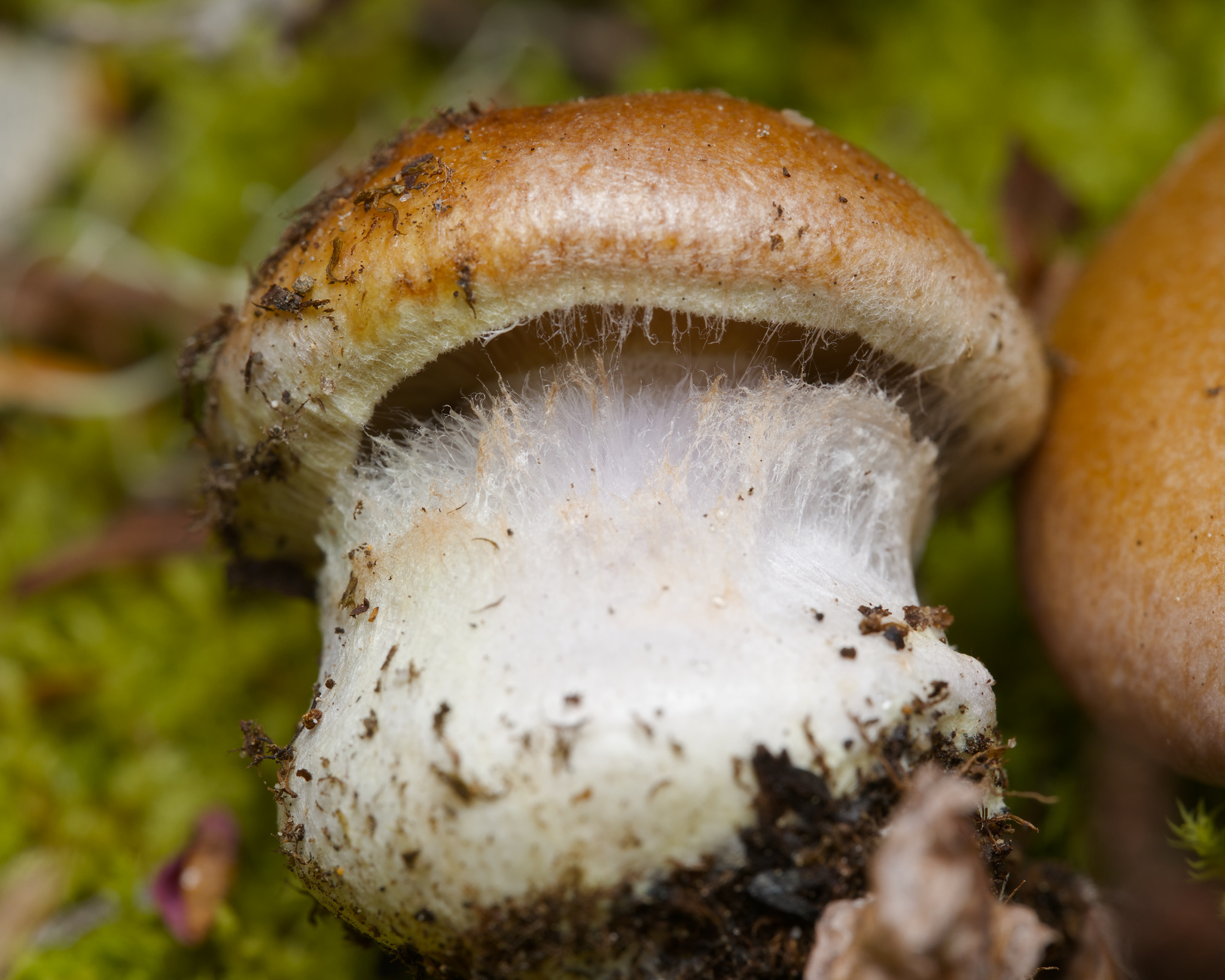
Lots of Hydnellum, and friends, out and about around this location. This may be the same as the one from last month but oh well, we are going to at least have some coverage in these two families in this area. I love toothy fungi and as usual, good to add to survey either way.
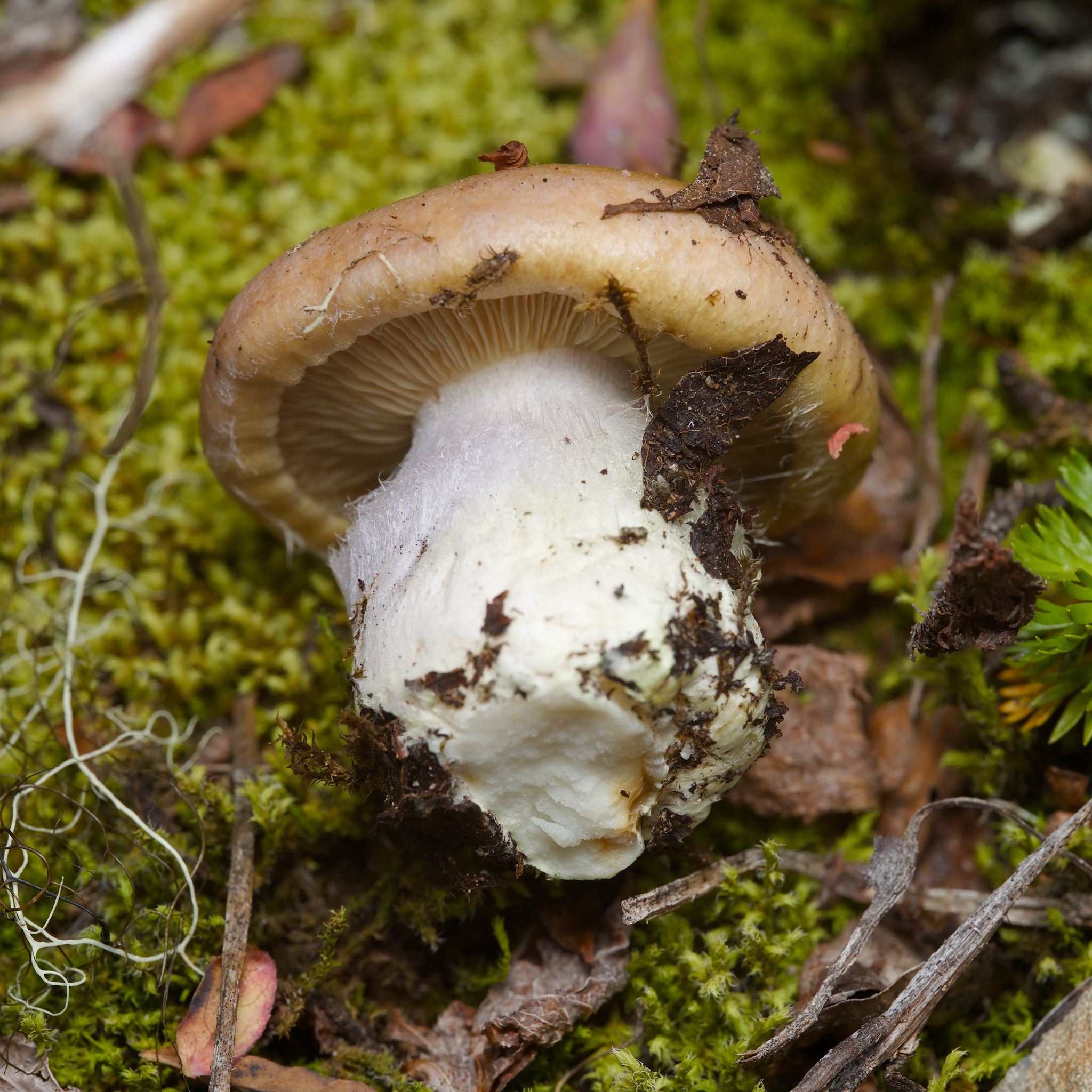
This appears to be a different toothed species to Brodie and myself. I would say that we both are probably not great at distinguishing this genus and family from their former closer relatives in Bankeraceae. This could be one of the smoother Sarcodon instead for example.
I will do some microscopy here and on the previous observation to try and determine which genera we are working with, before publishing continued updates and sequences. We will see if I can beat the shipping/ lab.
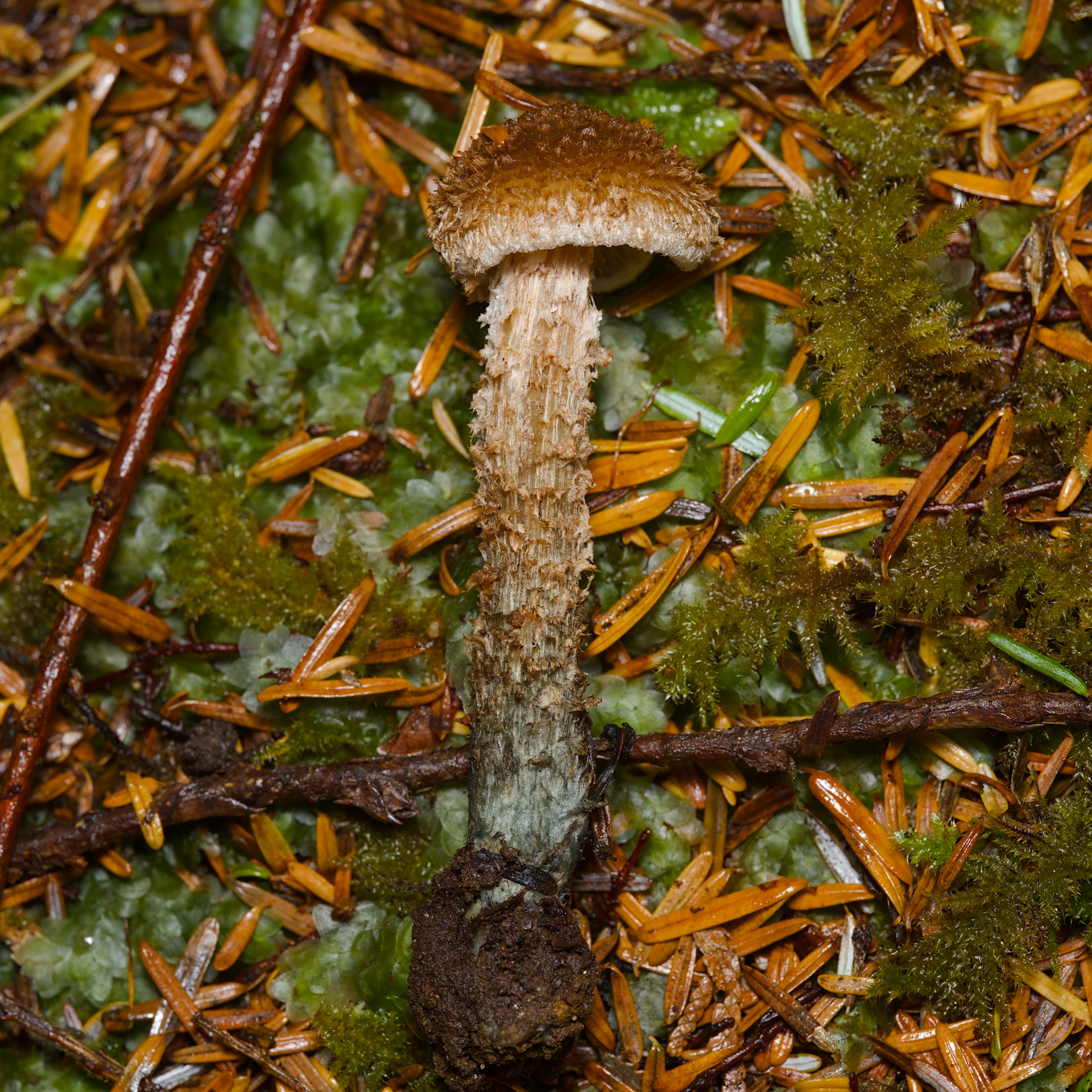
A lovely example of this species, there are a few good observations, but not many from the region showing such a blue-green stipe base. Hopefully some micro, and sequencing, along with this younger specimen, can pair for a great observation of this species for the survey.
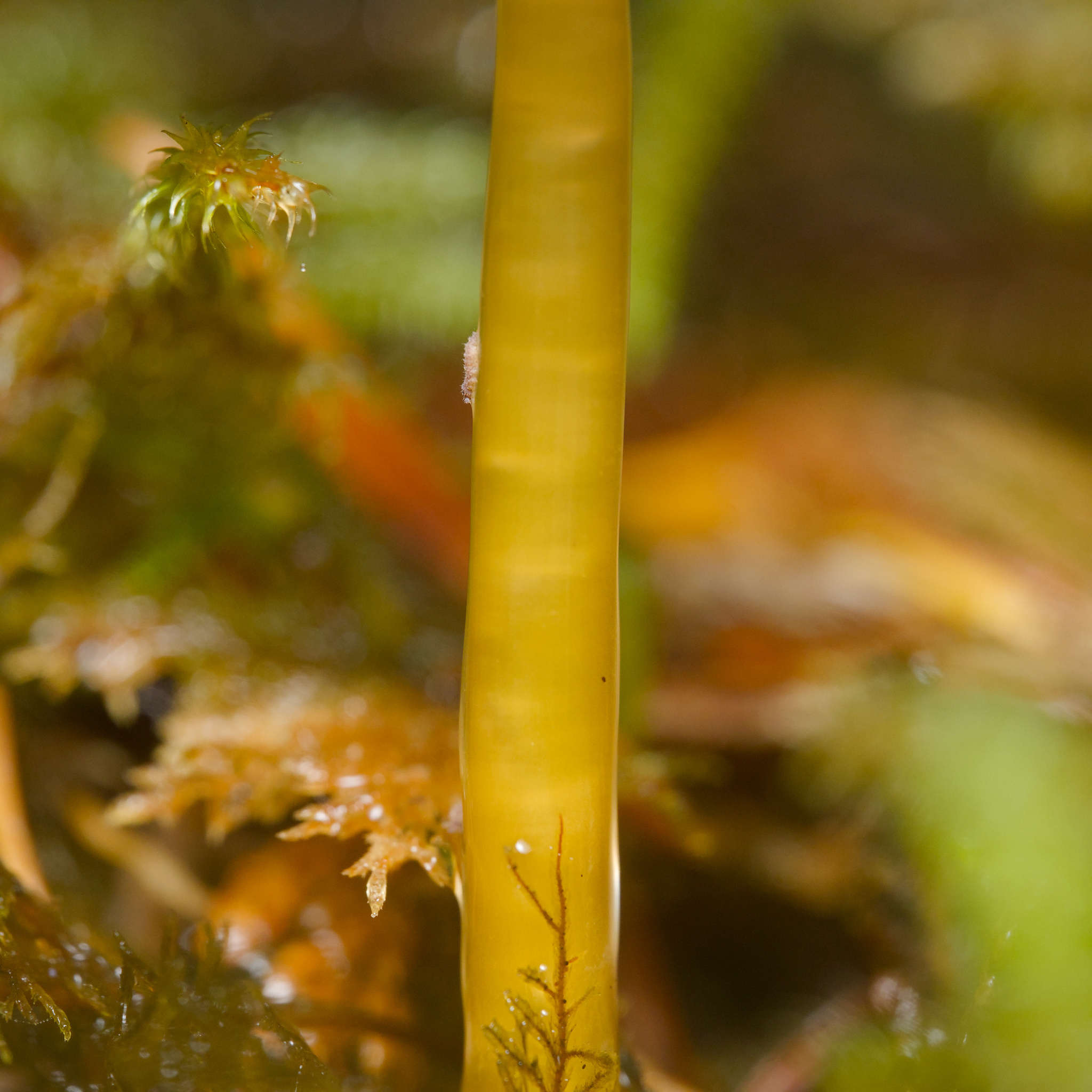
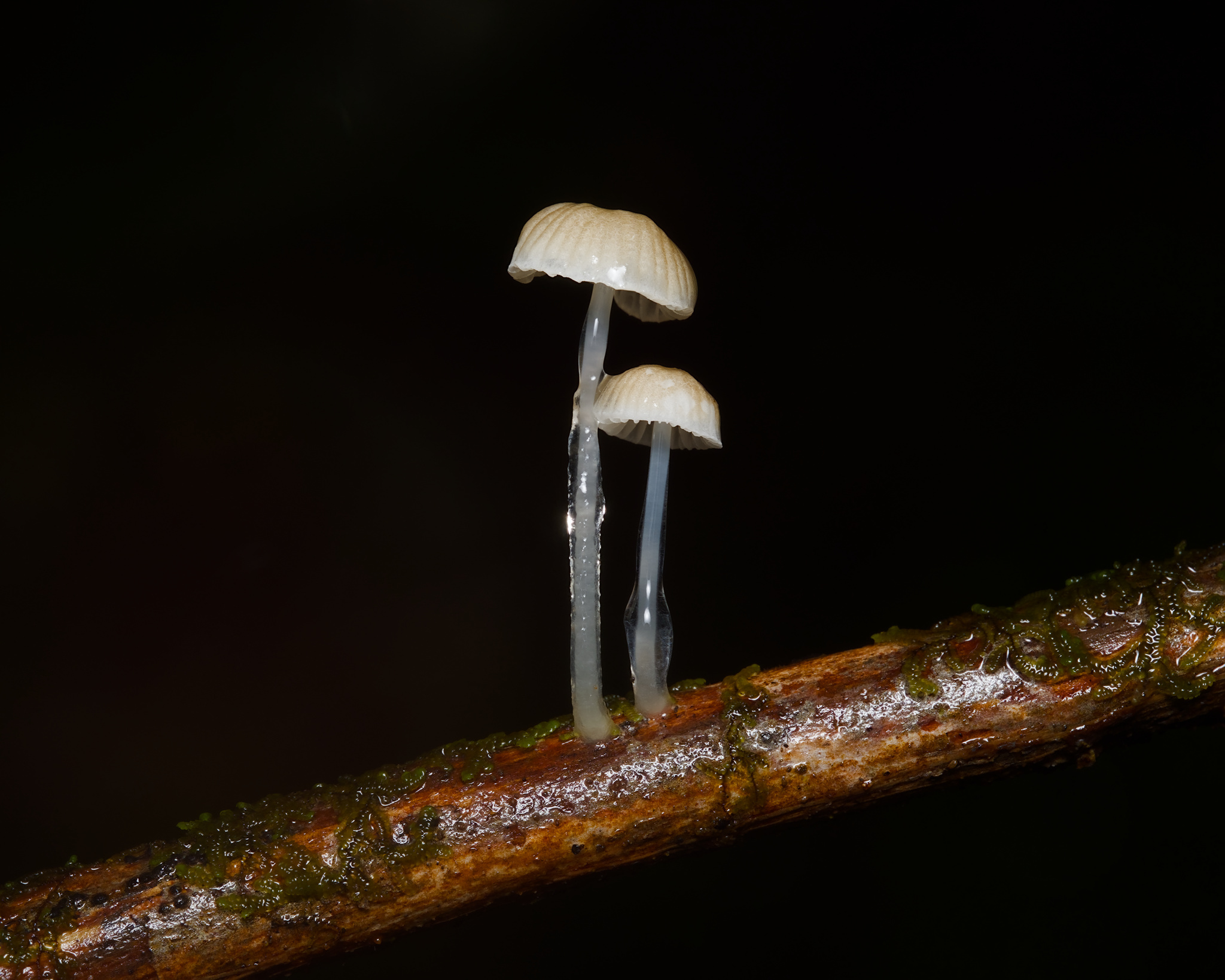
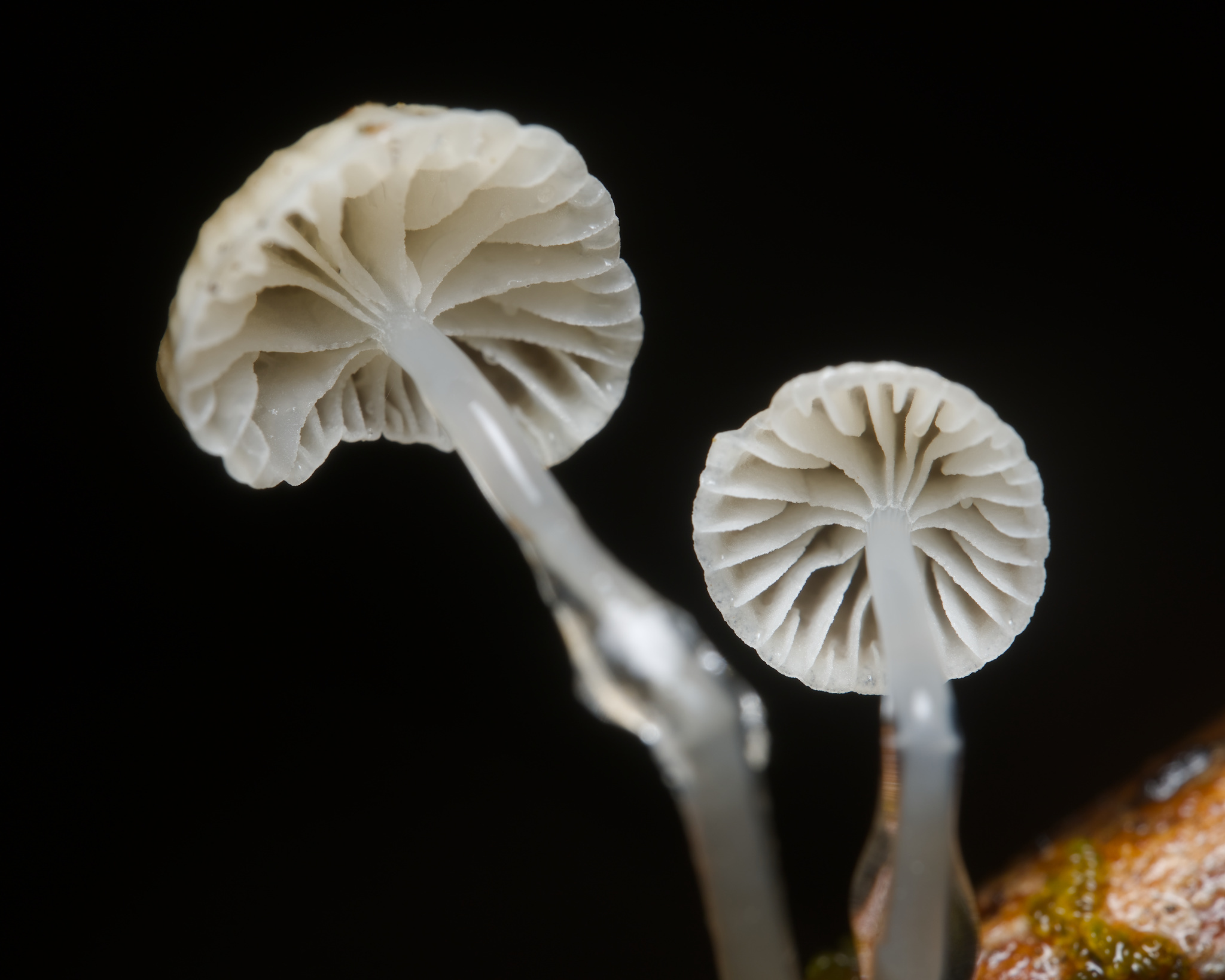
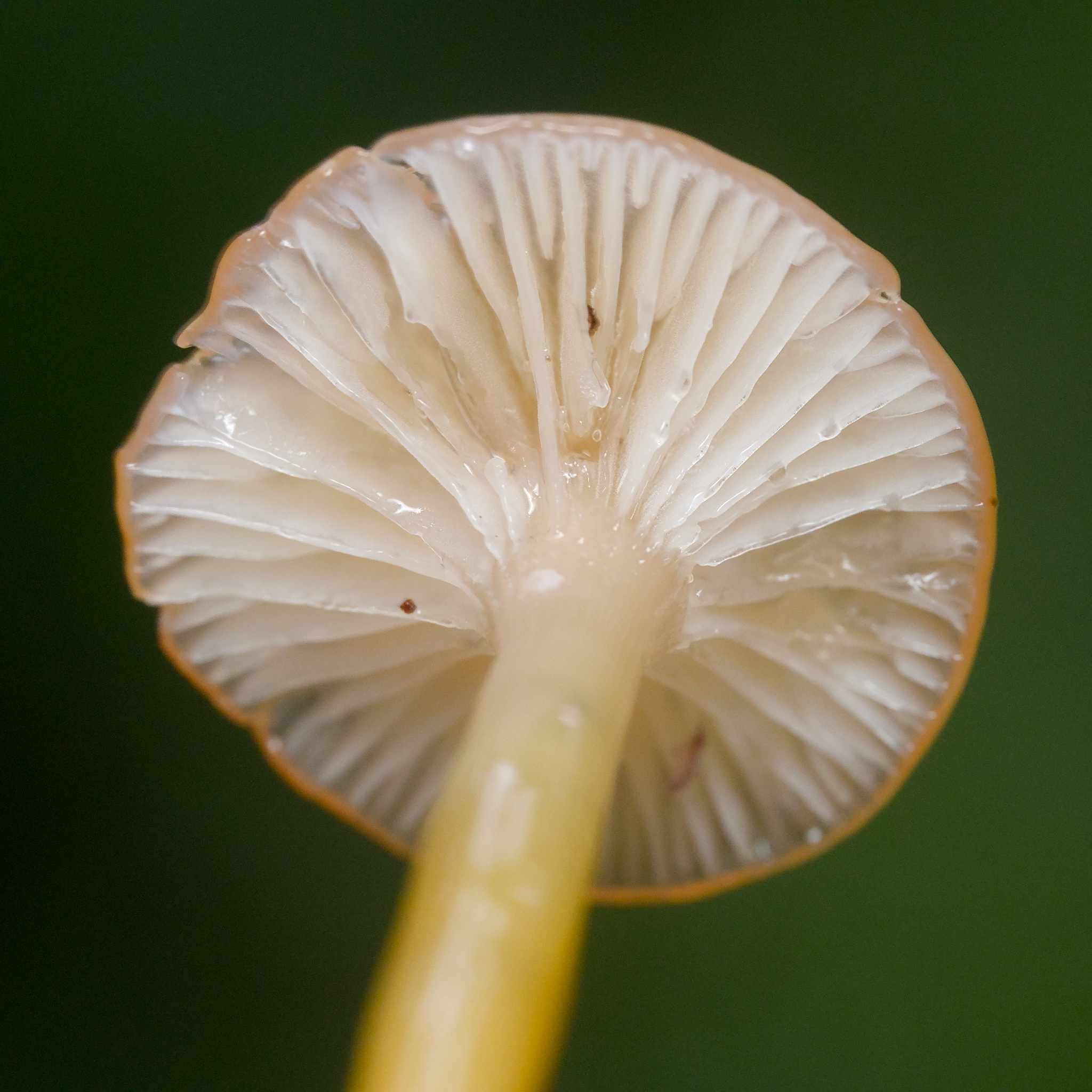
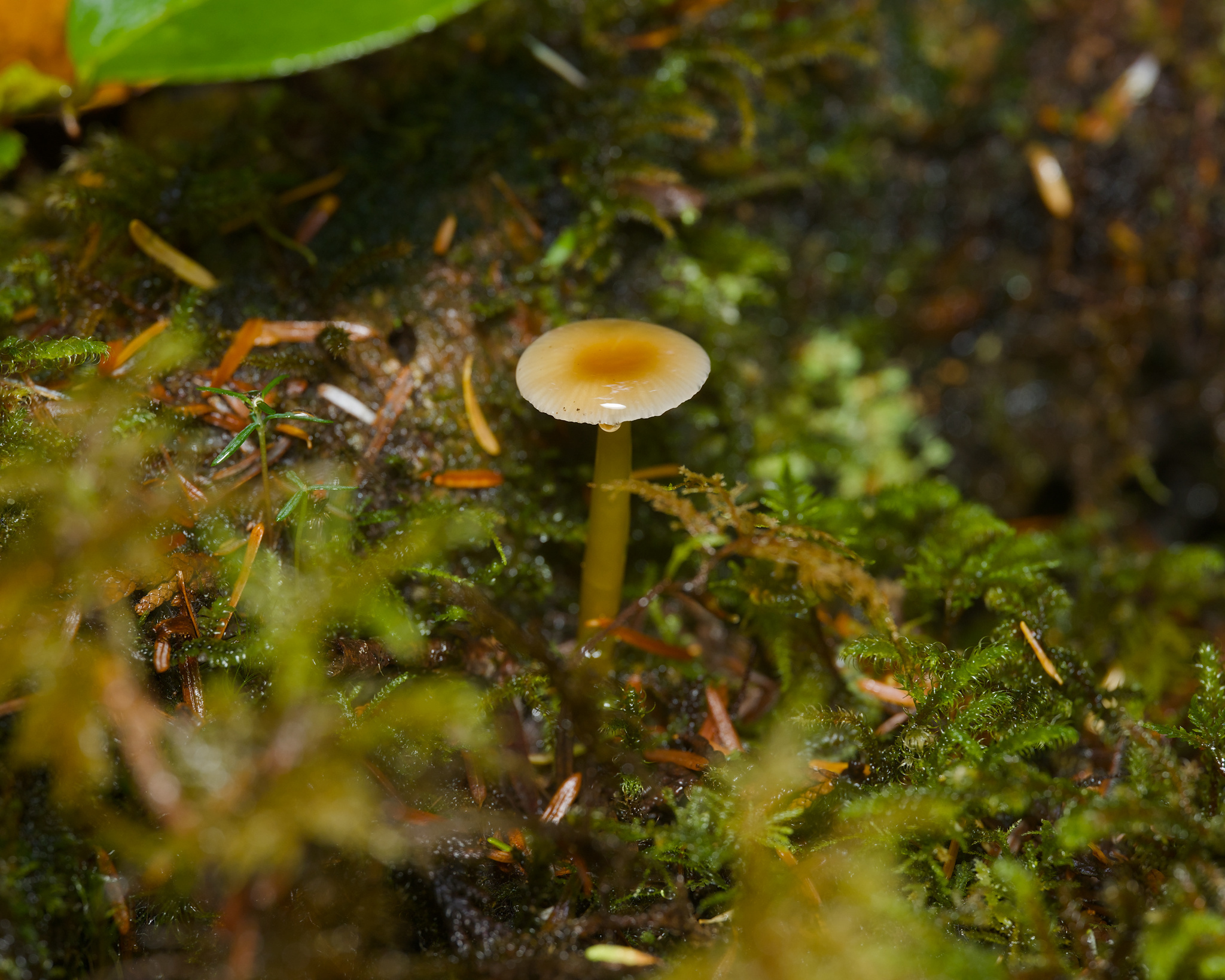
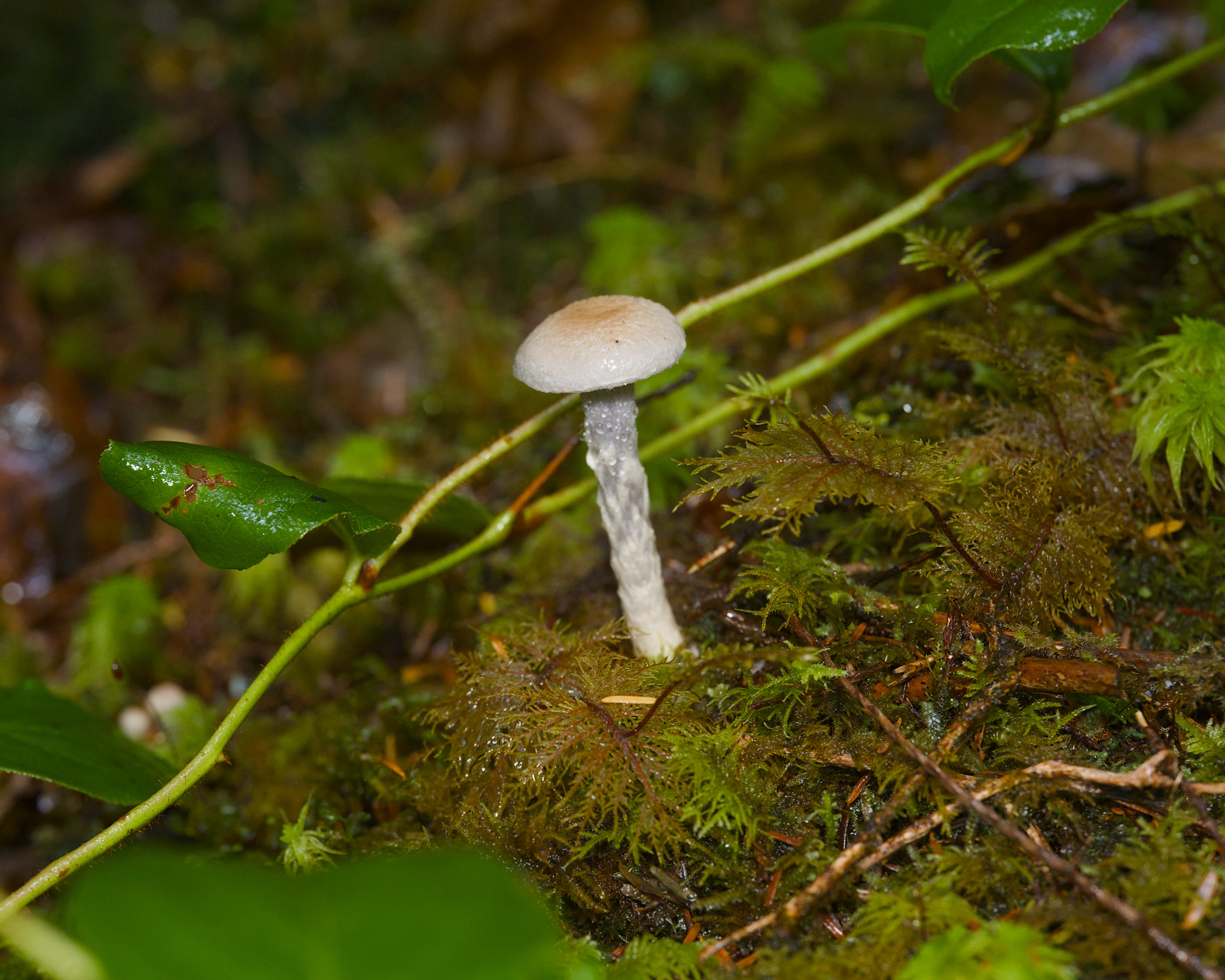
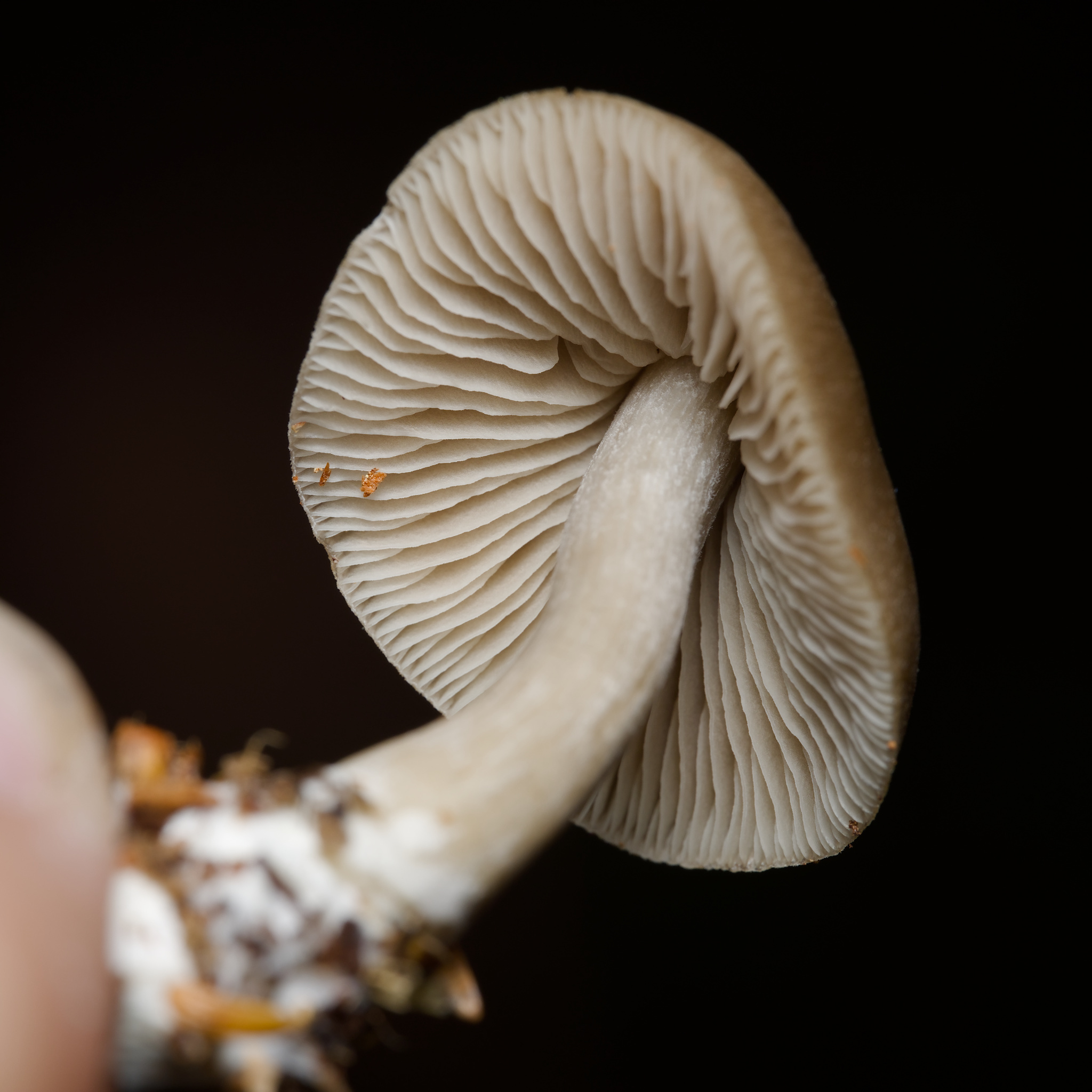
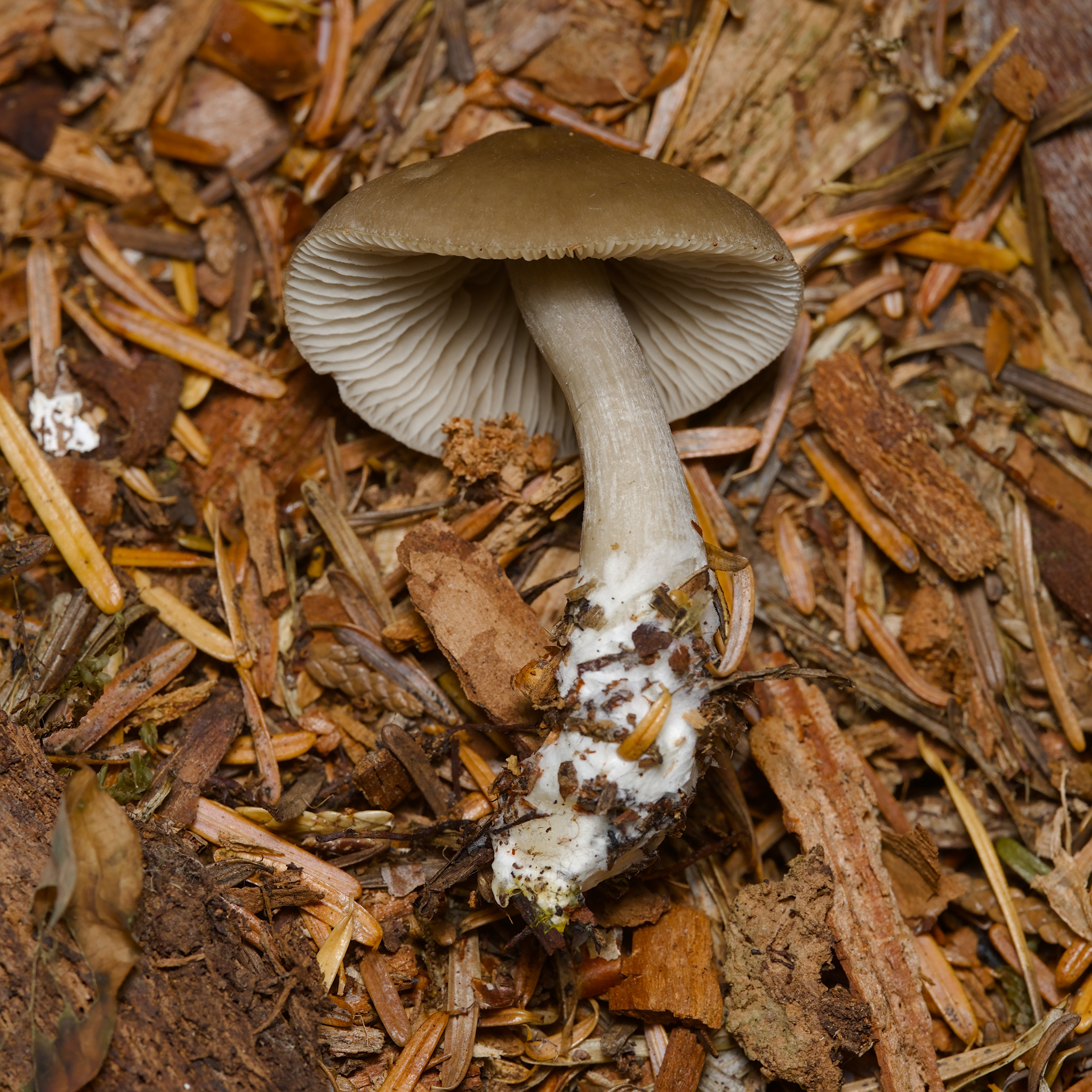
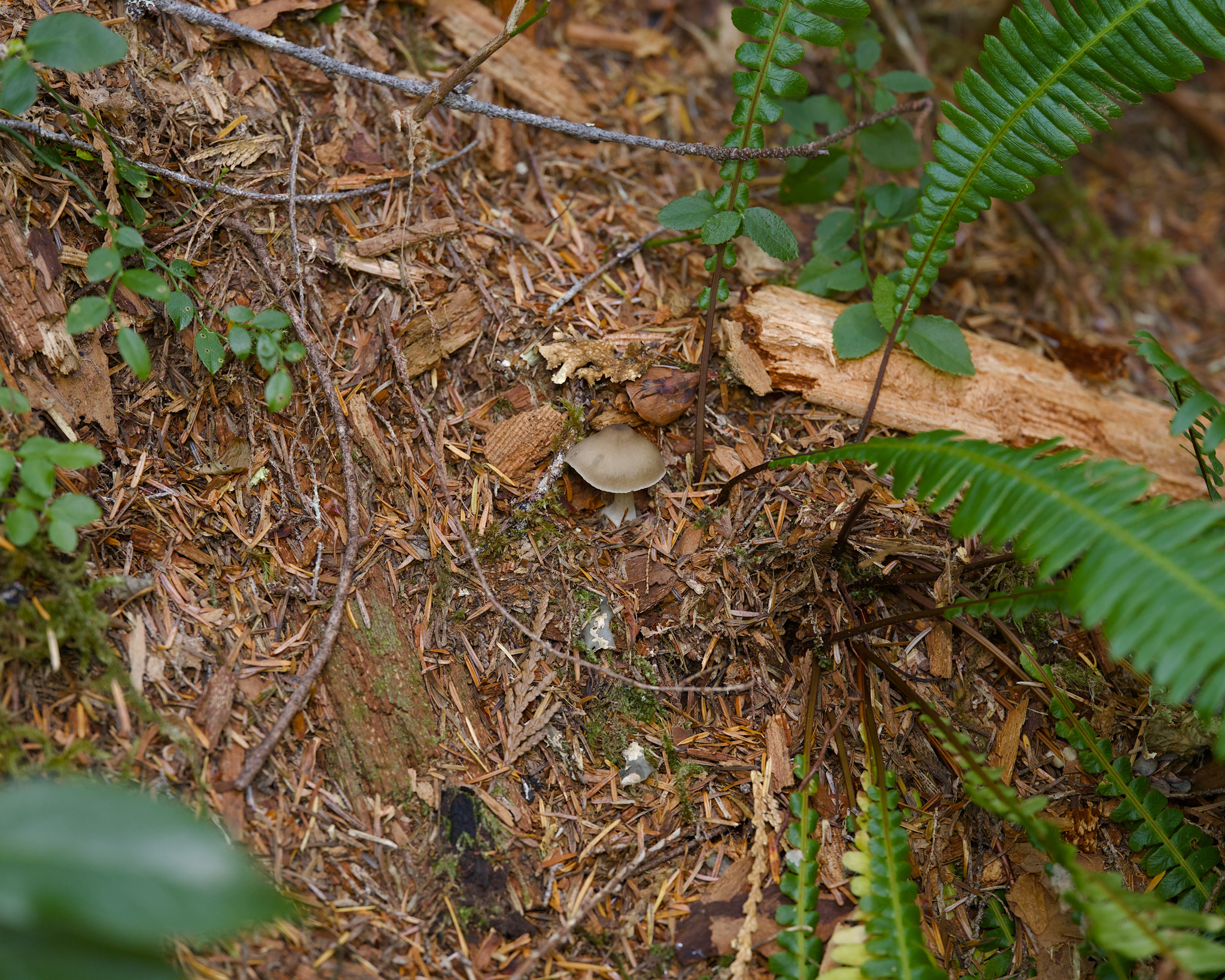
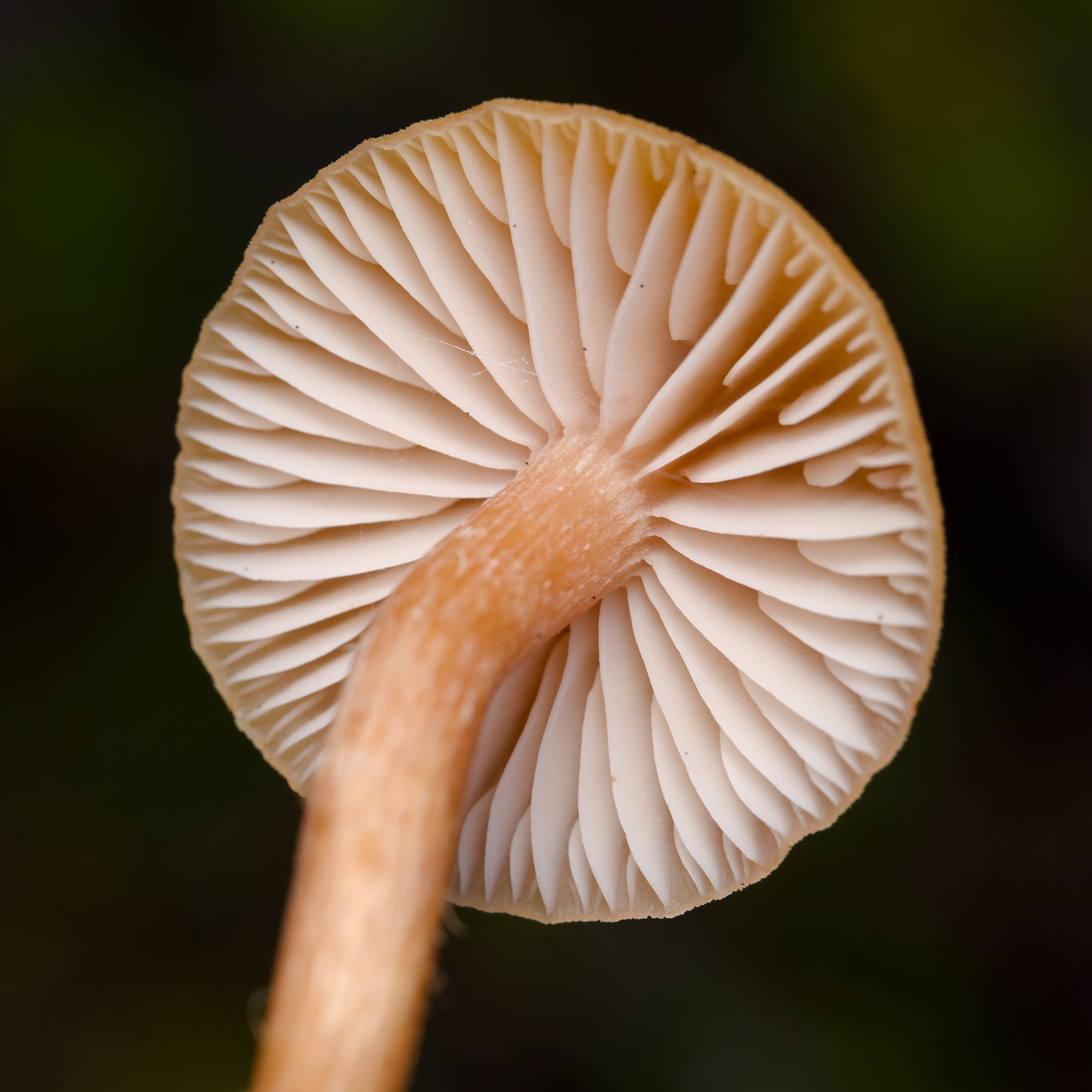
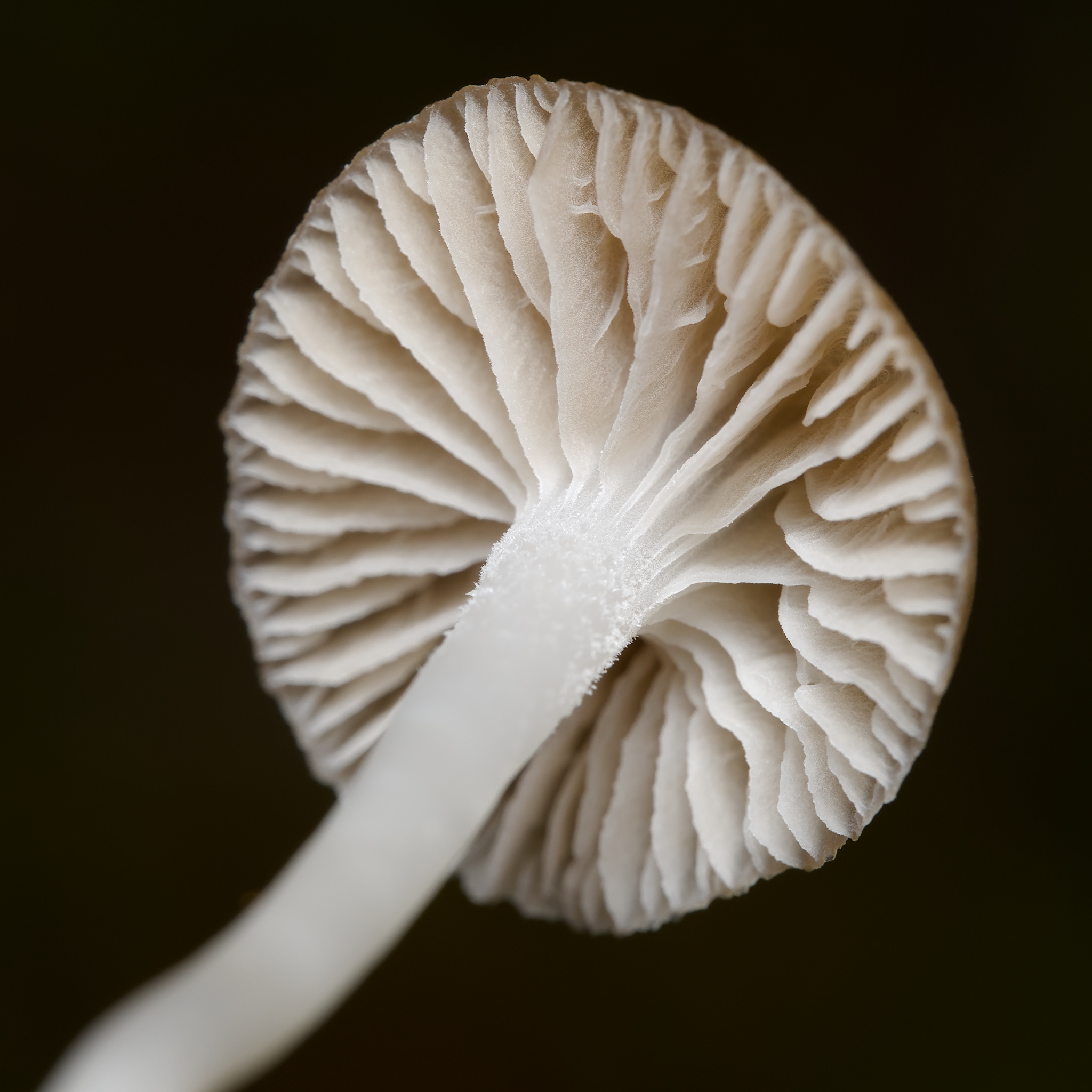
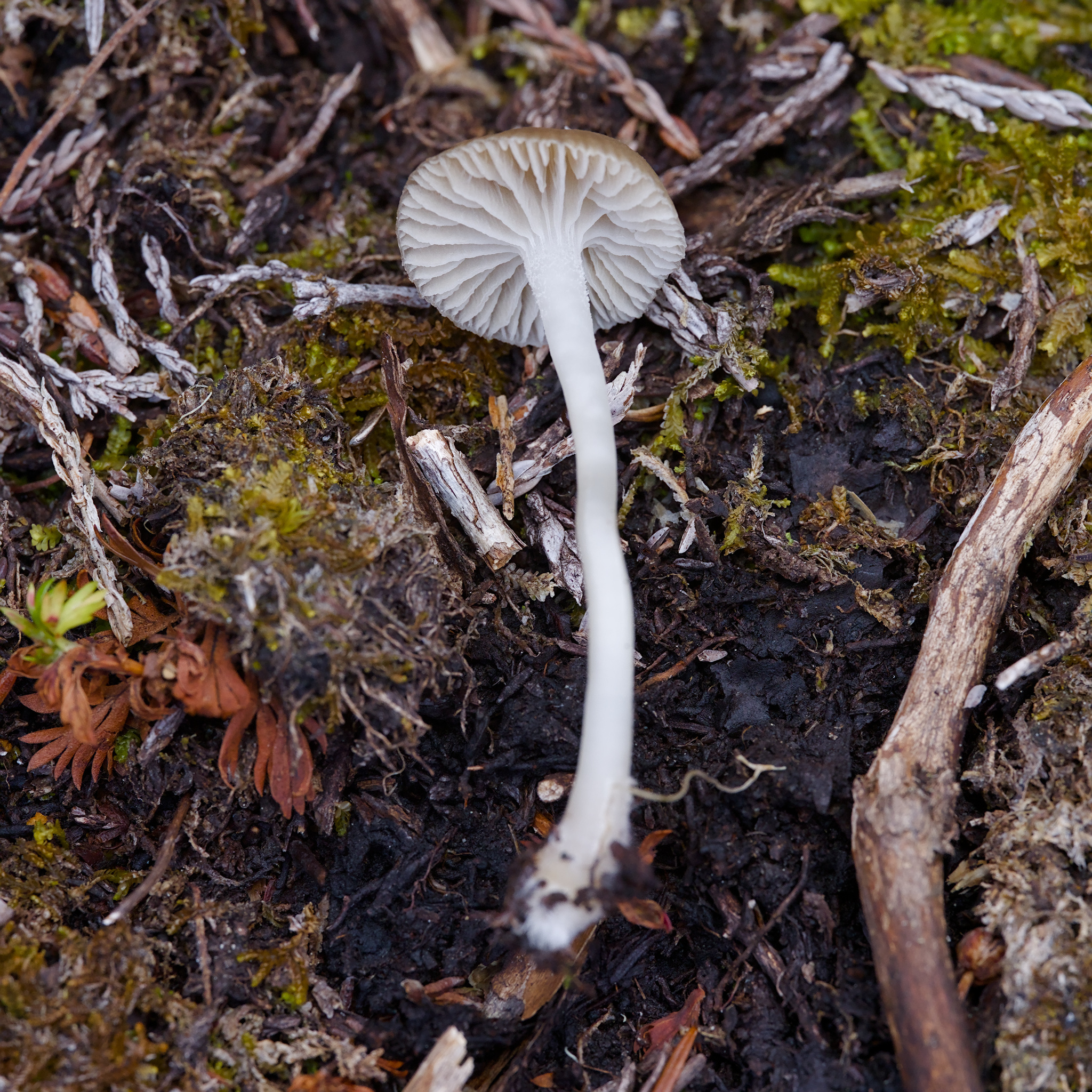
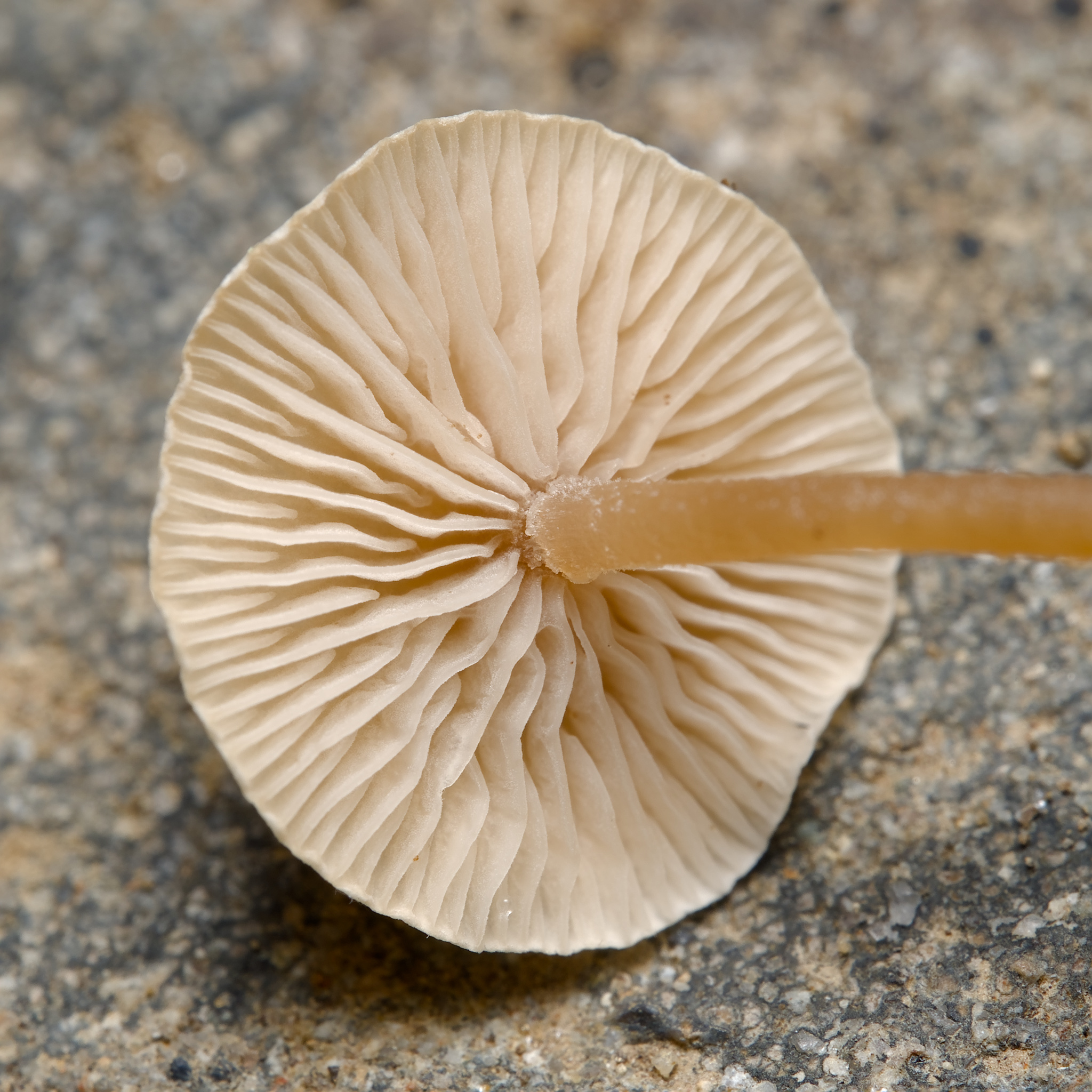
A gorgeous mycenoid pair, we can be pretty sure they belong to this genus at the least. Nice drippy stipes. Collected for general survey, these mycenoids can also be good indicators of more serious fall associated growth.
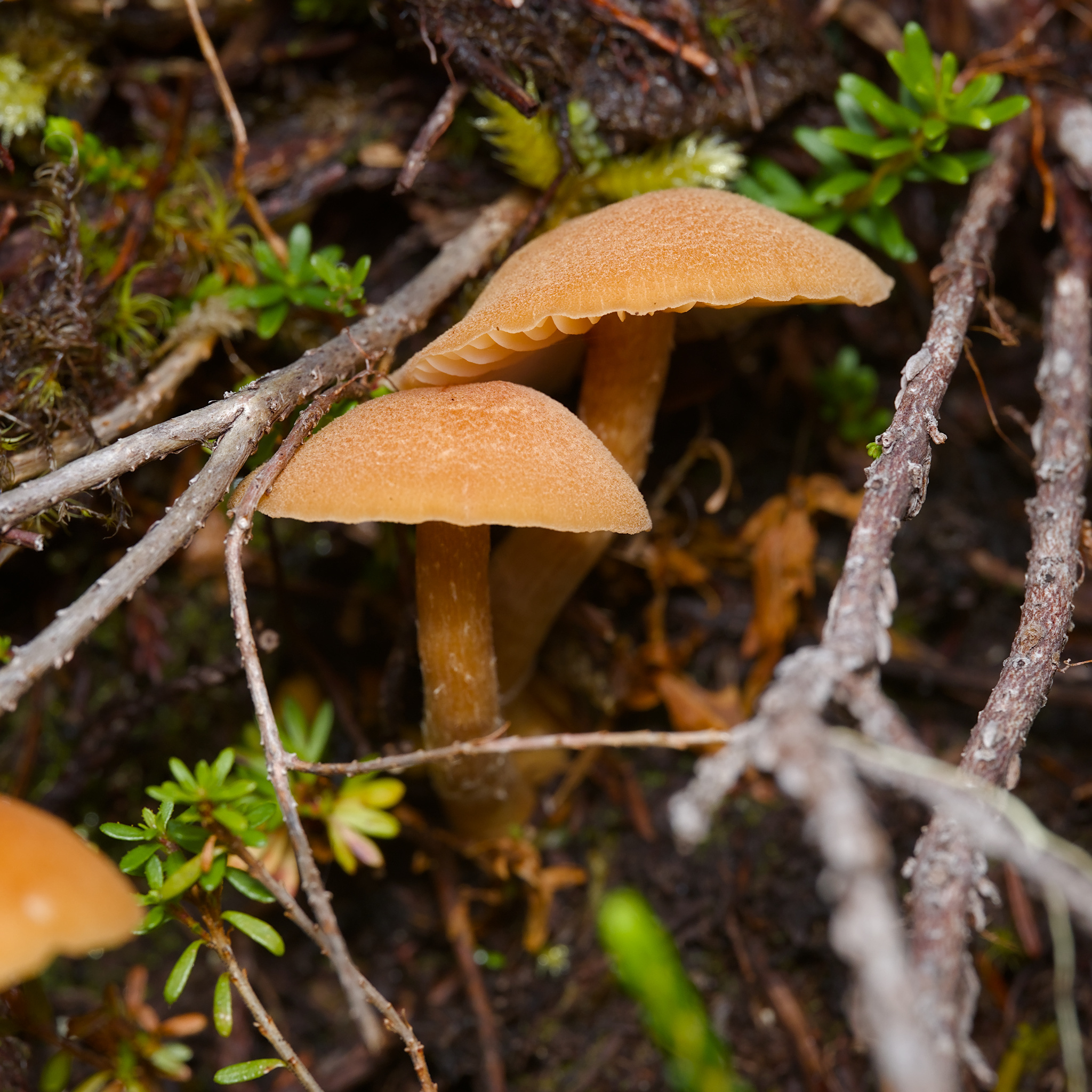
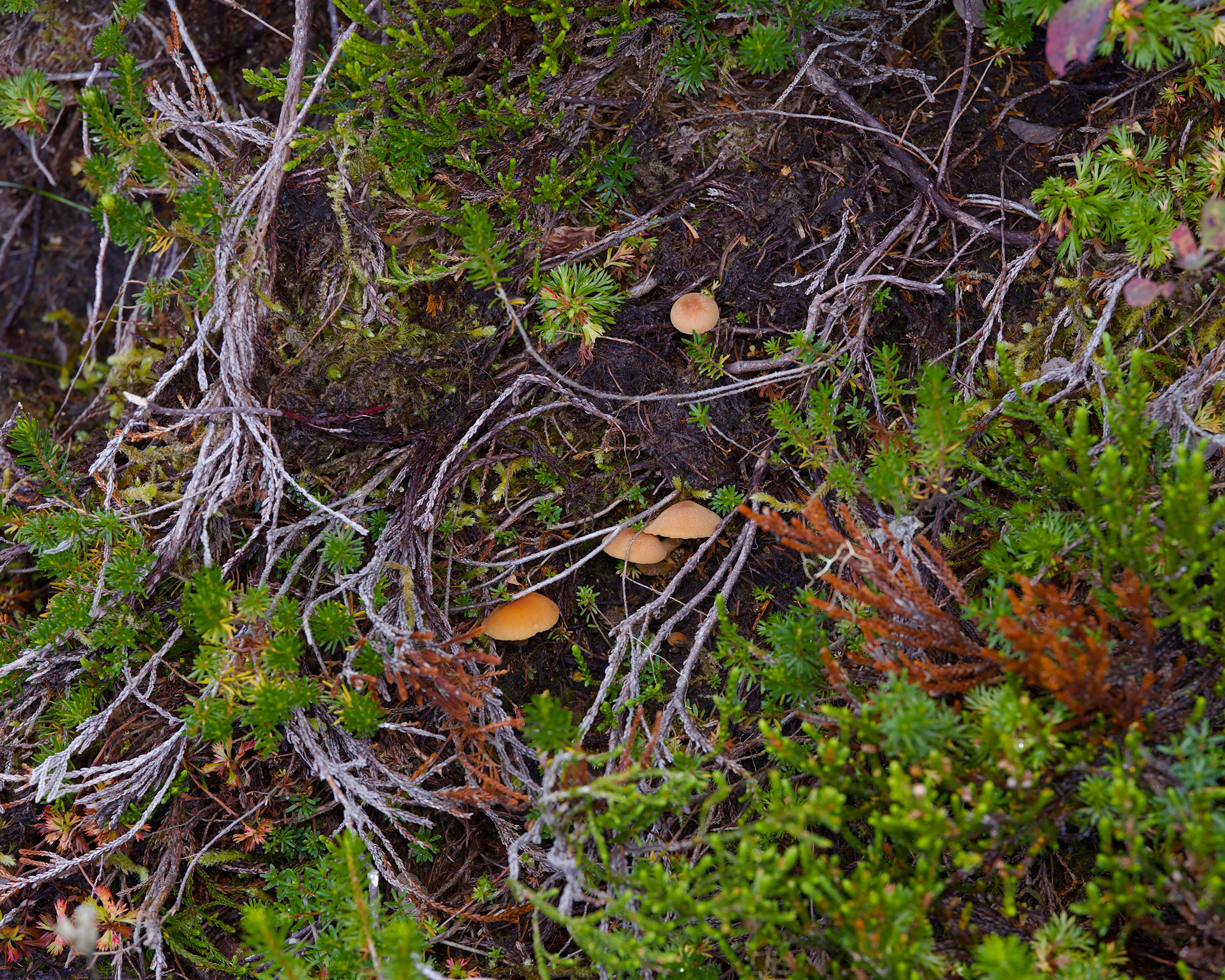
This collection illustrates the mature coloration of at least one morphology here. I suspect the peachier, sometimes pink-toned examples we've found at the same location are also this species.
Again perhaps G. 'sciophanus-PNW07'. Will be attempting to do some further research on the ecology here as described before.
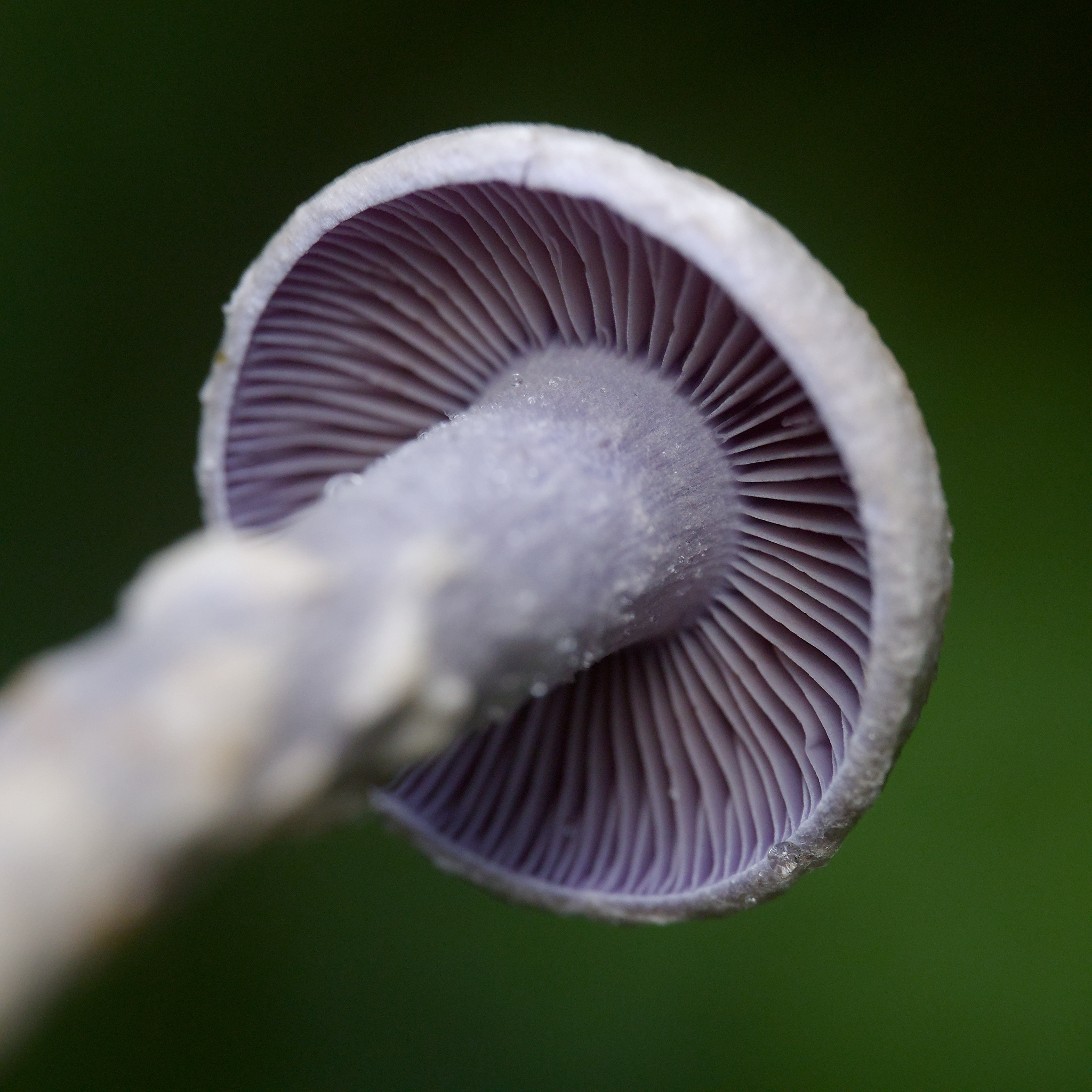
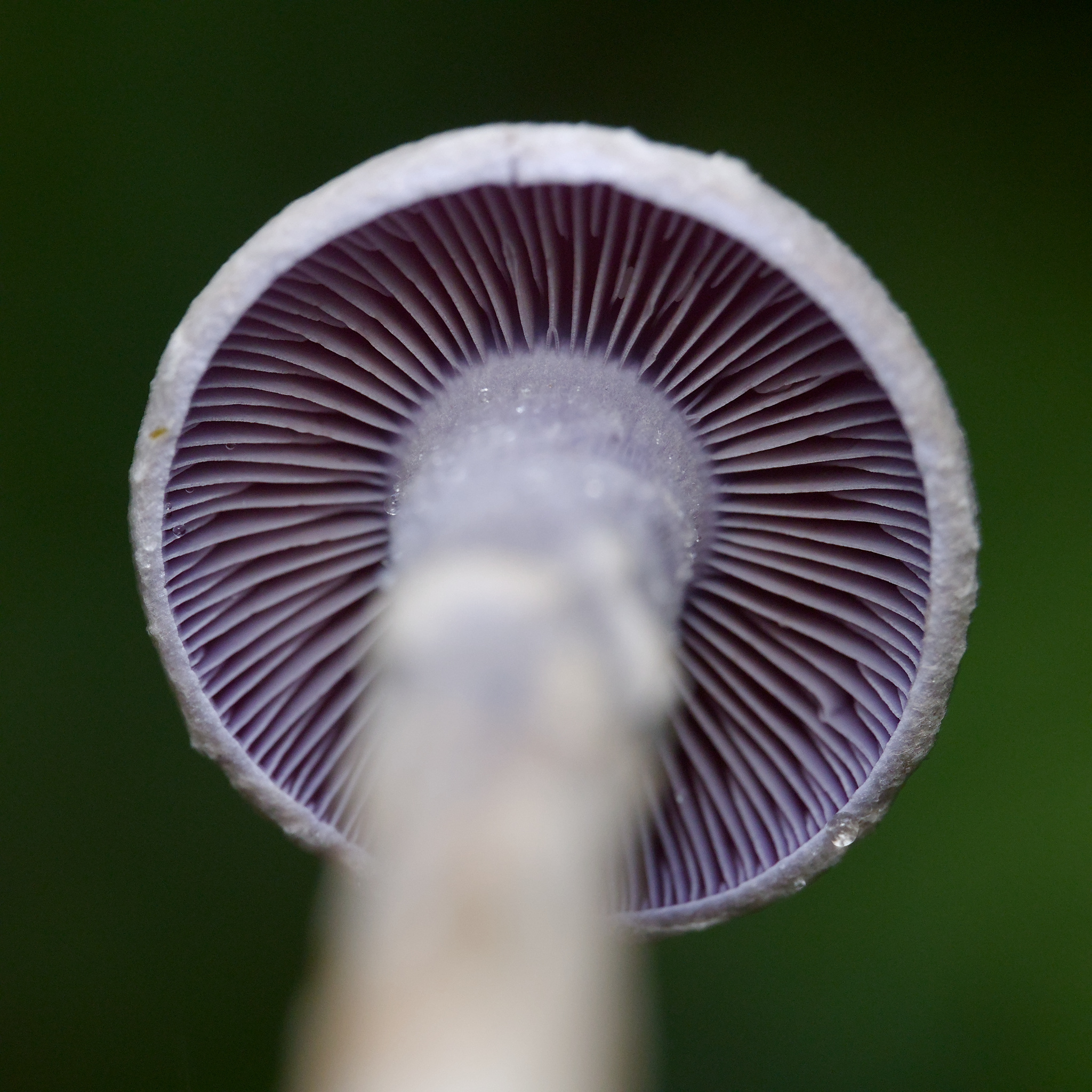
Here's this cute smaller purple Cort again. The Cort pros I know are still off the radar so I'm going to assume this is a Sericiocybe, something like C. anomalovelatus.
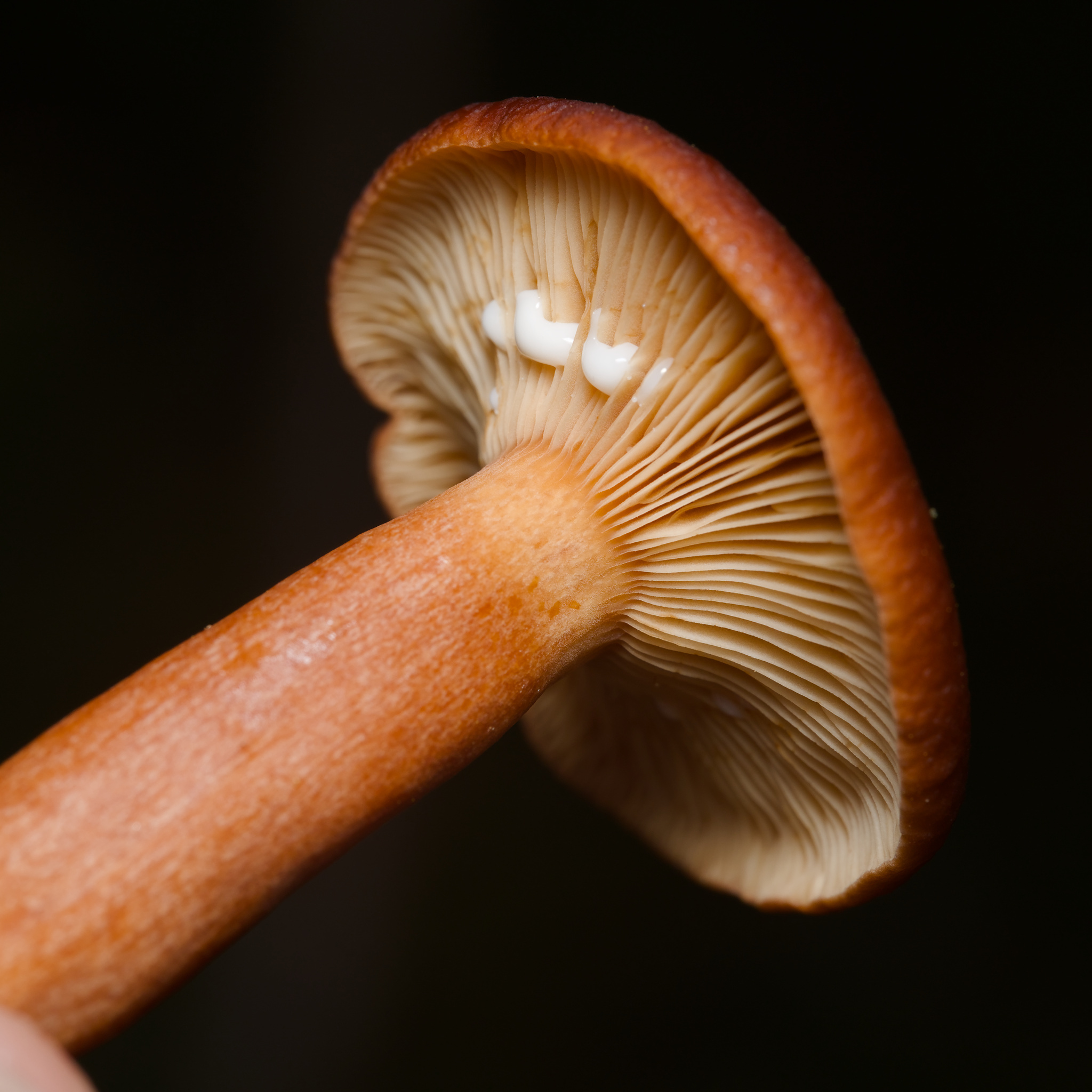
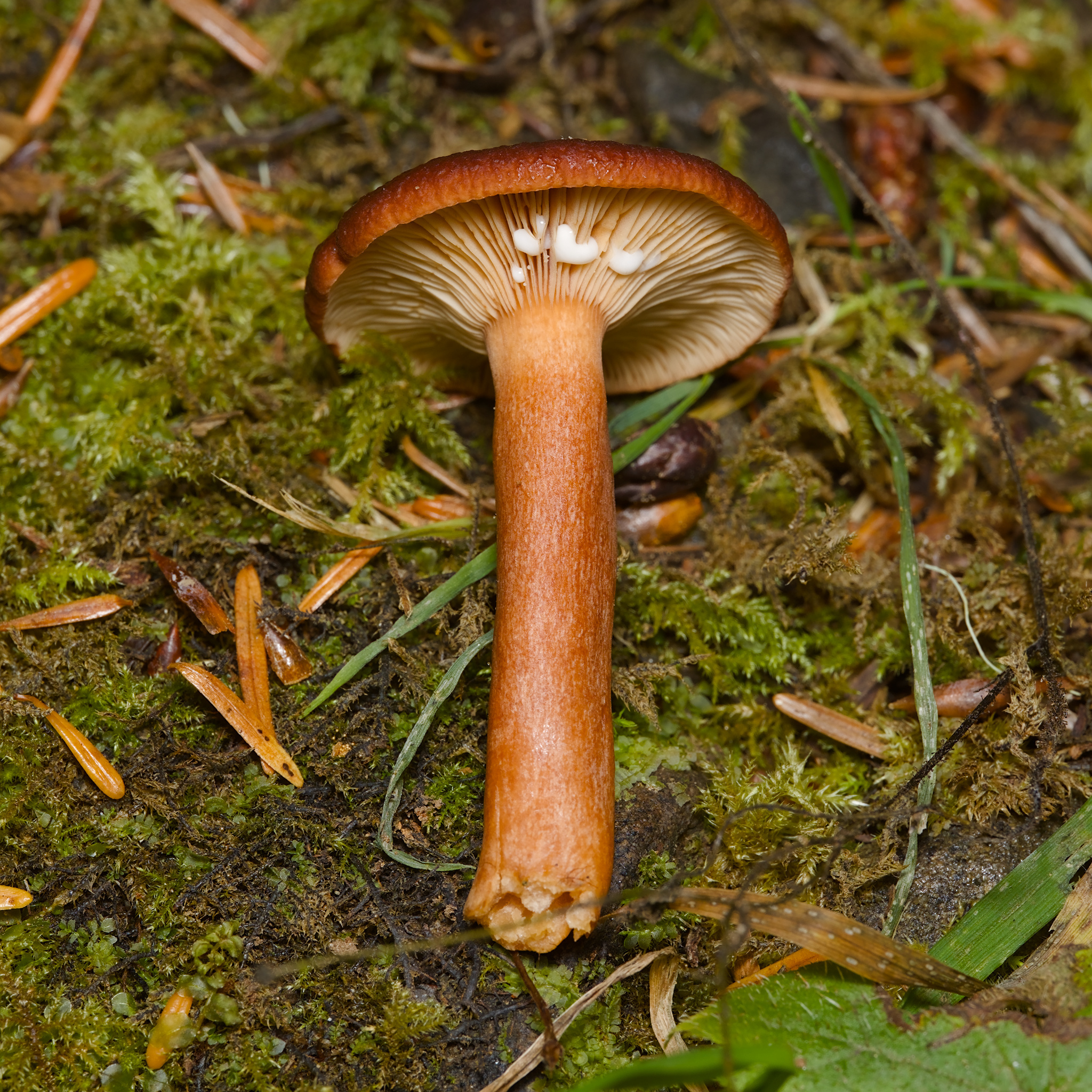
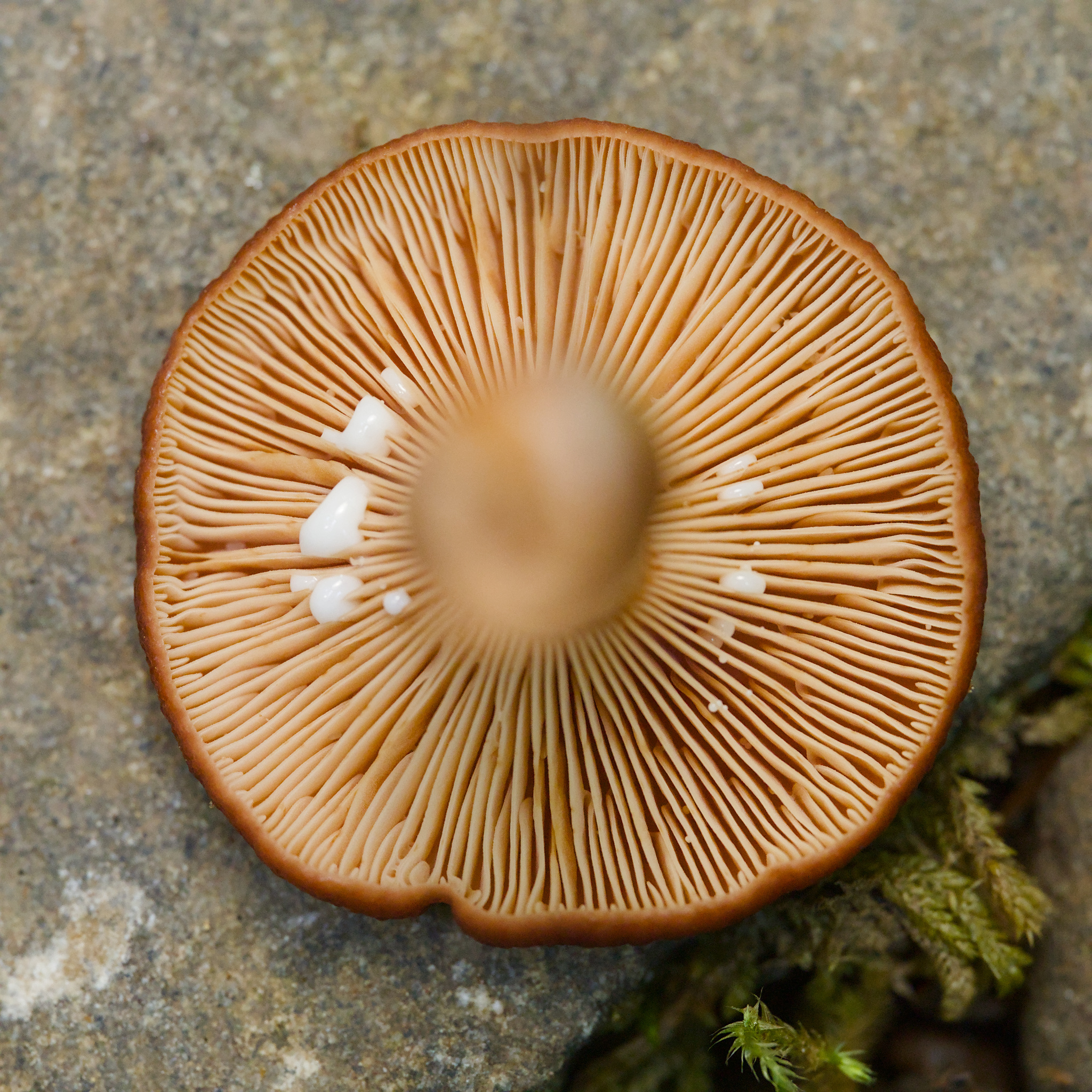
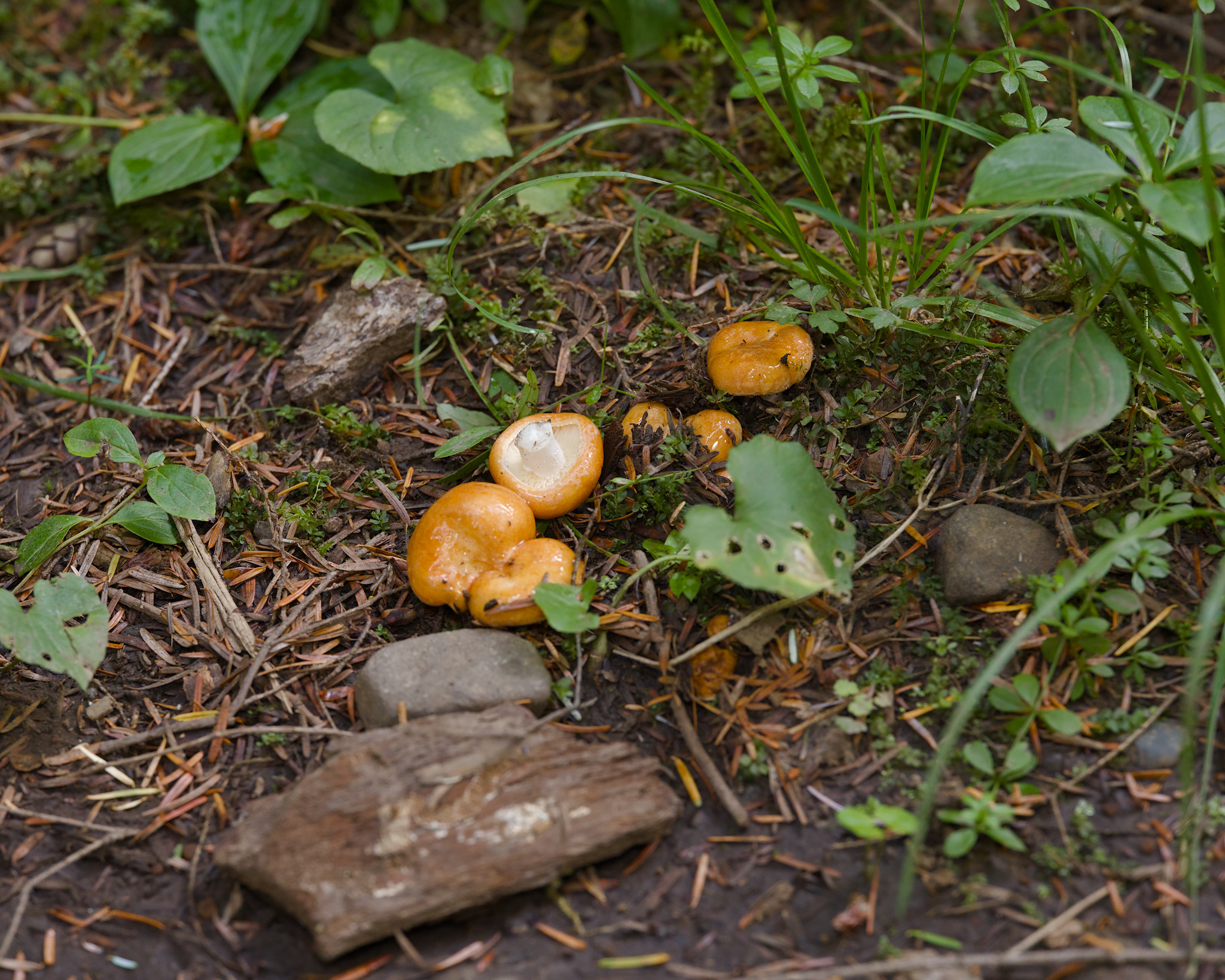
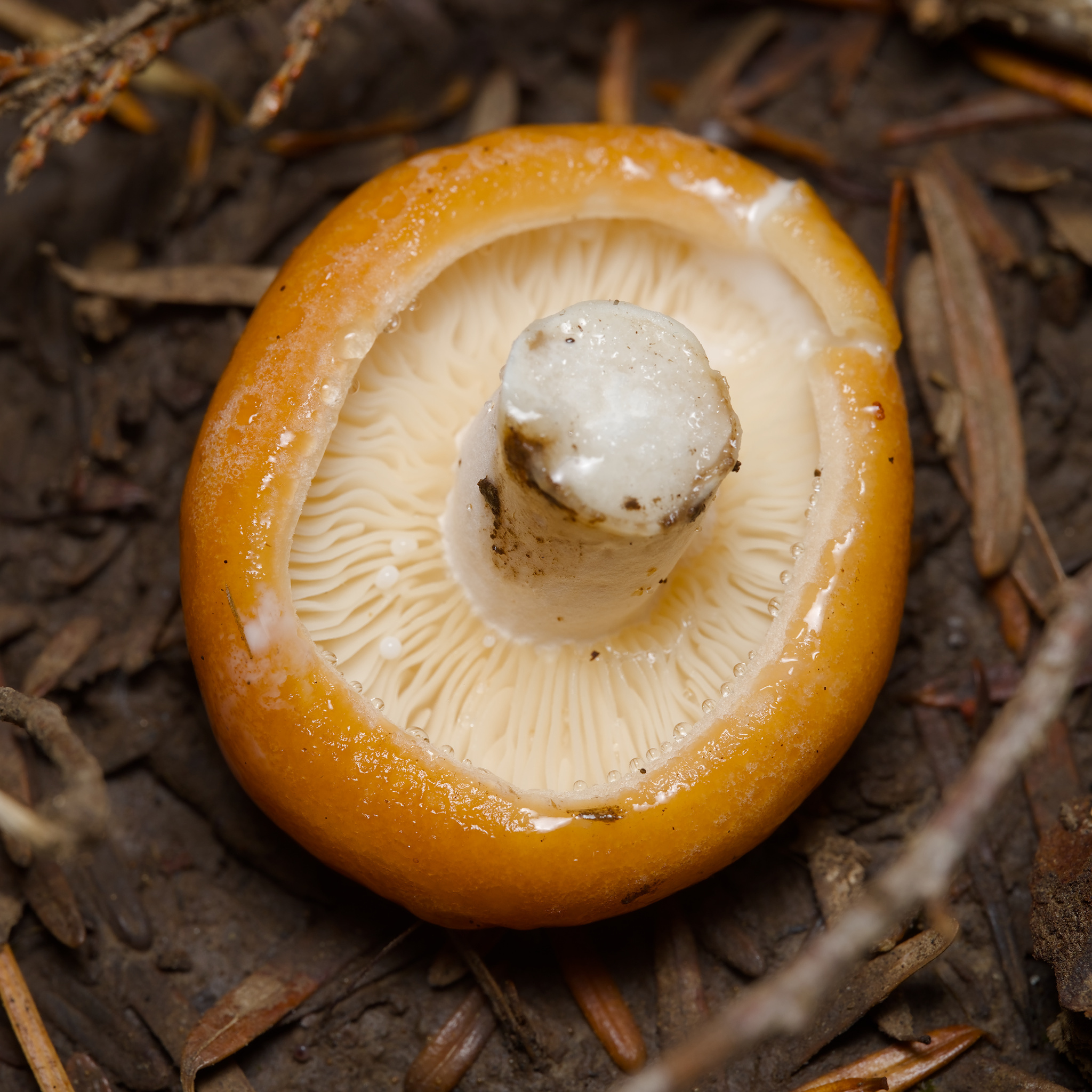
One of our plentiful orange Lactarius. This one looks like L. subviscidus or similar to me with the colors and textures present. I'm probably better at eyeballing Lactarius than Russula, but that's probably to be said of most people. Either way, just another good survey candidate. We will be collecting a small variety of orange Lactarius, again unless there's some special reason to collect more!
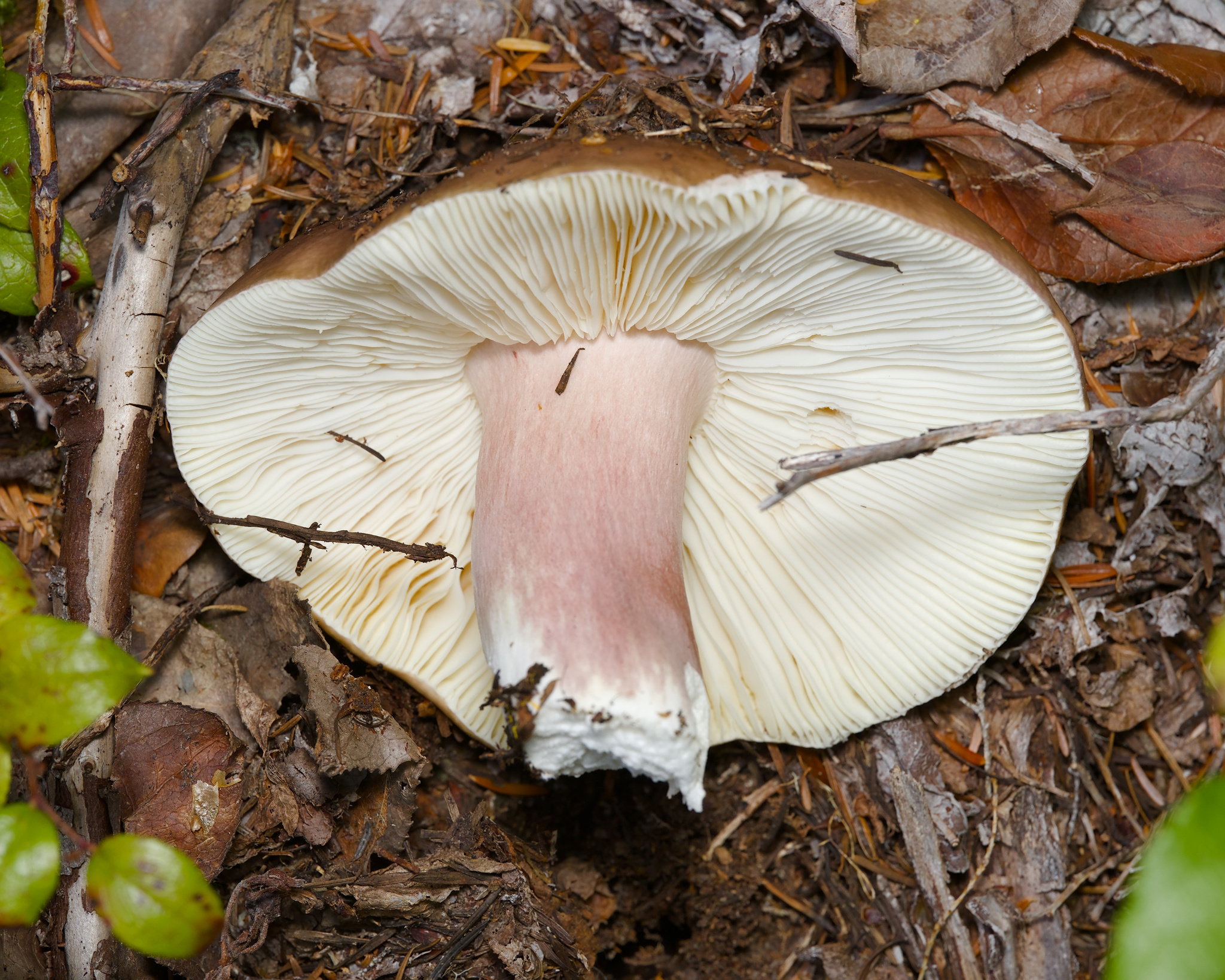
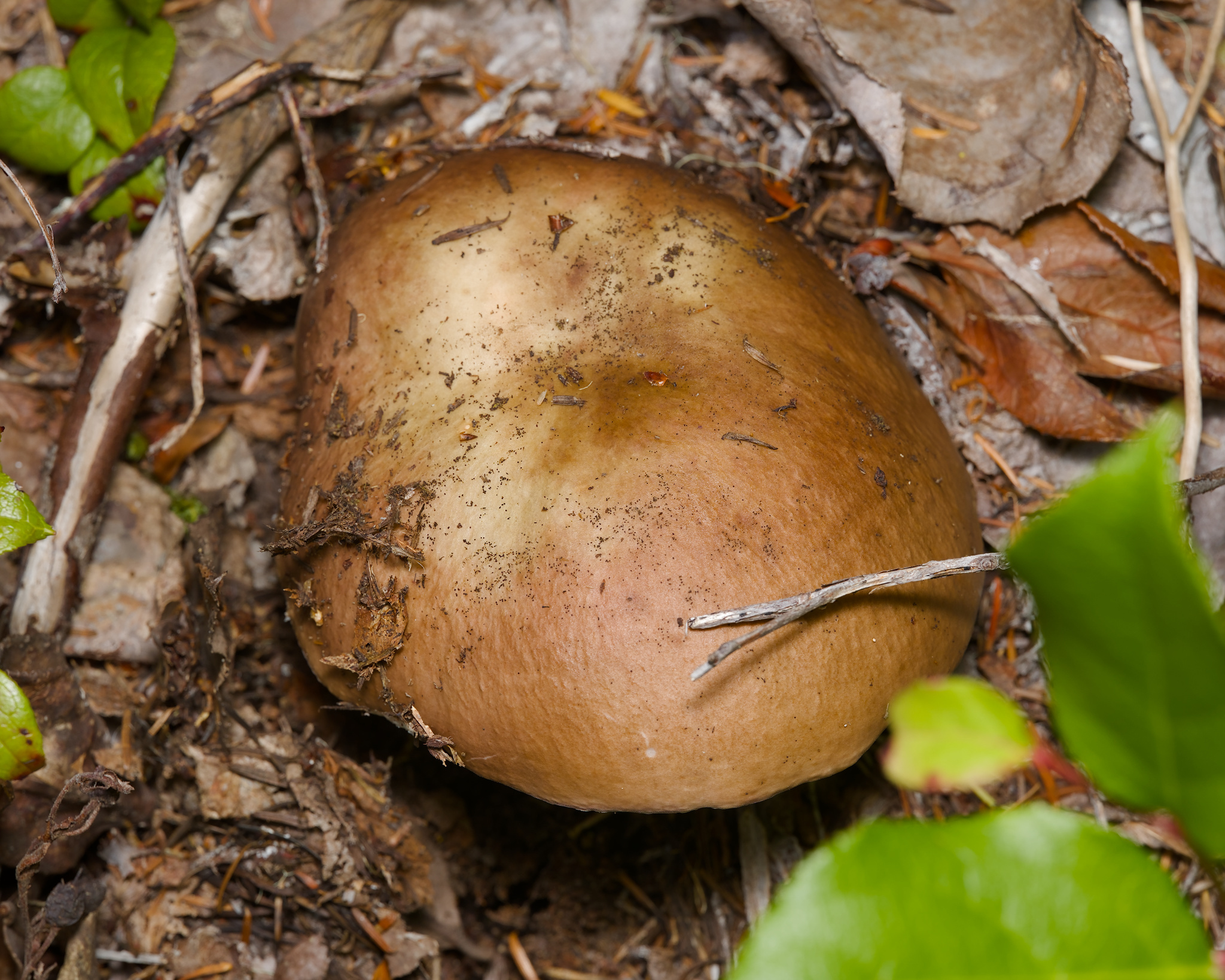
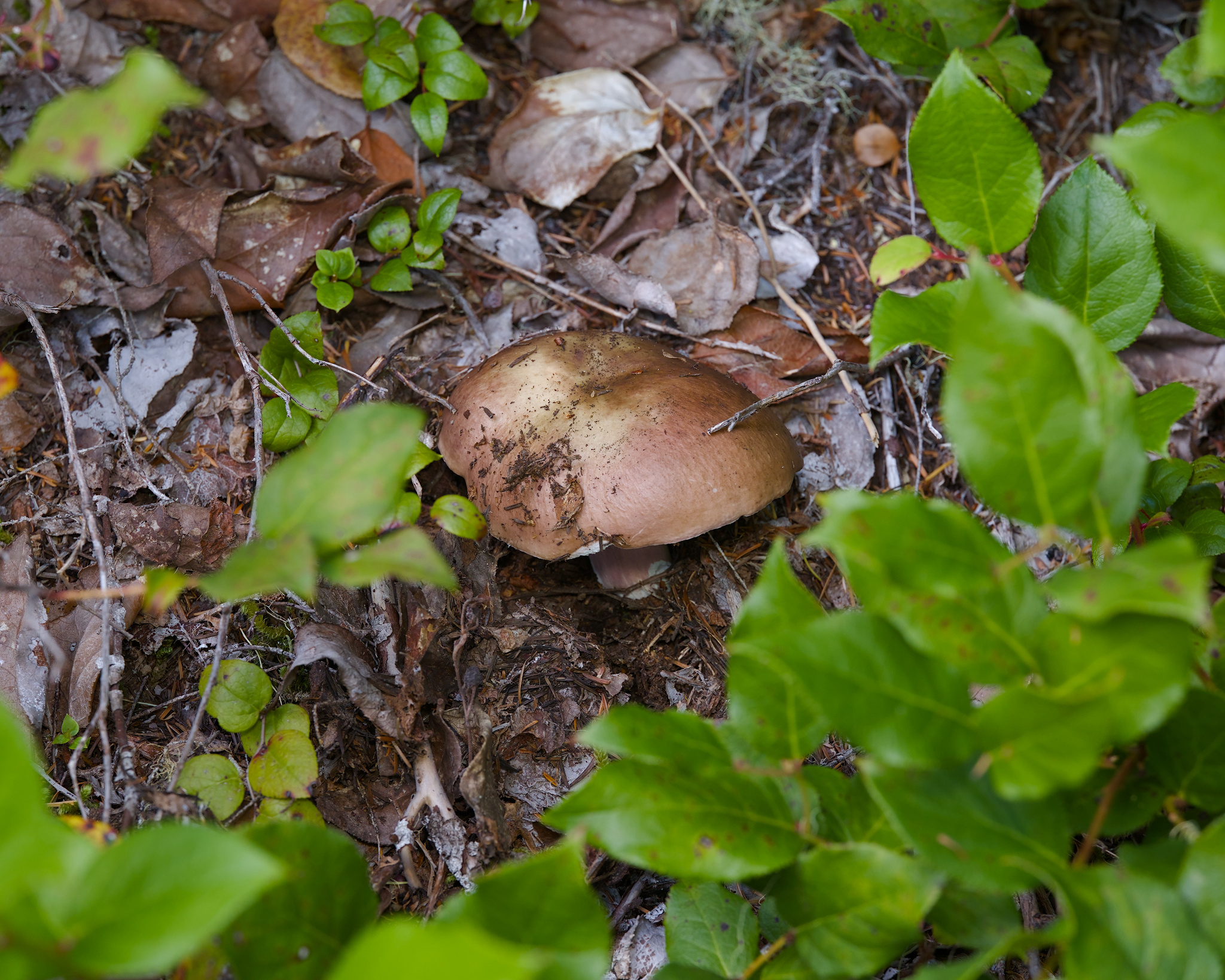
A handsome little Russula with a seemingly tan or brown ish cap and a lightly blushing stipe. (Or flushed stipe) Perhaps towards R. 'viridofusca'?
Maybe just an immature fruiting of a slightly different colored species with a blushing stipe, which still does help a bit with direction in the genus.
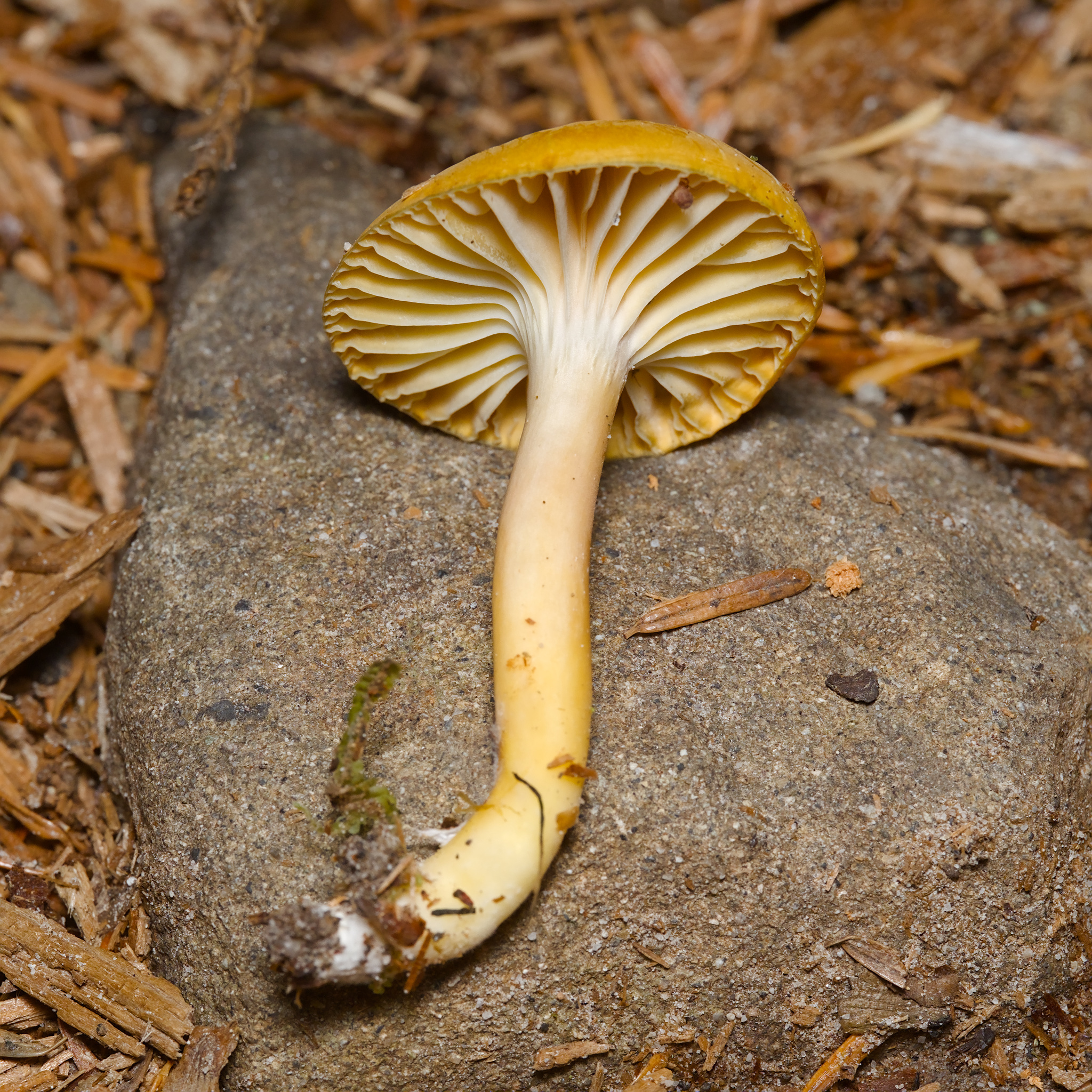
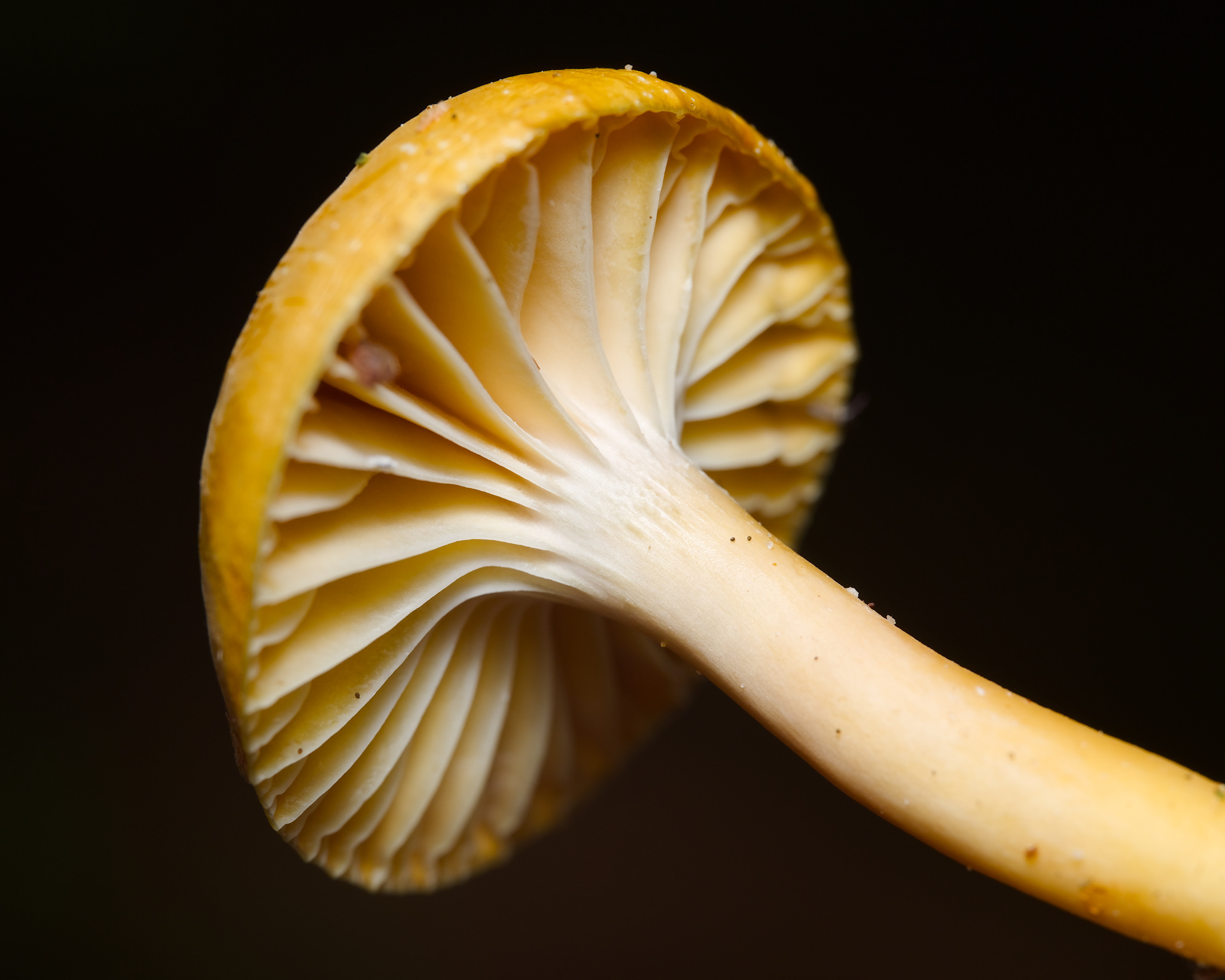
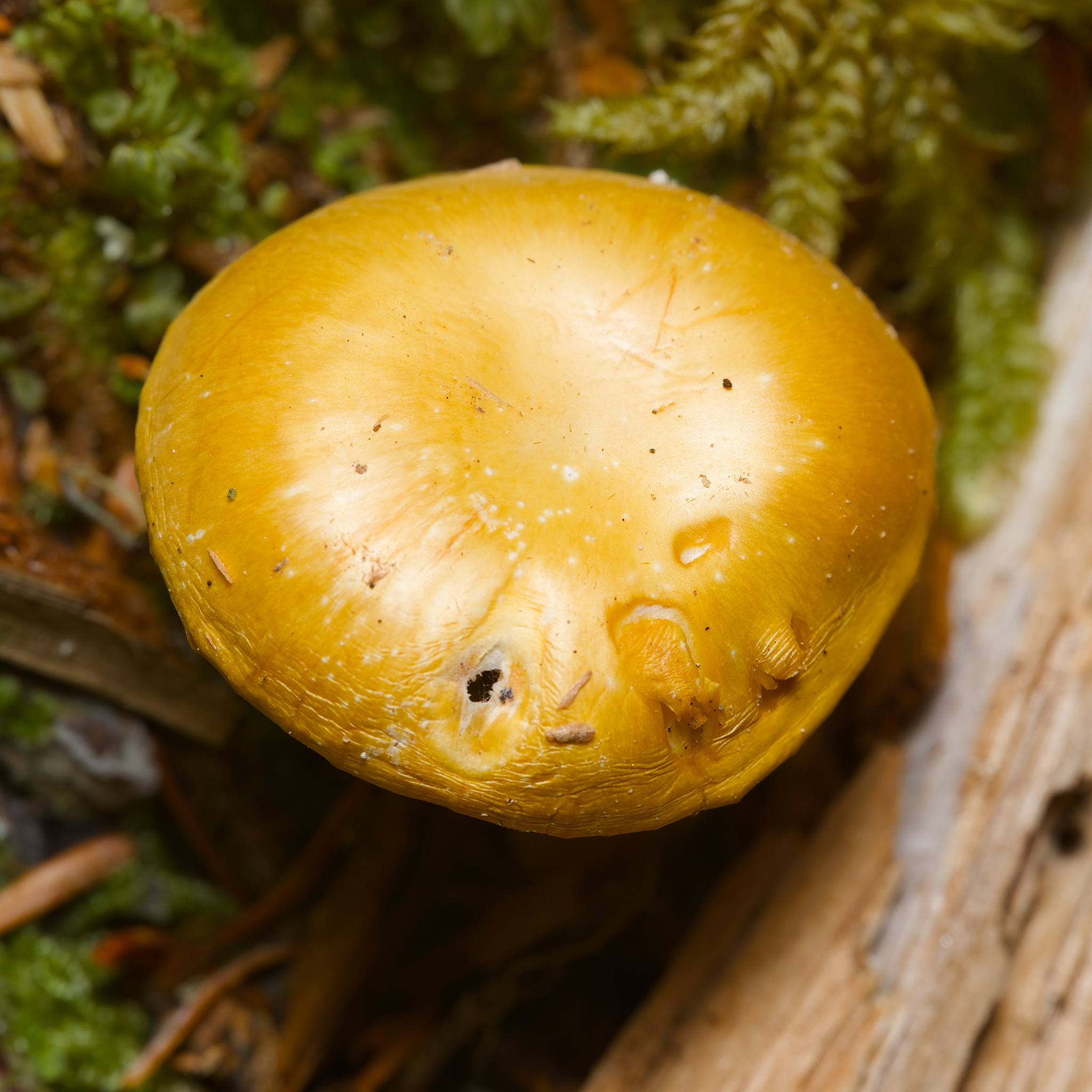
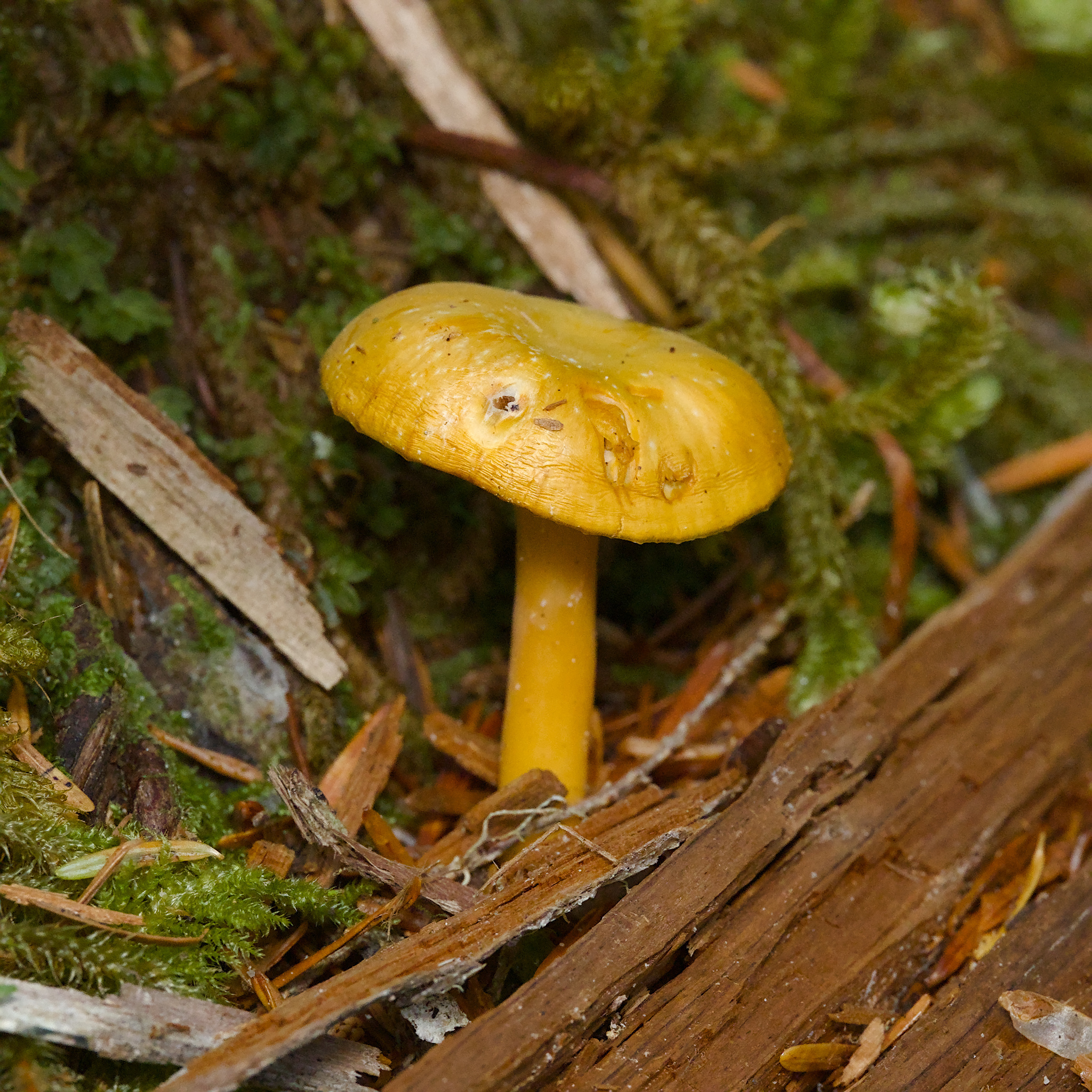
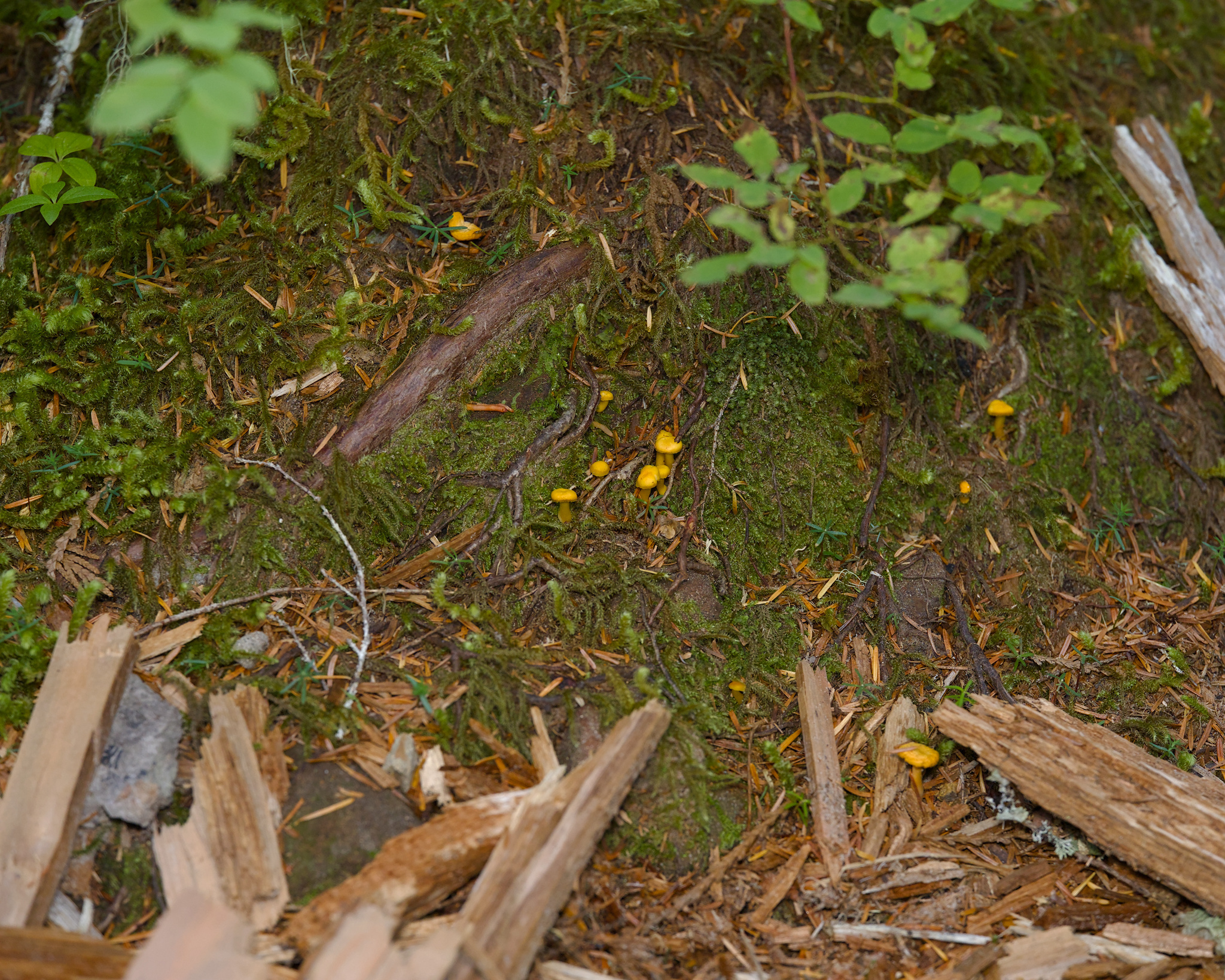
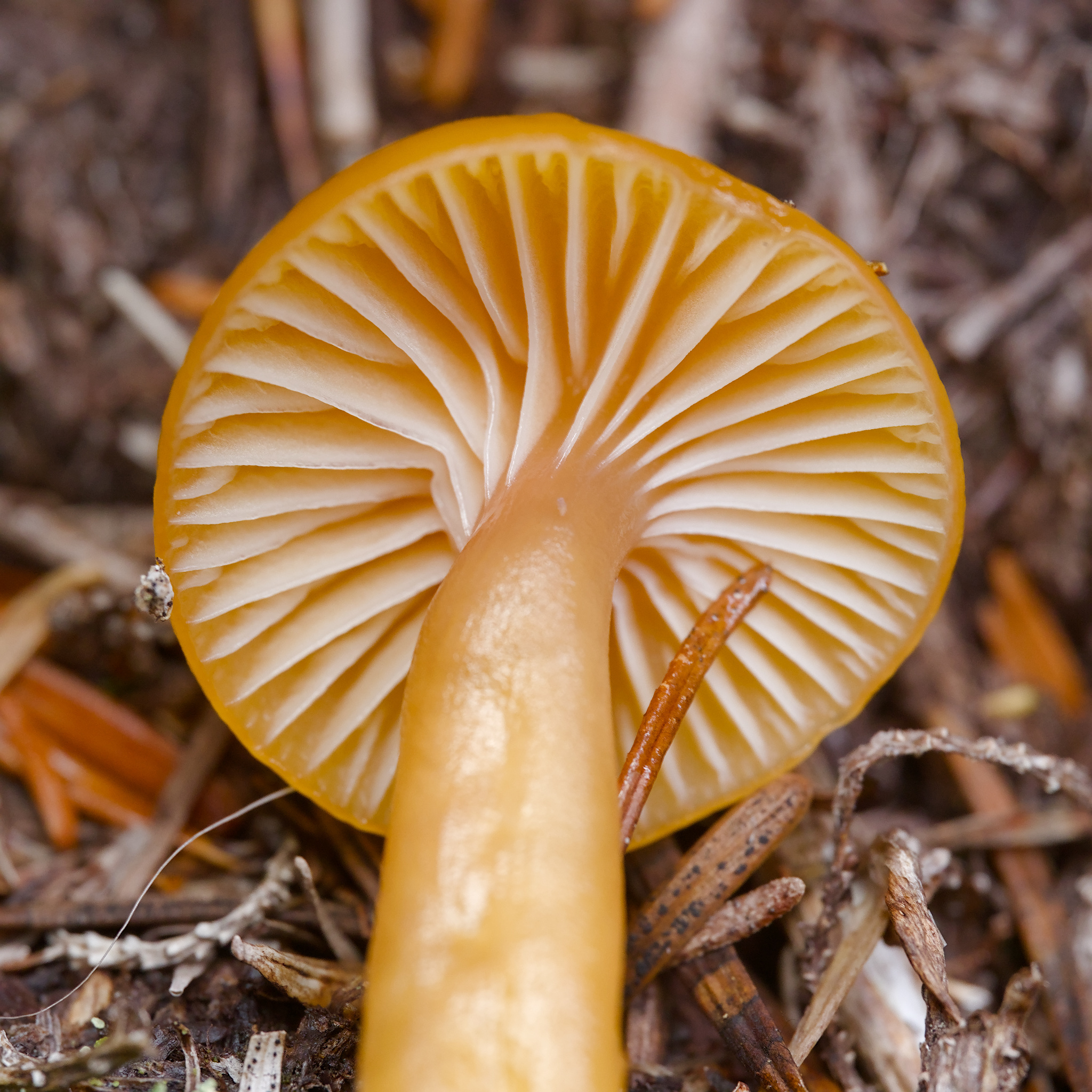
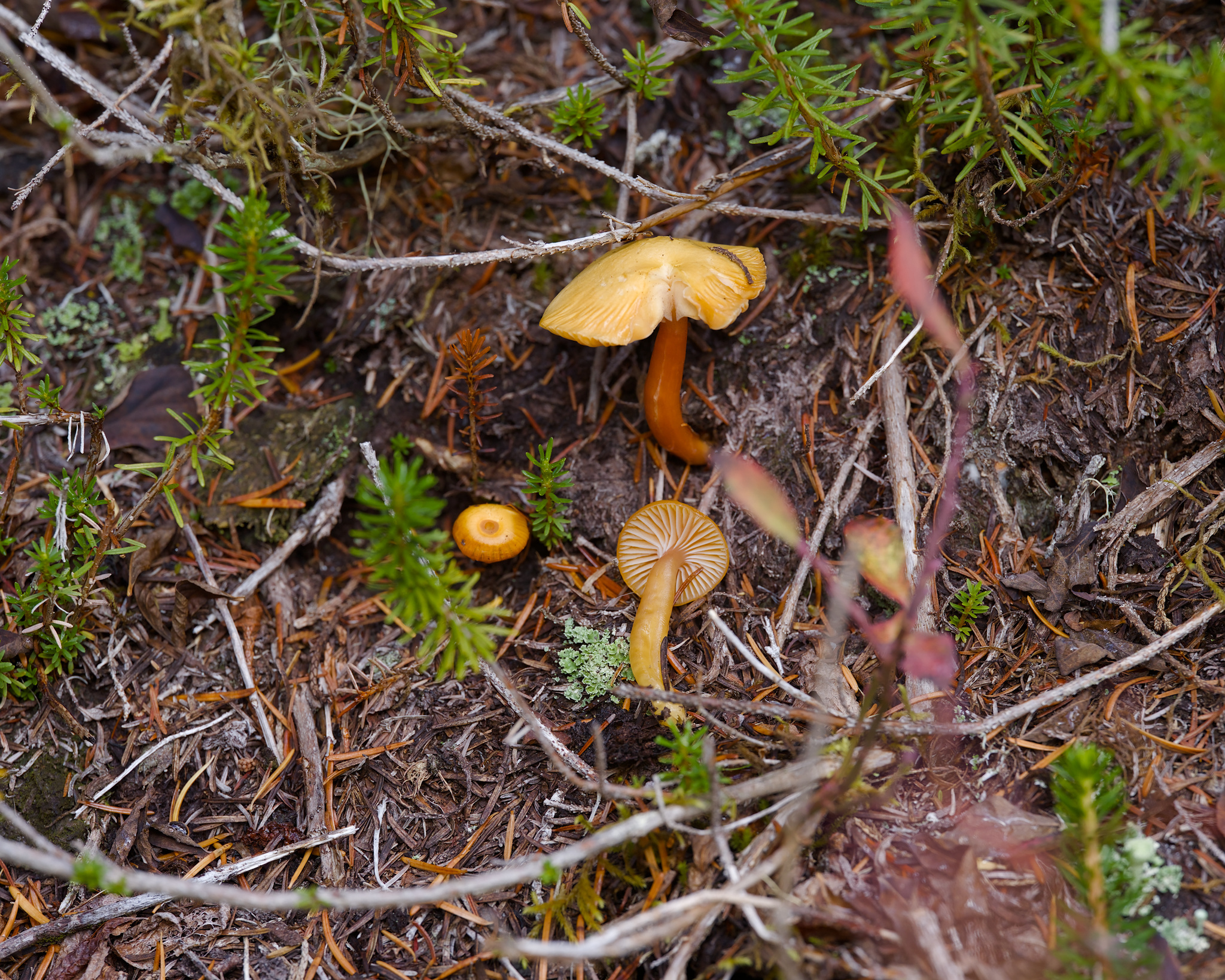
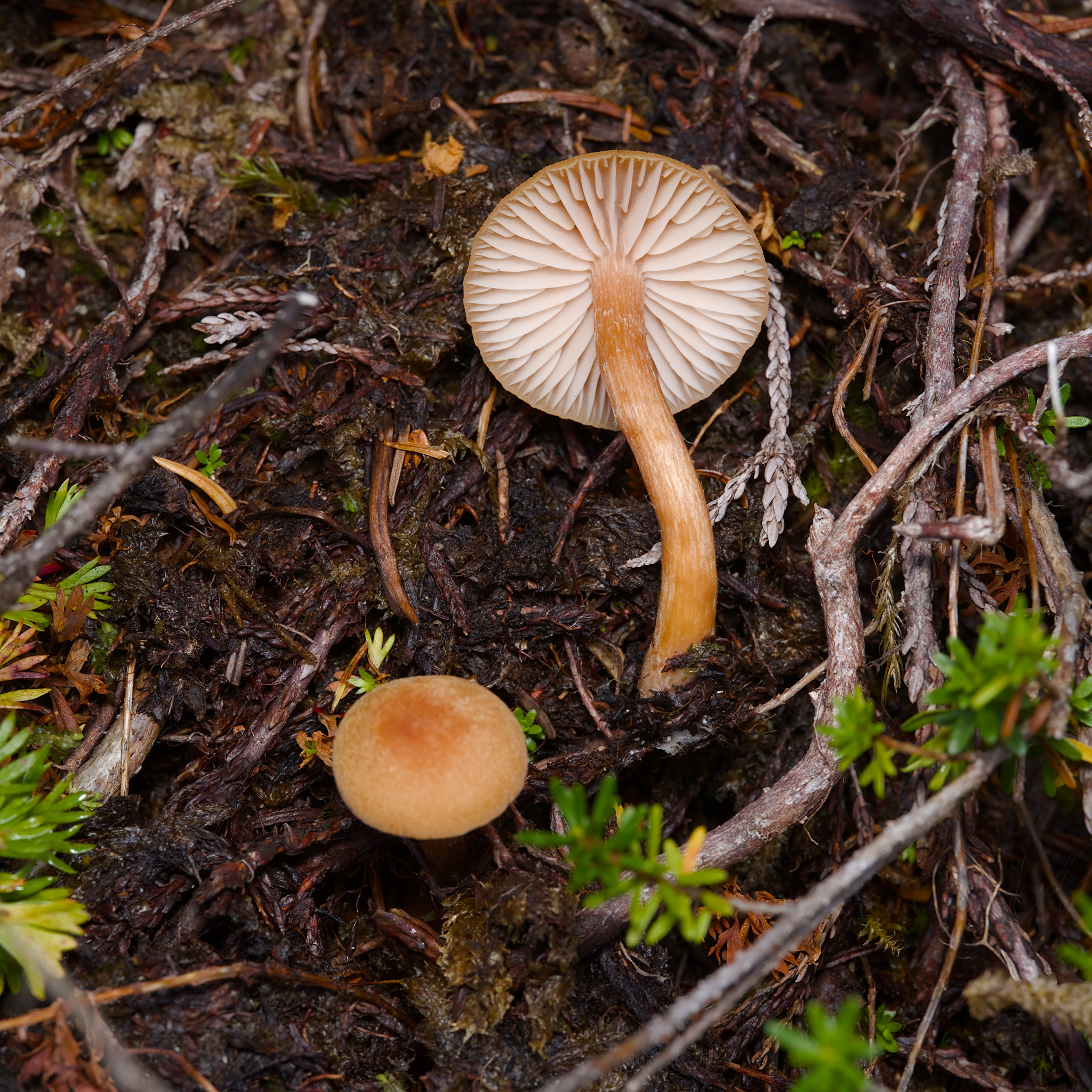
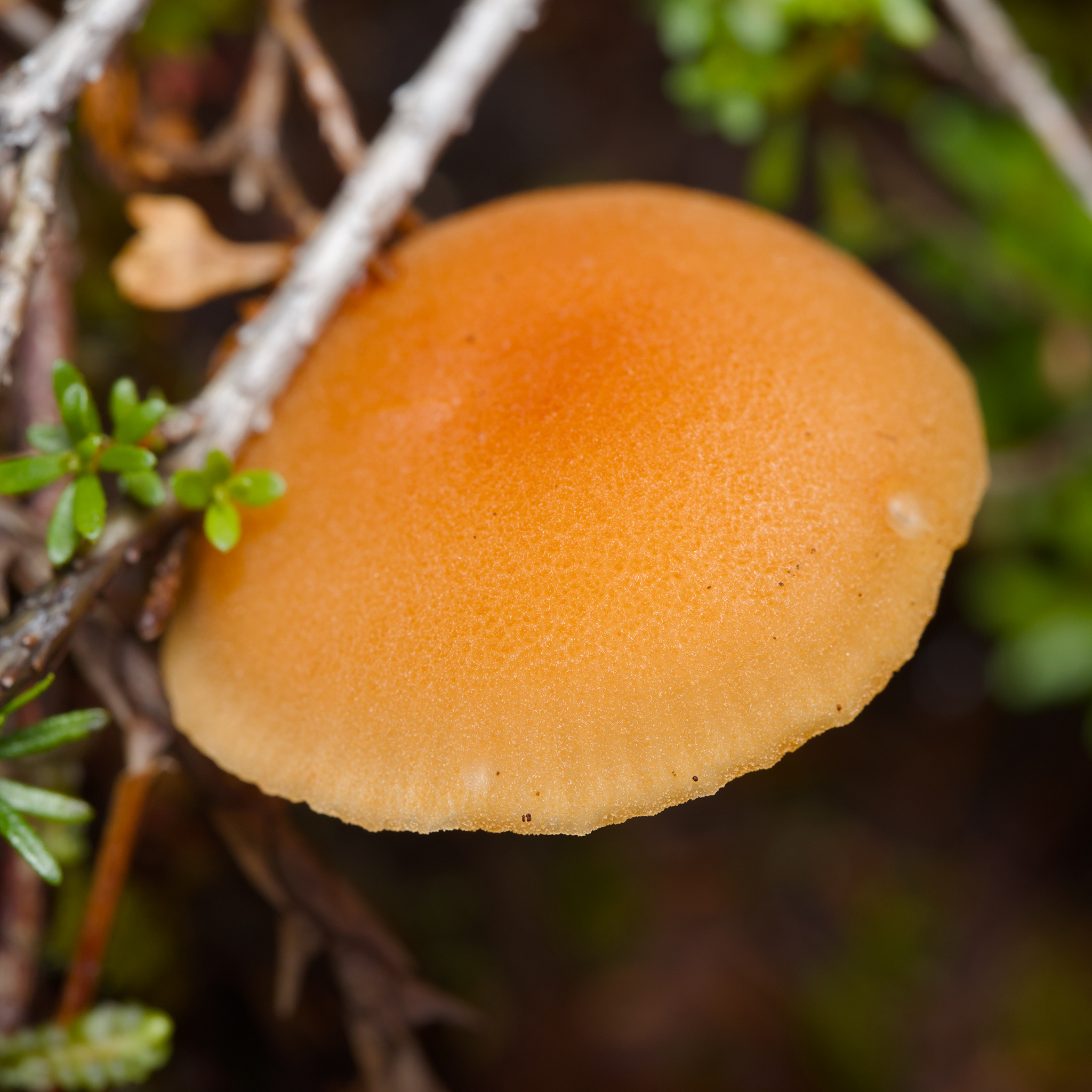
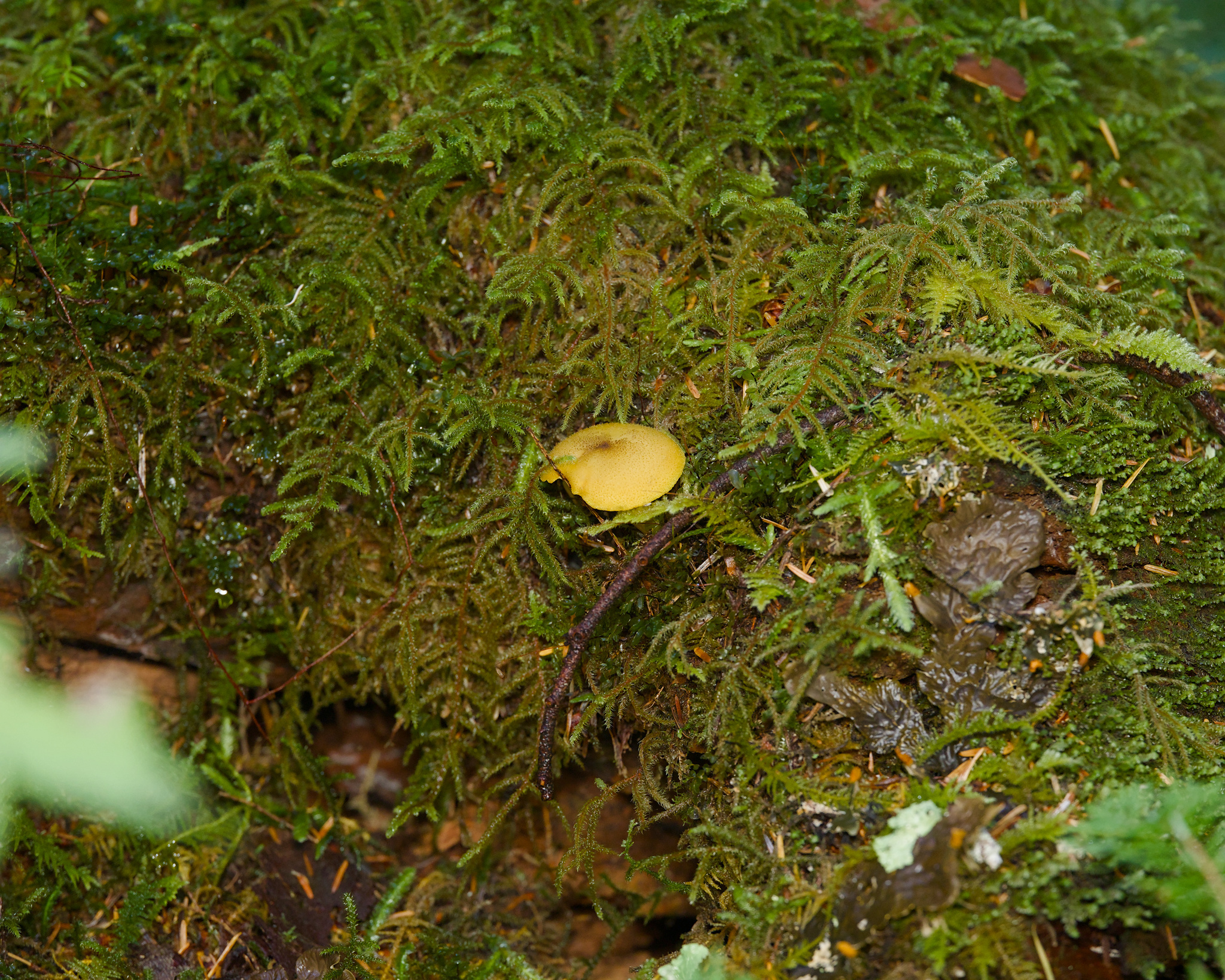
Looks a bit omphalinoid but I think Brodie and I were both questioning if this was a dry Hygrophoraceae, such as Chrysomphalina?
However, it does not immediately resemble other collections I've made in the genus and Brodie agrees. Some slight differences in color, stature, even the gills and attachment to some degree. We shall see where she lands!
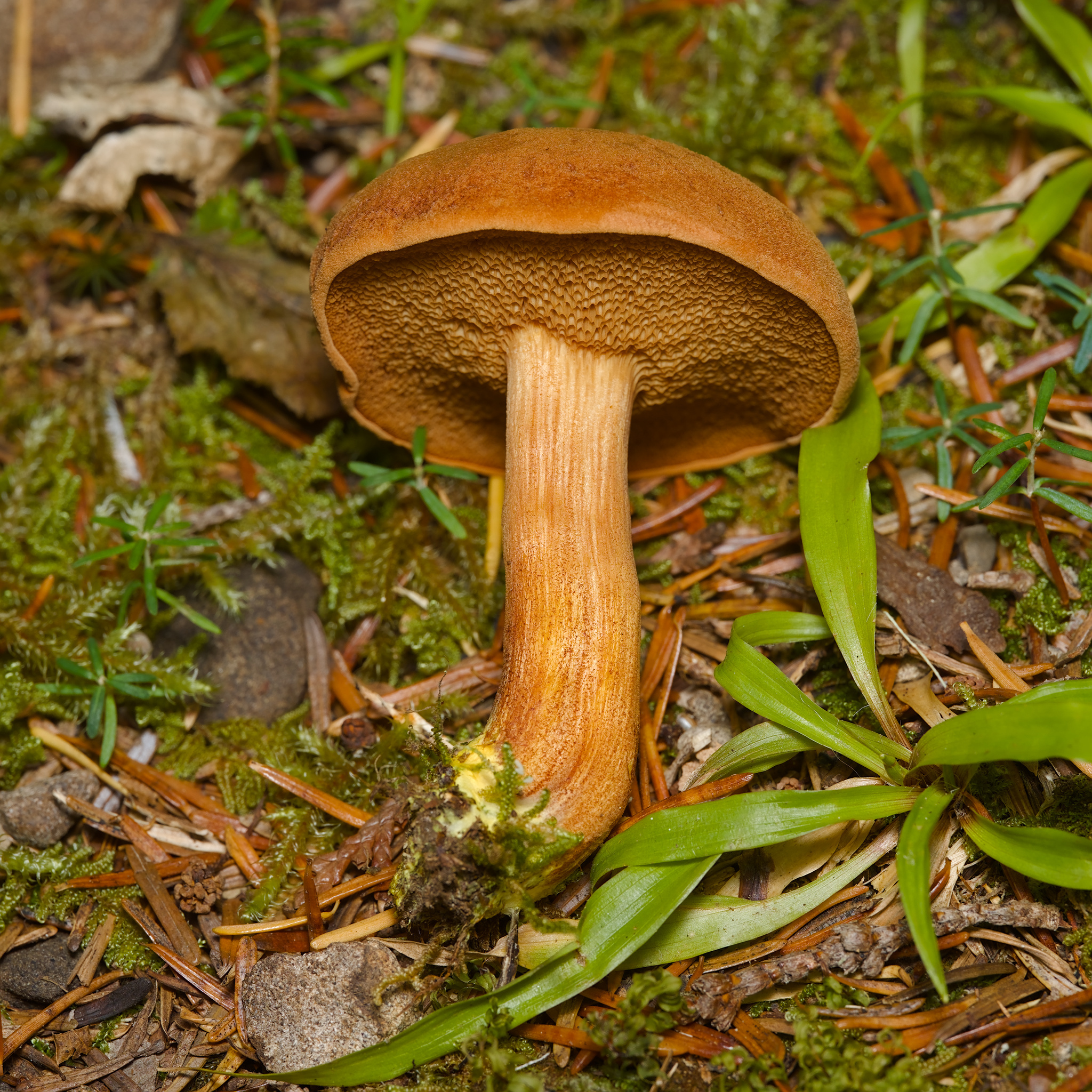
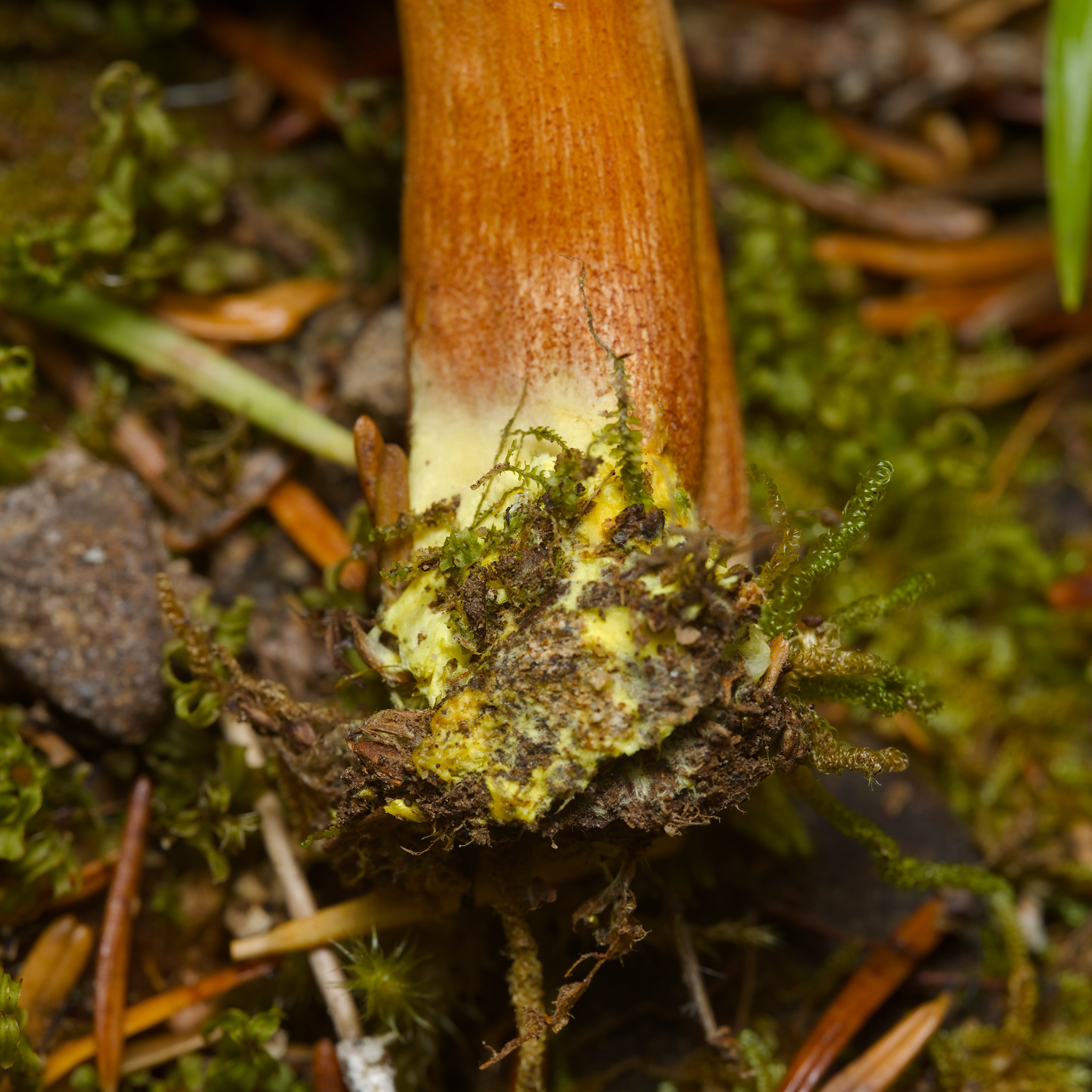
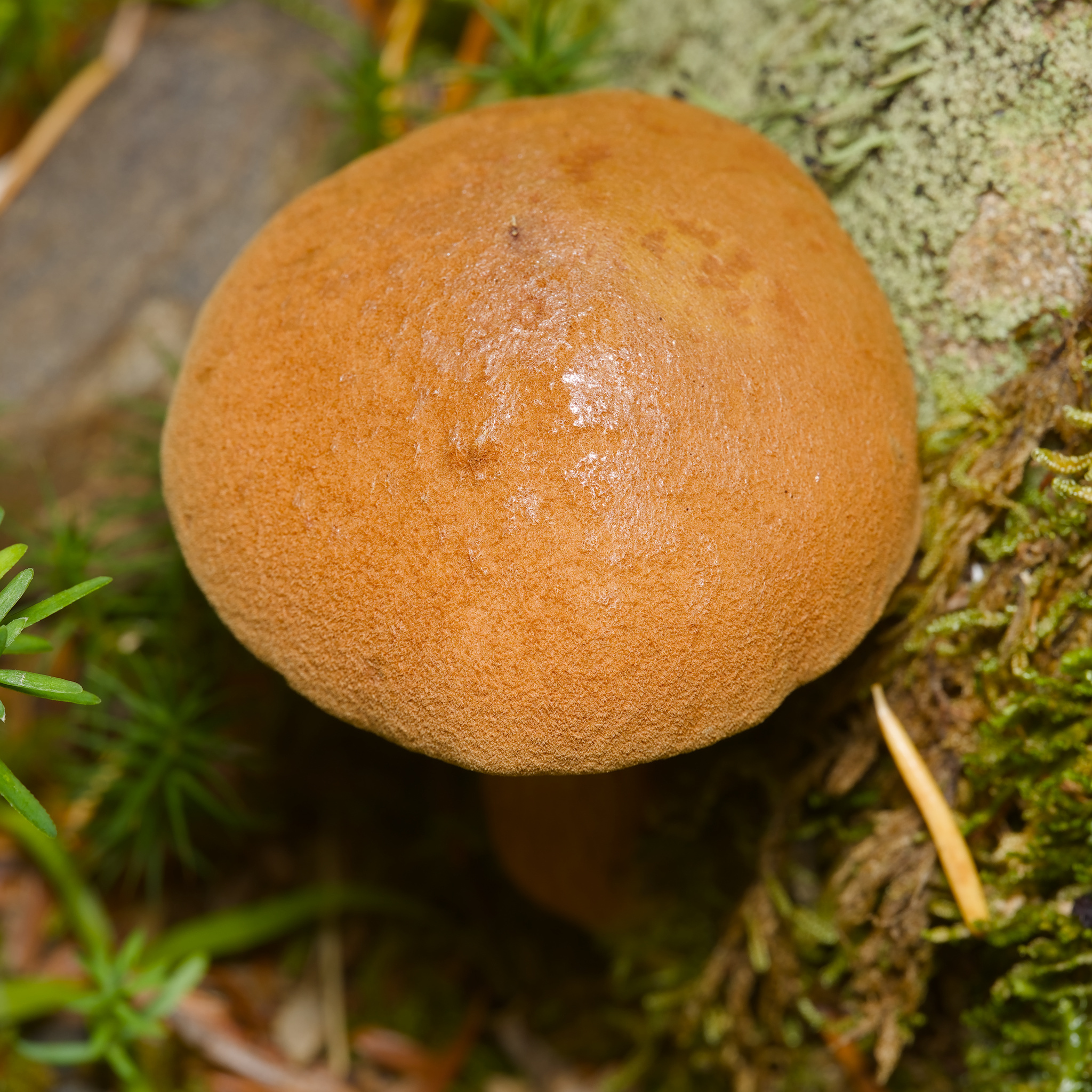
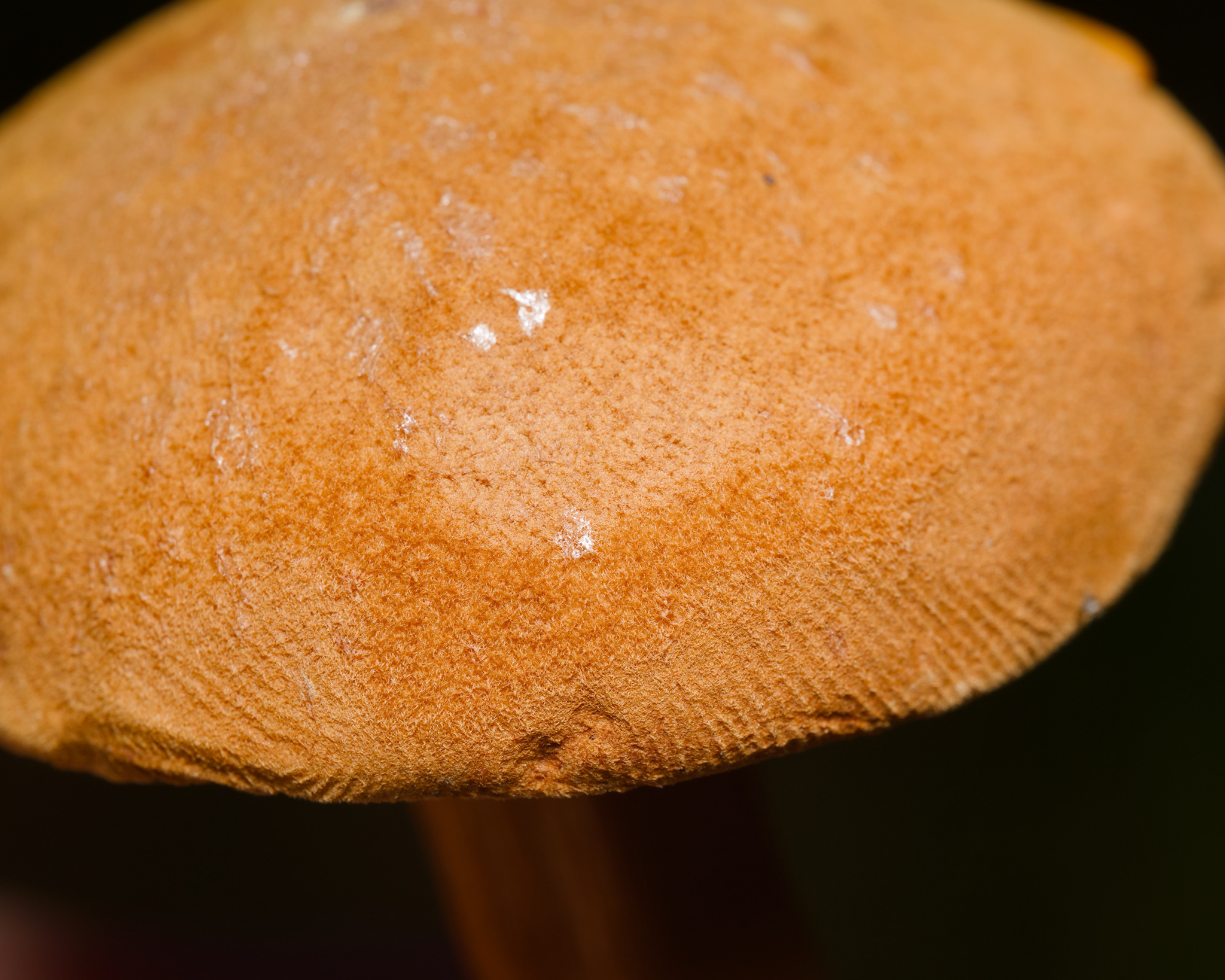
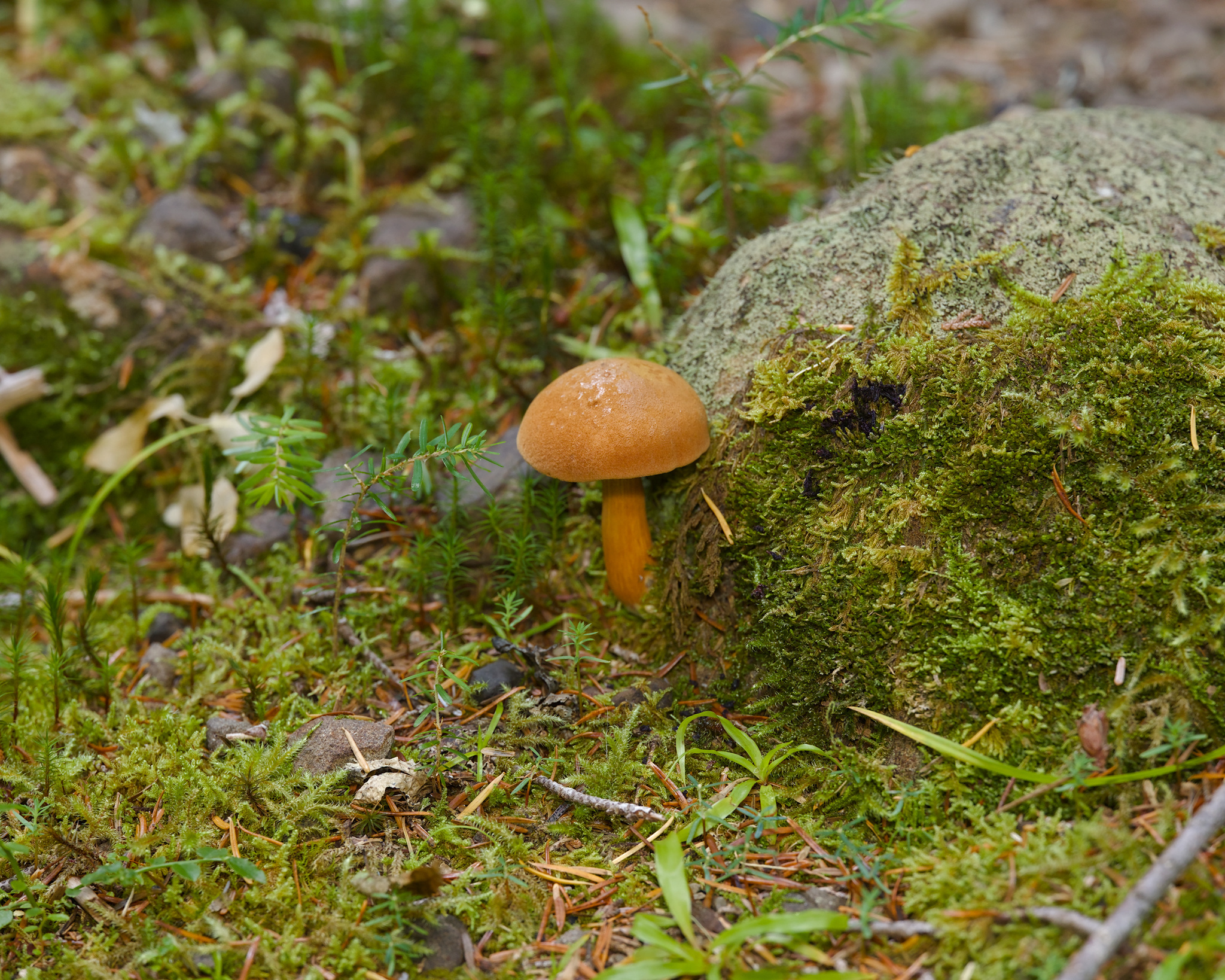
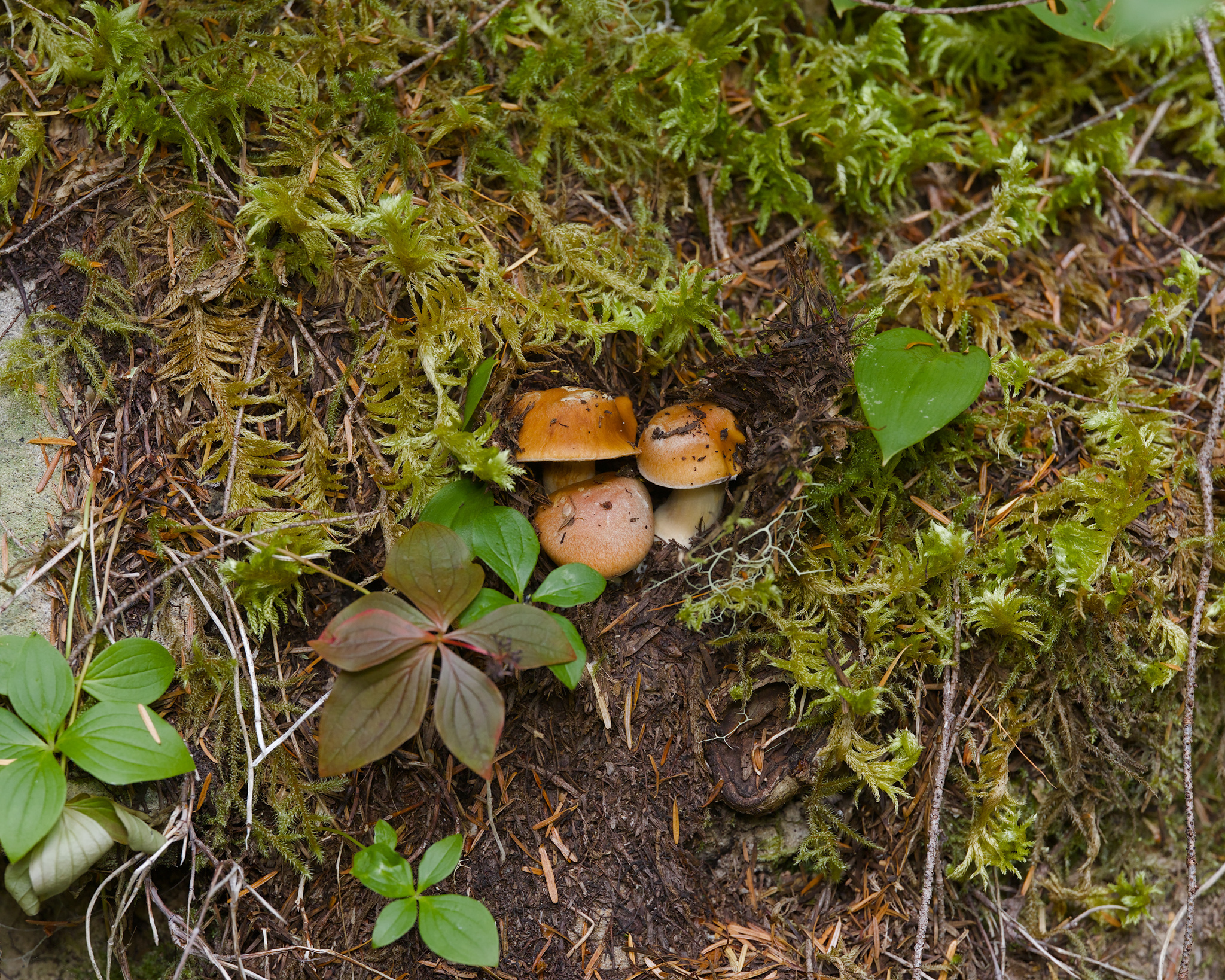
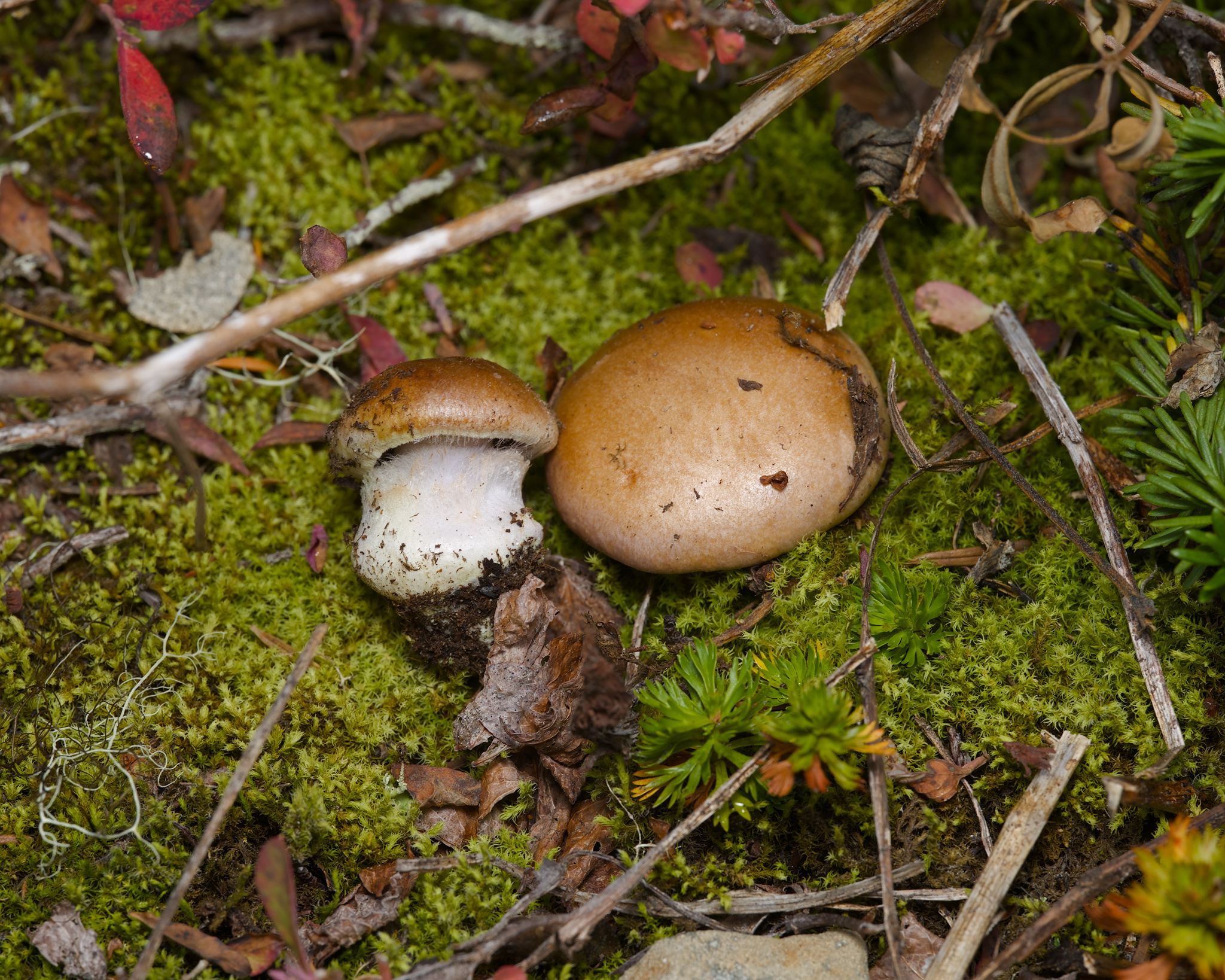
Despite it probably being relatively common, I do not see this genus very often. I believe in the years that I lived in WA I only saw it twice. Good to have an example of what is likely this species, for our bolete portion of the survey.
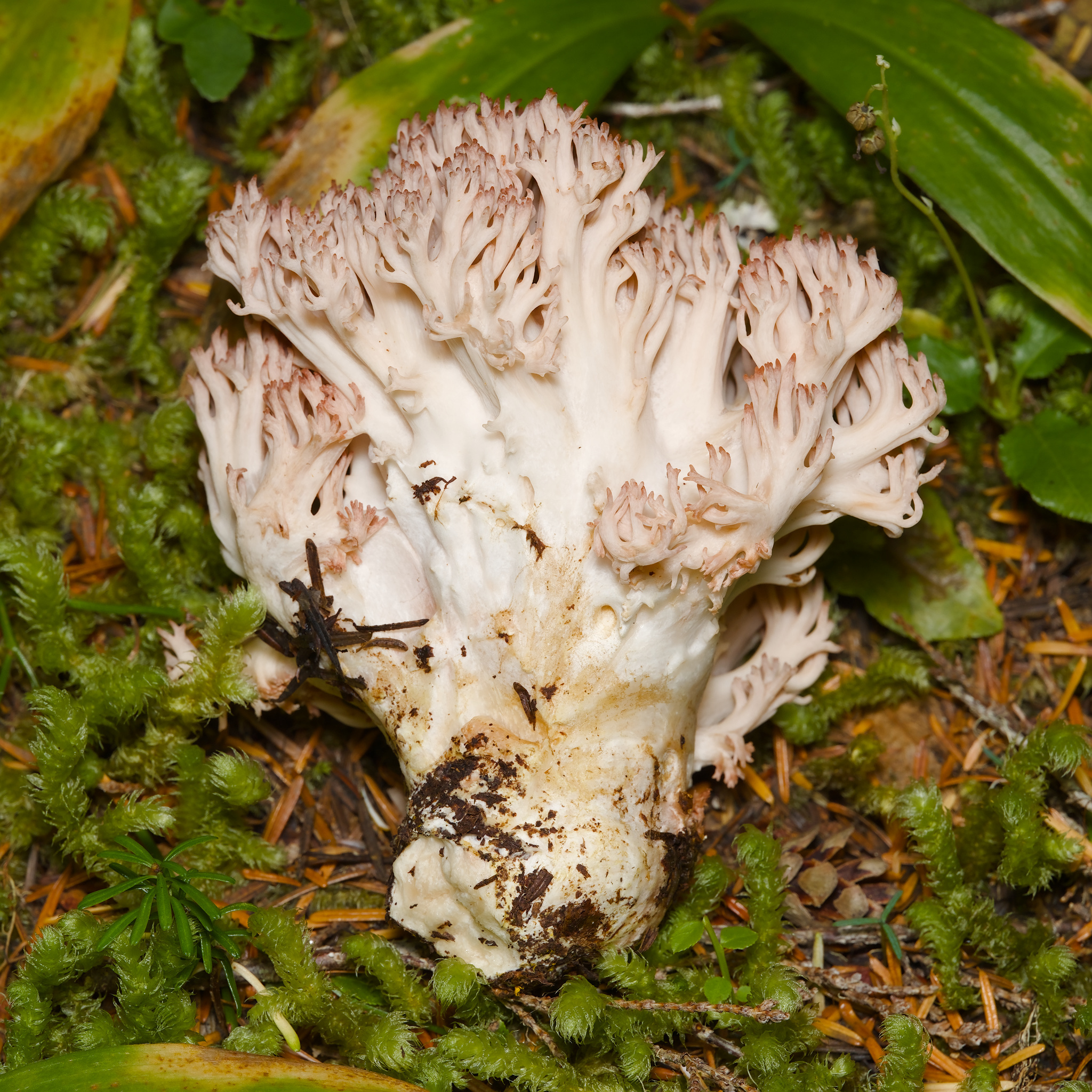
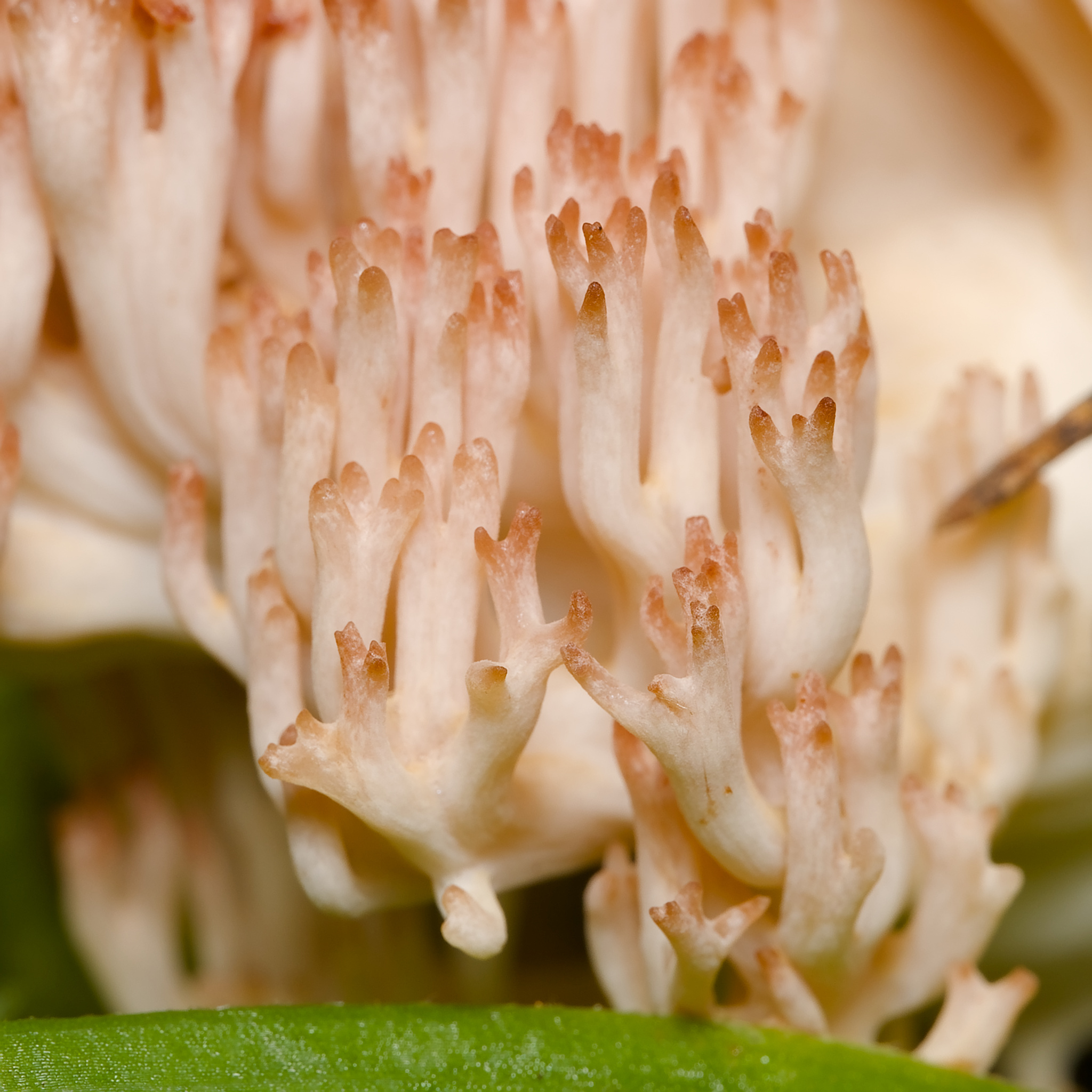
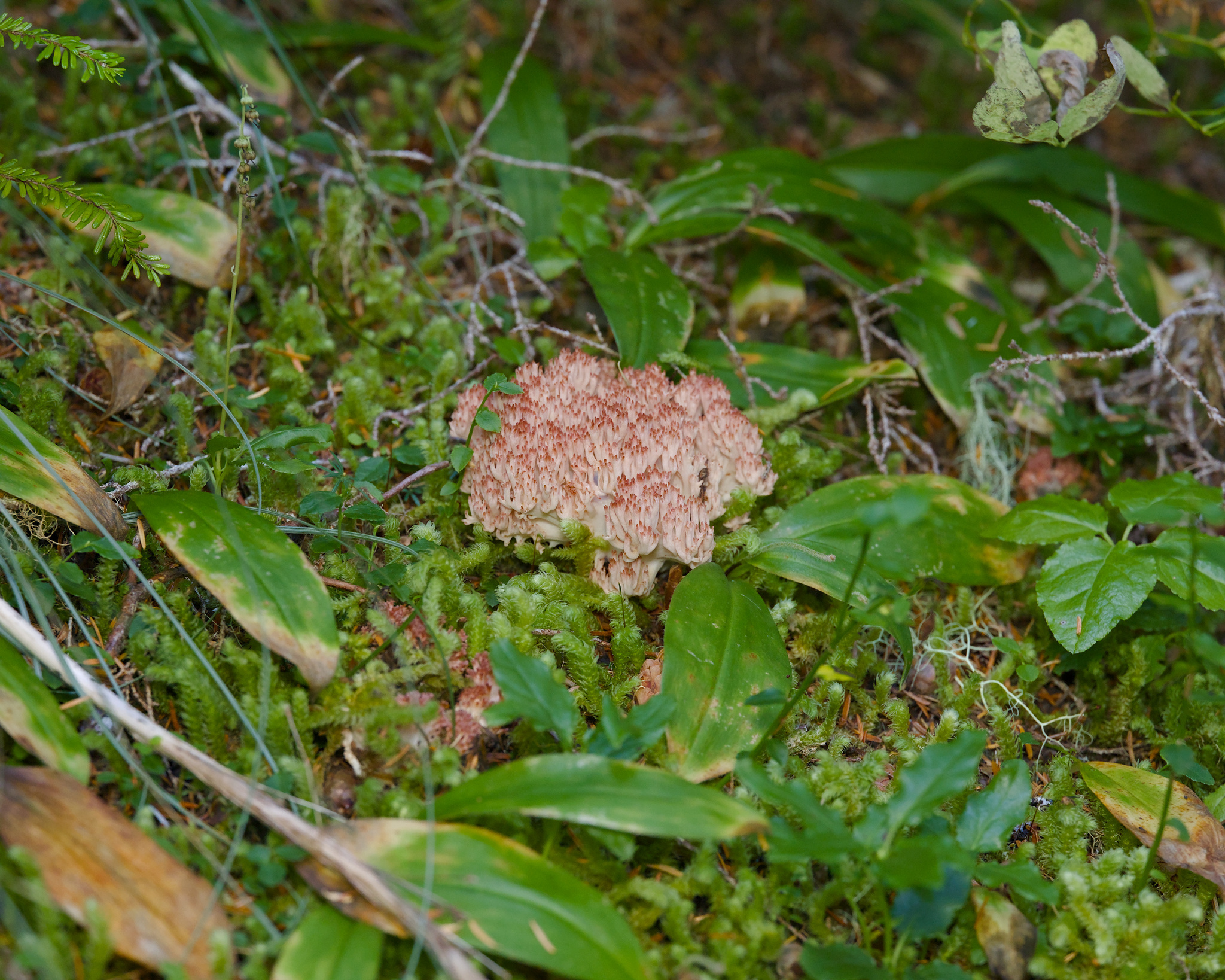
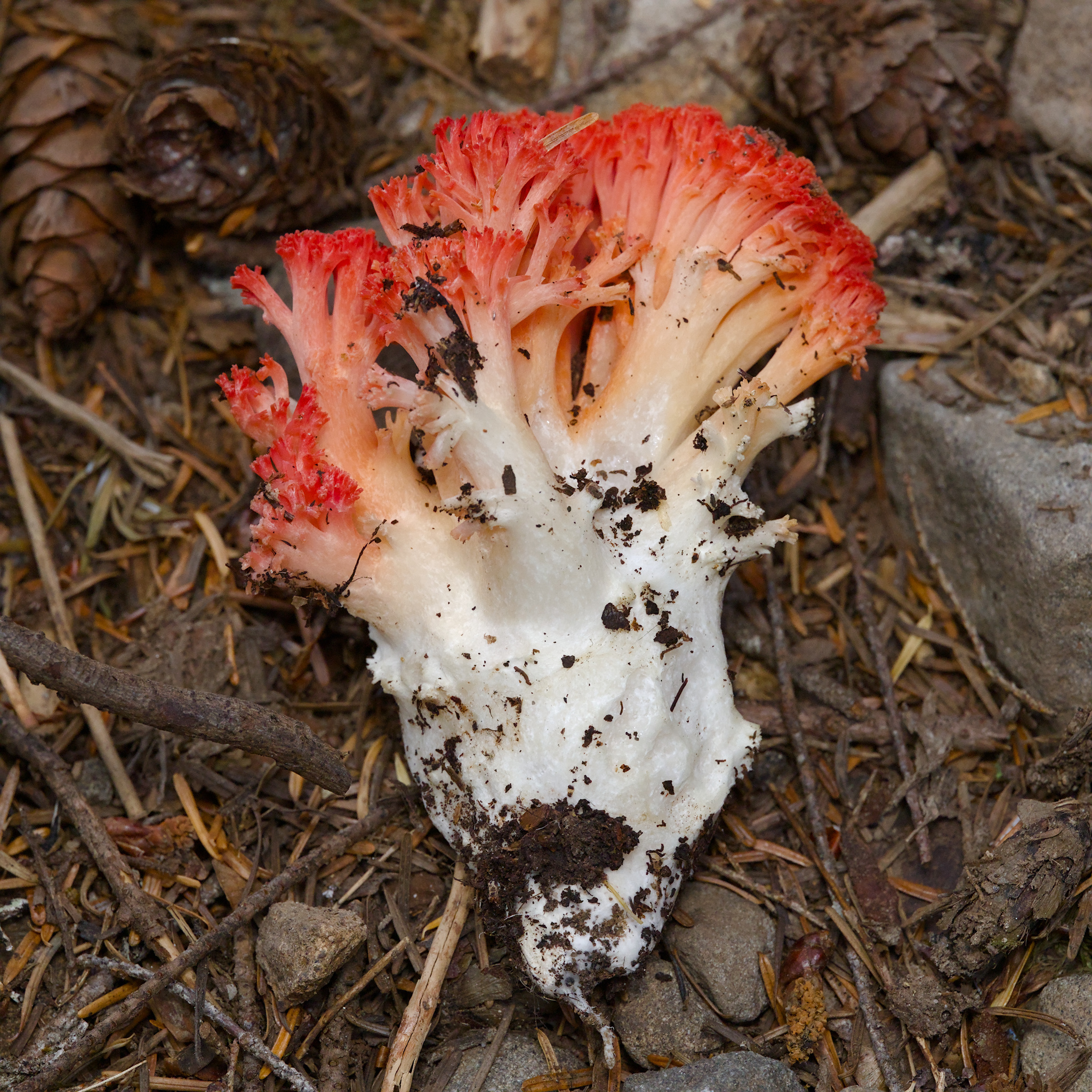
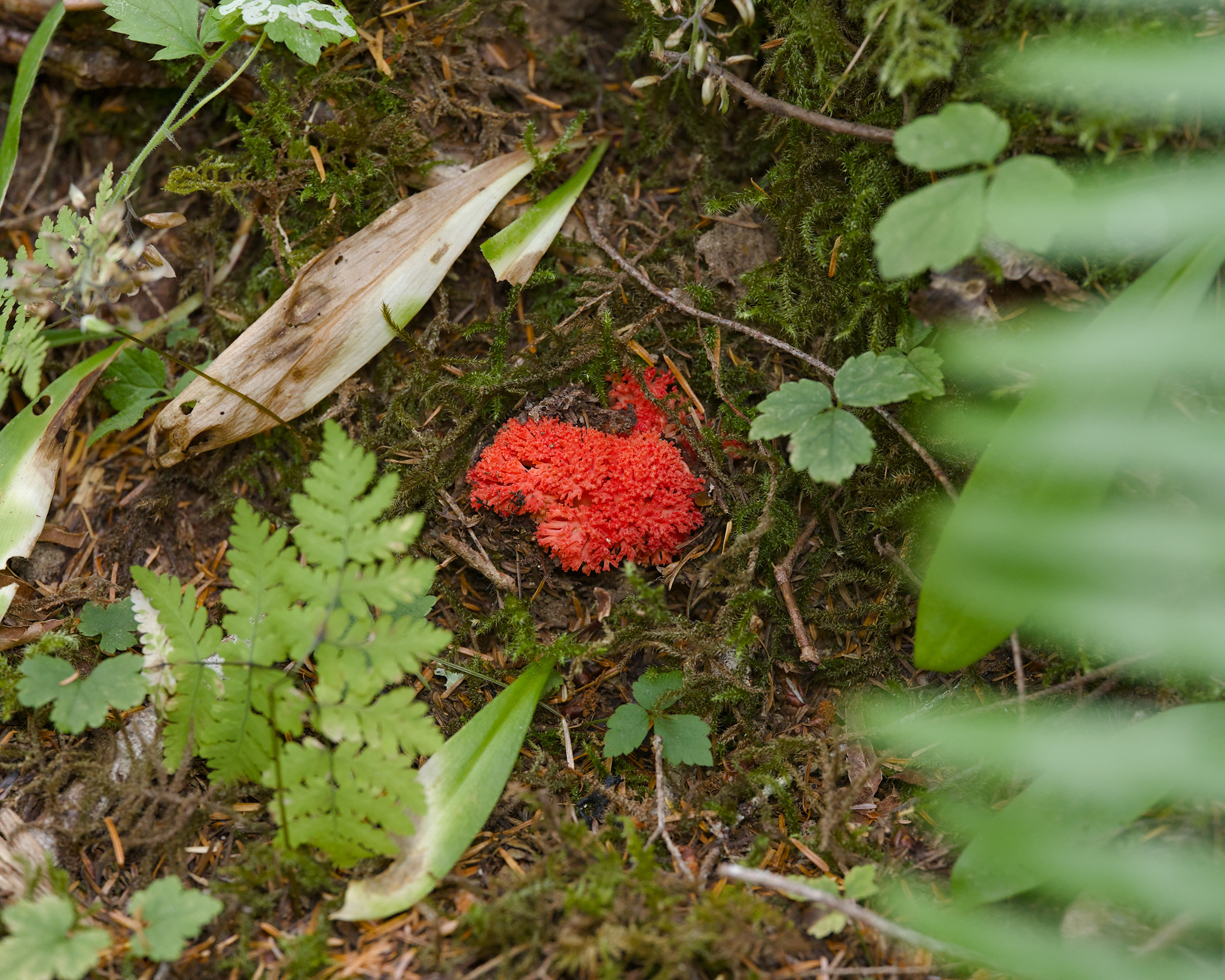
A very cool Ramaria, probably subgenus Ramaria, and presumably within the R. botrytis group. Dany notes codes such as 'PNW51' and 'PNW44', I wouldn't be surprised if this was one of the two, or another close by in the clade.
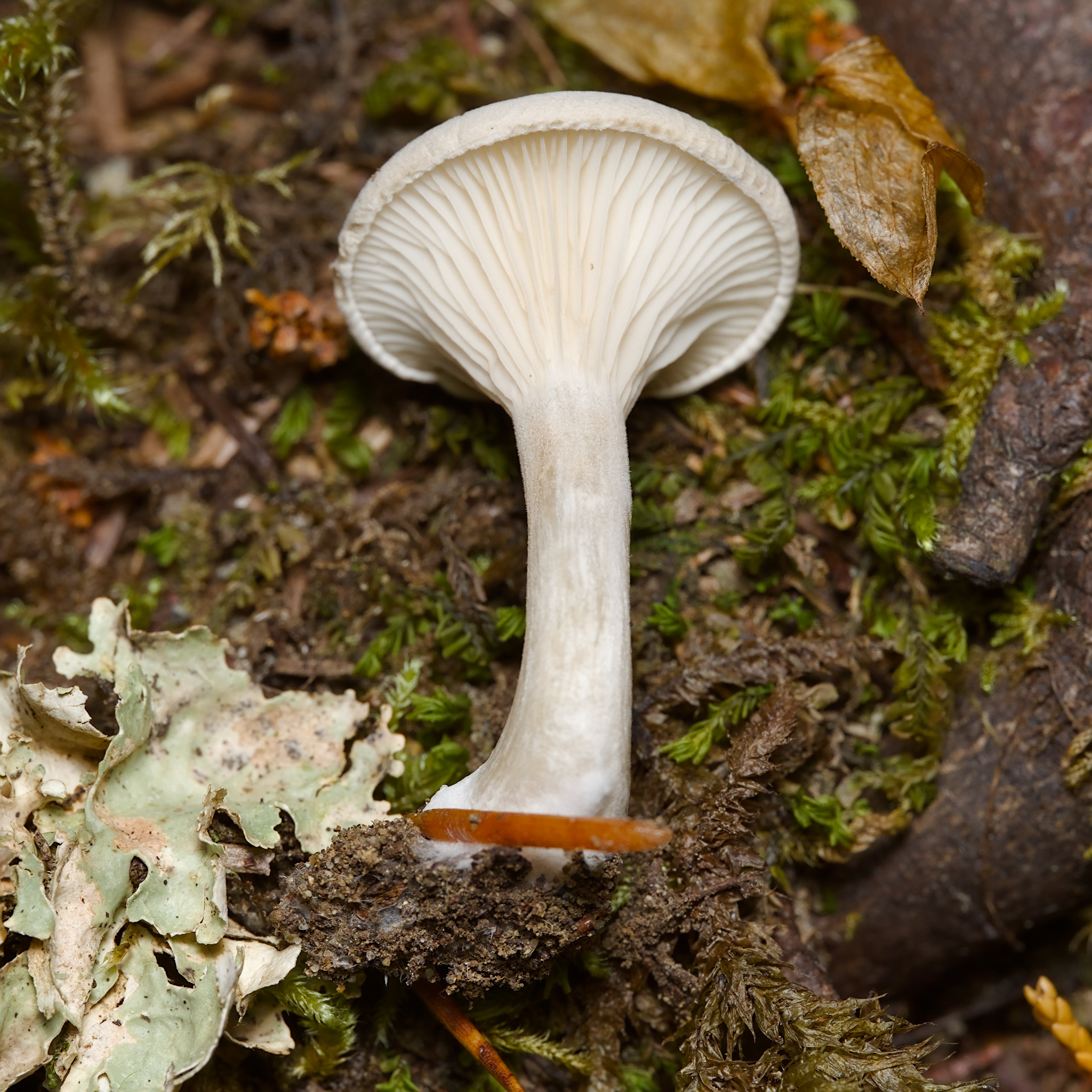
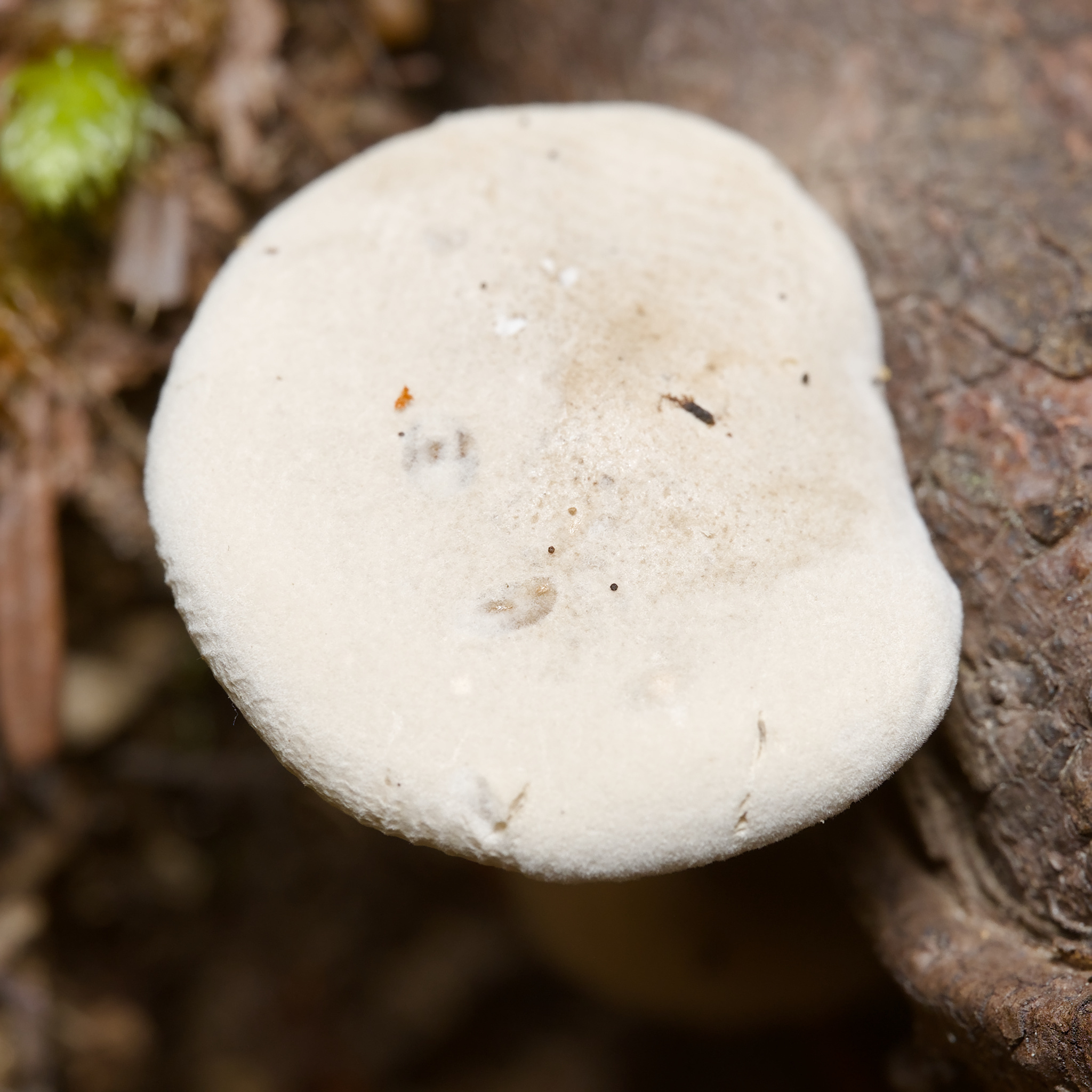
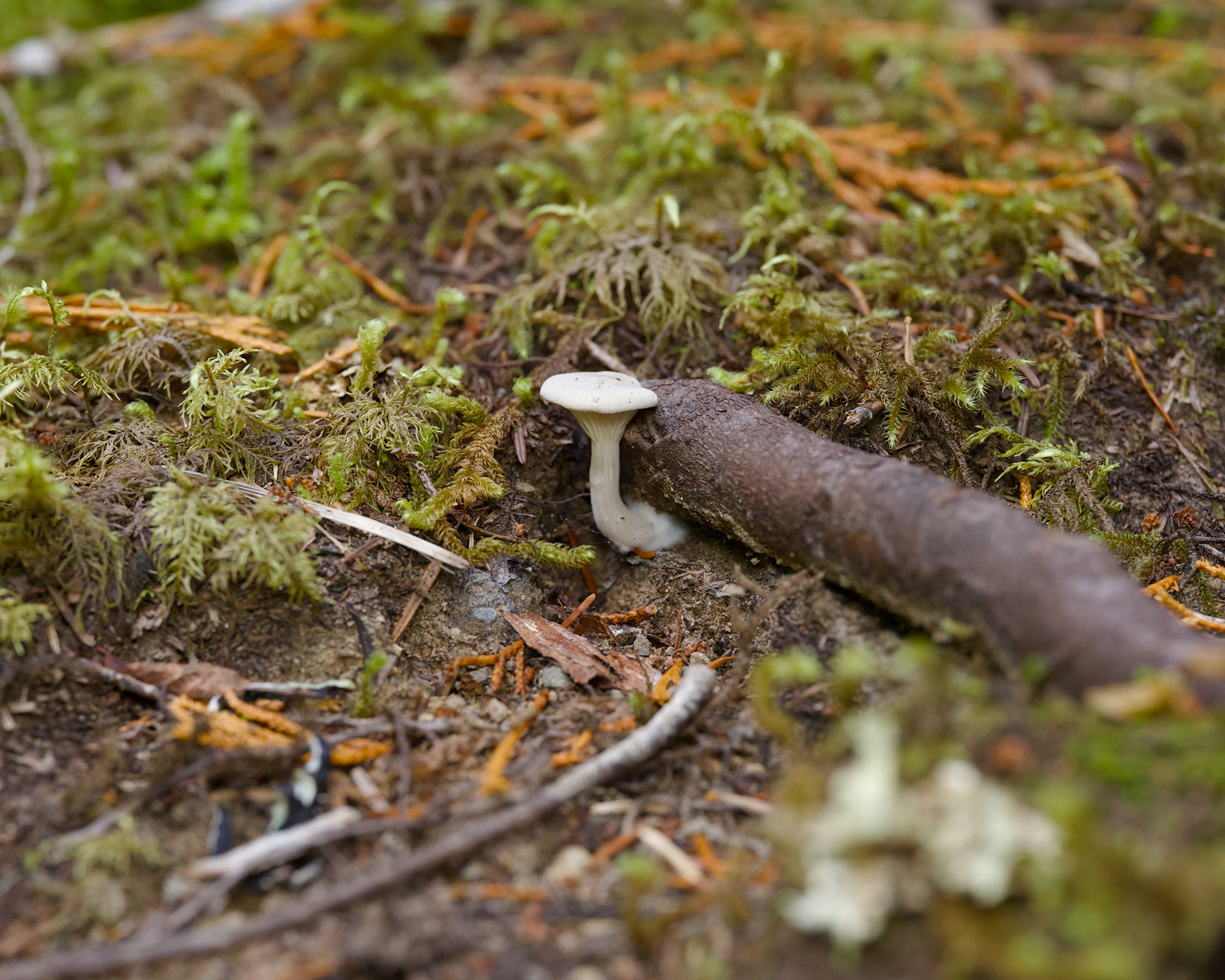
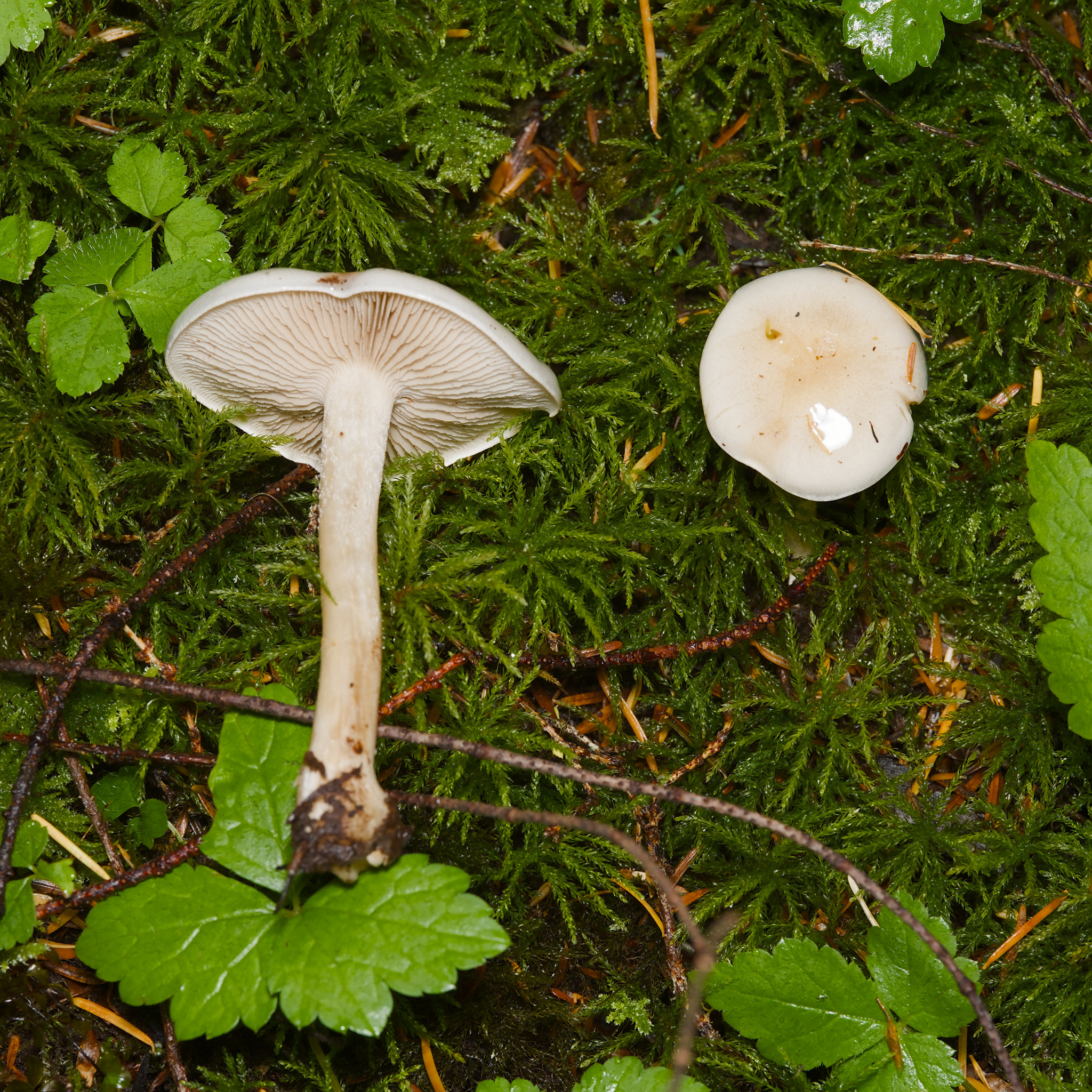
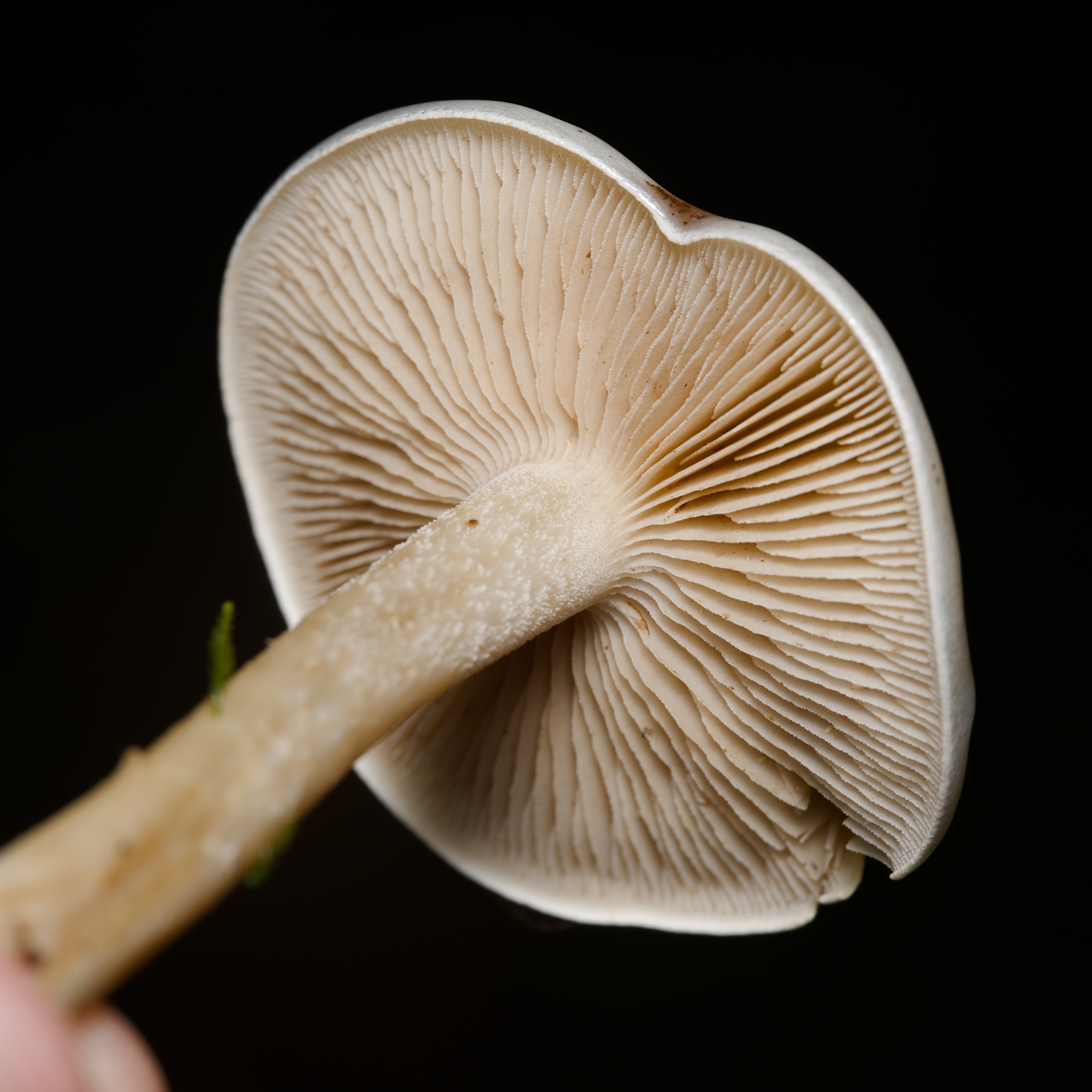
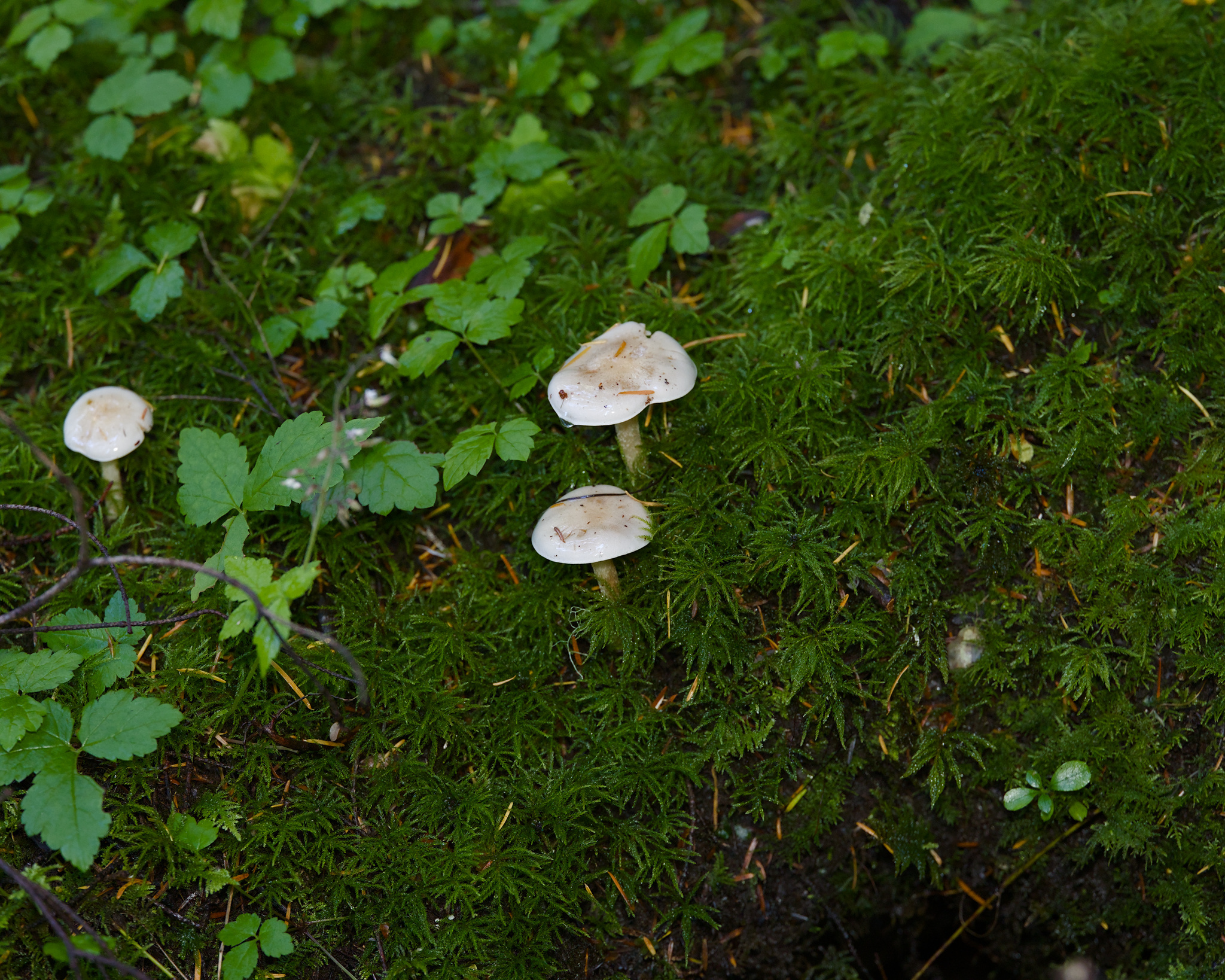
I think we are settling with Clitopilus here instead of suggesting some other small white clitocyboid/collybioid here. A member of Entolomataceae, the genus is notorious for C. prunulus. Which is fairly clitocyboid, certainly smells like some of them, but doesn't exactly resemble this fella. Maybe just a younger example, maybe not!
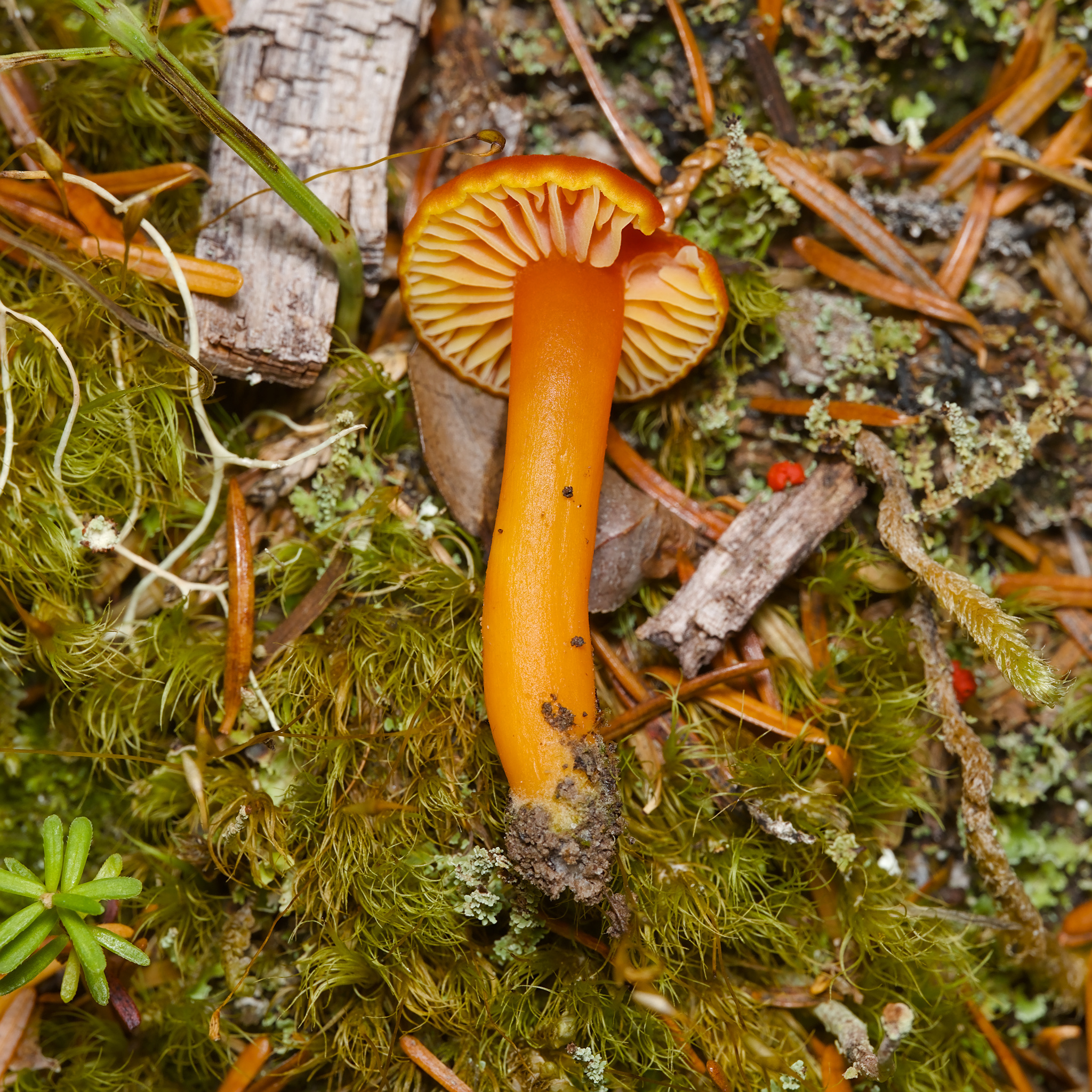
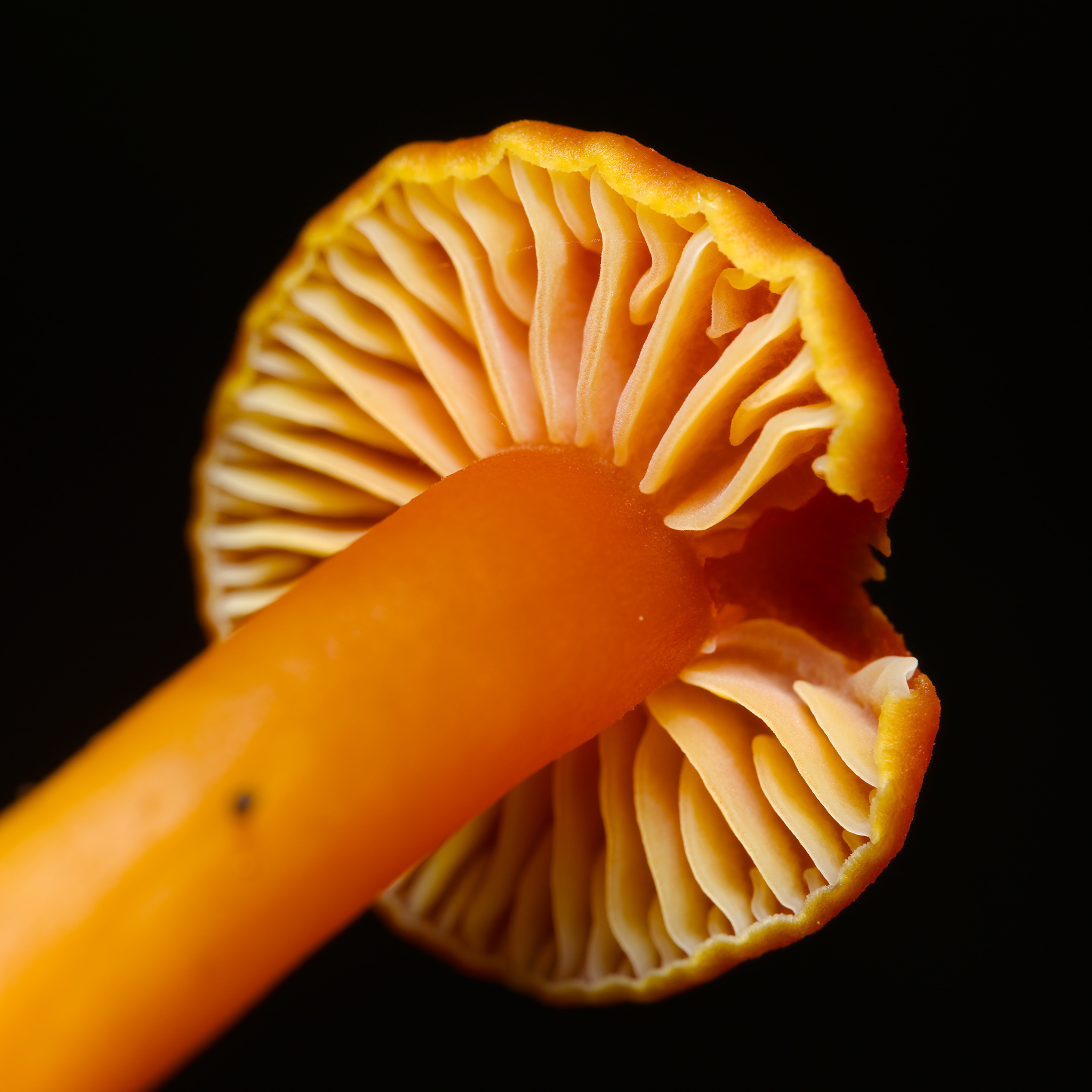
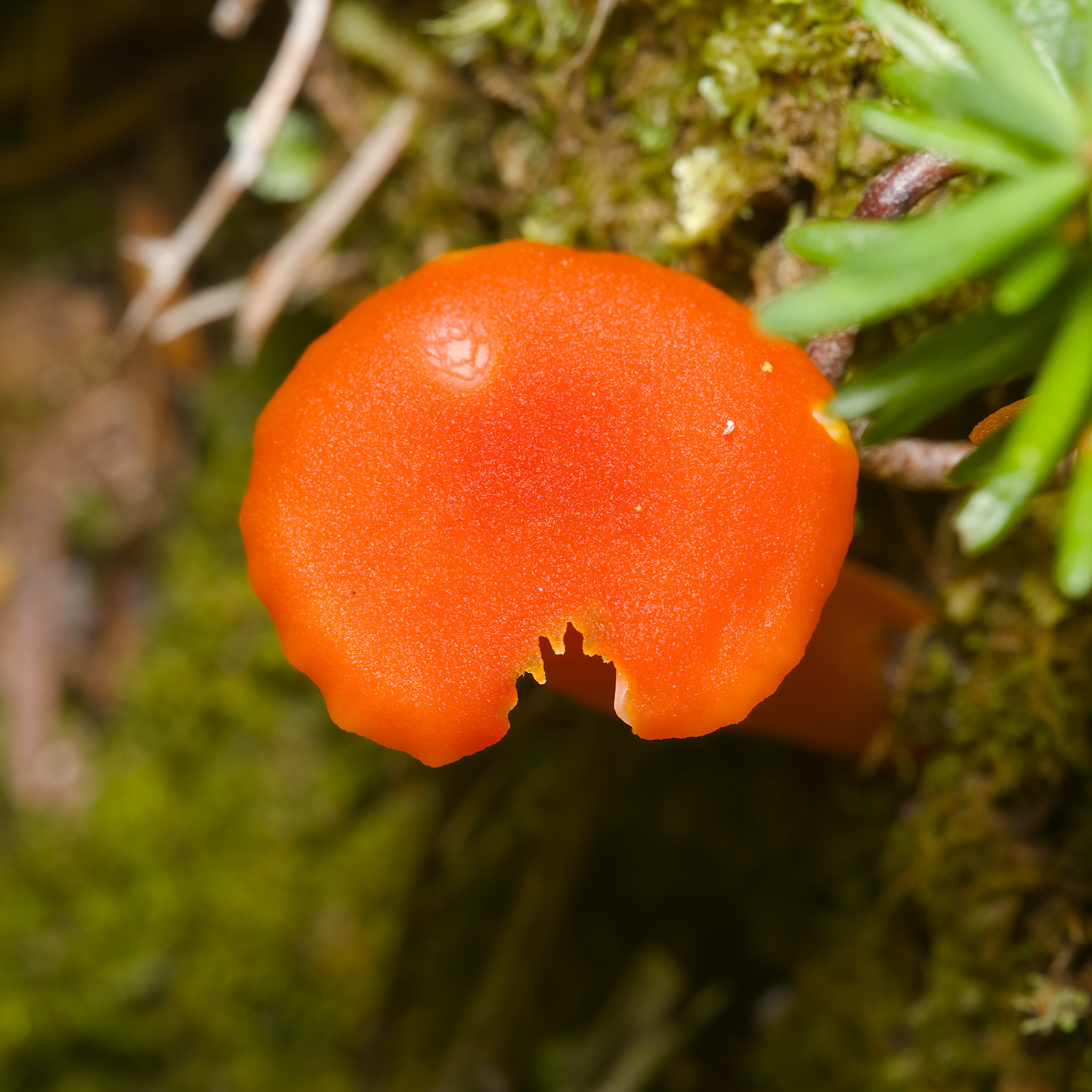
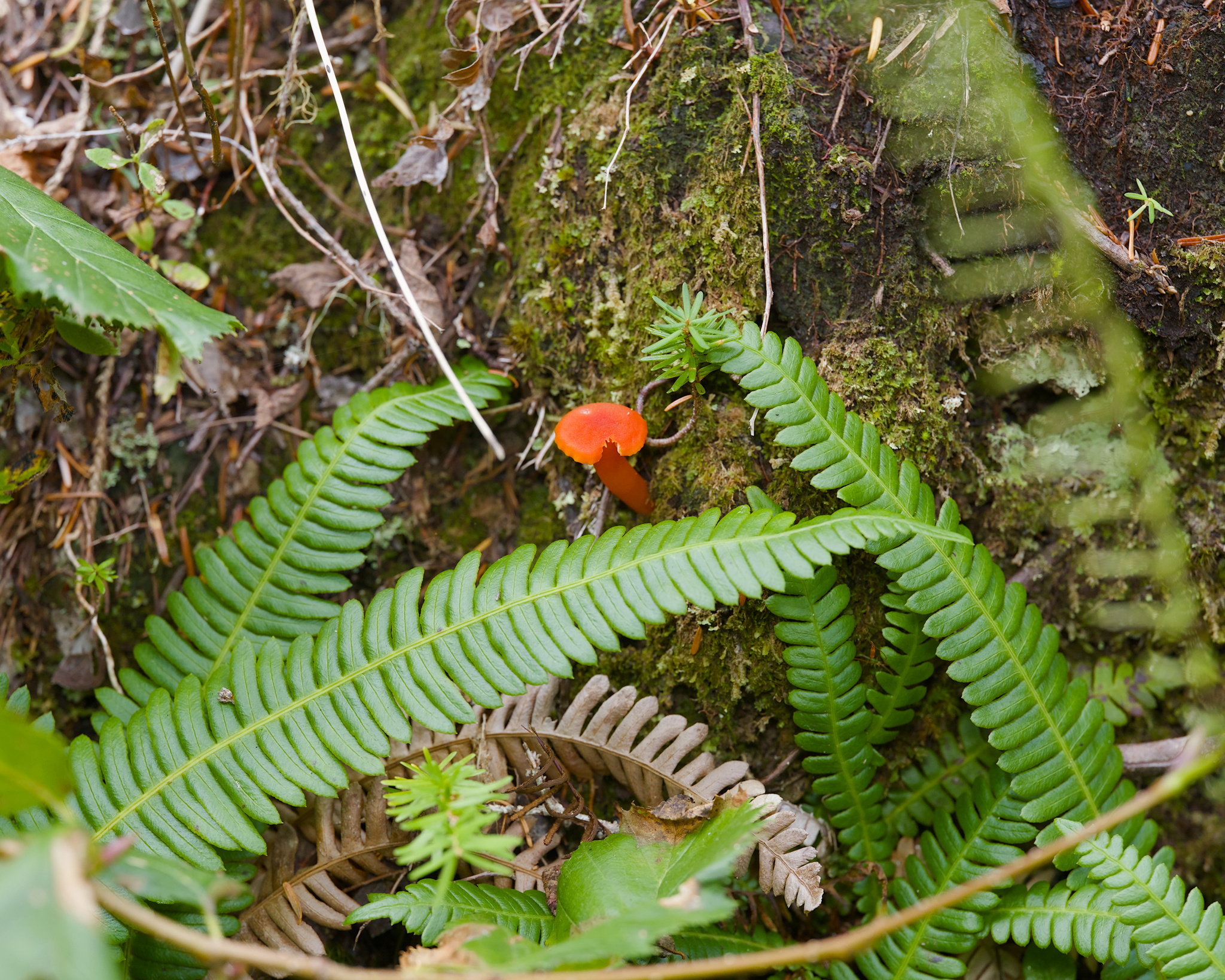
A gorgeous little Hygrocybe! Likely H. constans / miniata group. Brodie and I have found a few little red Hygrocybe together in the past but we haven't collected any yet for the park studies, so I am excited.
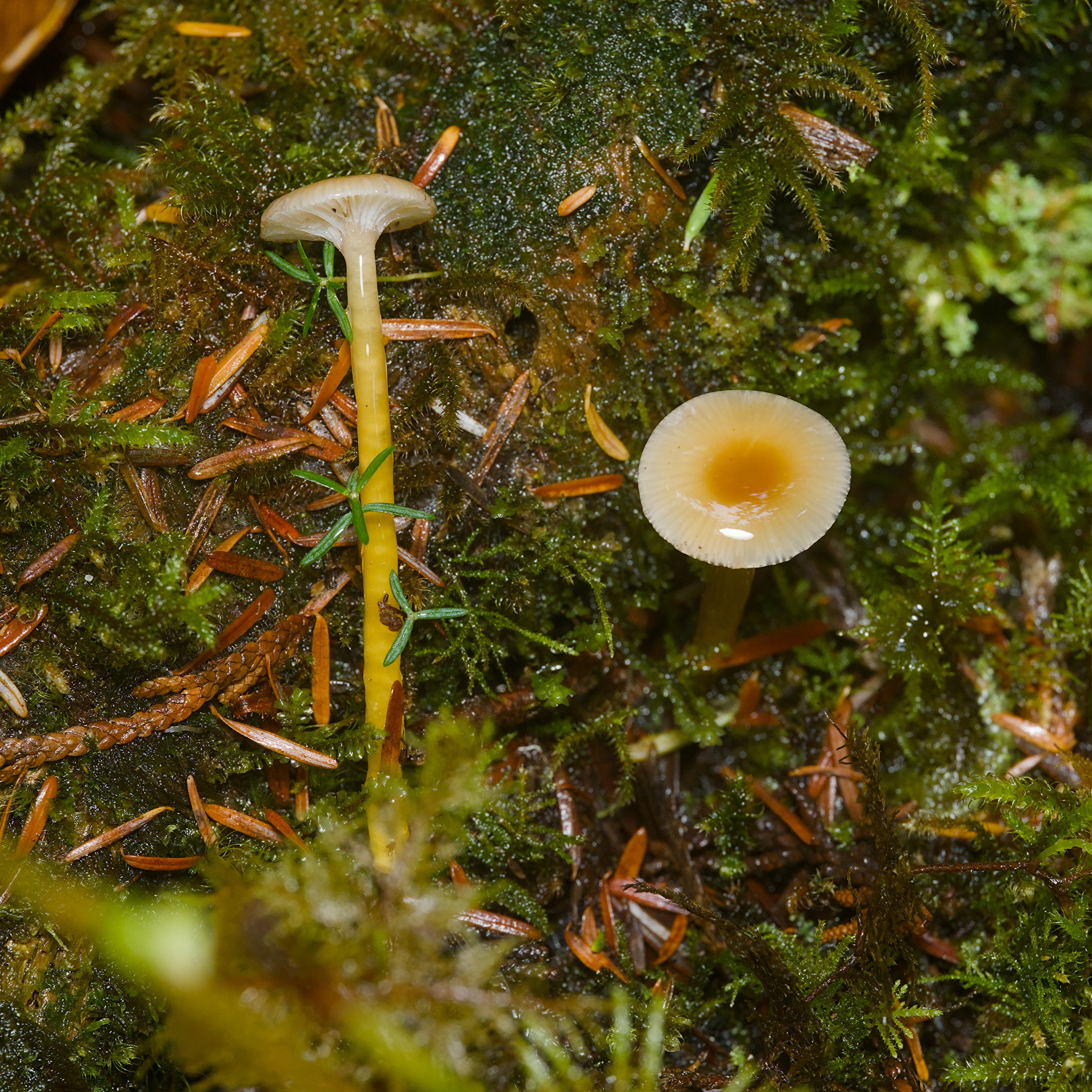
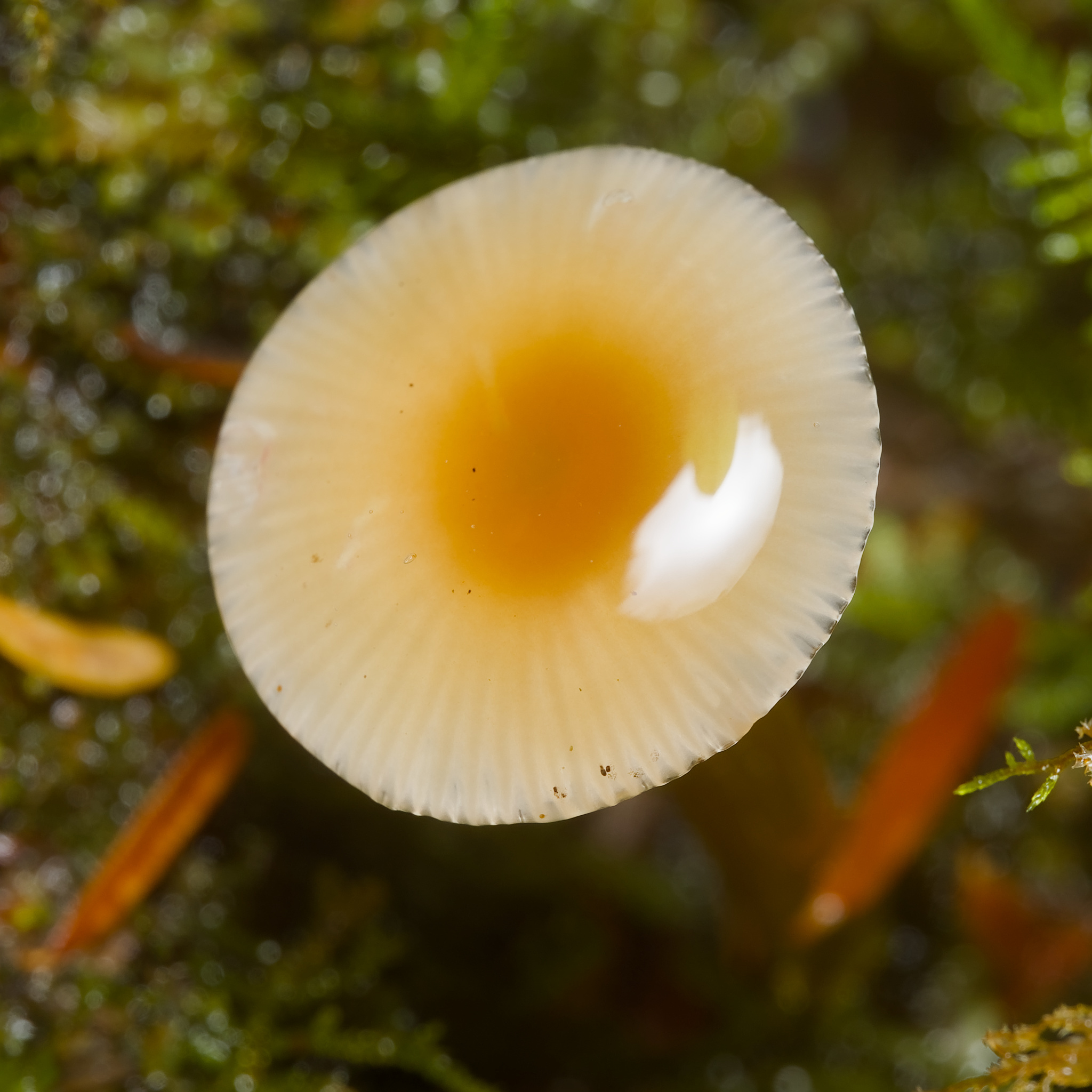
They don't look similar, and are now separated by genus. However, I think it would be nice to take the same route here as with the previous Gliophorus collections I am so interested in. Clearly growing with moss here, and there might be a good reason! I think we will collect some sequences and circle back on more thorough study of the ecology of any cool Hygrocybe or Gliophorus moss associations. Even if that means waiting until next year to continue. We may have to also seek material from outside the park or, work with the park on extended permitting for some of that process. We shall see!
This looks fairly similar to the previous collection that I decided might be better fit in Bankeraceae currently, as opposed to Boletopsidaceae. I think for now, leaving it at order is good though. Quite general but hey, at least we have our bases covered. If I had to place a bet I'm putting this as Bankeraceae and the same as the previous collection, the one prior to that looks more like one of the orange Hydnellums but again, still not sure.
We certainly have a lot to learn here personally, and hopefully we can contribute some meaningful data along the way.
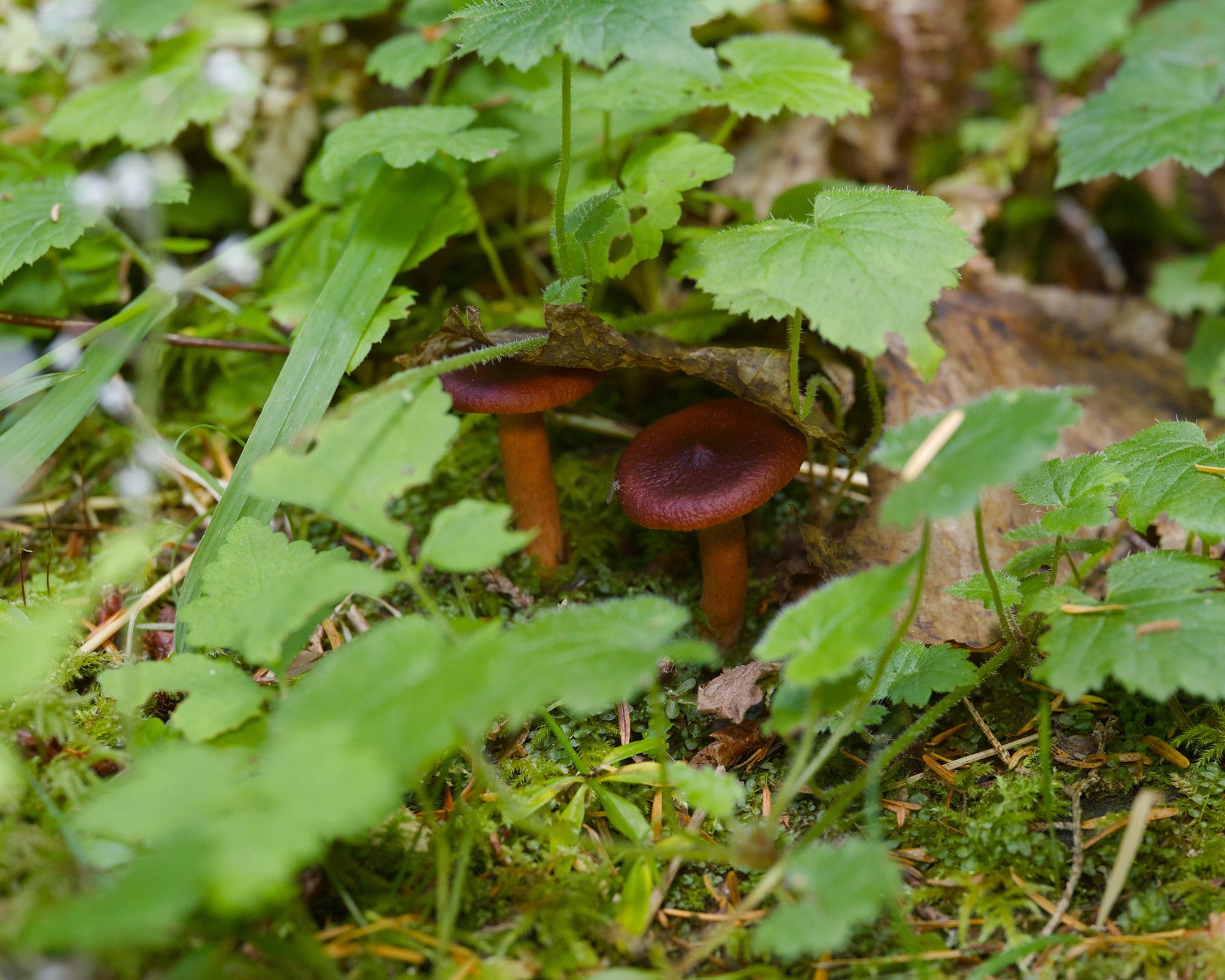
An odd set of viscid light orange Lactarius. They do not appear to be L. luculentus group, which is what I usually assume for smaller vibrant, and often slightly viscid collections. I'm not sure what they are, we'll come back here for an assumption or just wait for DNA!
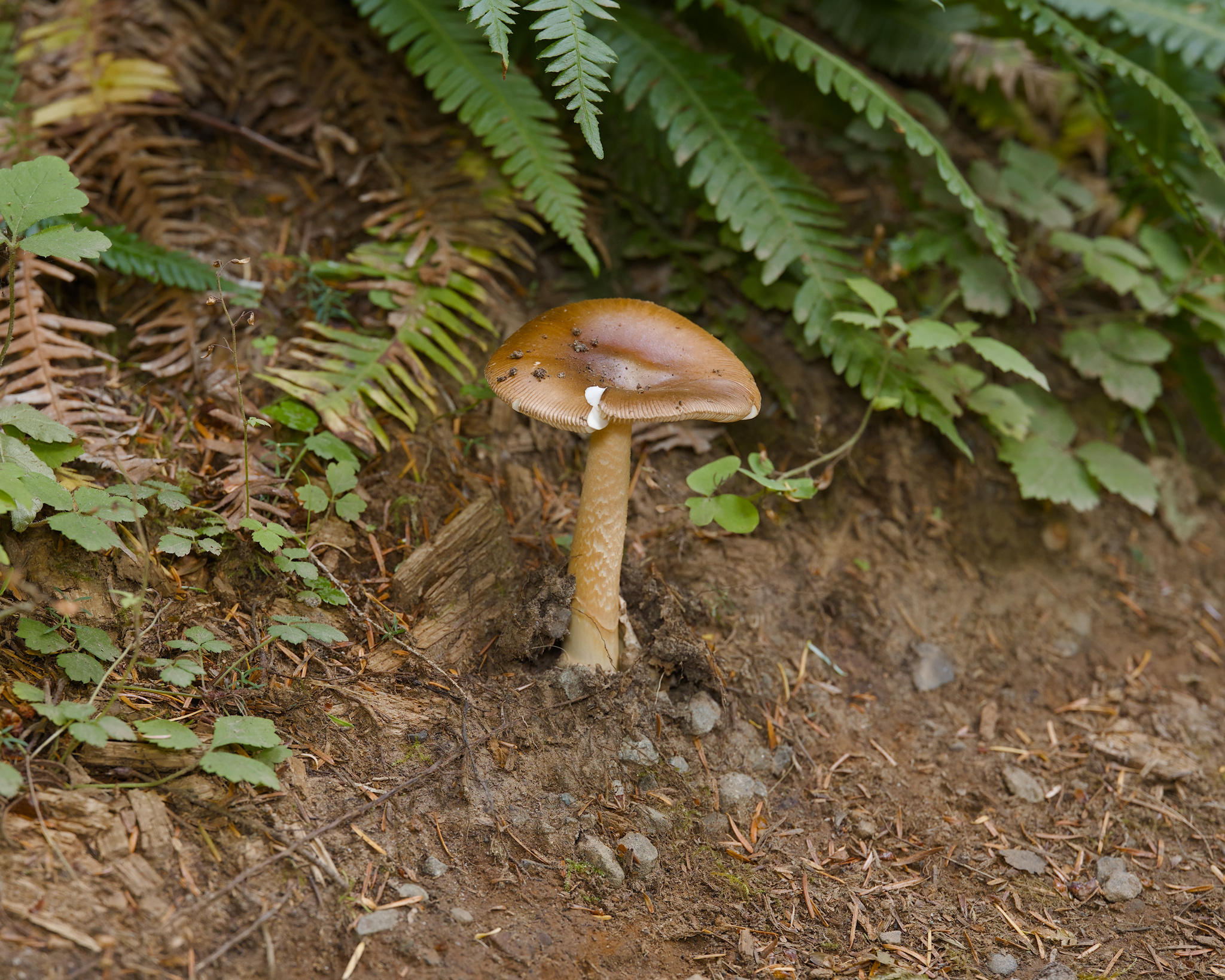
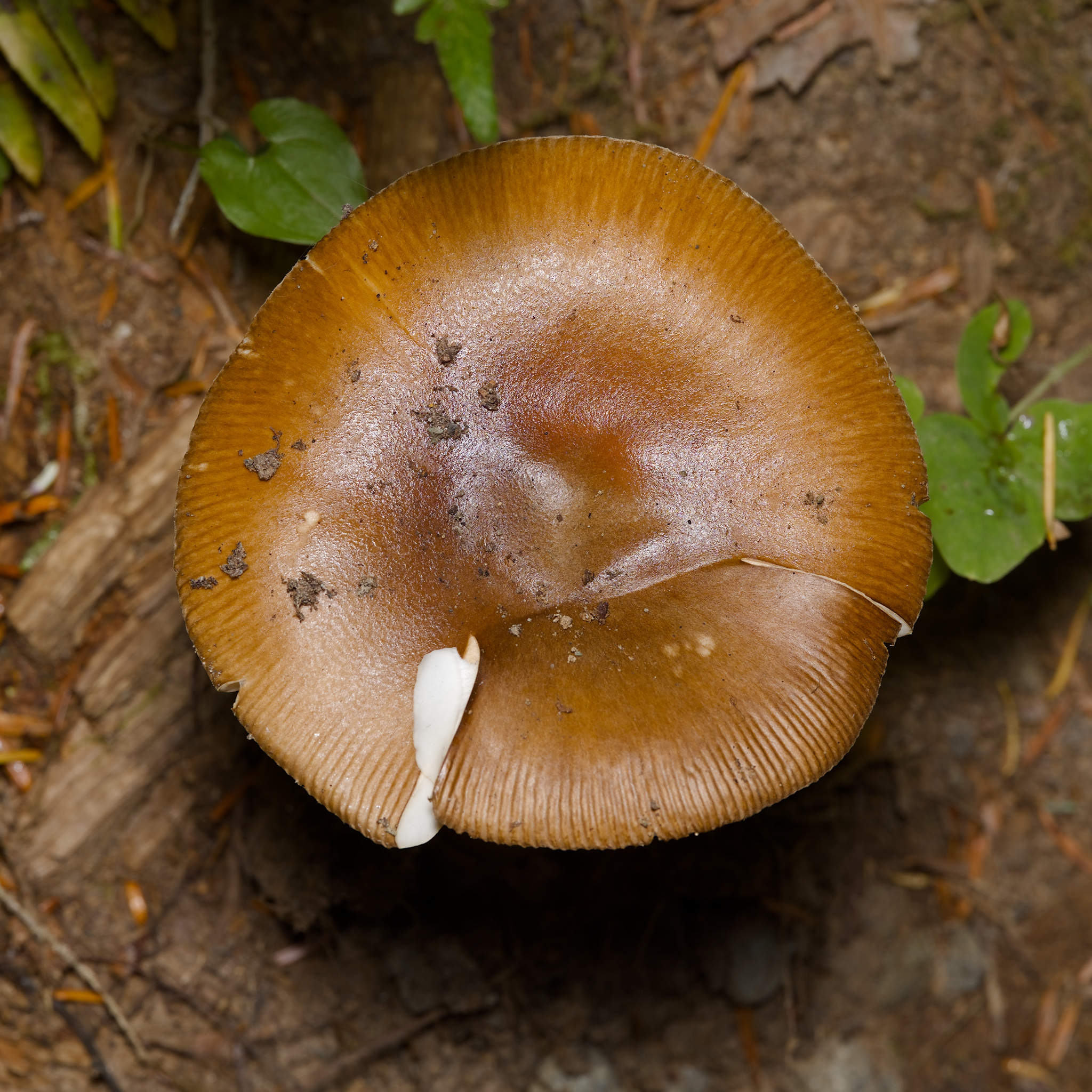
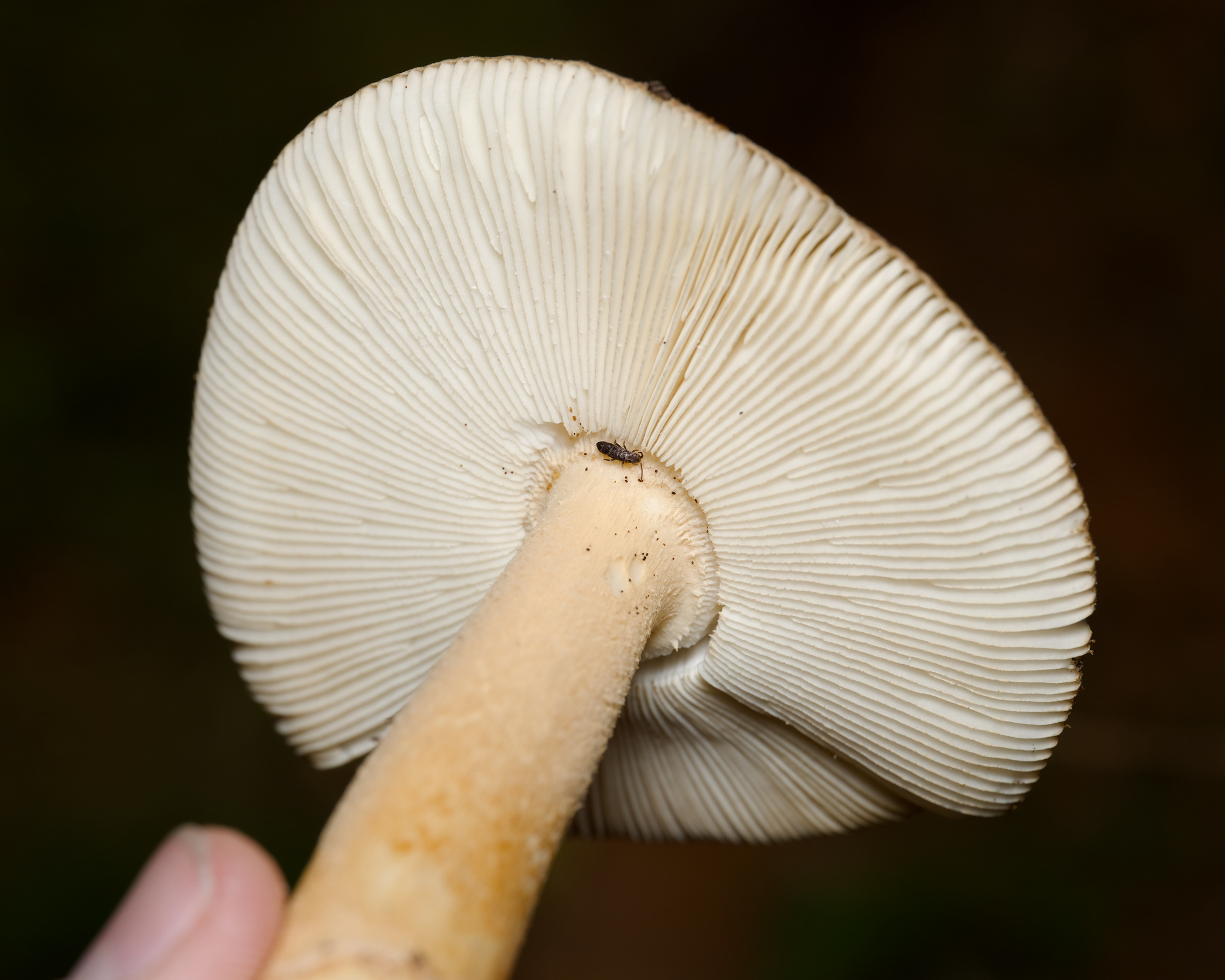
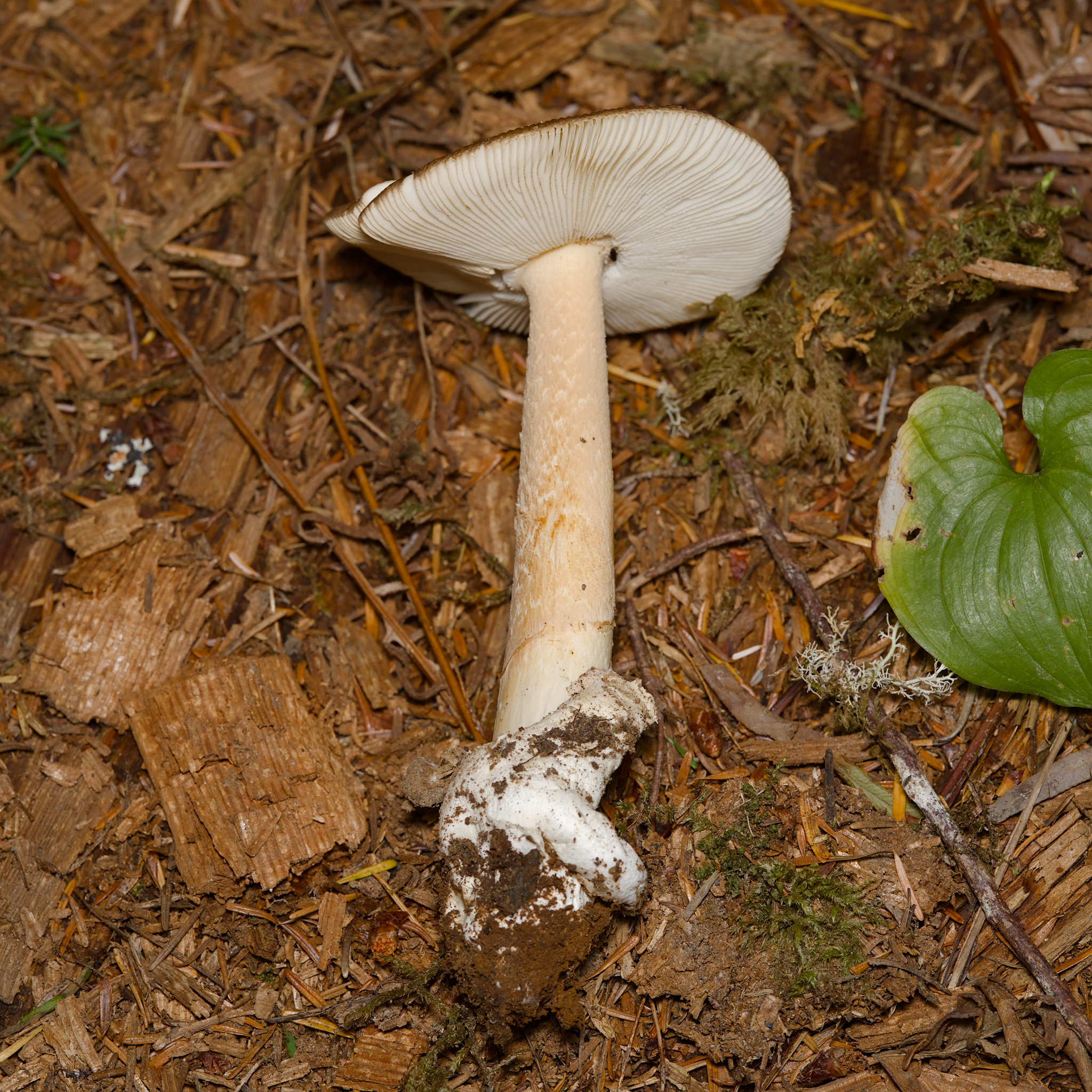
Another Amanita in section Vaginatae. I would be curious if this turns the same sequence as the other few we / Brodie collected. This one seems a bit more mature, and warm toned.
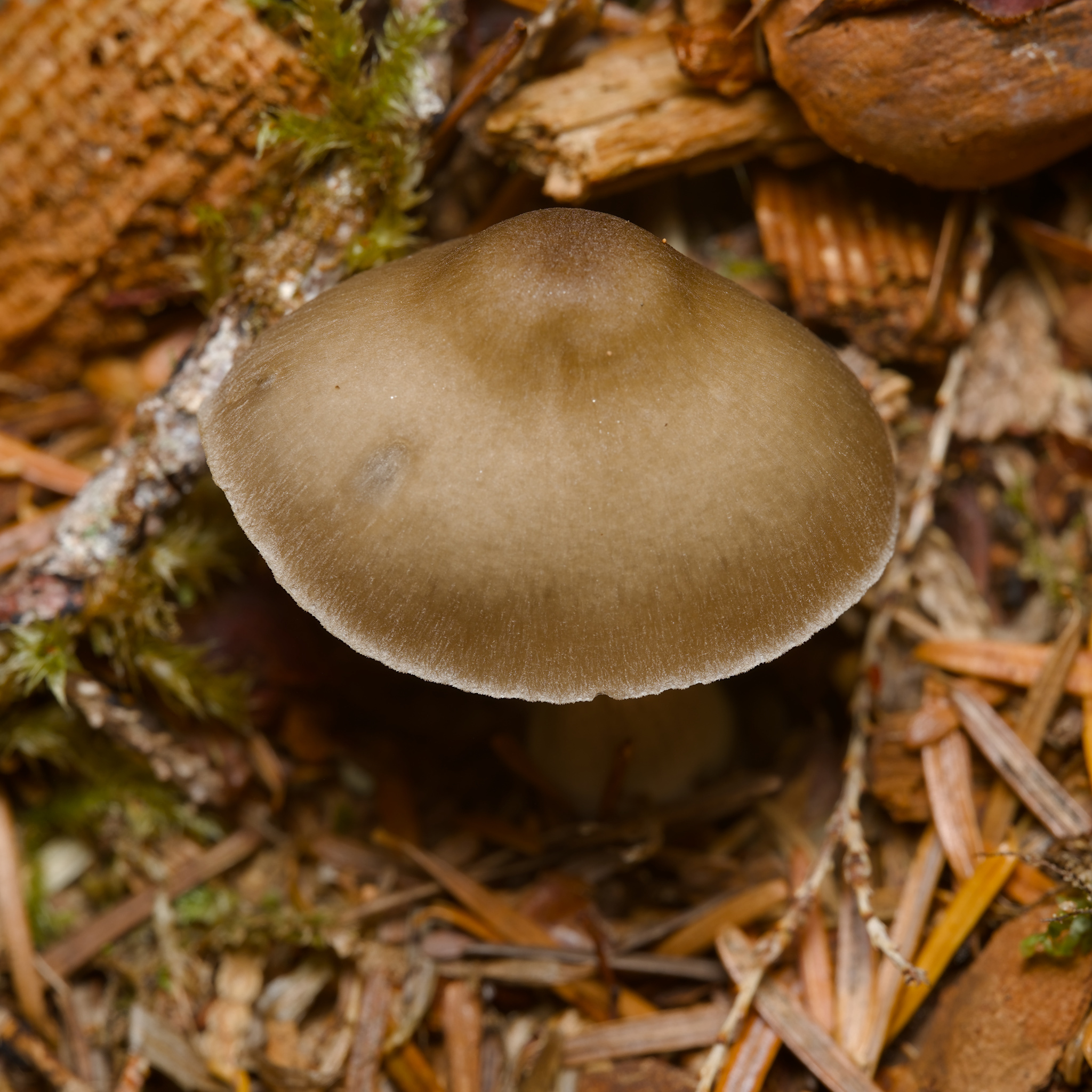
I would think this is a different entolomatoid than we've found so far. Possibly Nolanea, although a little texture here is unfamiliar to me.
We've started checking them for UV as we've found some Nolanea esque mushrooms fluoresce quite blue. I didn't know that previously!
An absolutely baller Ramaria collection incoming.
Now, we do have a couple Ramaria araiospora varieties here, so it could be the more vibrantly red toned one. However, I have a sneaking suspicion that R. stuntzii is a possibility here.
Both species belong to the same subgenus, one is much less common. I voted for the latter for WA state mushroom, I am a strong holdout. I love that thing. The regular red ones are okay too but, R. stuntzii is king.
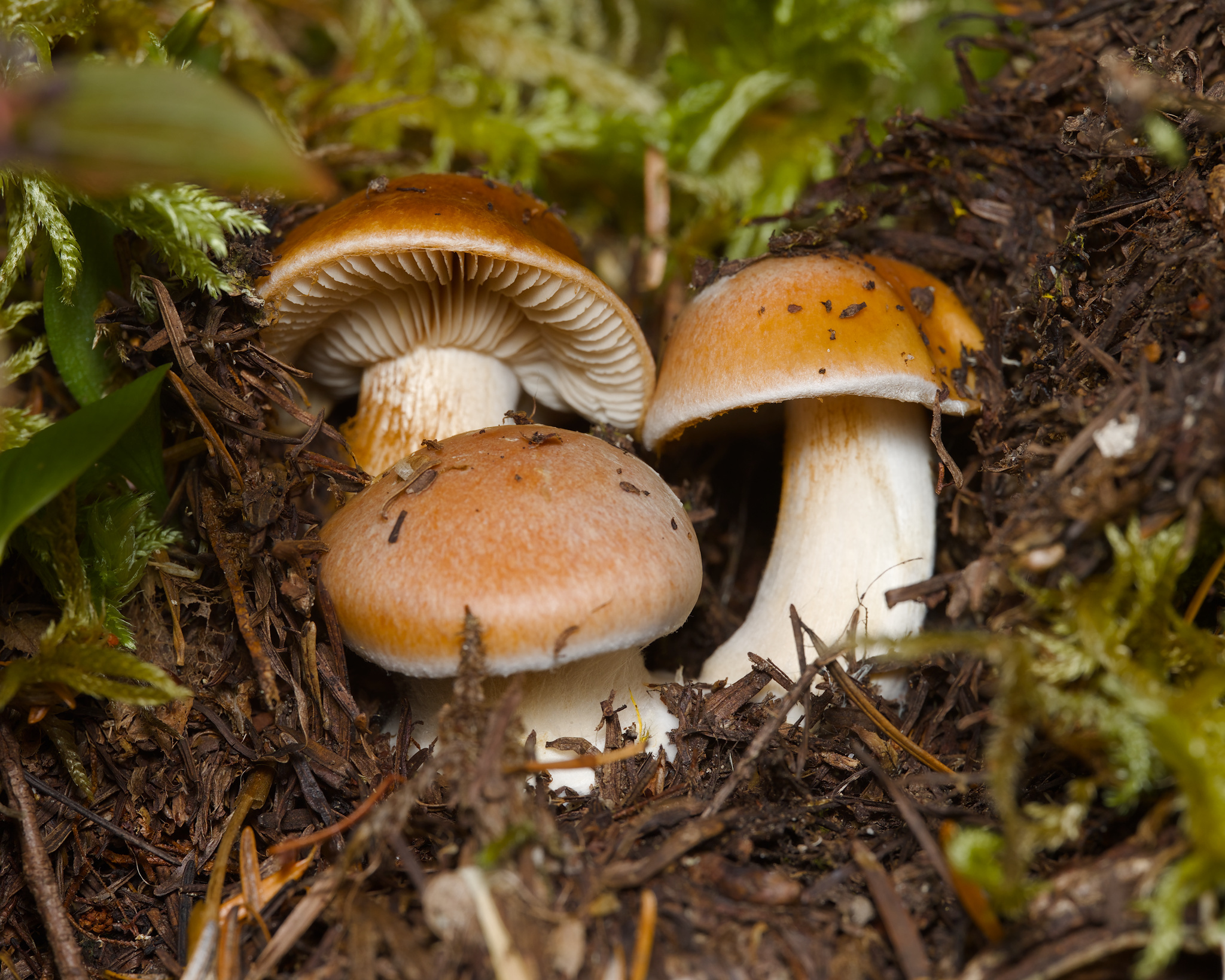
Another collection of light brown Corts! This one may resemble the same species featured last month, more mature examples previously though.
I am assuming most of what we're finding with this coloration heading into the fall are Myxacium and Phlegmacium but I'm not sure. Again just what we're finding in this color, there's certainly more possibilities in the family and we're certainly finding others.
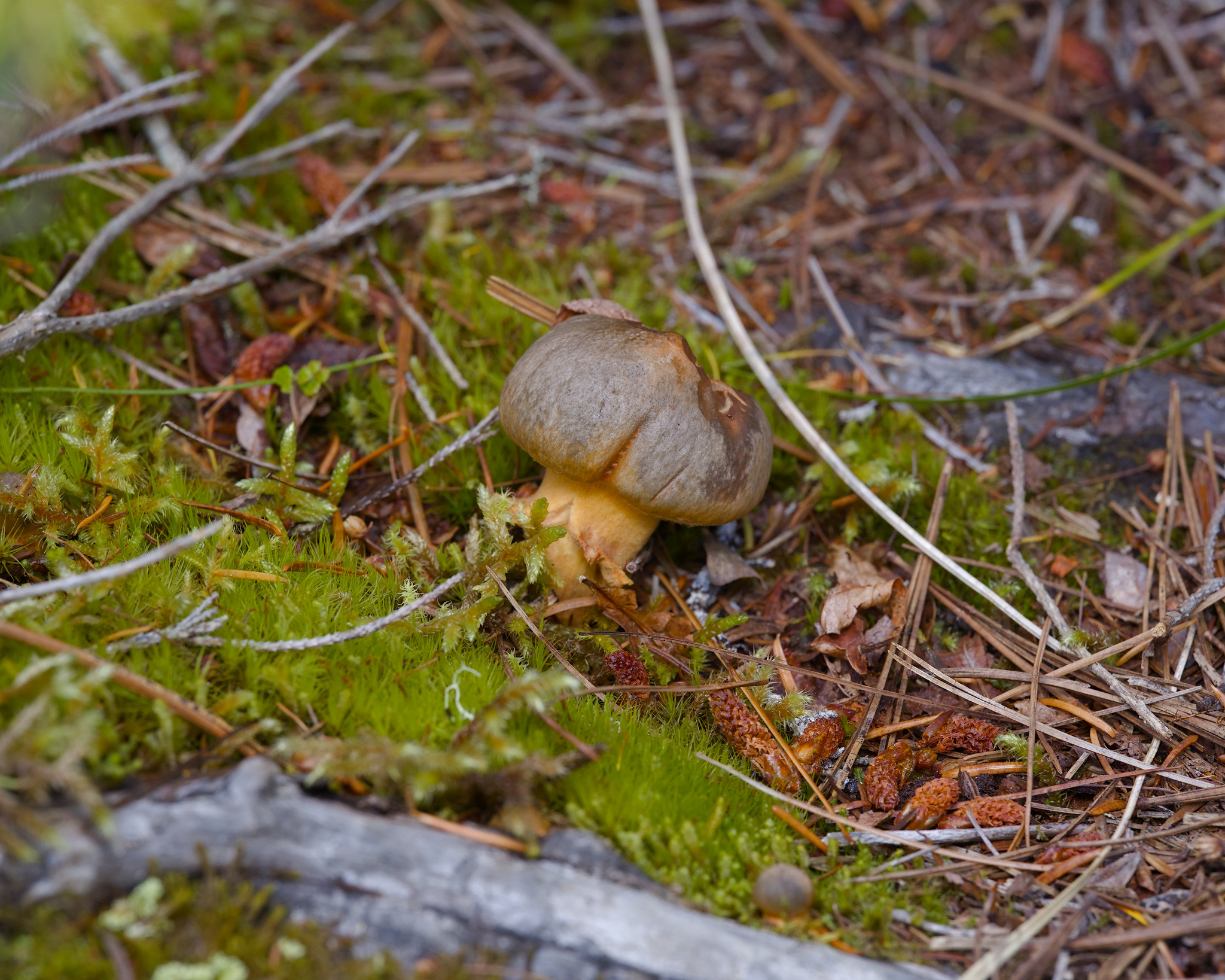
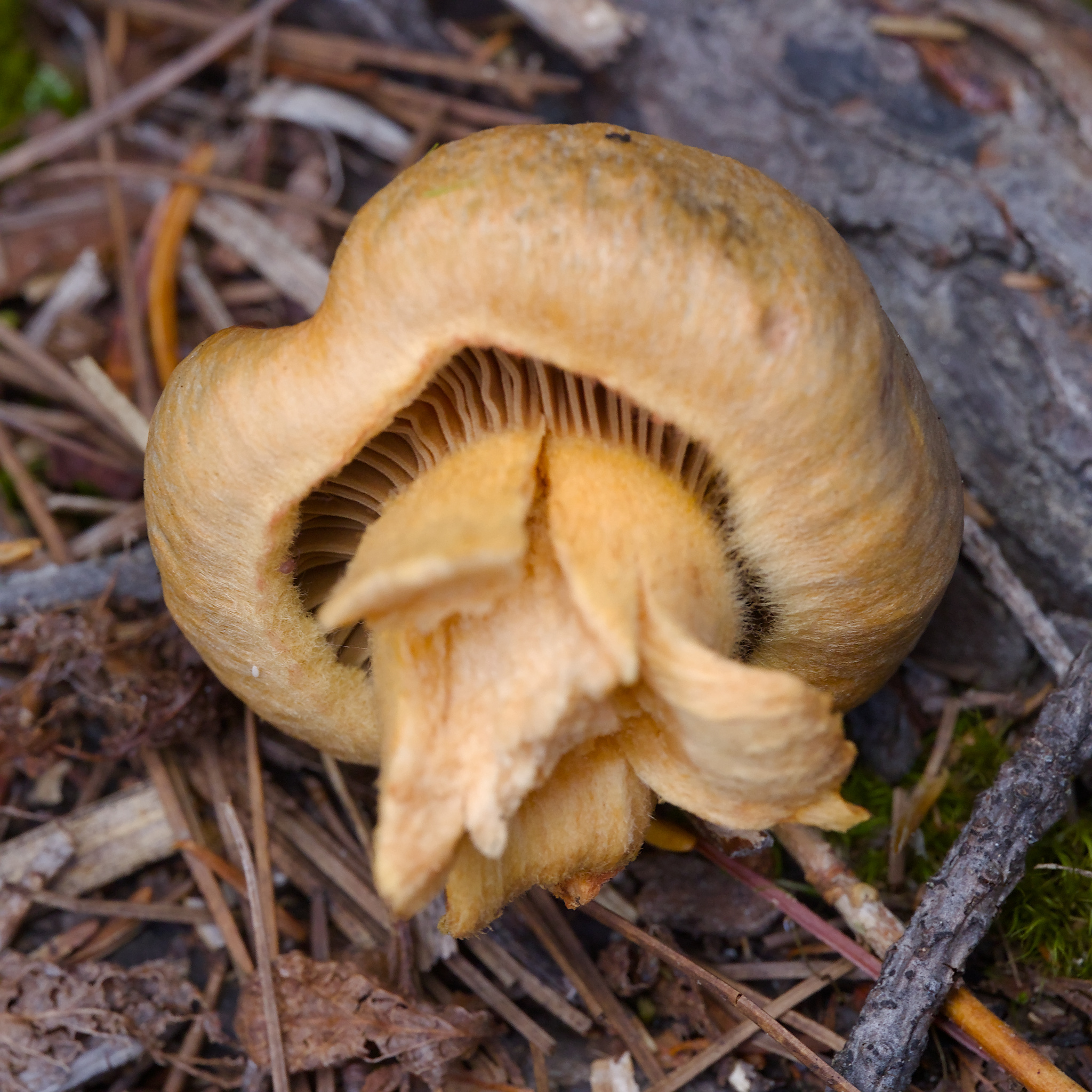
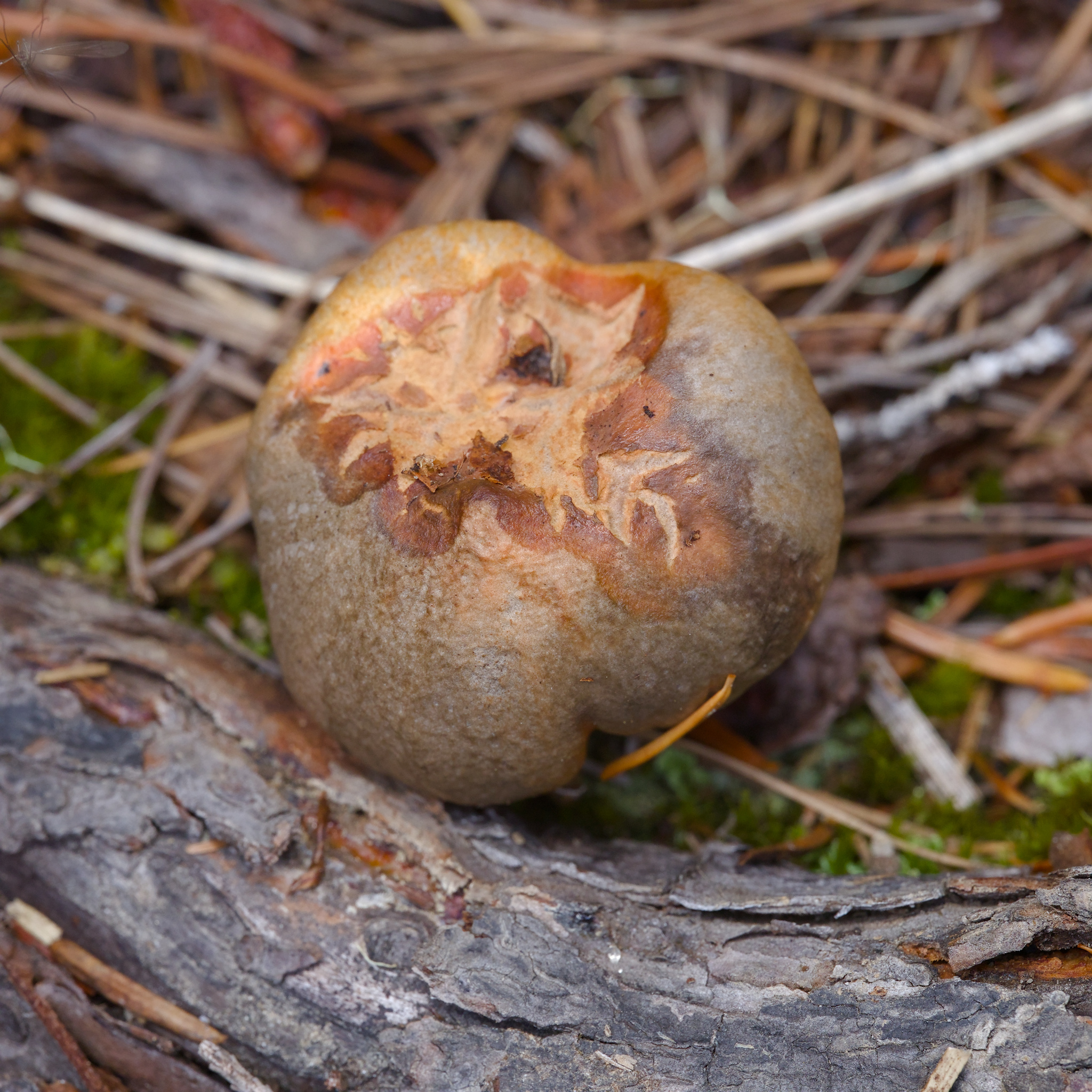
I think an older C. tomentosus displaying darker colors when mature. I believe we agreed on that but may have a different Chroogomphus somewhere in the pipeline.
Fish_narc has suggested this may also be G. laetus group, and I'm inclined to agree. It would be very interesting if this is a different code than our collections from the coast.
I think these are going to be L. laccata group or thereabouts. I don't see tinge or strong purple foot I've seen in L. bicolor. These peachy Laccaria can look fairly similar to eachother but maybe towards L. proxima here.
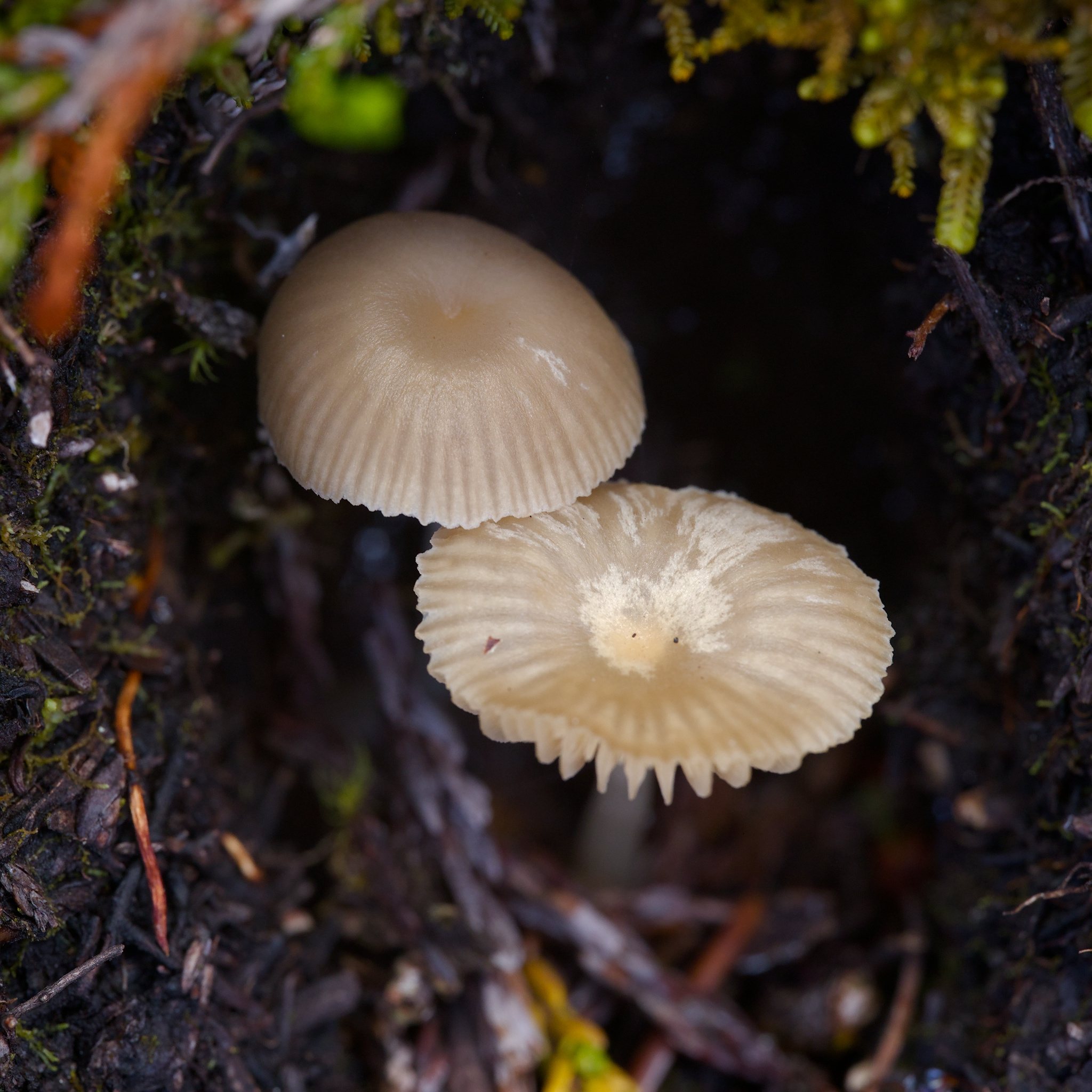
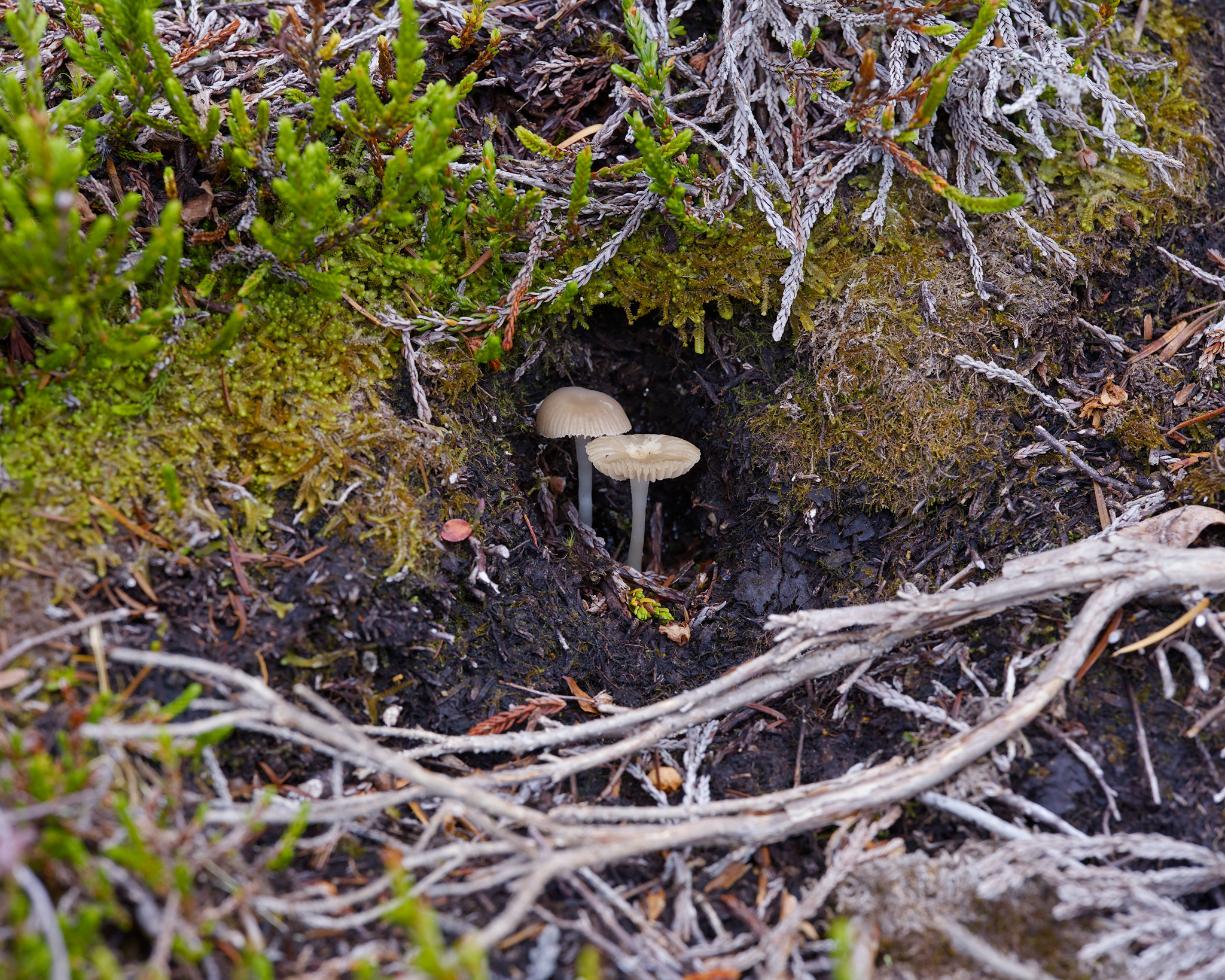
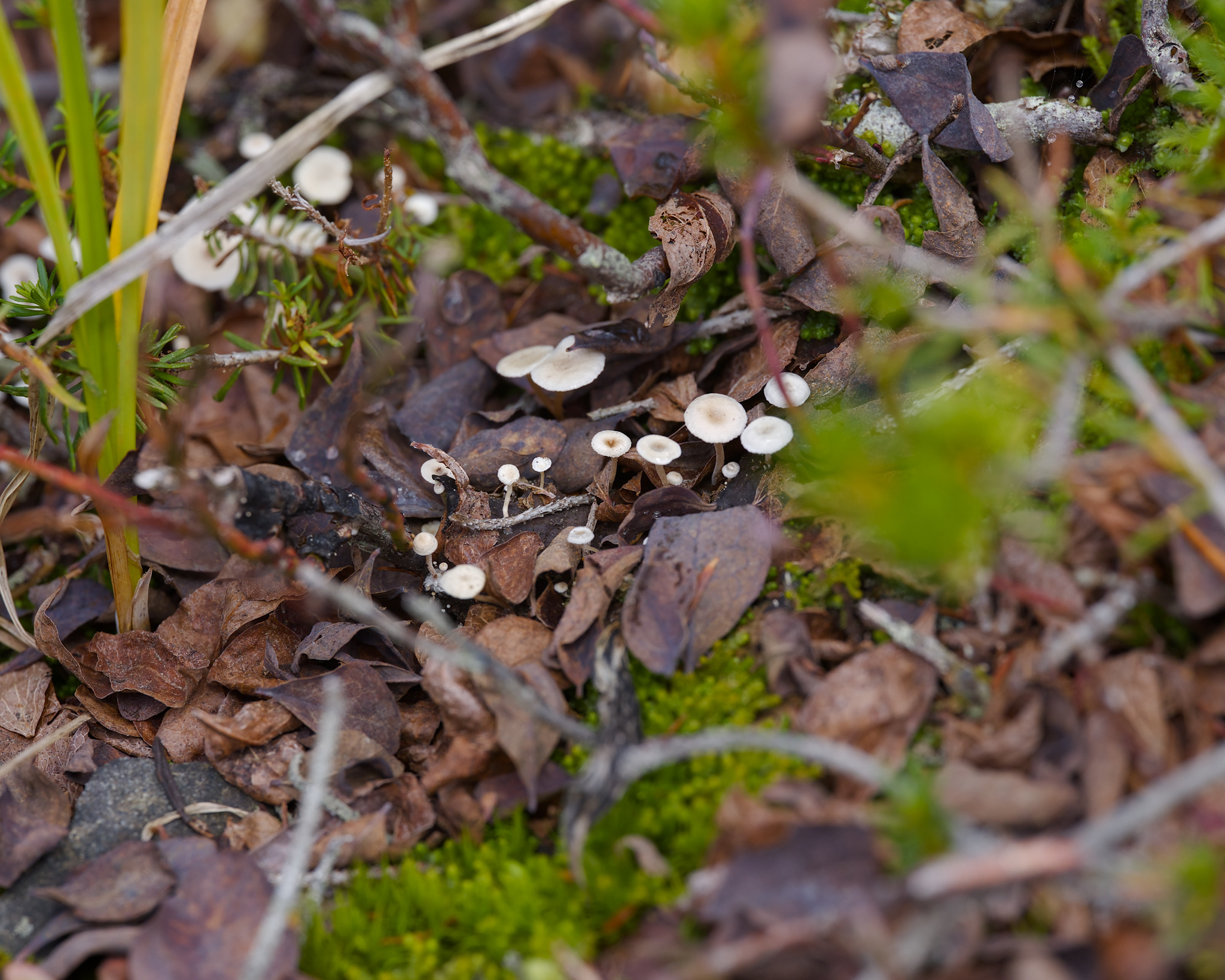
Some fairly mycenoid looking mushrooms popping out of a hole. I'm not sure where these fall, I think slightly decurrent gills and the color should help a bit but I don't mind waiting on sequences for these.
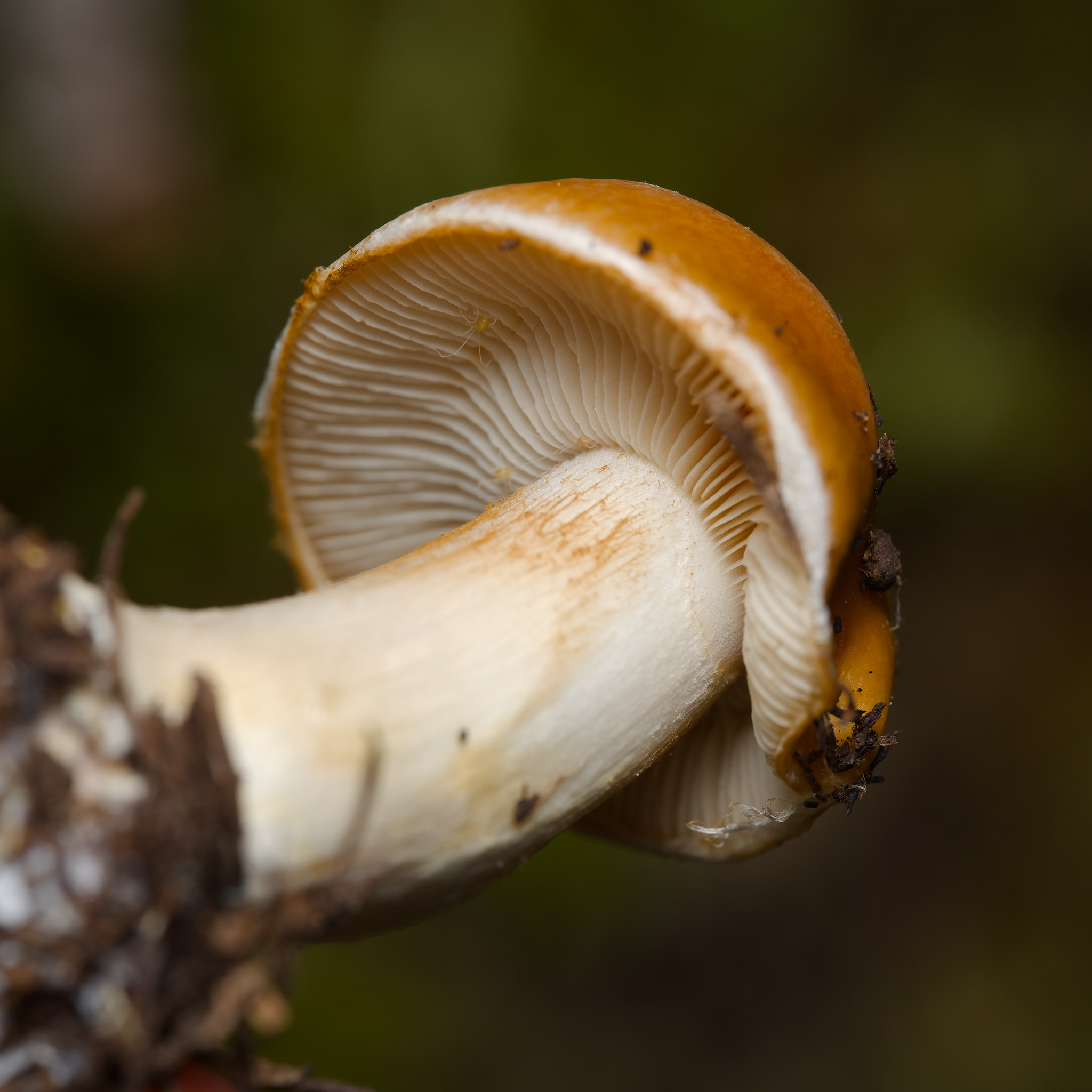
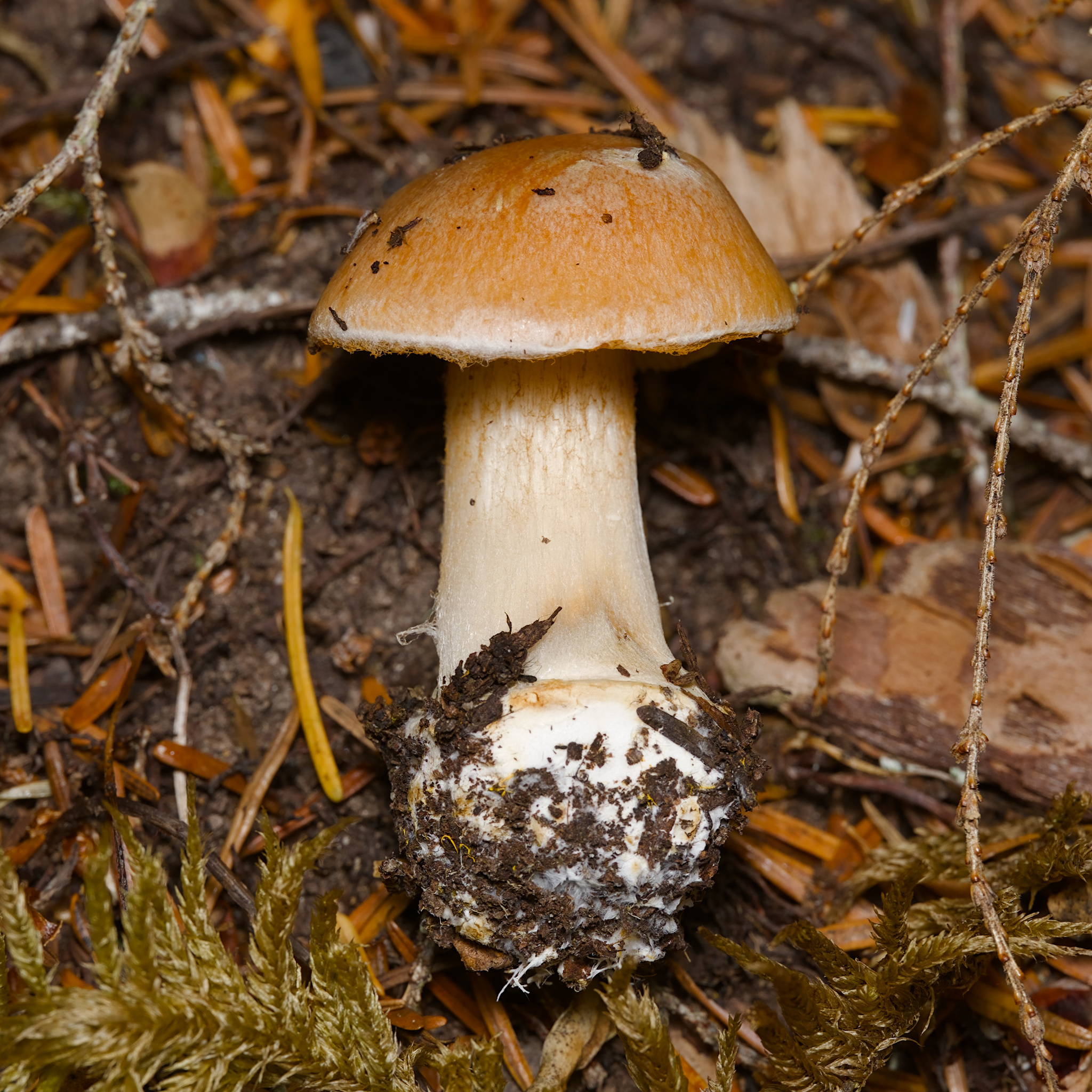
Another smooth, tan brown, mildly cortinate, medium to large, Cortinariaceae. I'm going to assume these are Phlegmacium like C. vespertinus or something that direction.
Again I'm not very experienced in the family and, my Cort pro friends are seemingly off grid. Will try to make some better educated guesses before sequence. I'm sure there's a couple of these collections we can ID to species before sequence if we really tried. I'm told spring might be easier for cort ID here though, so maybe that's a false sense of confidence.
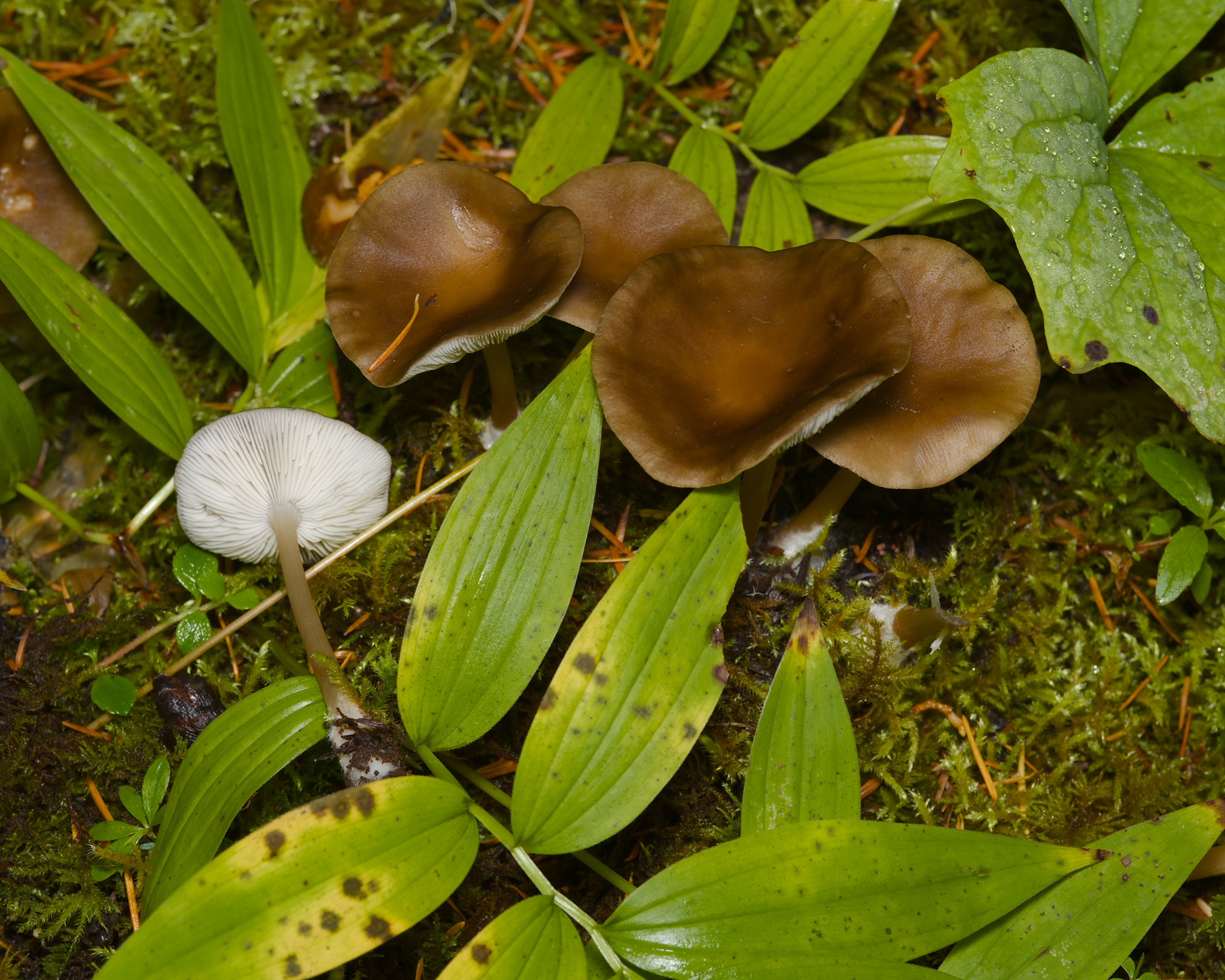
Certainly some type of small collybioid deal. I would bet this is Strobilurus or close. I think we agreed that they maybe are not the species in the genus we see most commonly. I would settle for my betting answer for now.
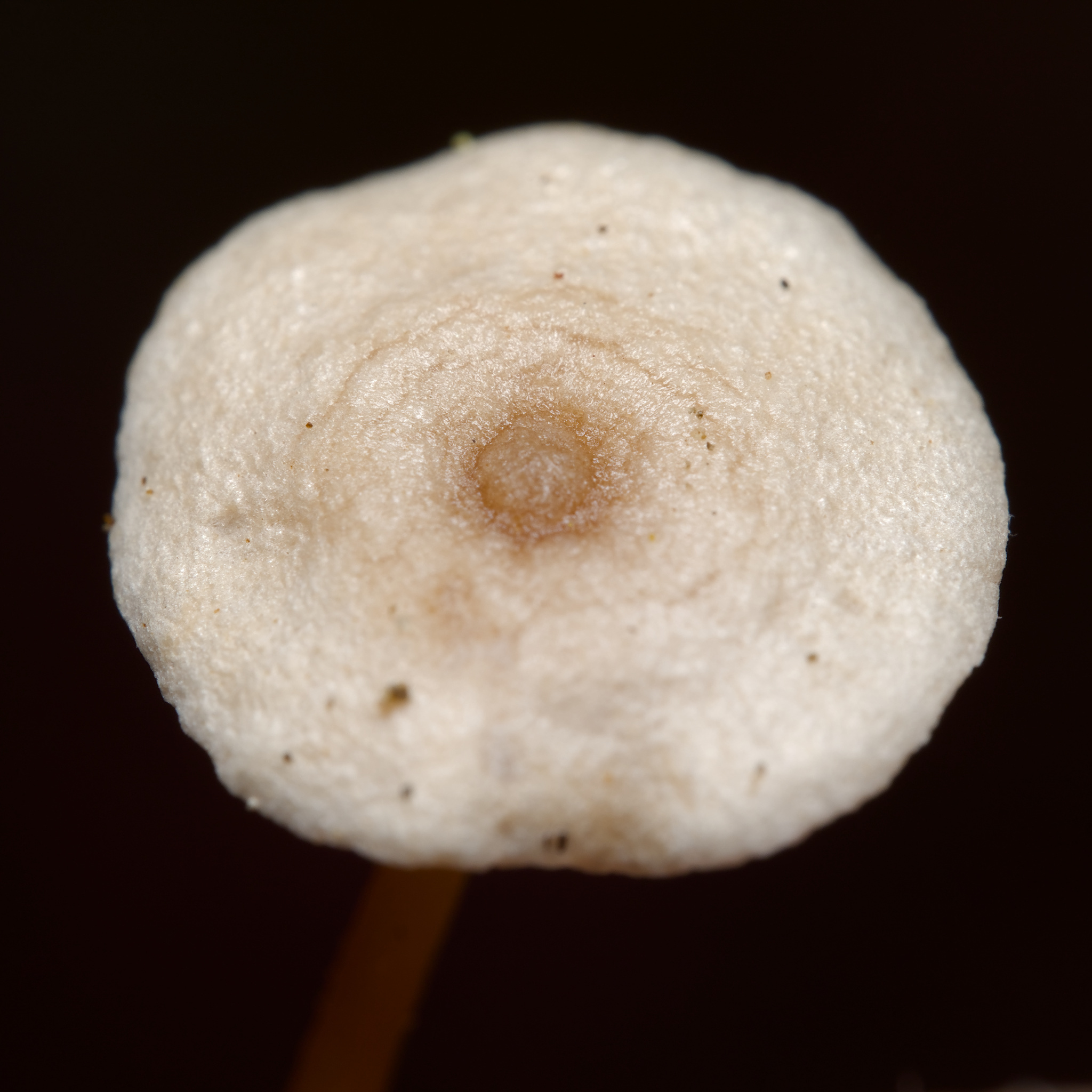
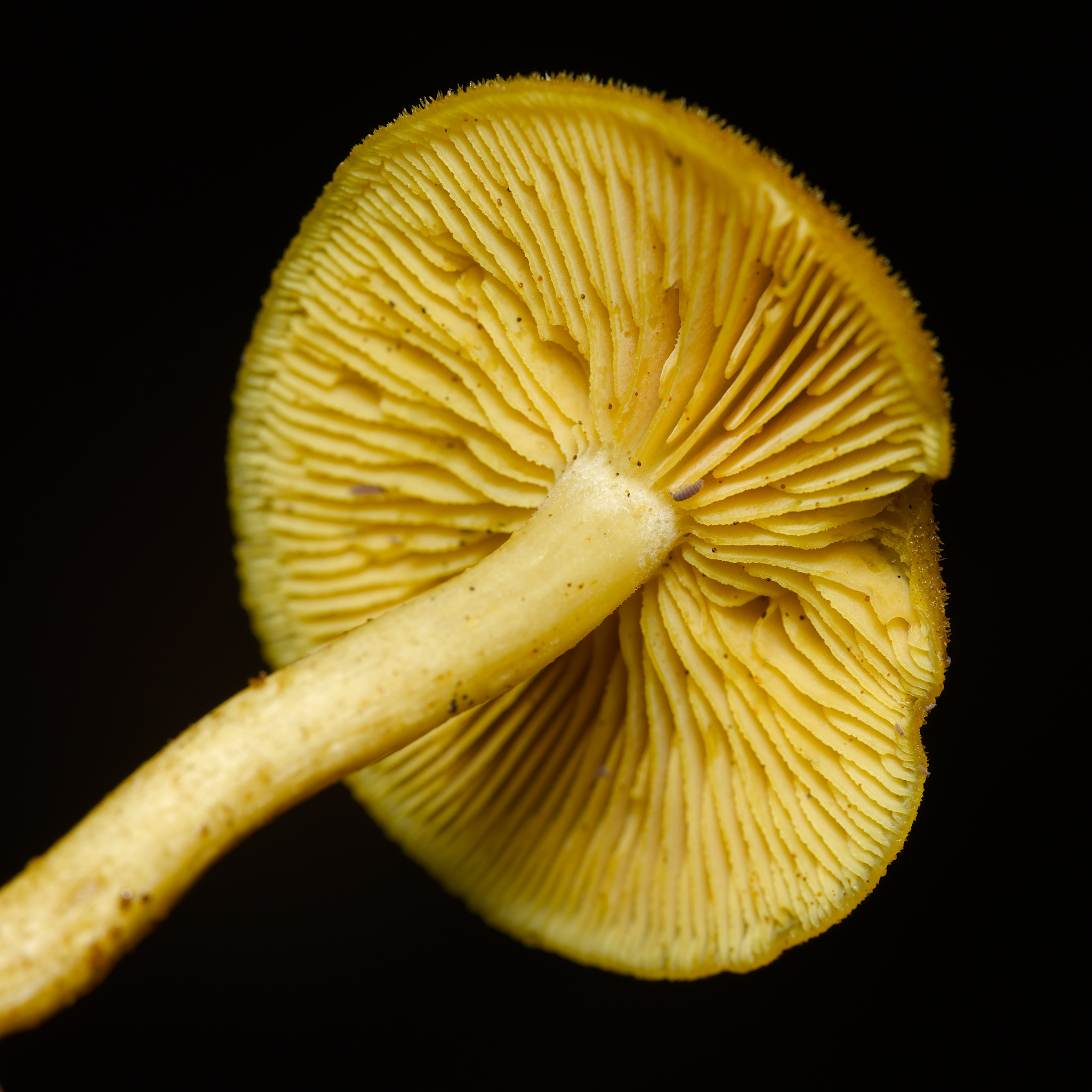
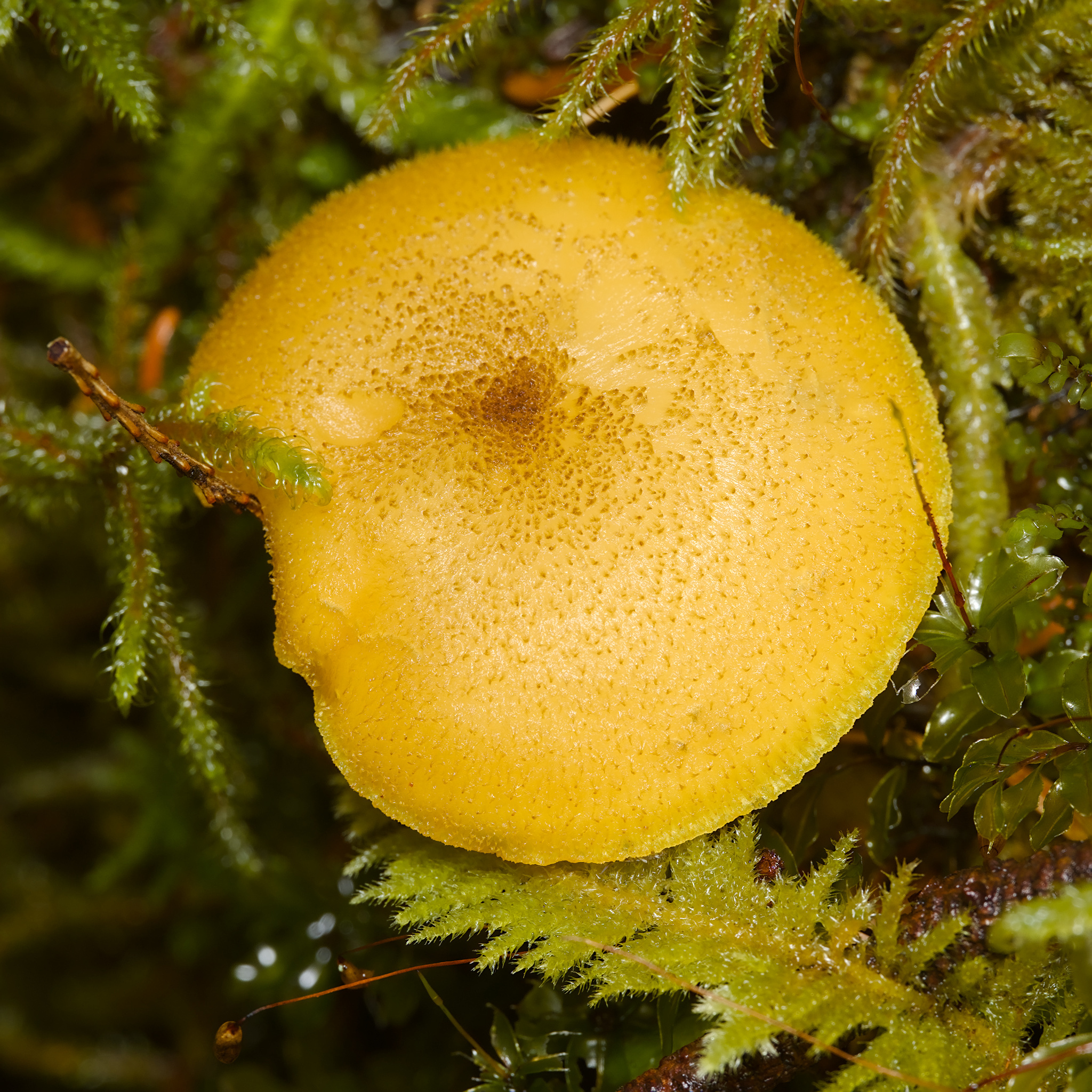
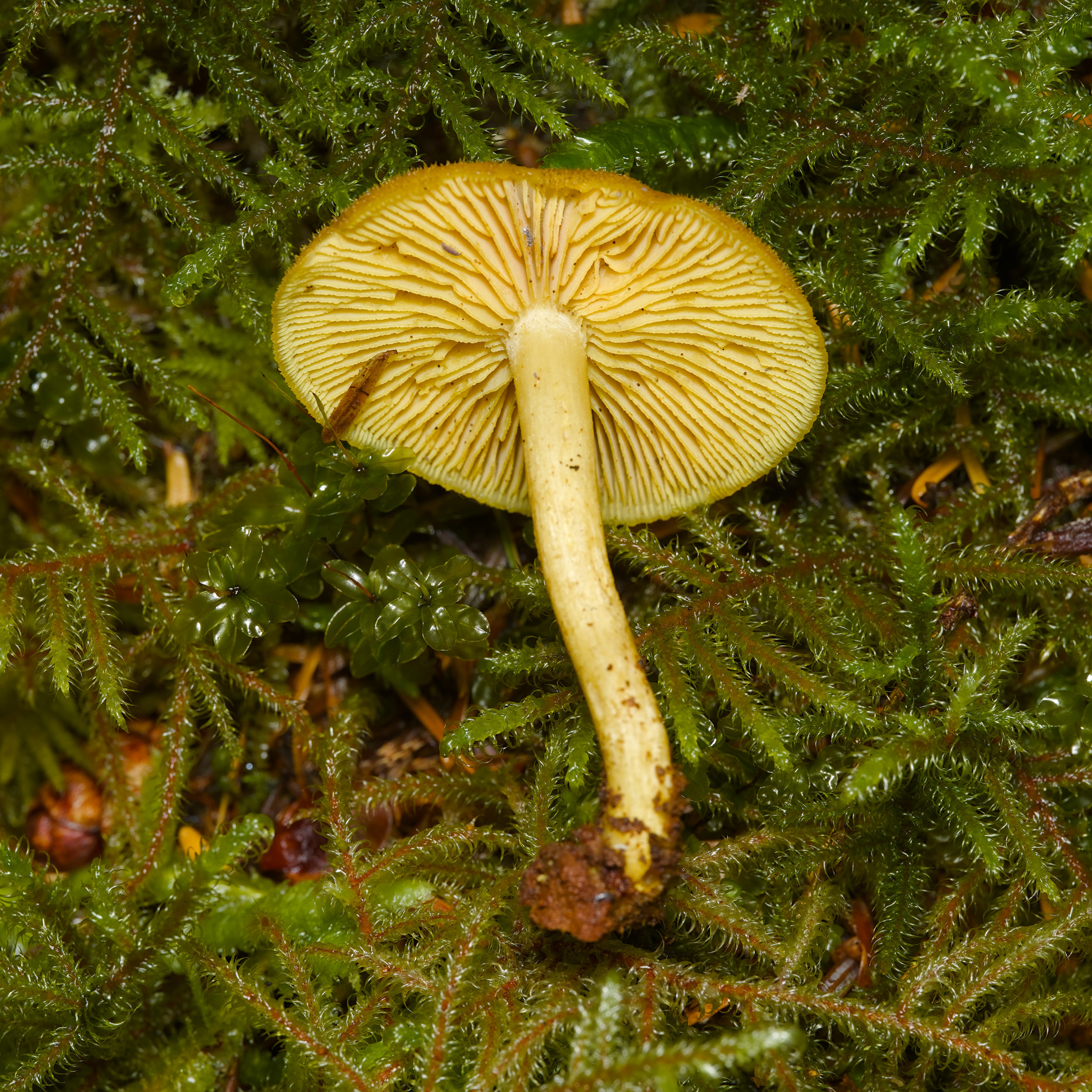
One of our local members of the genus, I don't really have a great idea of how yellow T. flammula can be. We've decided to take this and I think maybe another collection or two in the genus. I wouldn't mind one of each for survey. I do enjoy seeing the redder/pinkish ones.
I think almost certainly Hebeloma here but I don't know many specifics about this fairly bland looking genus. Perhaps section Velutipes.
Despite their bland appearance there's a bit of interesting toxicity in the genus as well as some interesting ecology. Including some studies proving some interesting relationships with plants/trees, growing them in cultivation, etc. Neat stuff that I might have to reference when looking into the ecology of some other genera we (or I) might be more preferential towards.
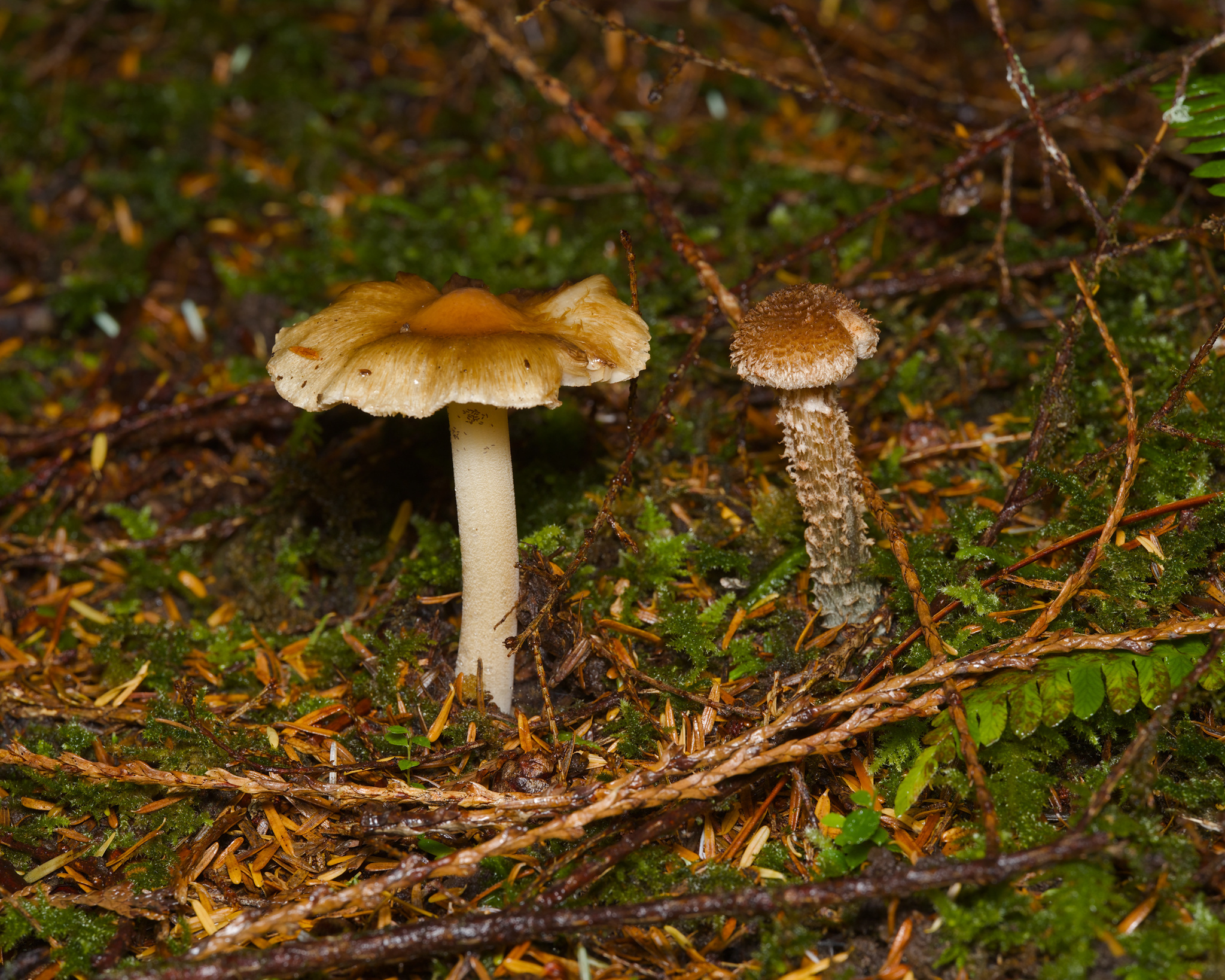
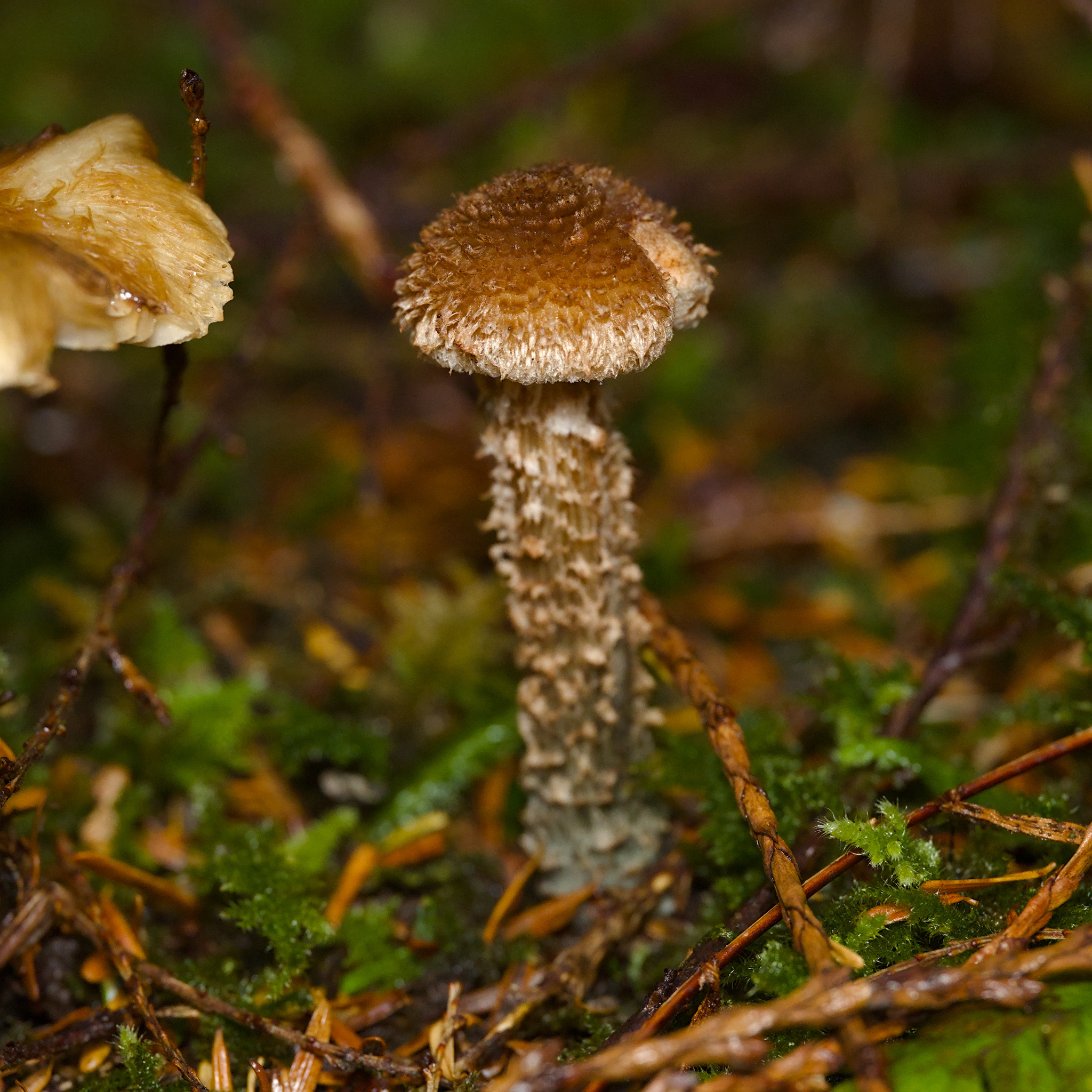
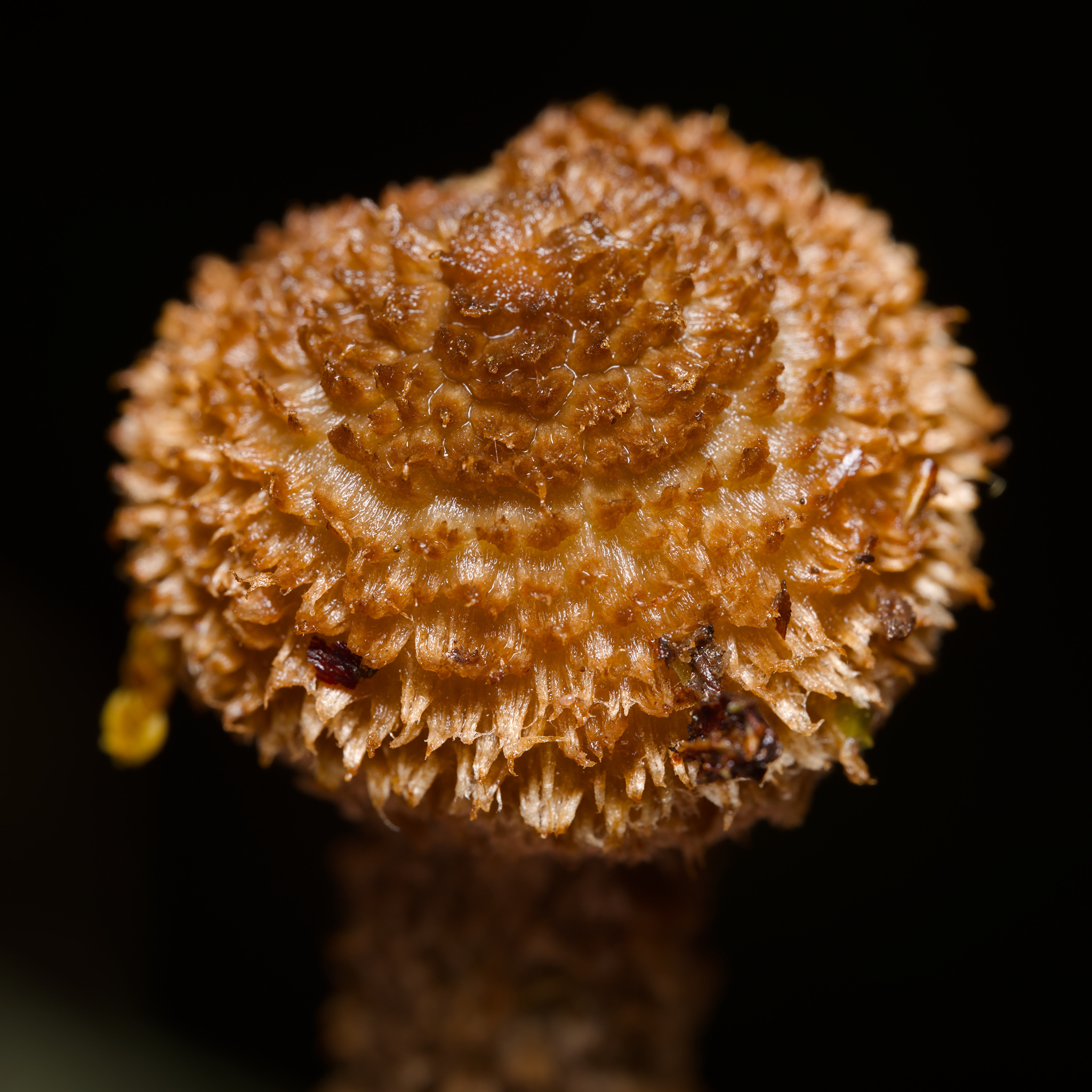
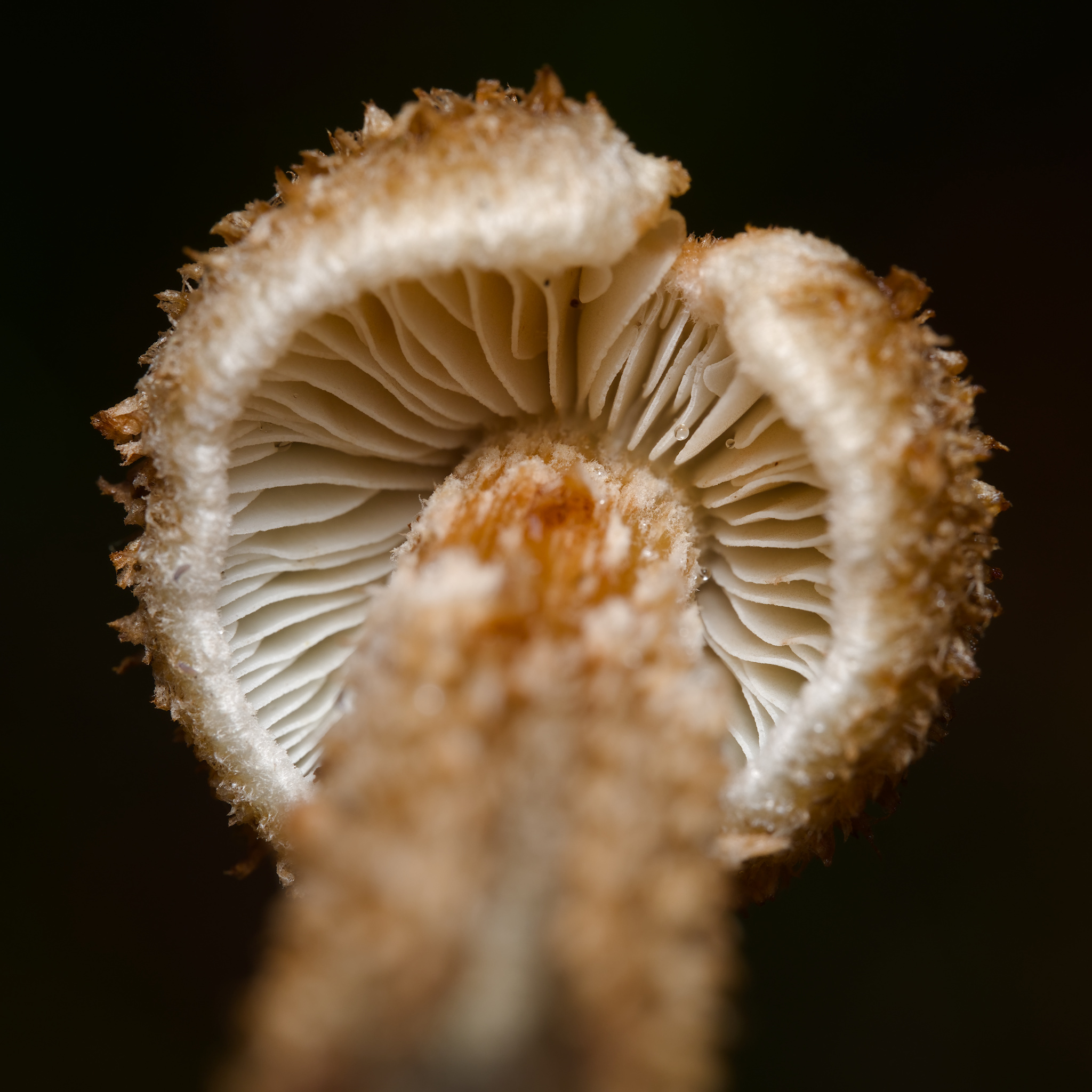
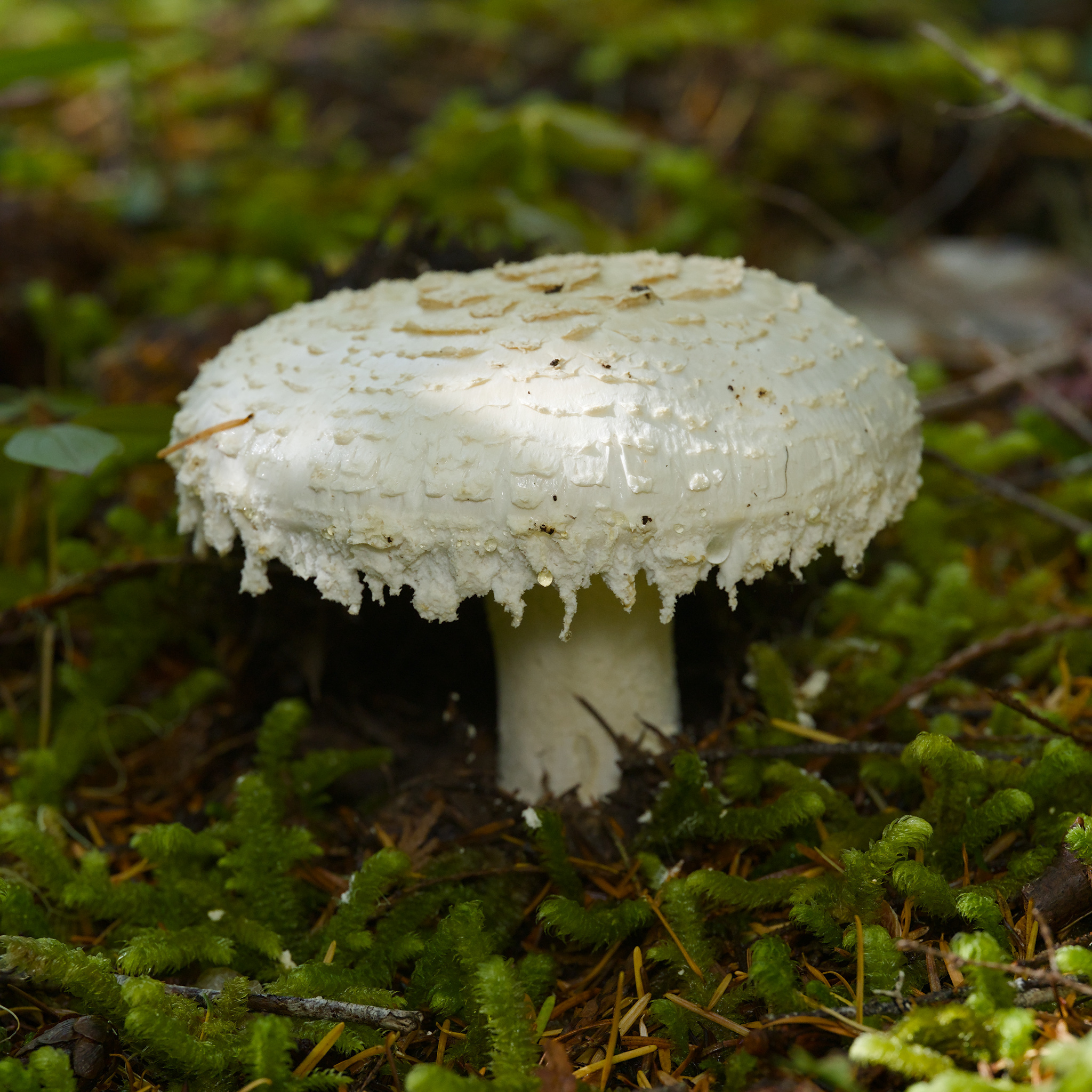
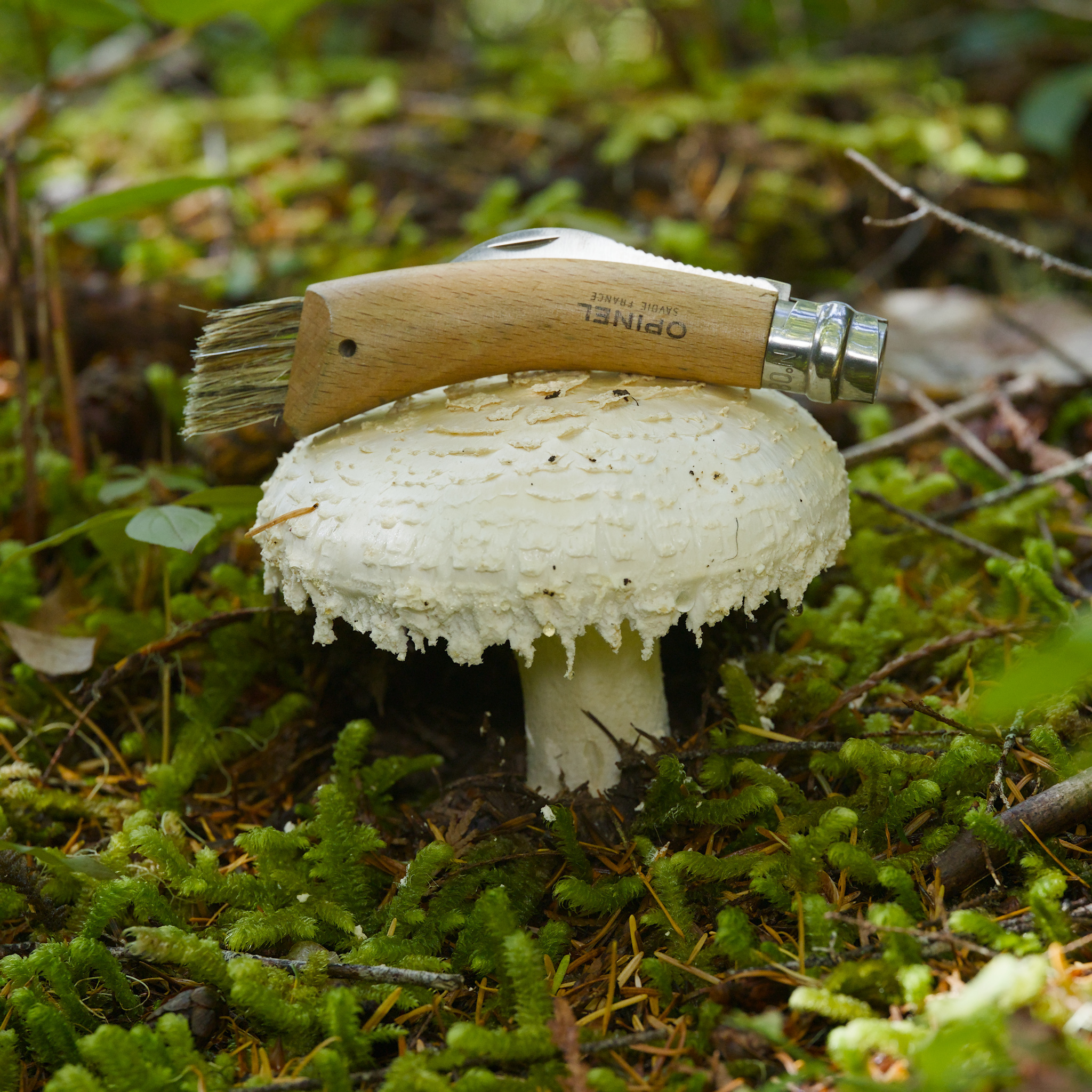
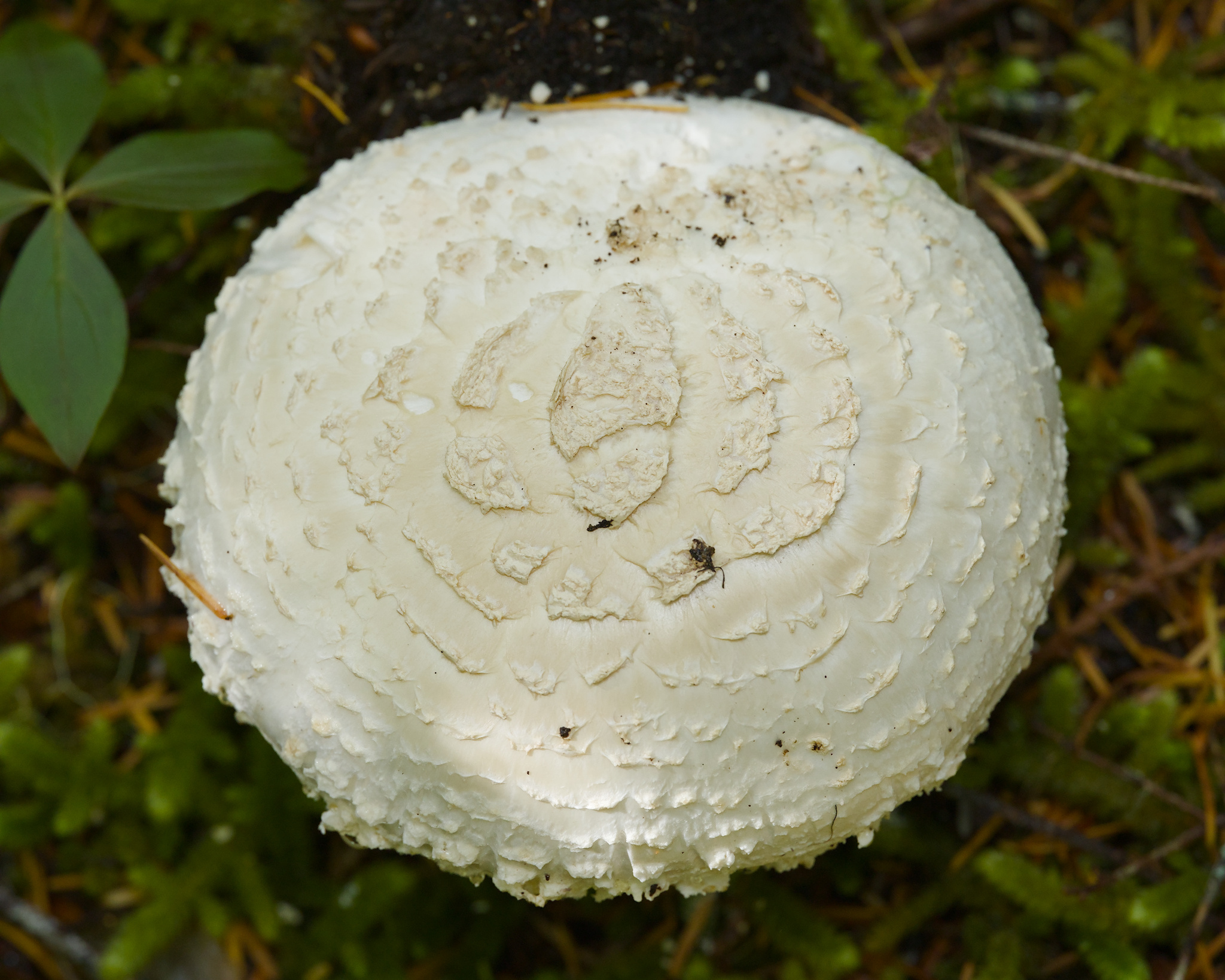
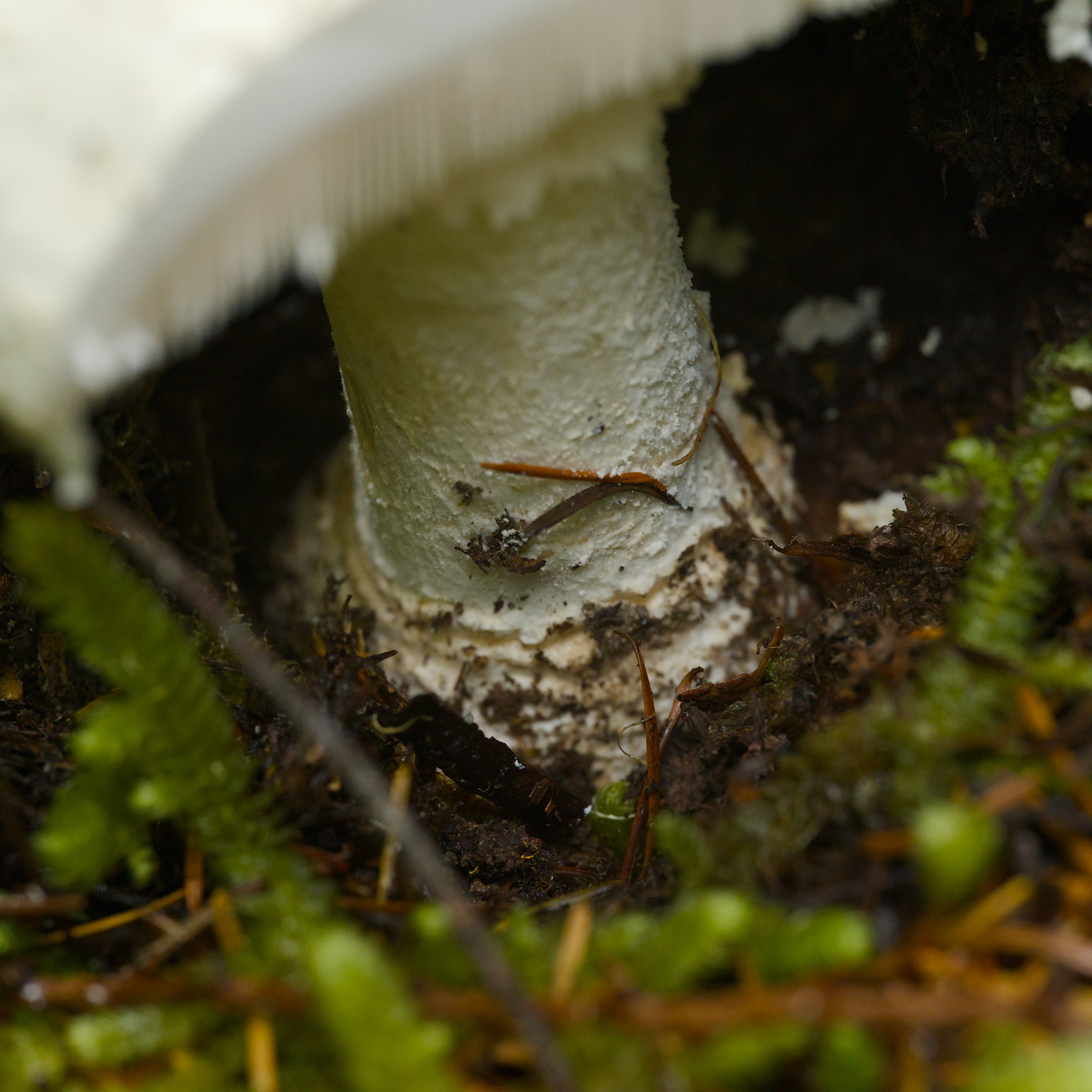
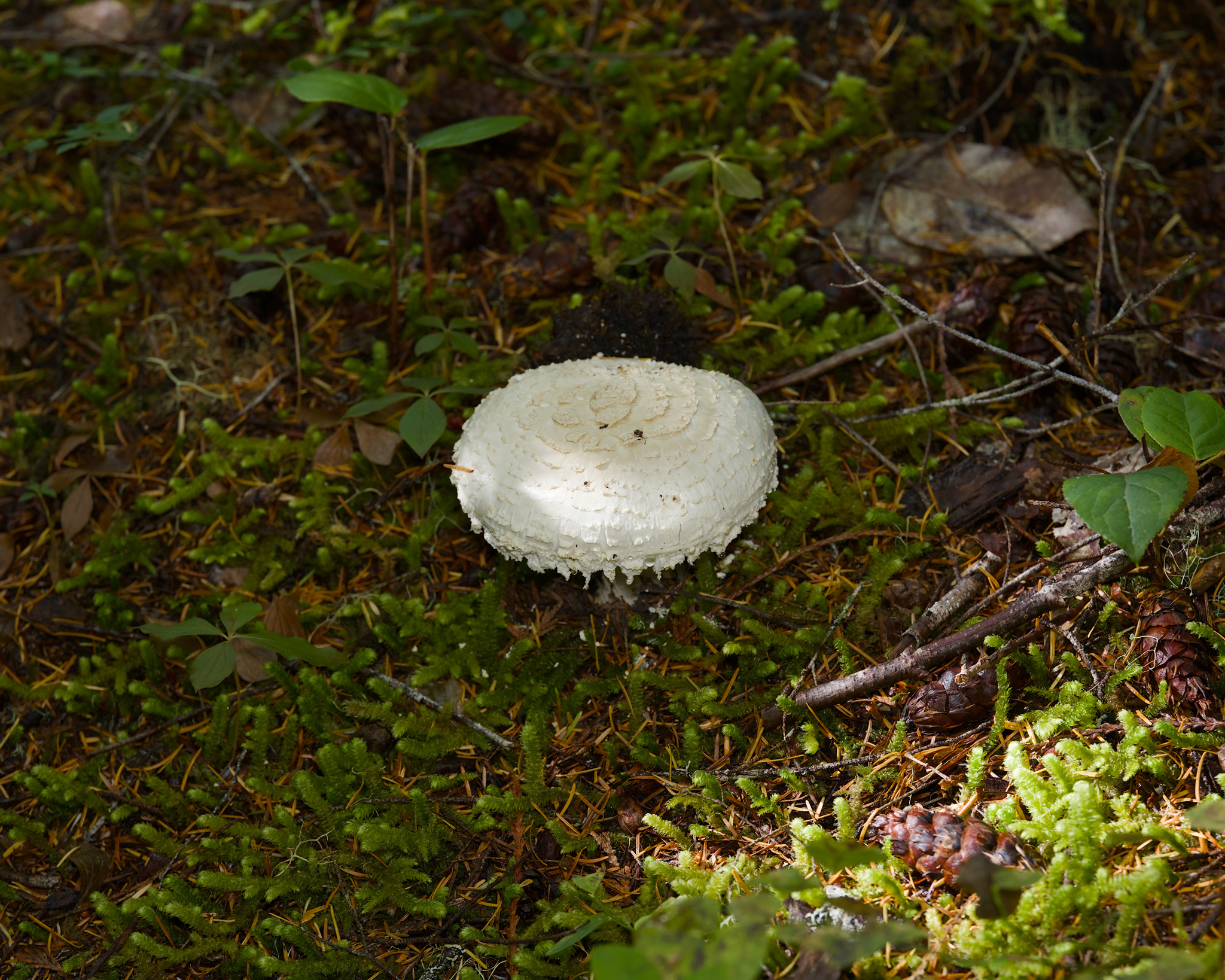
I think section Lepidella here, but am not very good at differentiating A. smithiana from it's close relatives. I think I can at least rule out a couple species from the other white, very ornamented section.
Thinking these are surely Melanoleuca. We had this labeled more generally but I believe Brodie and I were on the same page there so I've changed the title here. We've made a few collections in the genus, all somewhat different. It will be nice to do both more micro here and get all the sequences back, so that we can attempt to target some of the others going forwards.
Since I don't have much else to say about this genus I'll just note about observation titles, sometimes they will be more general, sometimes more specific, etc. Sometimes sorted more specifically on the species directory, as a tentative placement. What have you. Anyways, take care!
×
‹
![Expanded report image]() ›