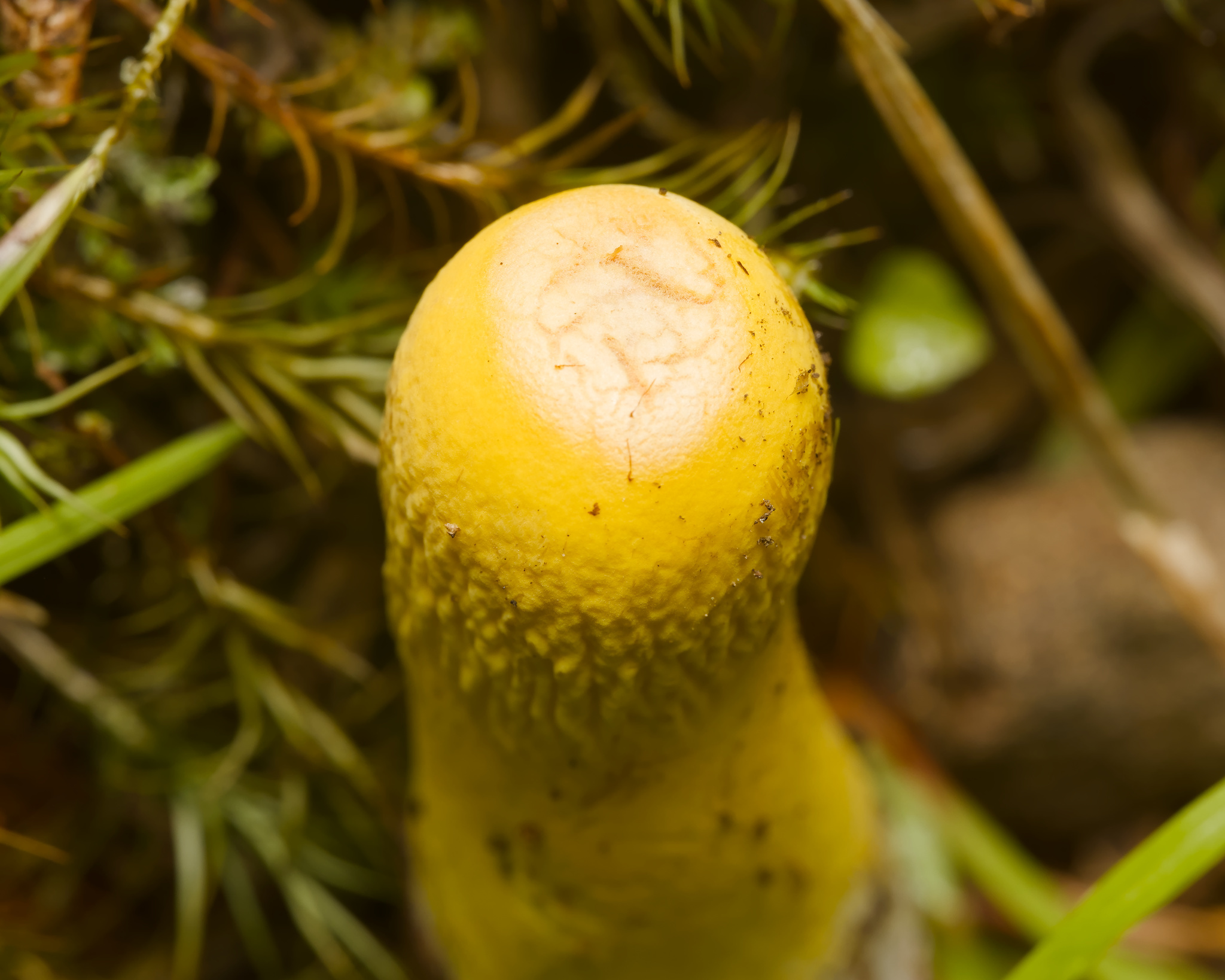
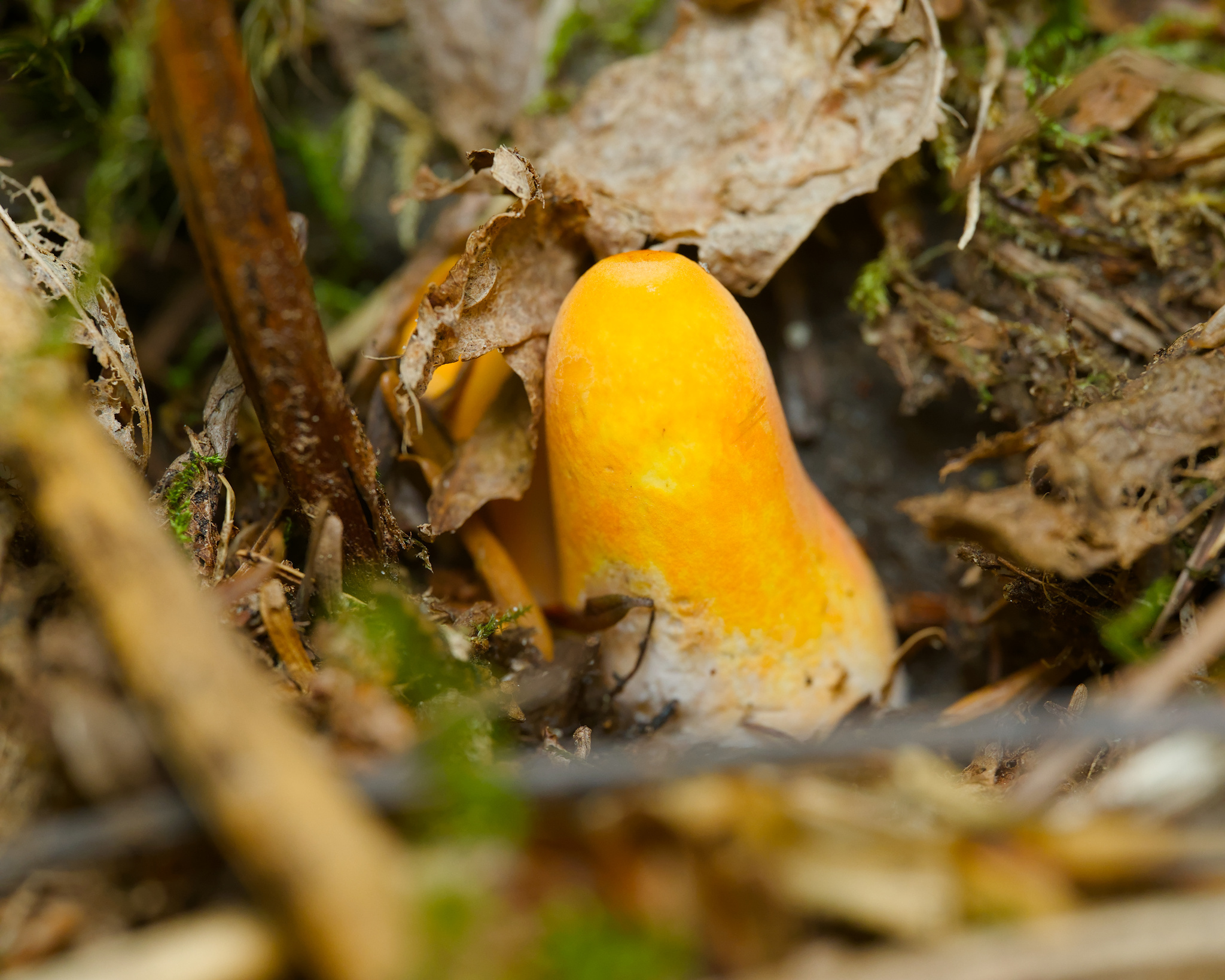
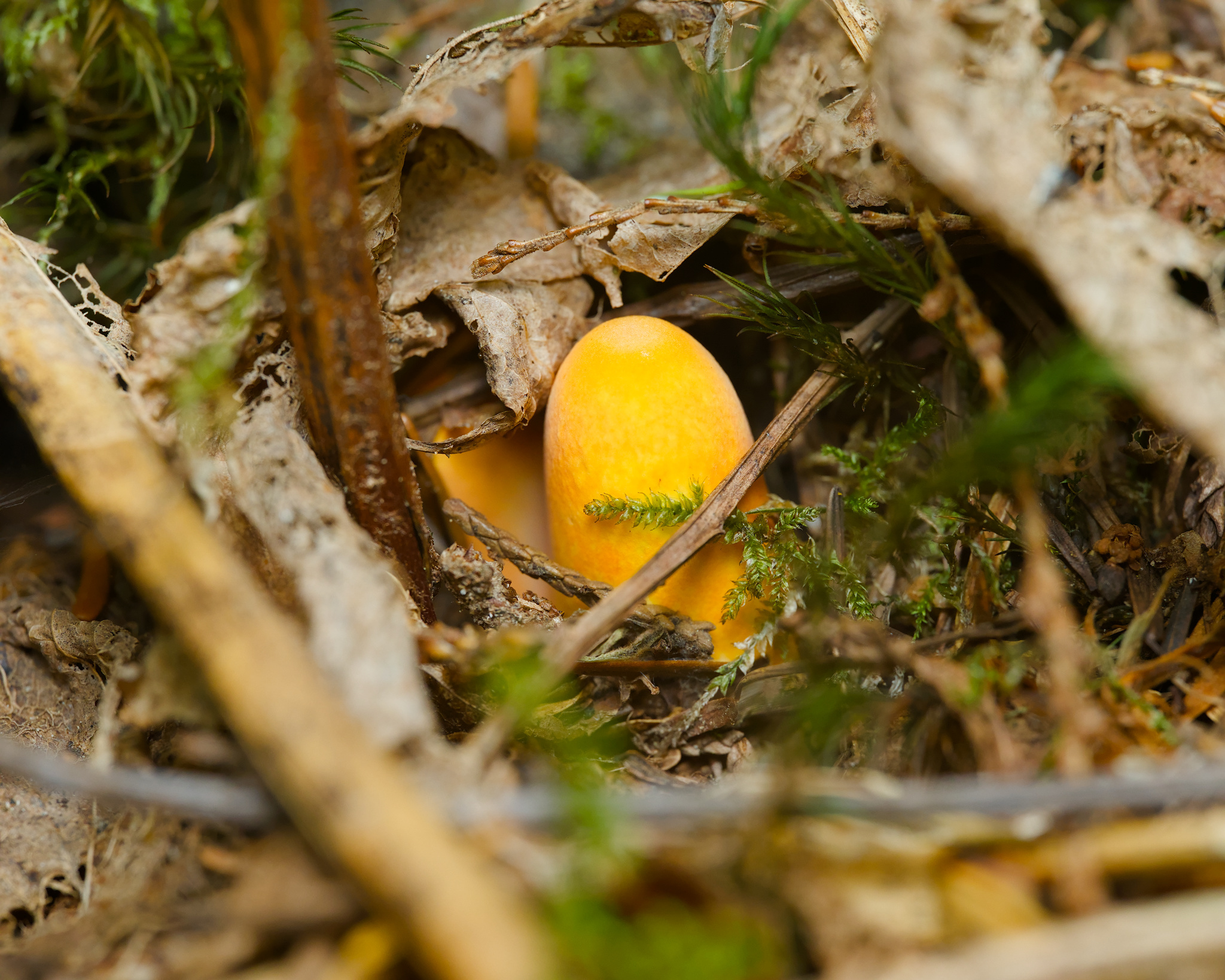
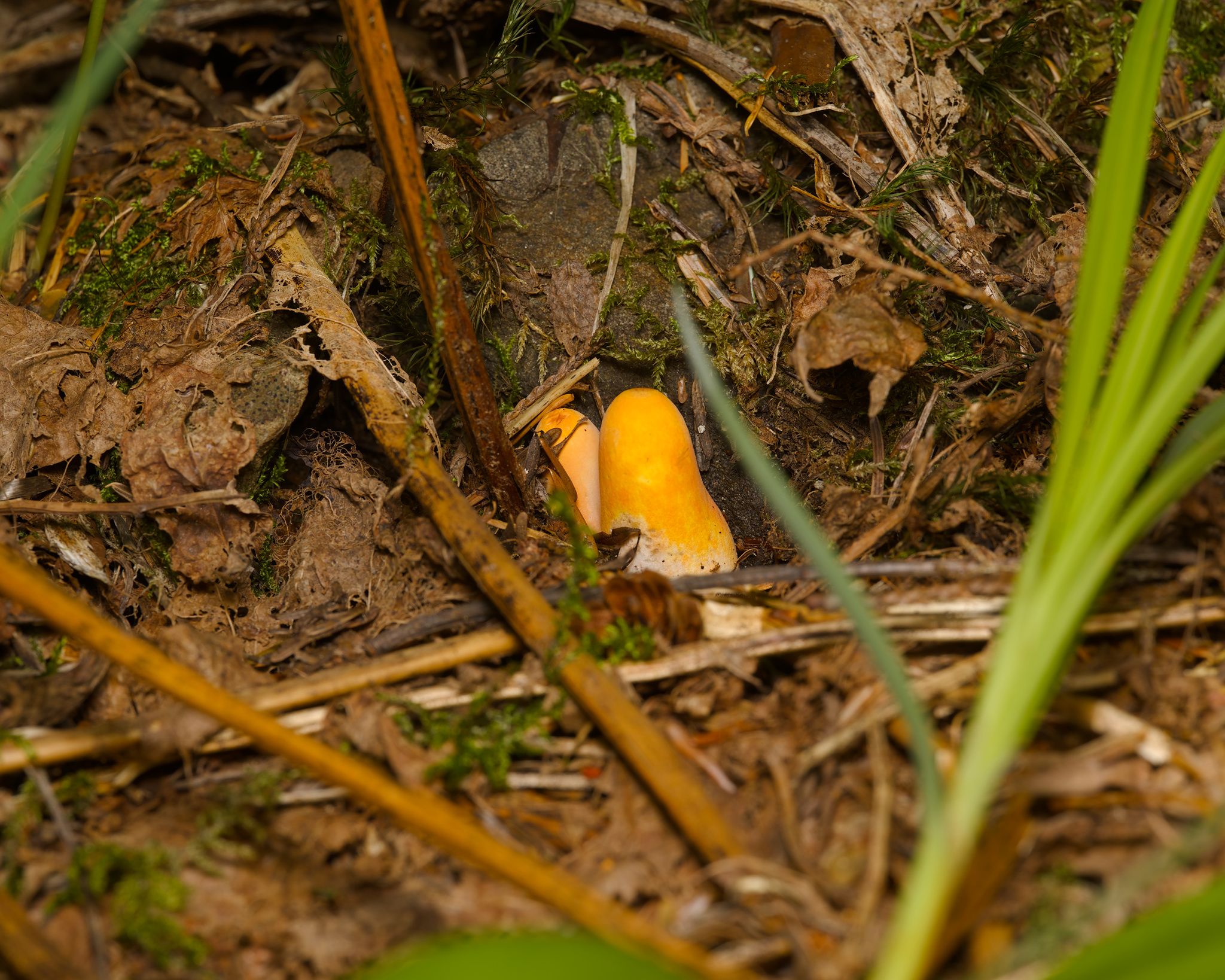
GSM-NONP Progress Report July 2026
Springer B., Burt J.
Robogenesis / intoishun
Olympic National Park
Washington State, USA
*This report will be updated as sequencing data is received. Results will be added along with additional comments. Last updated October 24, 2026.
Hello all! As I write this in October, July seems like a far-off dream. However, scrolling through the observations here reminds me of the mushrooms we found at the tail end of the month, along with those Brodie found solo beforehand.
Seeing as we have only recently submitted our July collections for sequencing, due in part to a massive kerfuffle with USPS losing a box of samples, it seems fitting to make another attempt at a progress report.
These were initially intended to be progress reports only, but have grown into something more, with regular updates and an increasing focus on our sequencing results. Considering the delays in getting our collections to the lab, it makes sense to maintain these as progress reports, while continuing to provide updates as results become available. One unforeseen benefit of the delay is that our collections remain under analysis for longer, allowing me to contribute additional data, such as my below-average microscopy, at my convenience. Which is not bad! I can confirm that, while an issue with my day job and scheduling caused me to miss a repeat visit at the end of September/beginning of October, I have indeed made a couple of trips back up to Olympic to assist with collections in person, including at the tail end of July!
During this dry time of year, we targeted the wetter areas of our broader park survey area. Much like at the end of winter, a focus on the coast seemed suitable when we joined forces again. Going forward, I think we will continue trying to make these end-of-month/beginning-of-month trips work. We will also be working to get our collections sorted and sent to the lab sooner, particularly with recent developments in how we select and send samples. Eventually, as the technology continues to develop and become more "consumer" priced, I think we will try to run our own sequencing. That's still a decent ways away, though, so for now we will simply focus on improving what we're already doing.
The current delays in our efficiency are not a huge deal, particularly considering that my personal life and day job have limited our ability to meet in person and get work done remotely. It is also only fair to consider the package USPS lost, originally sent in July and never recovered. Sorry for the repetitive nature of this part of the rant, as the reader can imagine, losing a package was lame.
I'm not necessarily trying to make excuses here. We don't owe anyone this extra reporting, but I do want to provide some explanation for the delays on my part. It would also only be fair to explicitly mention that Brodie has dedicated a vast amount of time to this project and is always available to further our progress. I look forward to continuing this study and, as usual, feel that we are making progress toward streamlining our methods.
I think our goals remain fairly general for now, although we intend to gradually narrow our focus regarding collections and retention. Currently, we are still making some collections for the purpose of a broader survey, but by the end of this study in 2030, we hope to have shifted more of our attention toward a few families or even specific genera. The intention is to continue our general survey while gradually developing a more targeted approach, allowing us to contribute more of the data needed in specific areas.
This would also increase the likelihood of discovering something novel, which seems to be one of the desired outcomes behind the park's acceptance of this kind of research. This has been mentioned before but trying to keep context going.
I mention this again because, notably, in the other park where I am conducting research, the potential for novel findings is my primary criterion for retention. We have not been provided the same opportunity there to select a few collections each month for permanent retention.
I wouldn't say we are being forced in this direction. Rather, we are happy to contribute new data, even if the park's justification for limiting collections doesn't necessarily fit the more widely accepted understanding of fungi as a "resource." We understand that the definition being applied to limit our study is outdated, rooted more in the traditional approaches to studying plants and animals. We also understand that our research could very well help change this understanding for the park!
Anywho, onto July's progress report! I am happy to catch everyone up while we await our now further-delayed lab results. At no fault of the lab, to be clear. MycoMap / Mycota / Stephen's team has been great to us so far!
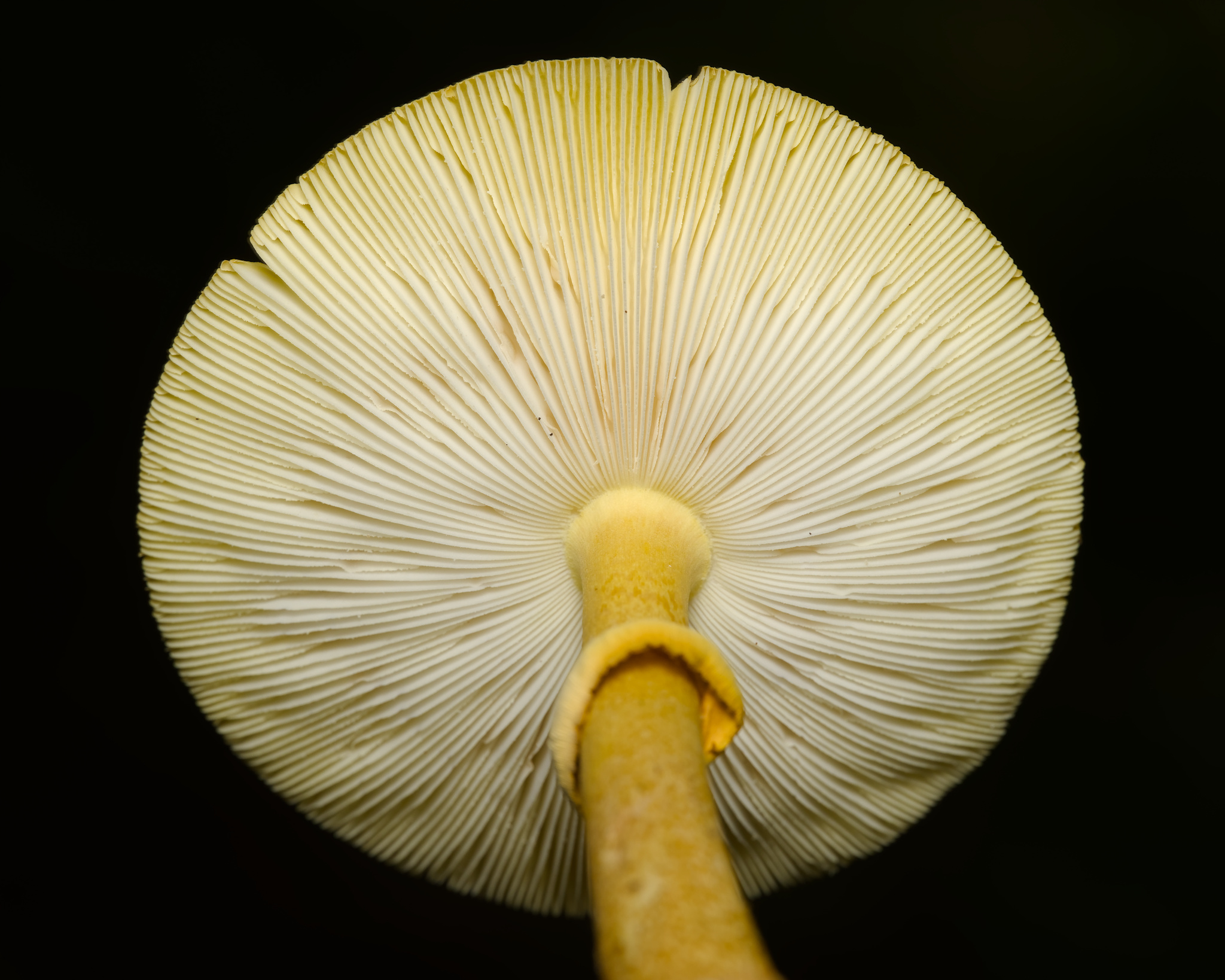
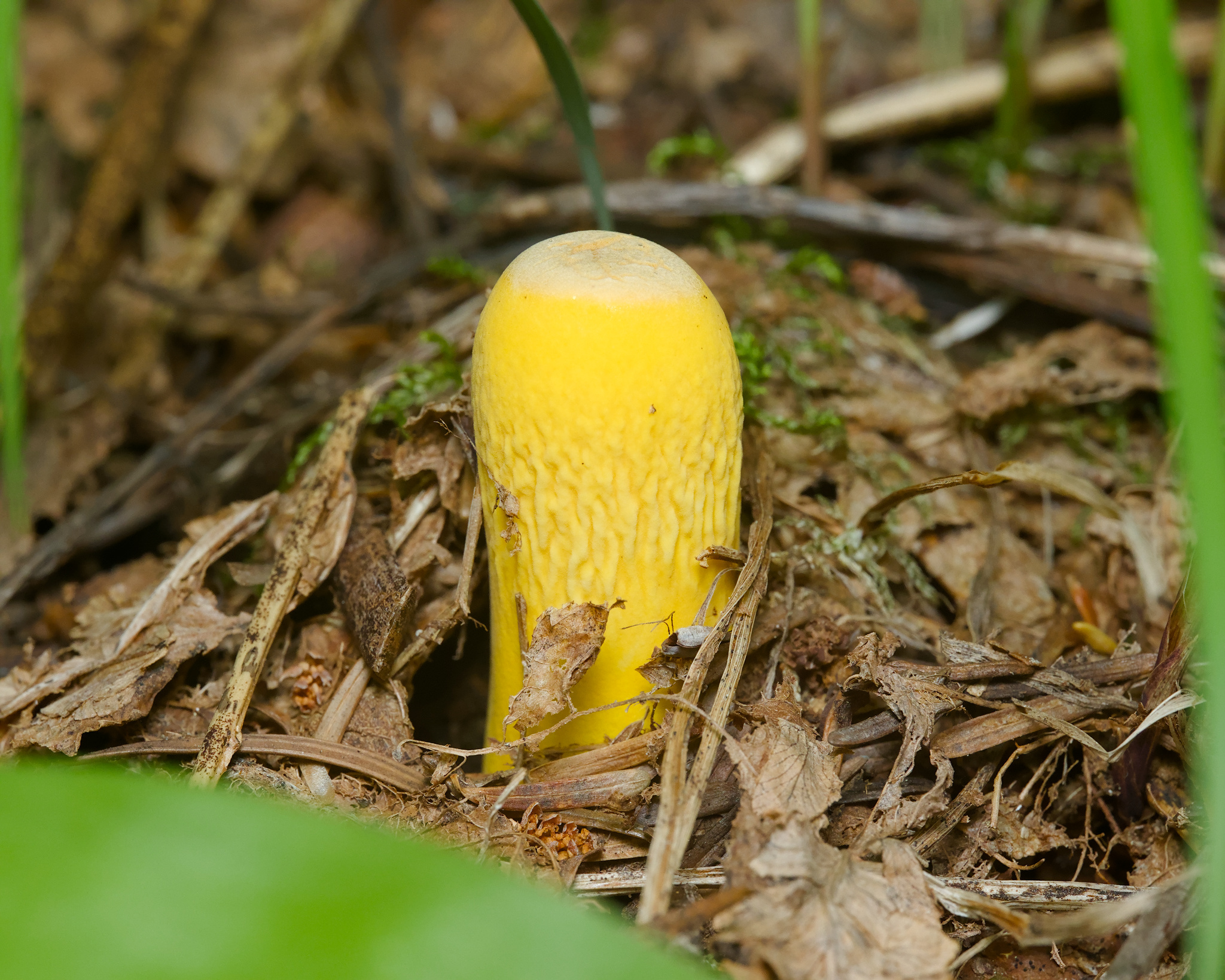
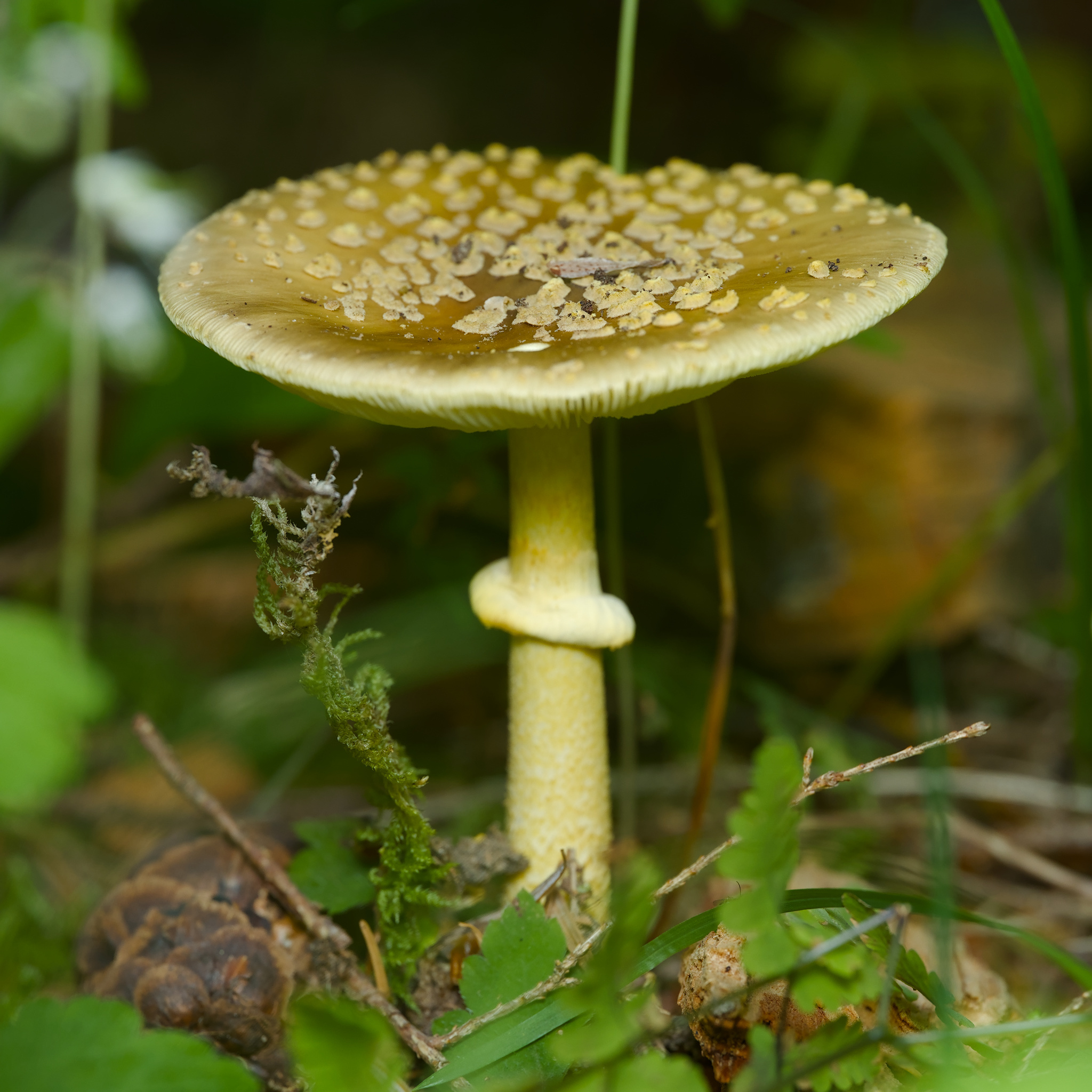
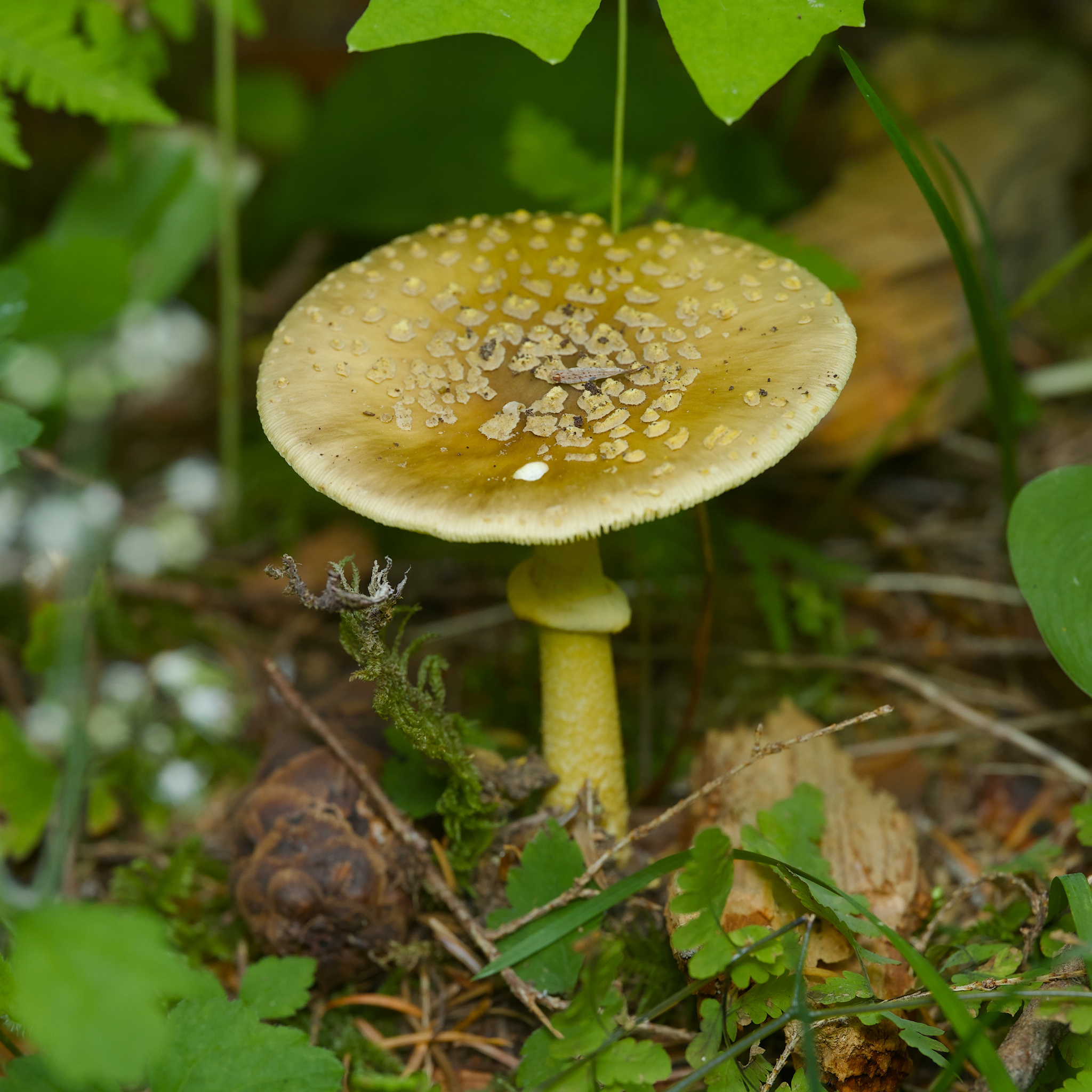
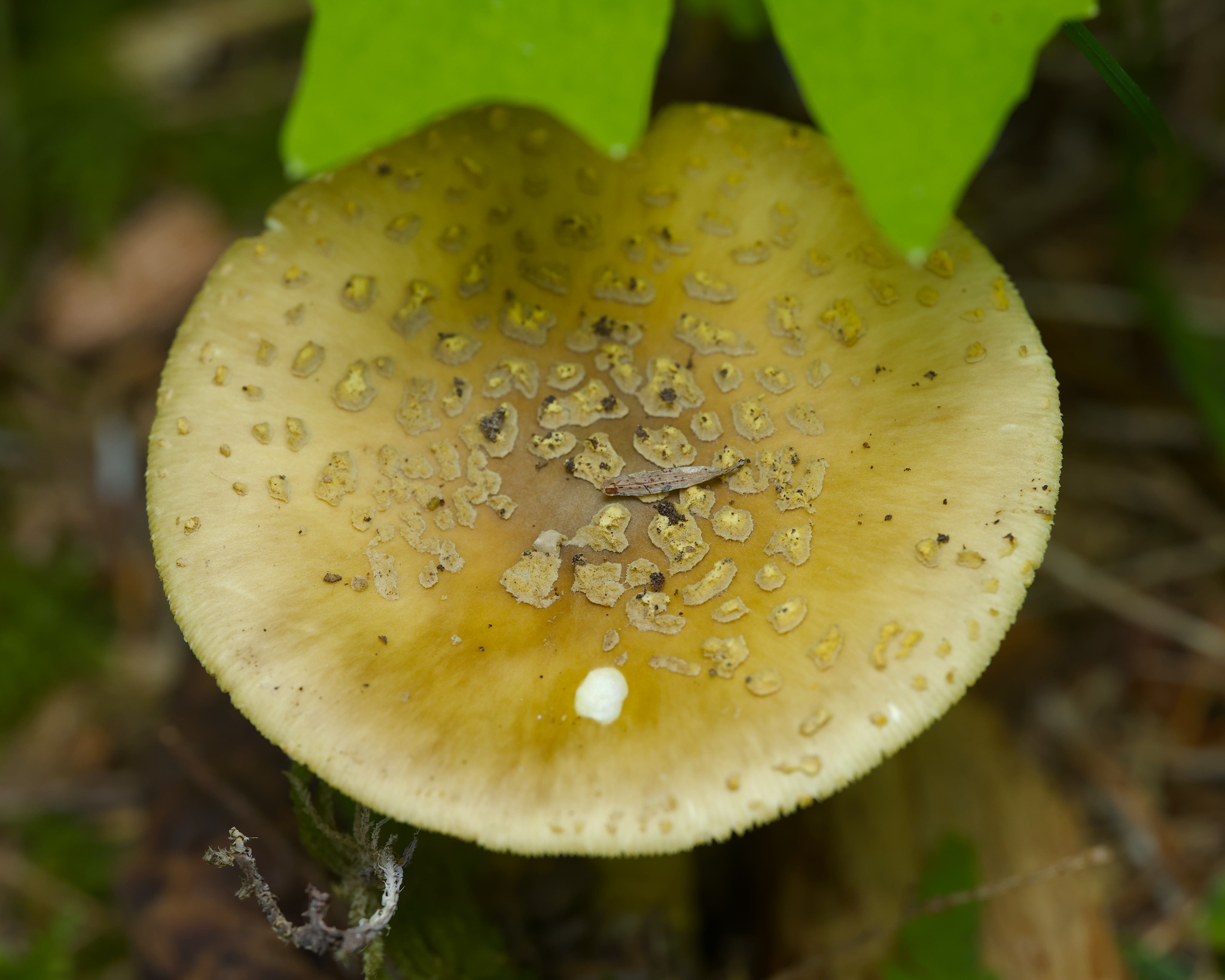
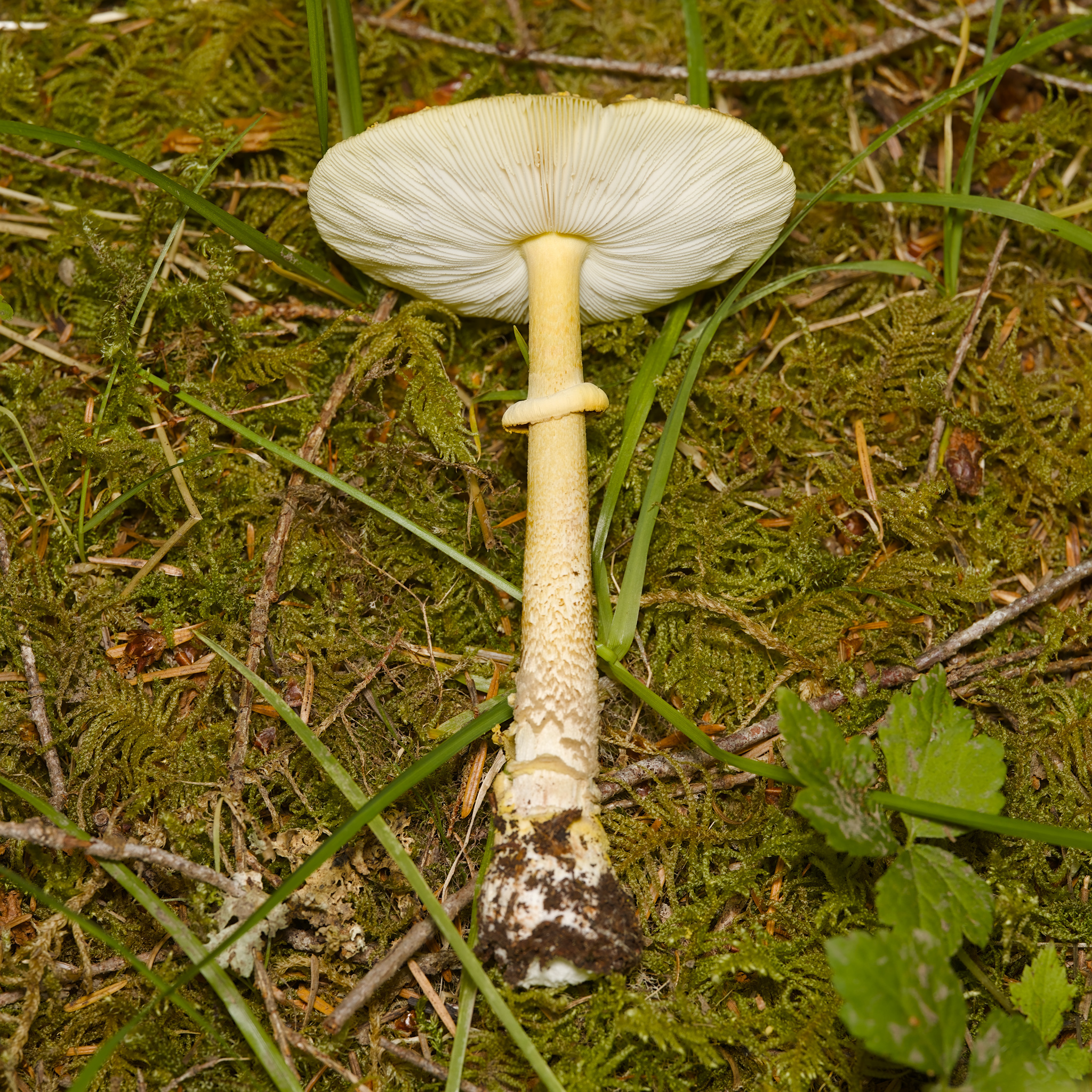
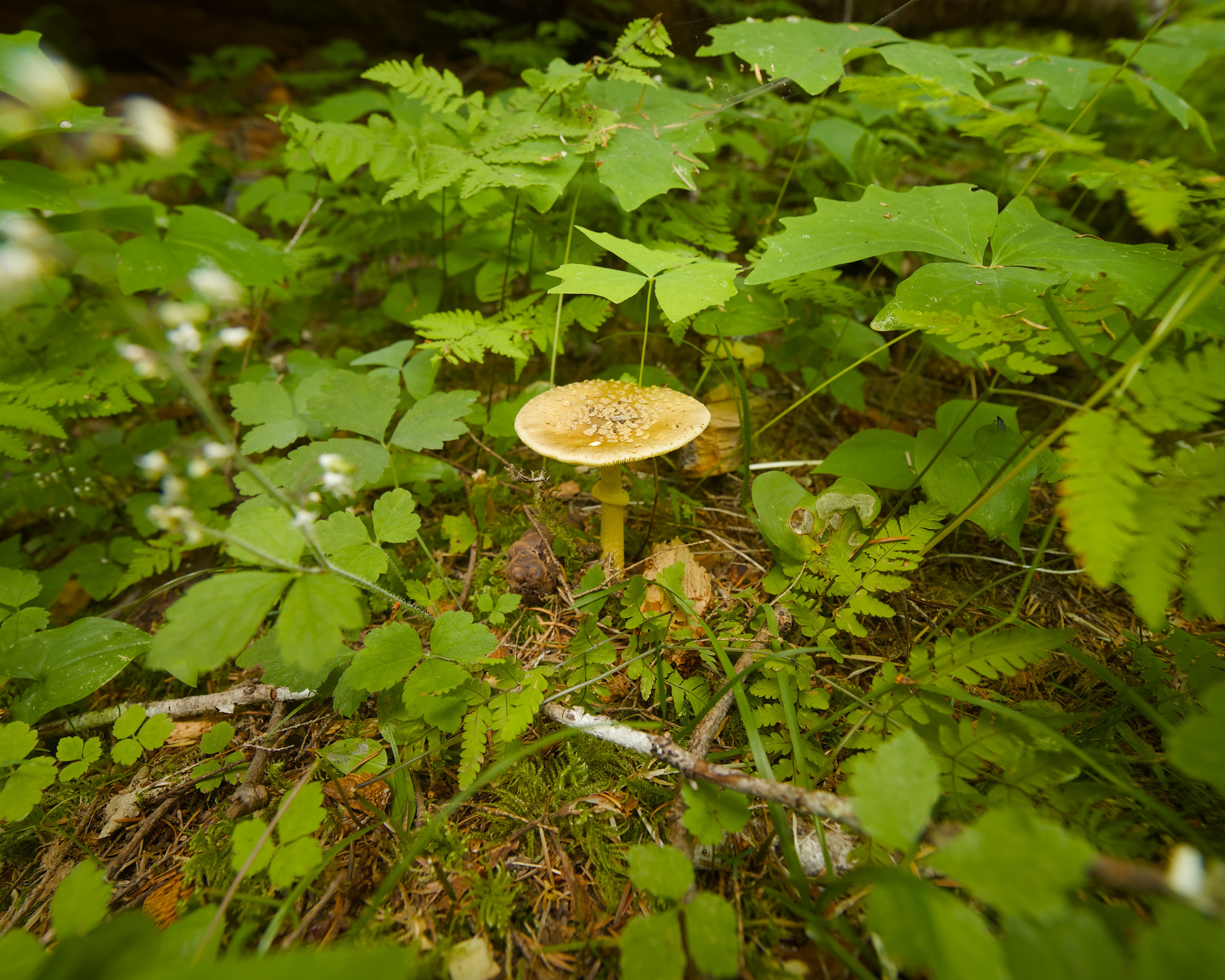
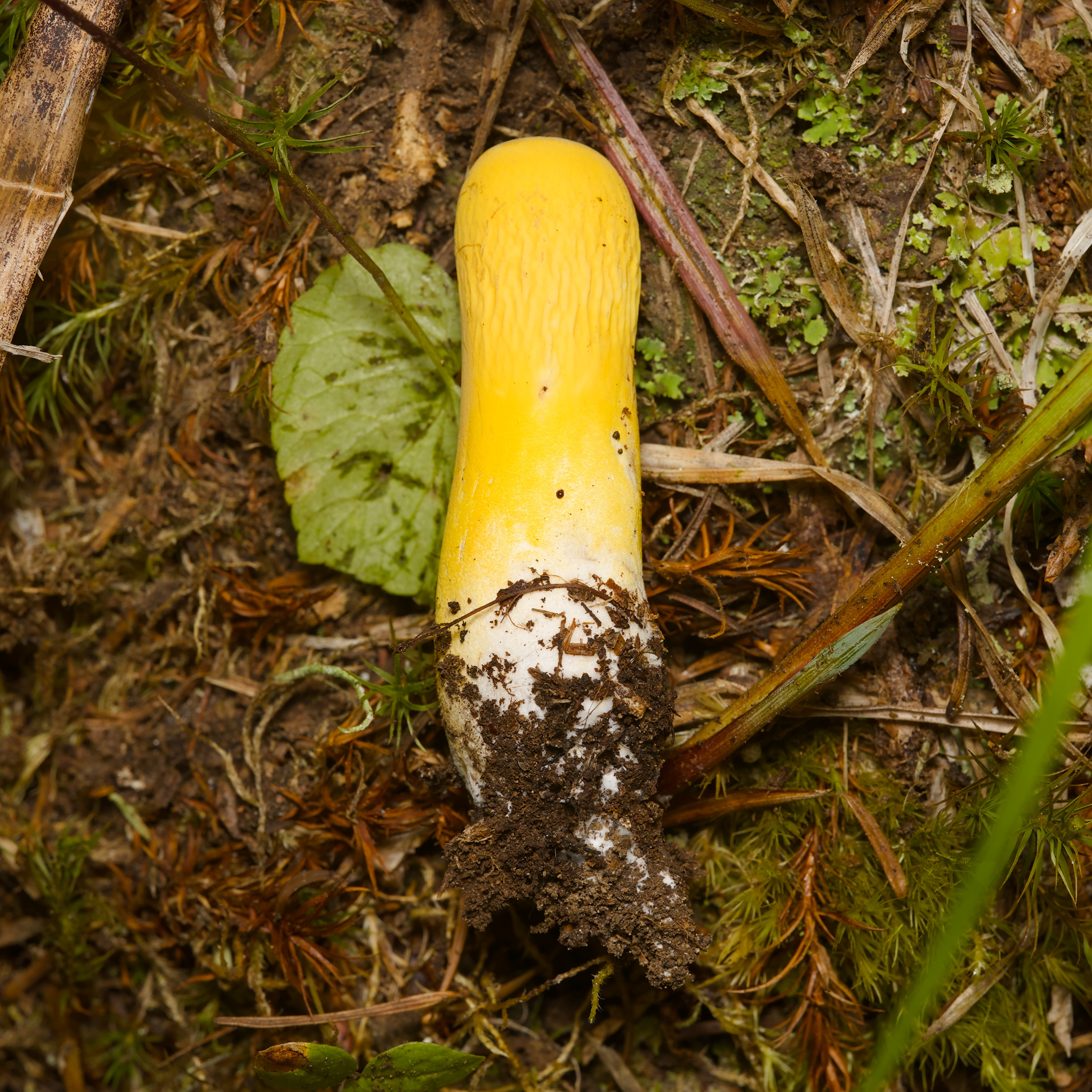
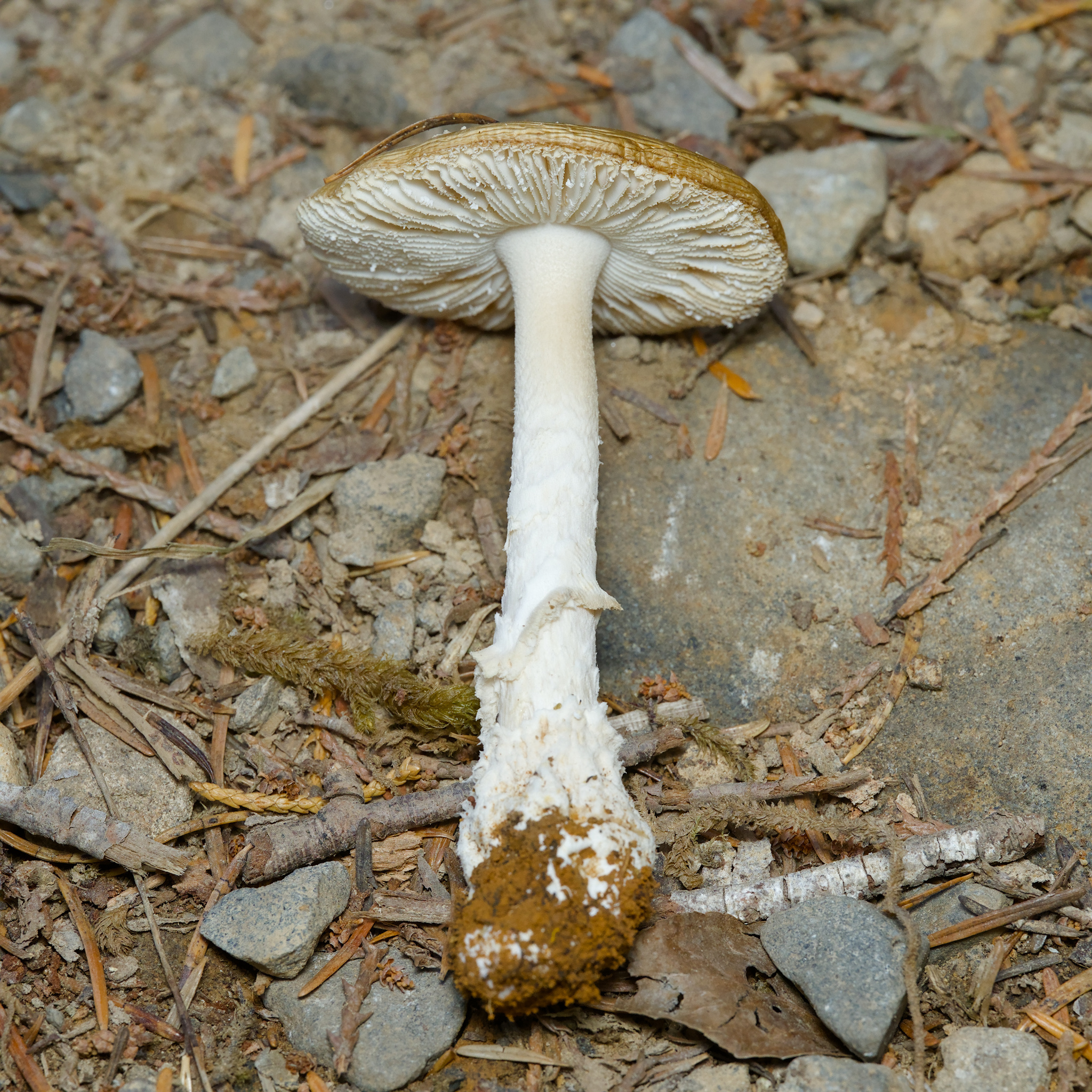
Kicking it off with what is likely A. augusta! Our western yellow veiled Amanita. As usually, I am not extremely proficient in the genus, but I do enjoy seeing it. We are happy to add a few collections to our survey work this fall through next spring, but will likely not pursue very much in the genus afterwards. There are a few people more dedicated to that, than we ever will be.
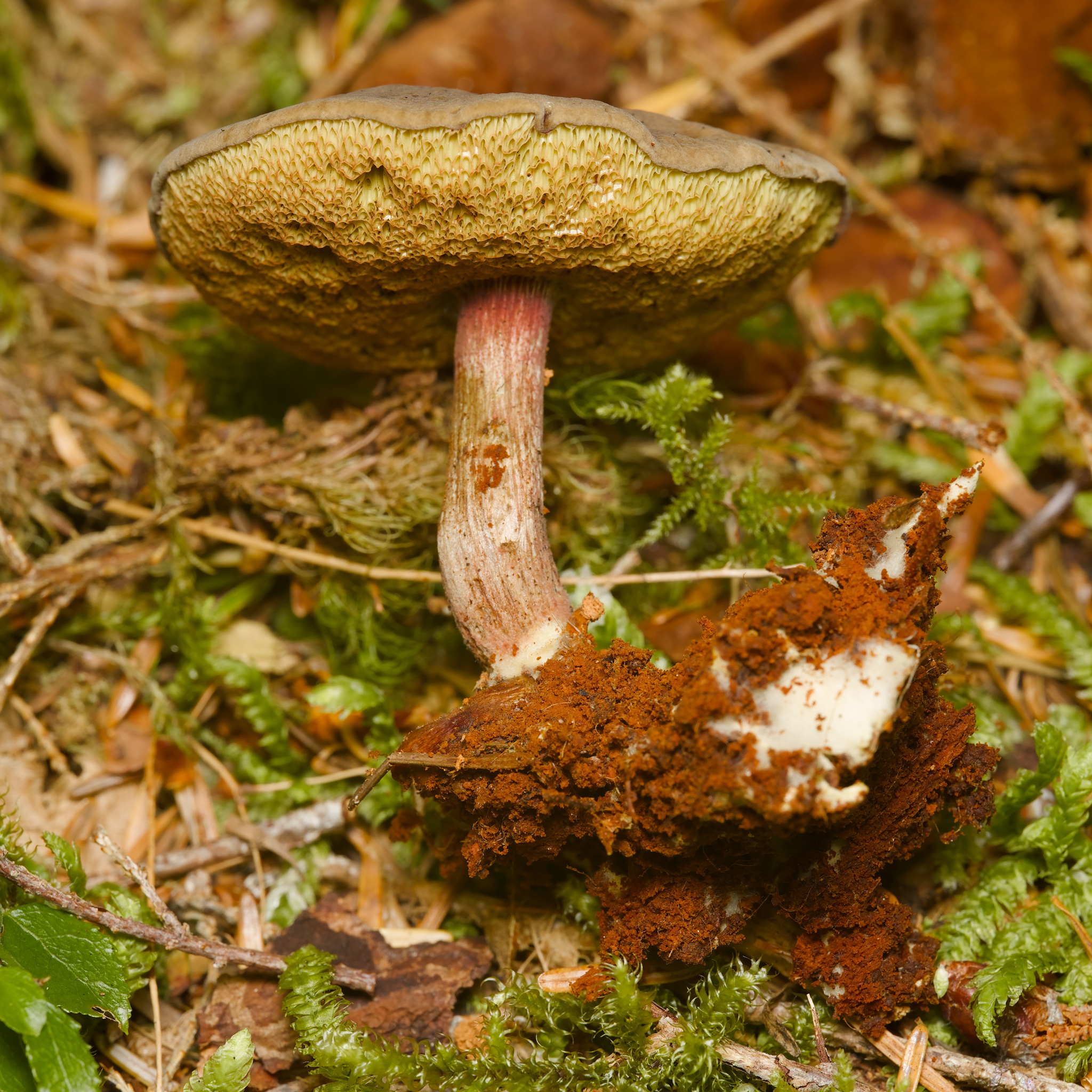
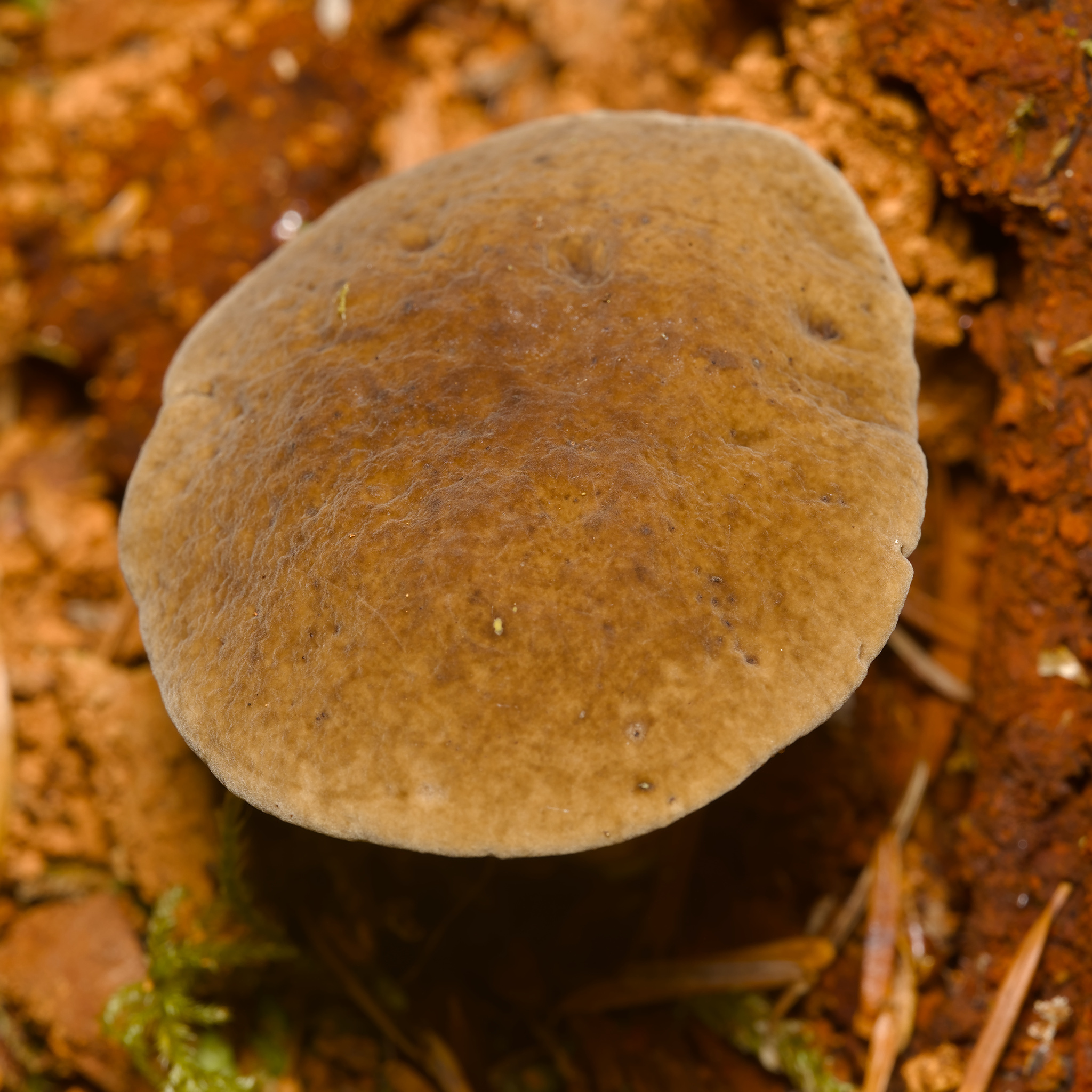
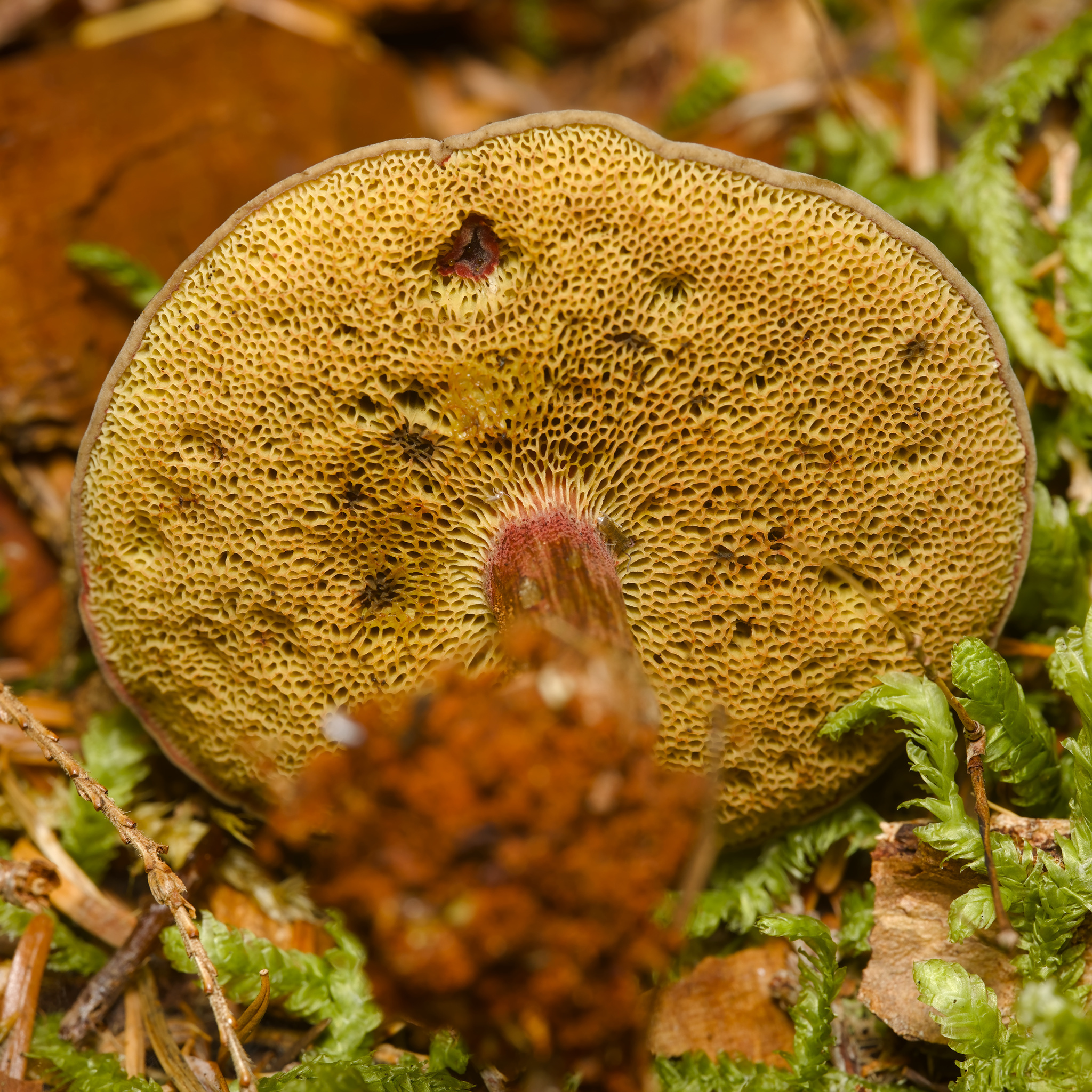
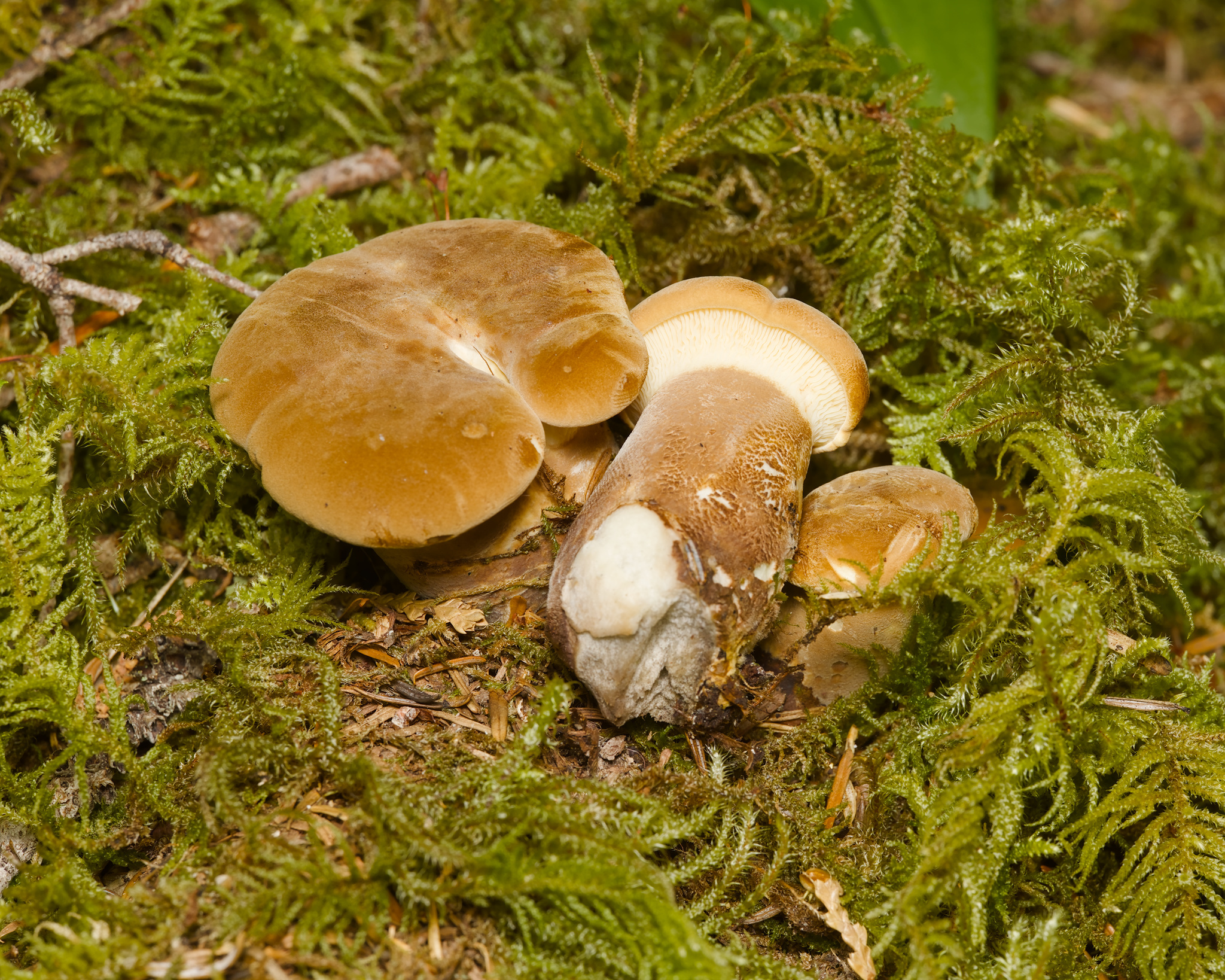
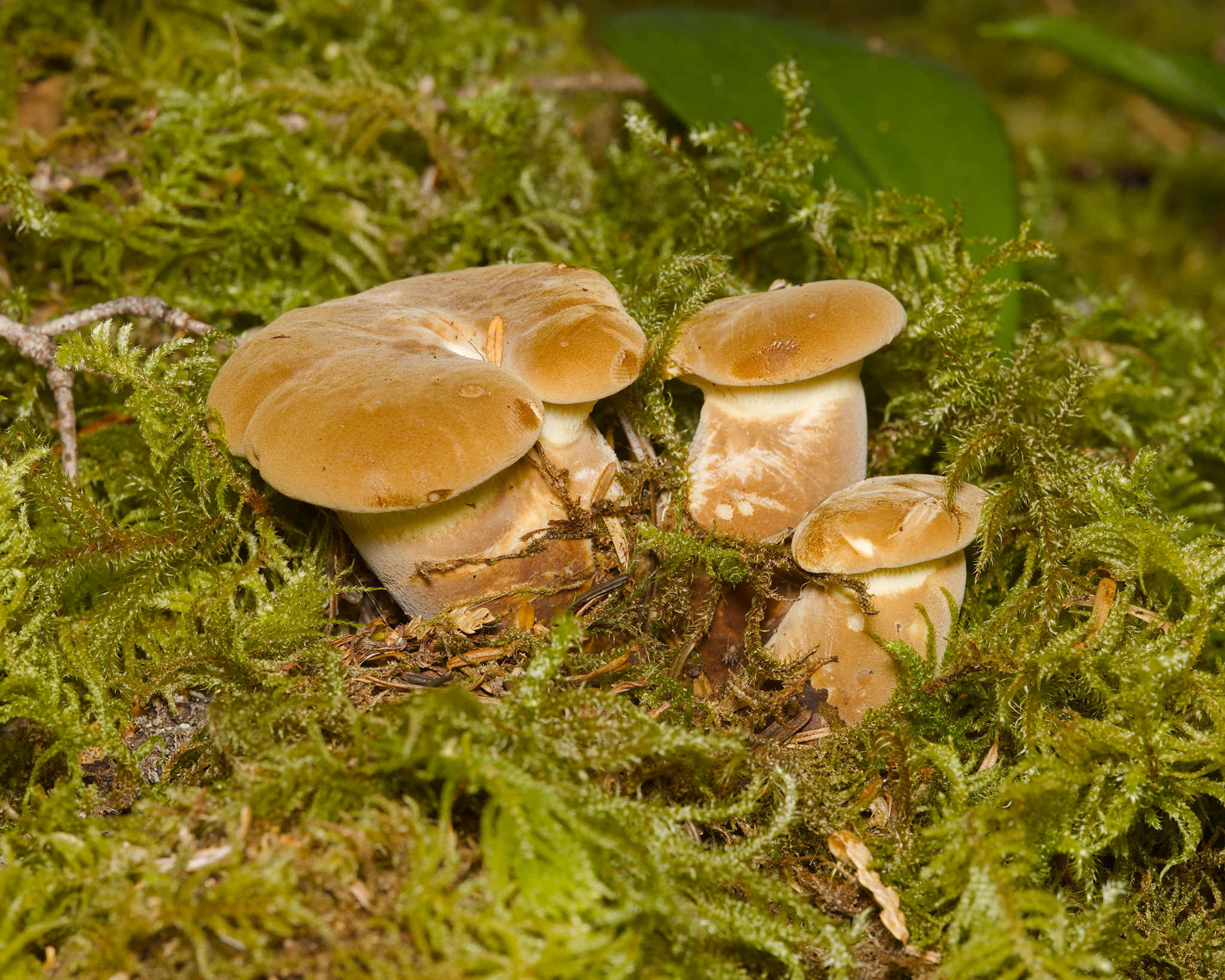
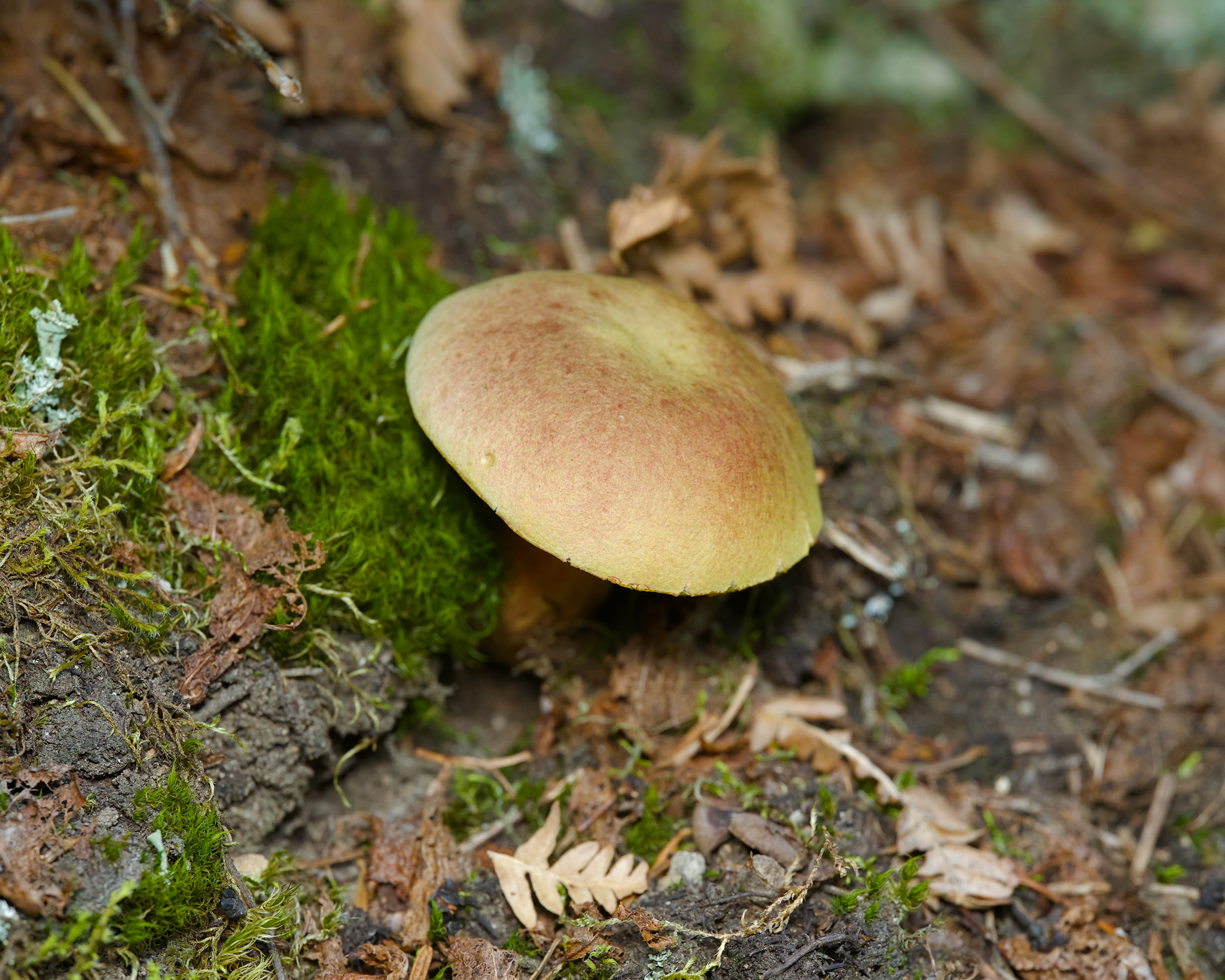
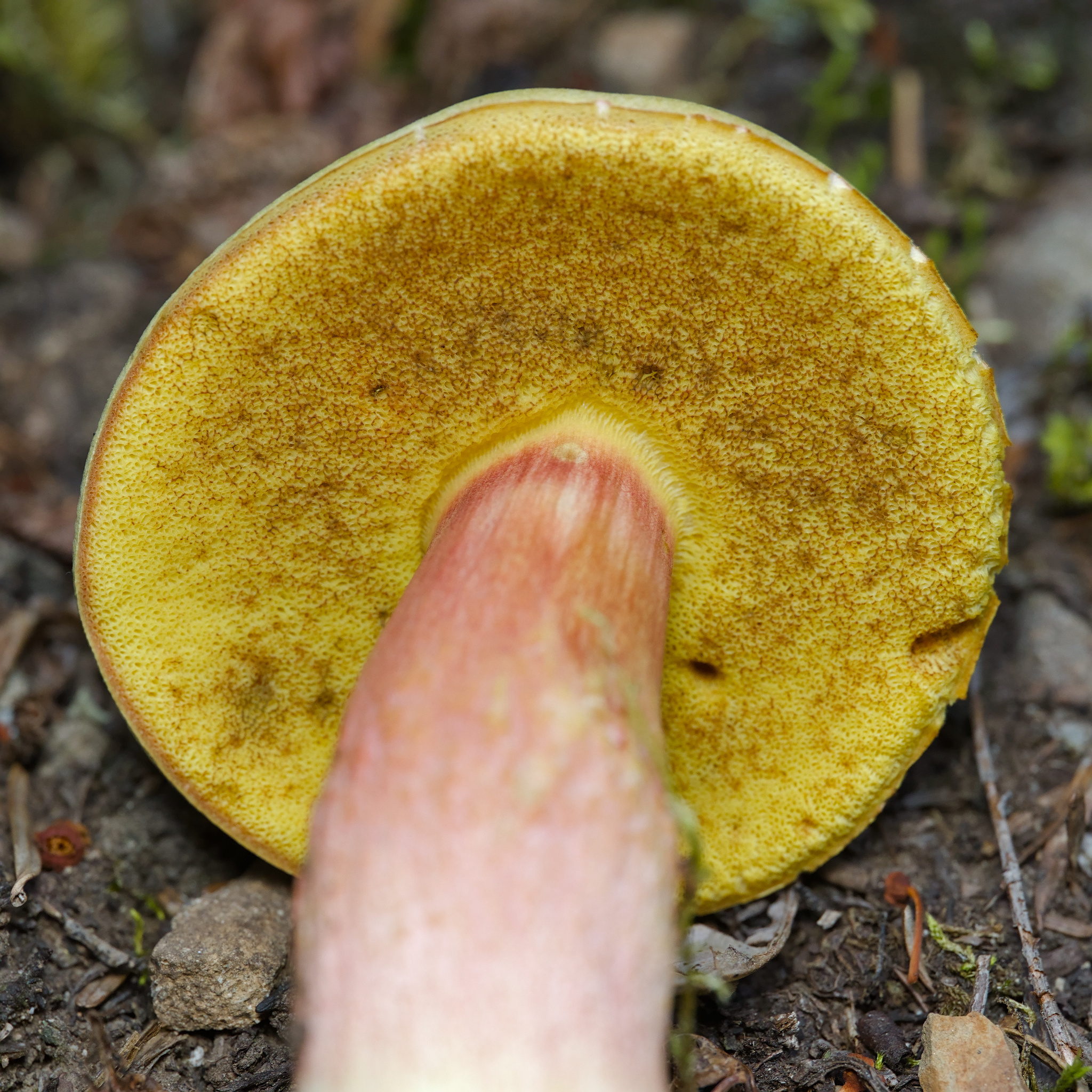
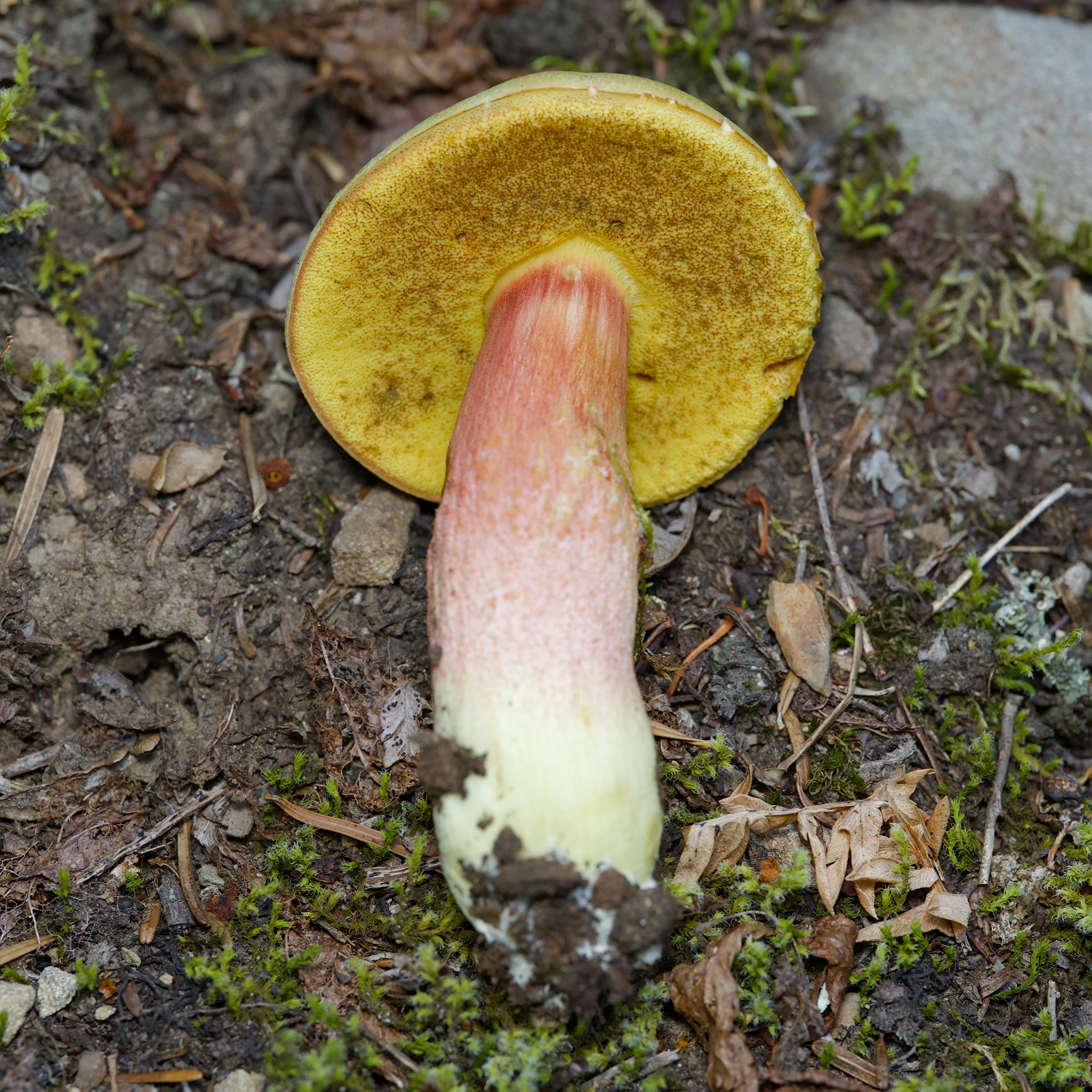
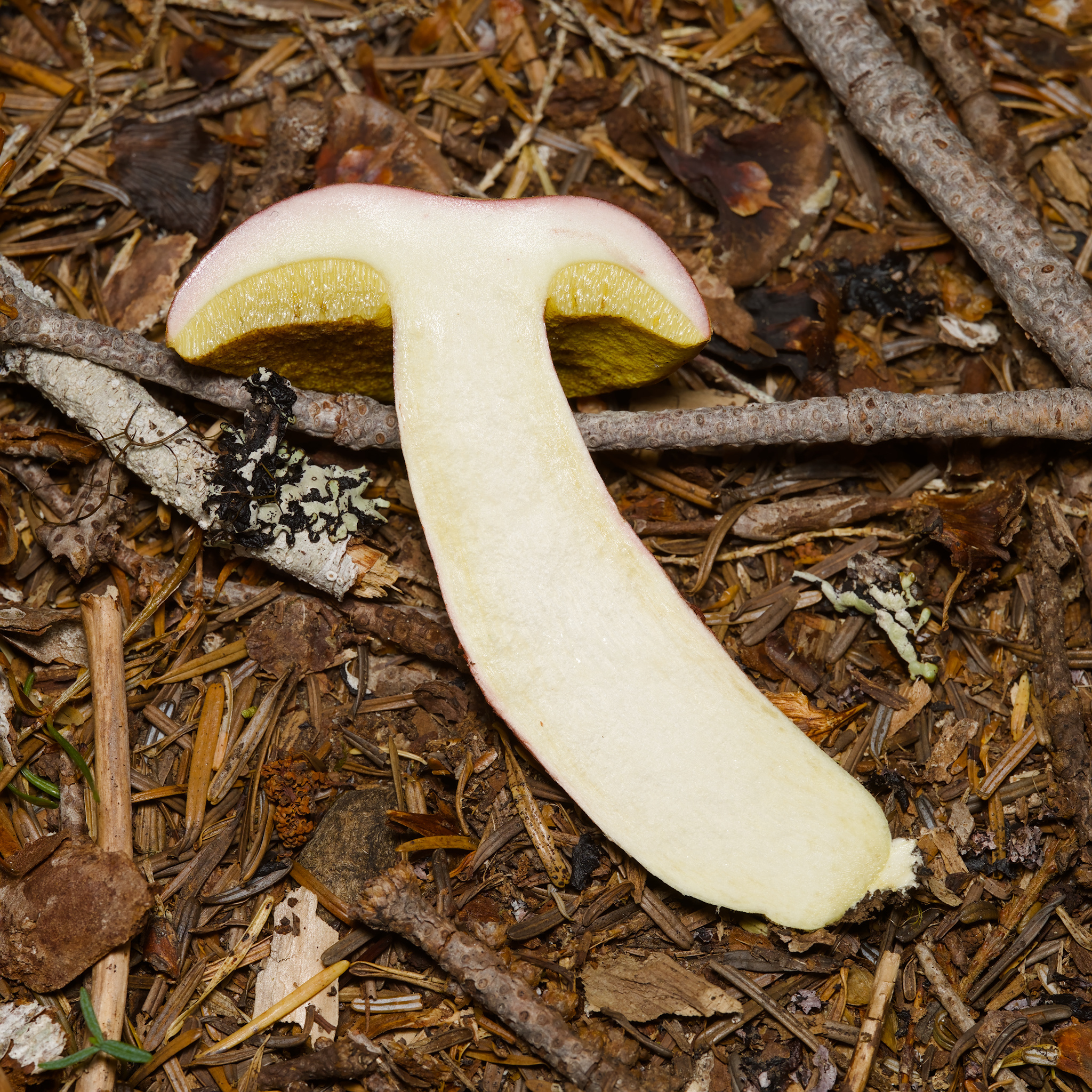
Red stipe and some of the overall stature and textures say this fella belongs to Xerocomellus...or similar. Another addition to our more general bolete survey work, again something that we may not be super interested in pursuing as a more focused topic but still very interesting. At least with xerocomelloid boletes my understanding would be there's a bit more room for additional sequence data.
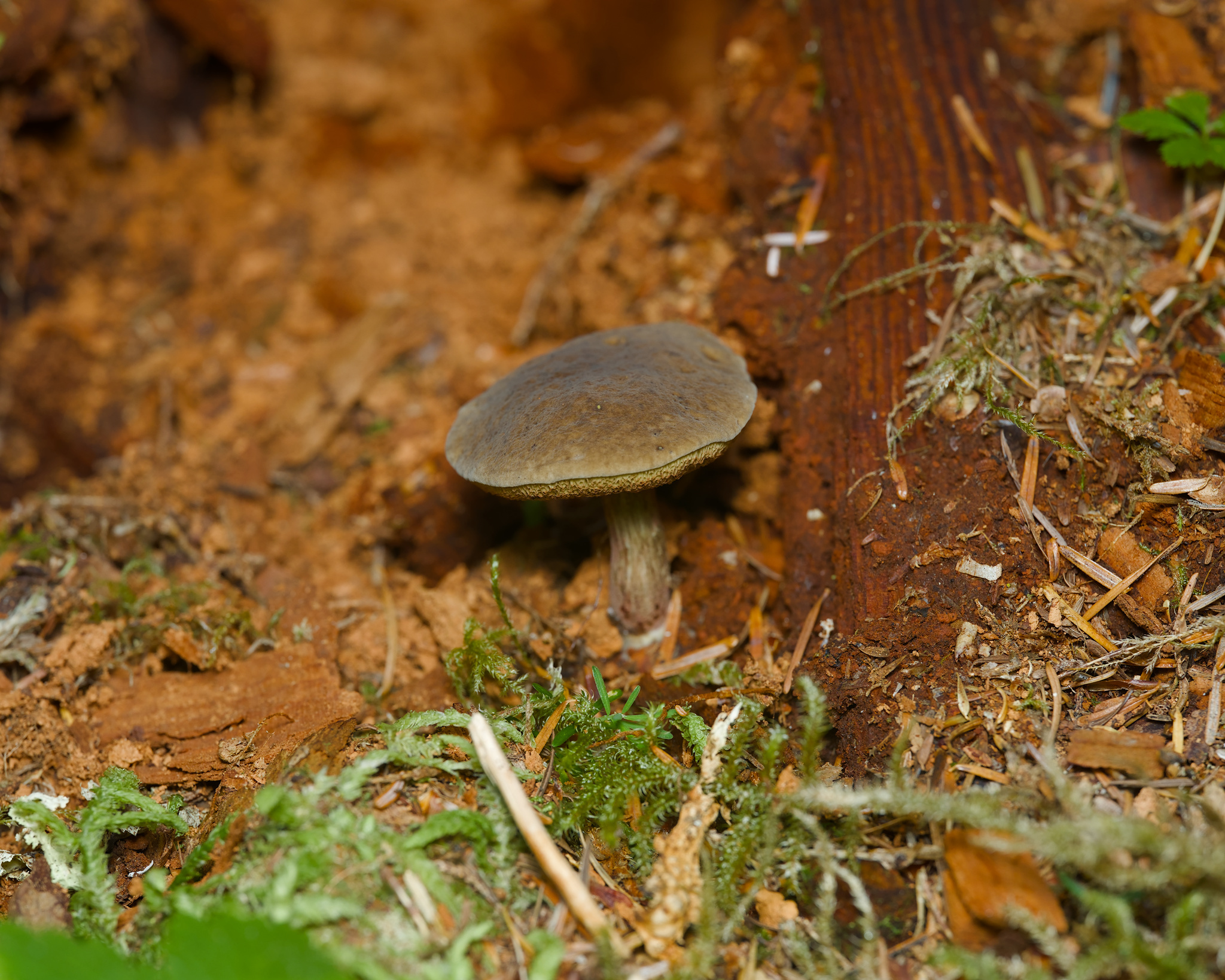
Really don't think this is Boletus, but my lack of bolete experience leaves me open to the possibility.
A slightly early cluster, at least in this habitat, this bunch is likely C. formosus. I think we selected this for a collection here to add this very well known species to the survey and also because the somewhat stunted, perhaps caespitose growth, was interesting! Again we will continue to hit a few common and already well sequenced species for survey, at least through next year.
Another common one, this species is always a great indicator for us I feel. Whenever we see it there always seems to be a range of neighboring fungal diversity, even in dryer habitat. I feel we often see young fruits at the same time as Cantharellus. Despite how easy it may be to find, I also find the appearance of the younger Velvet Taps, formerly Velvet Pax, to be quite lovely!
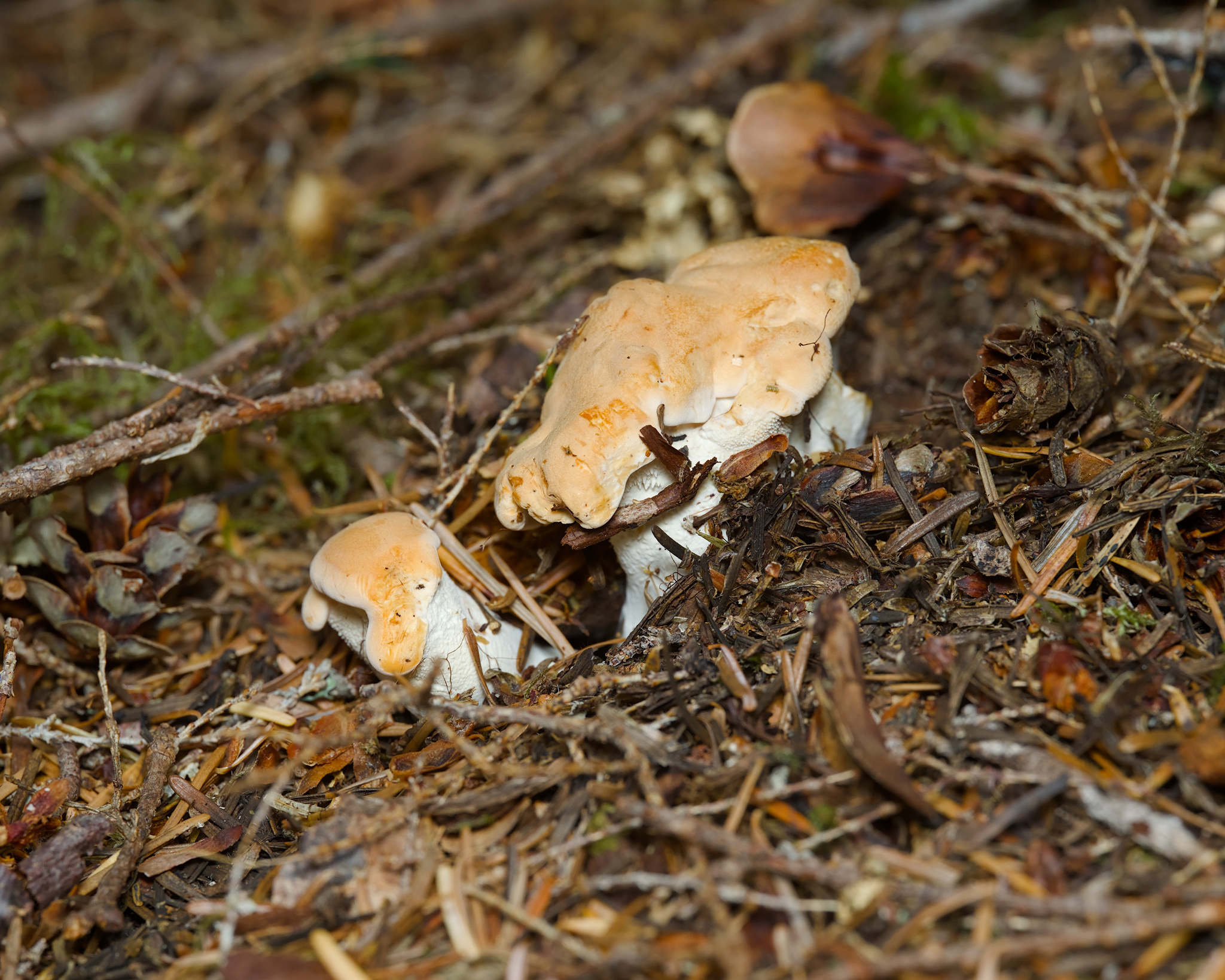
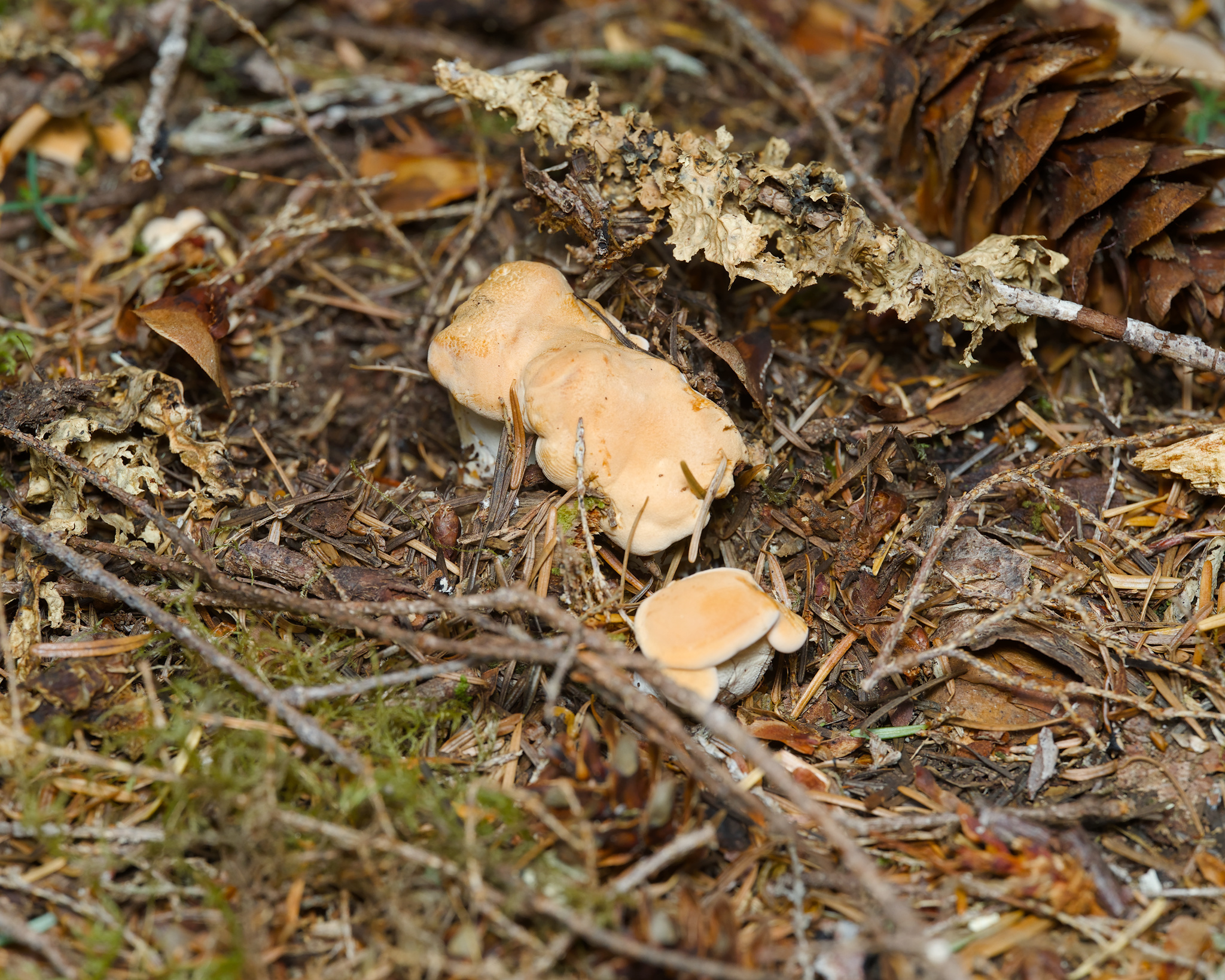
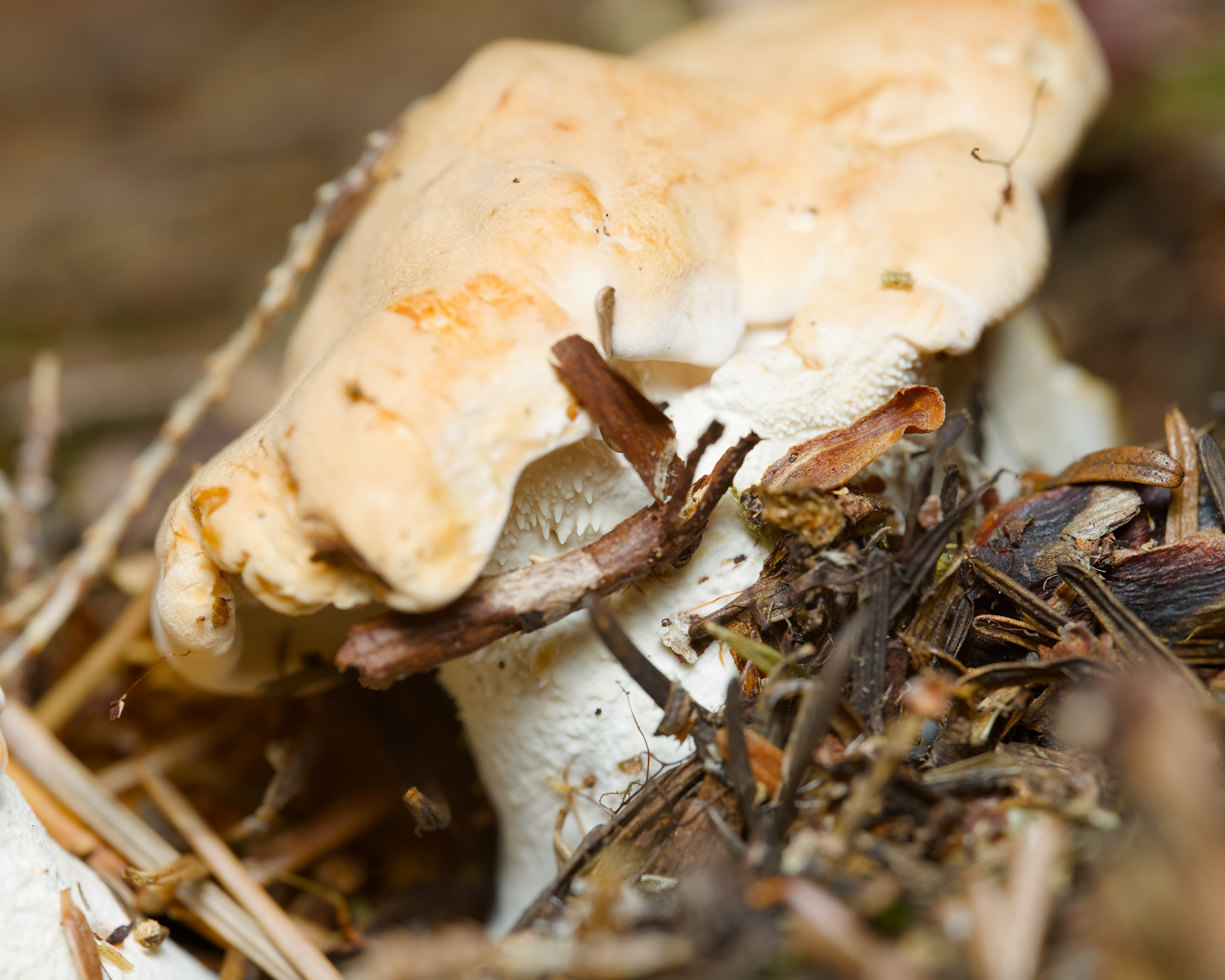
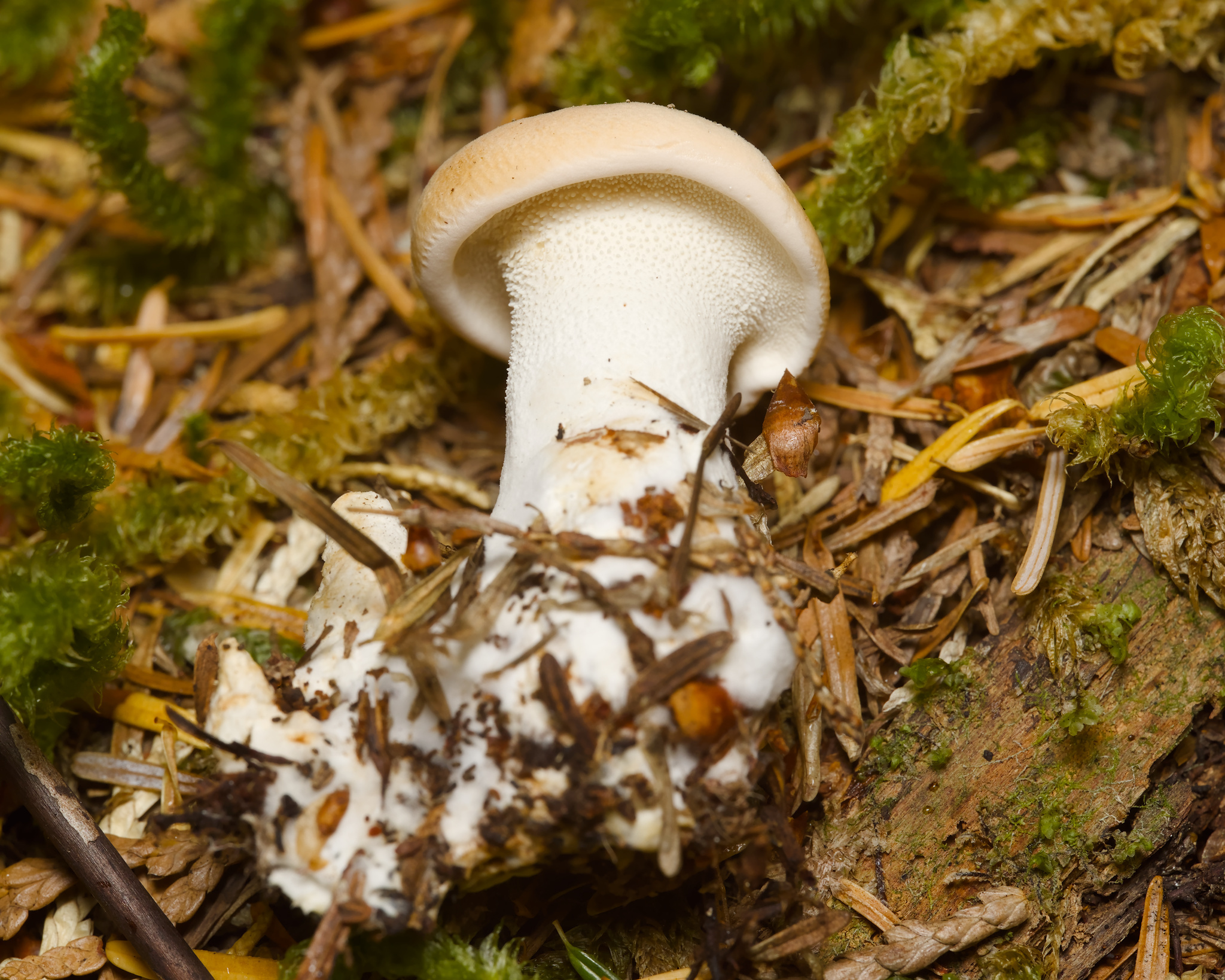
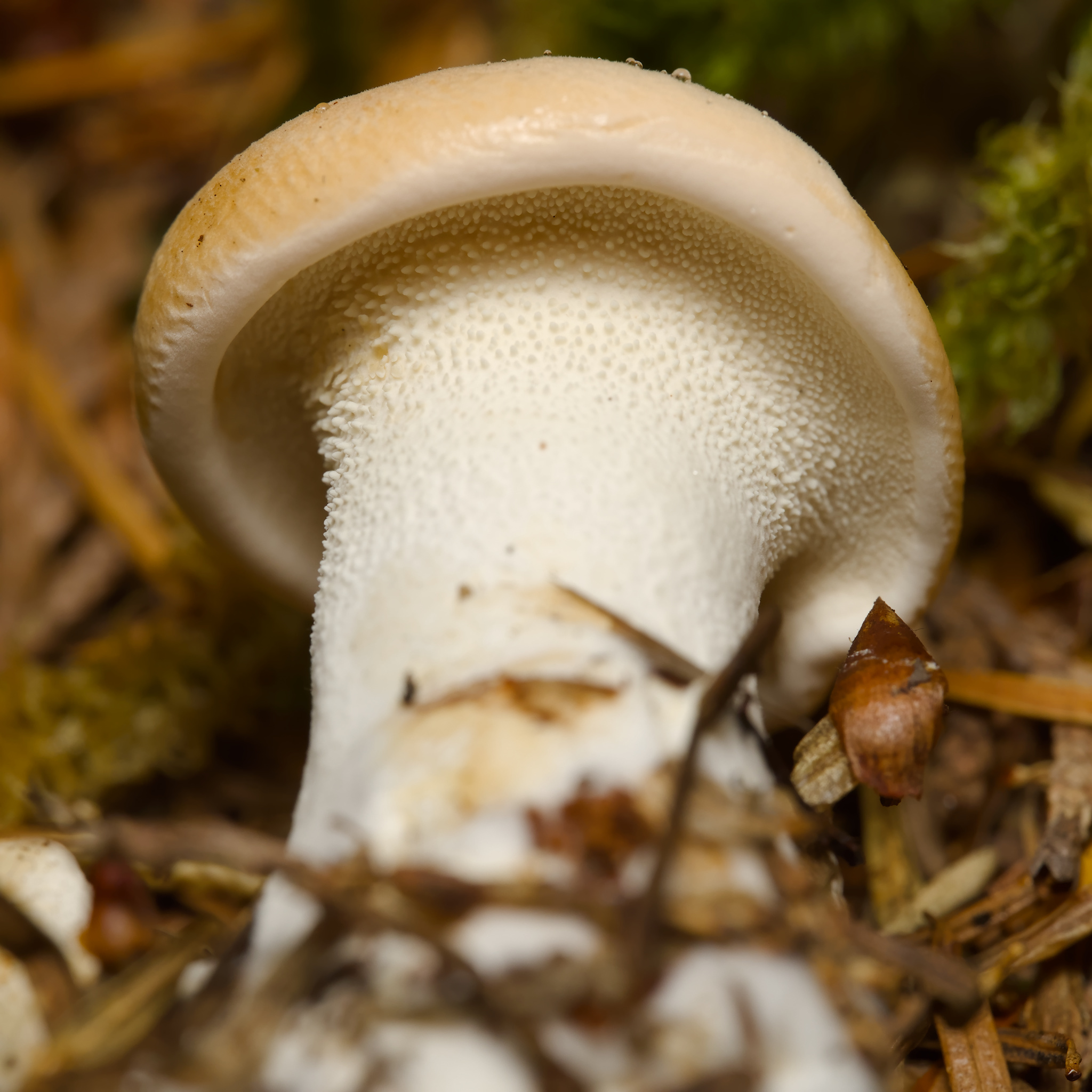
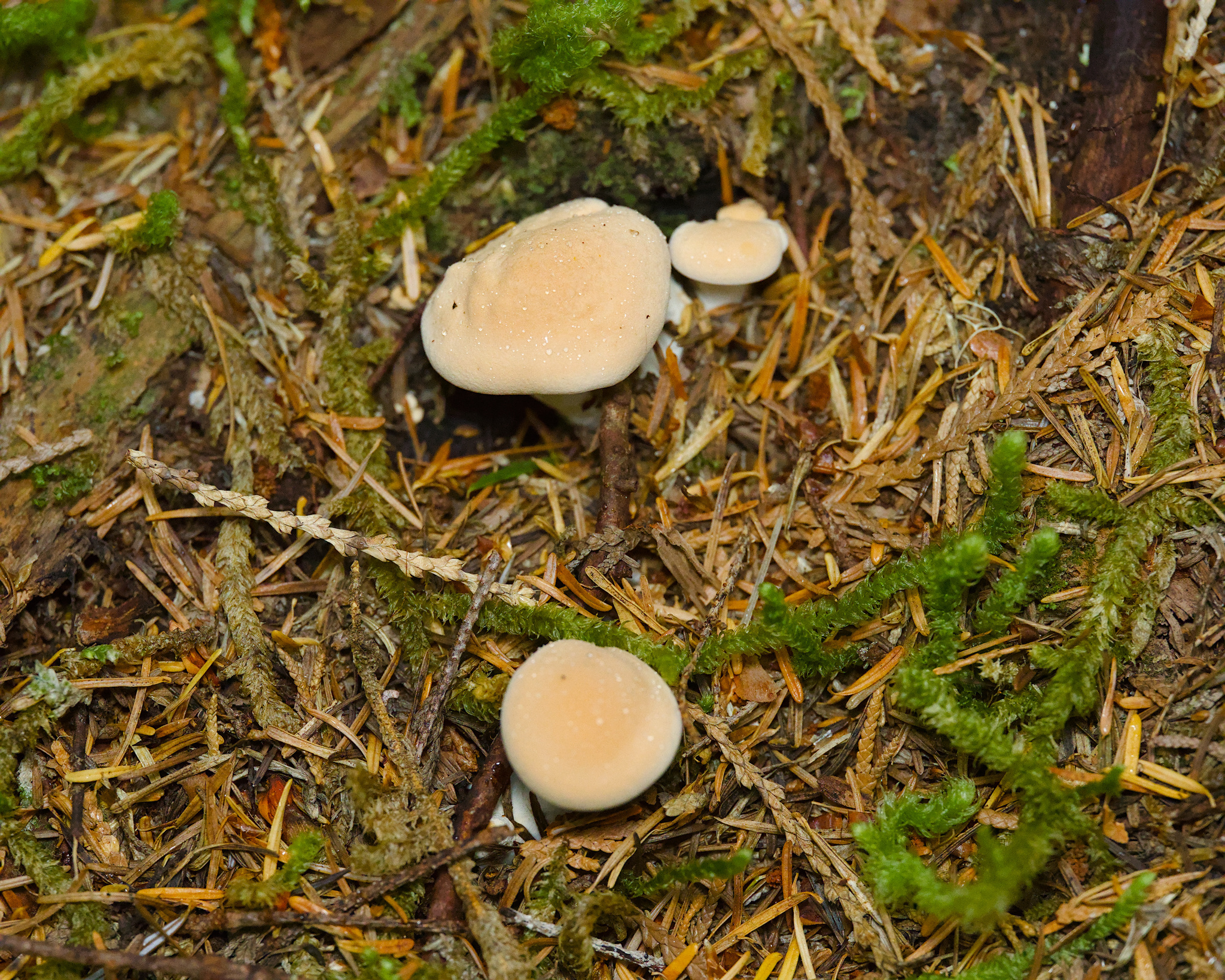
Early hogs! Maybe yet another common find but there is probably a bit more room for sequencing data on this member of Cantharellaceae, than the former featured in this report. This species is our western member of H. repandum group, and bares a striking resemblance to that species, which does not currently appear to exist in North America. I would also argue that there is a little bit of chunkiness as a morphological difference, and perhaps there is a difference in spore size too. No idea there, will have to cover that when I get around to some basidiomycete microscopy soon.
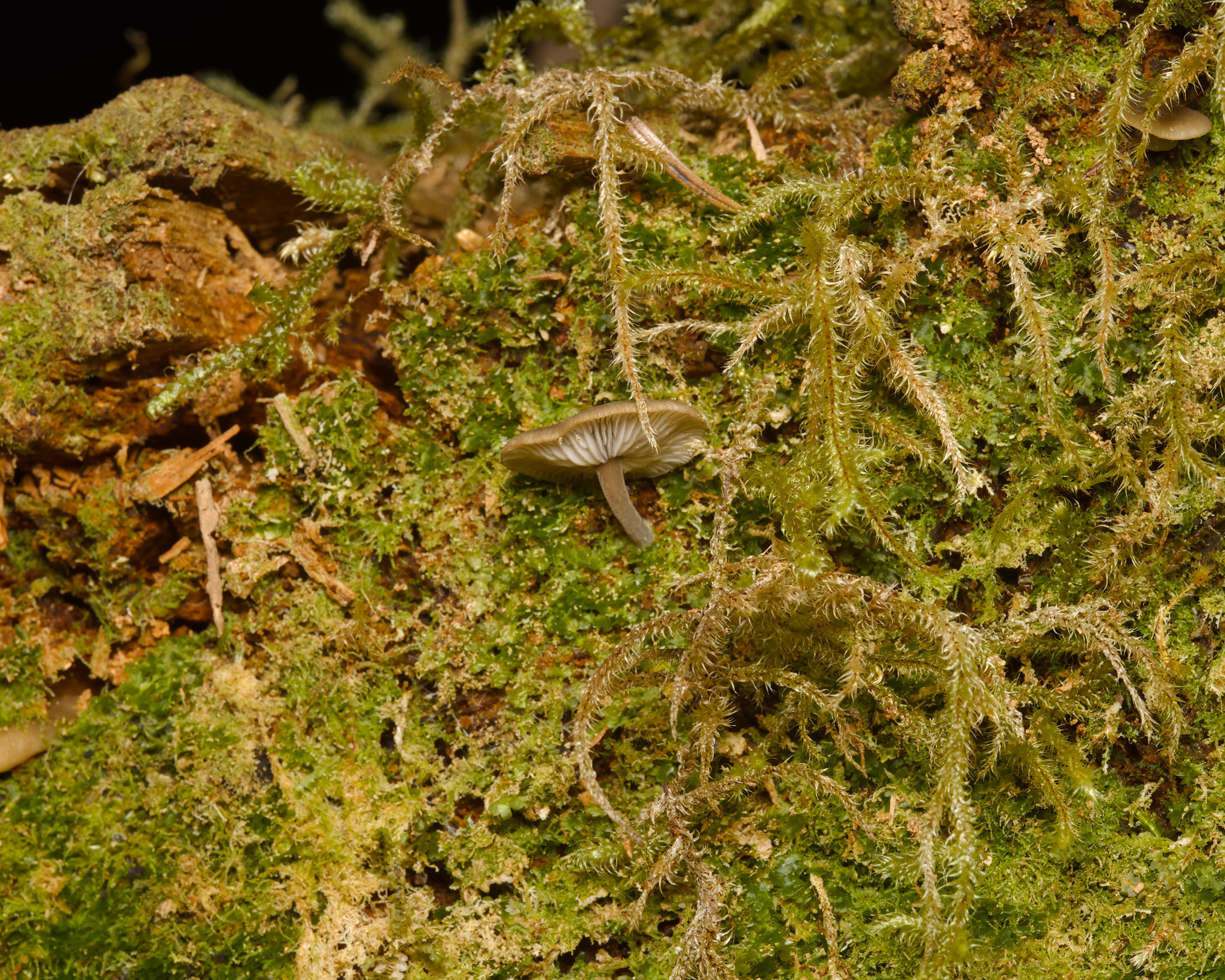
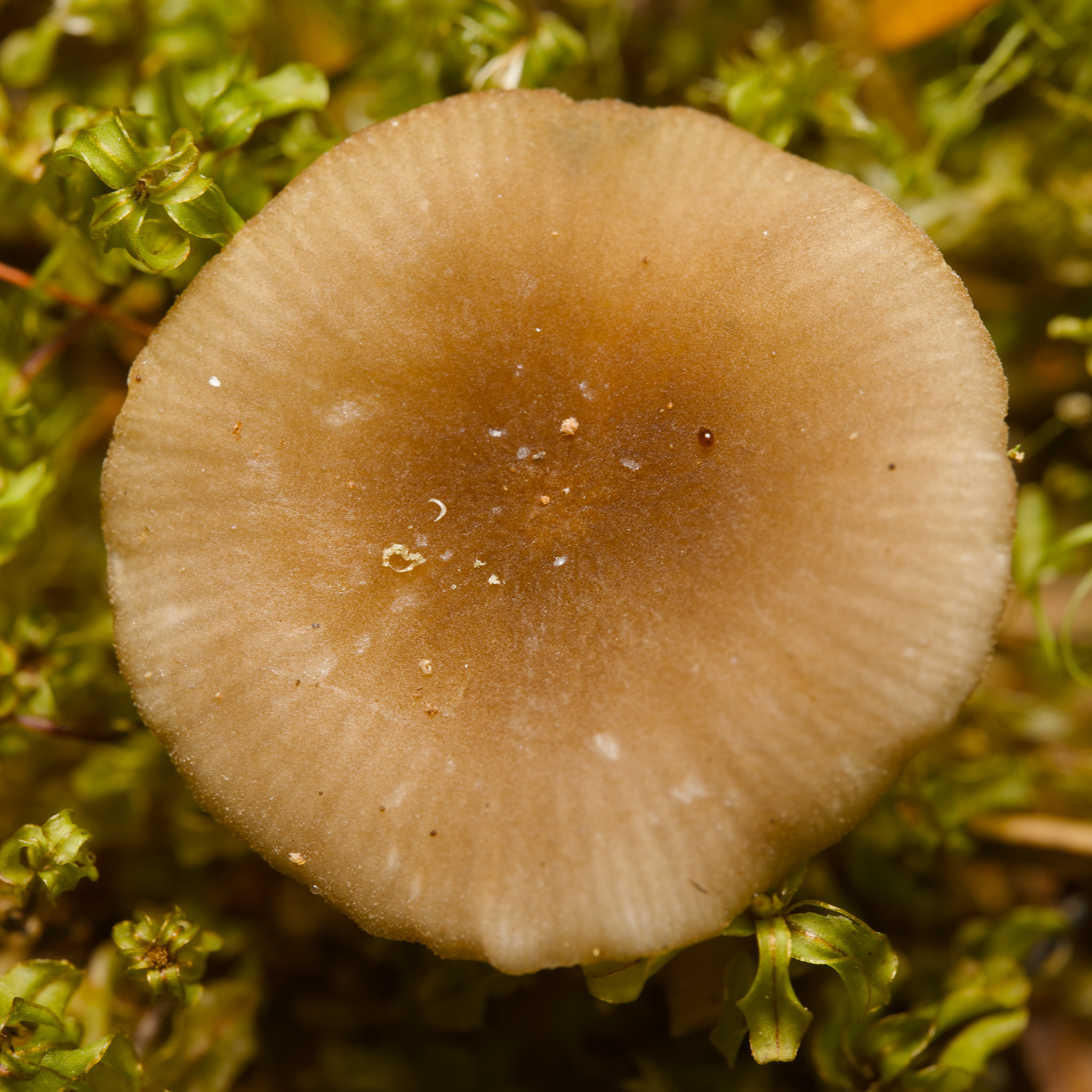
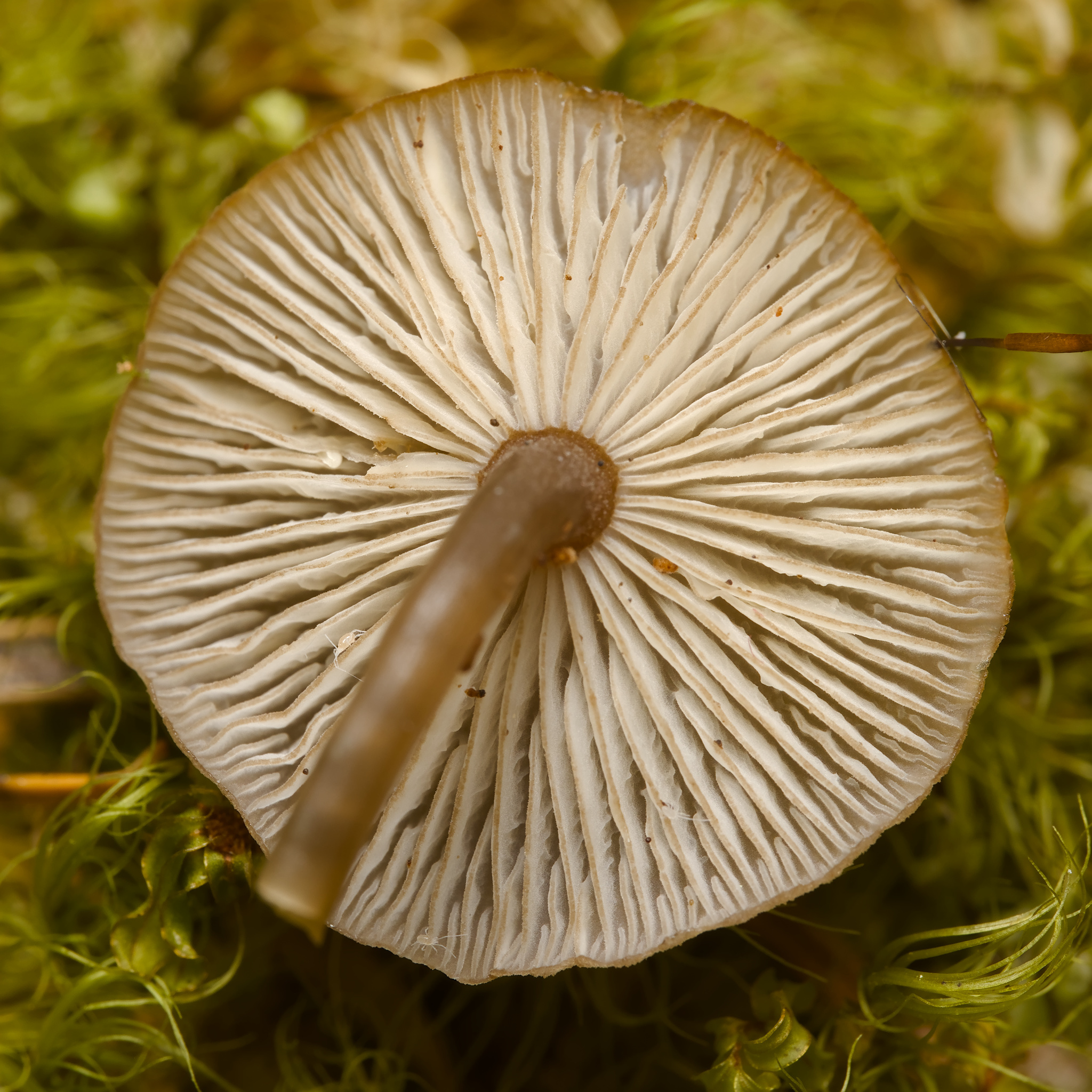
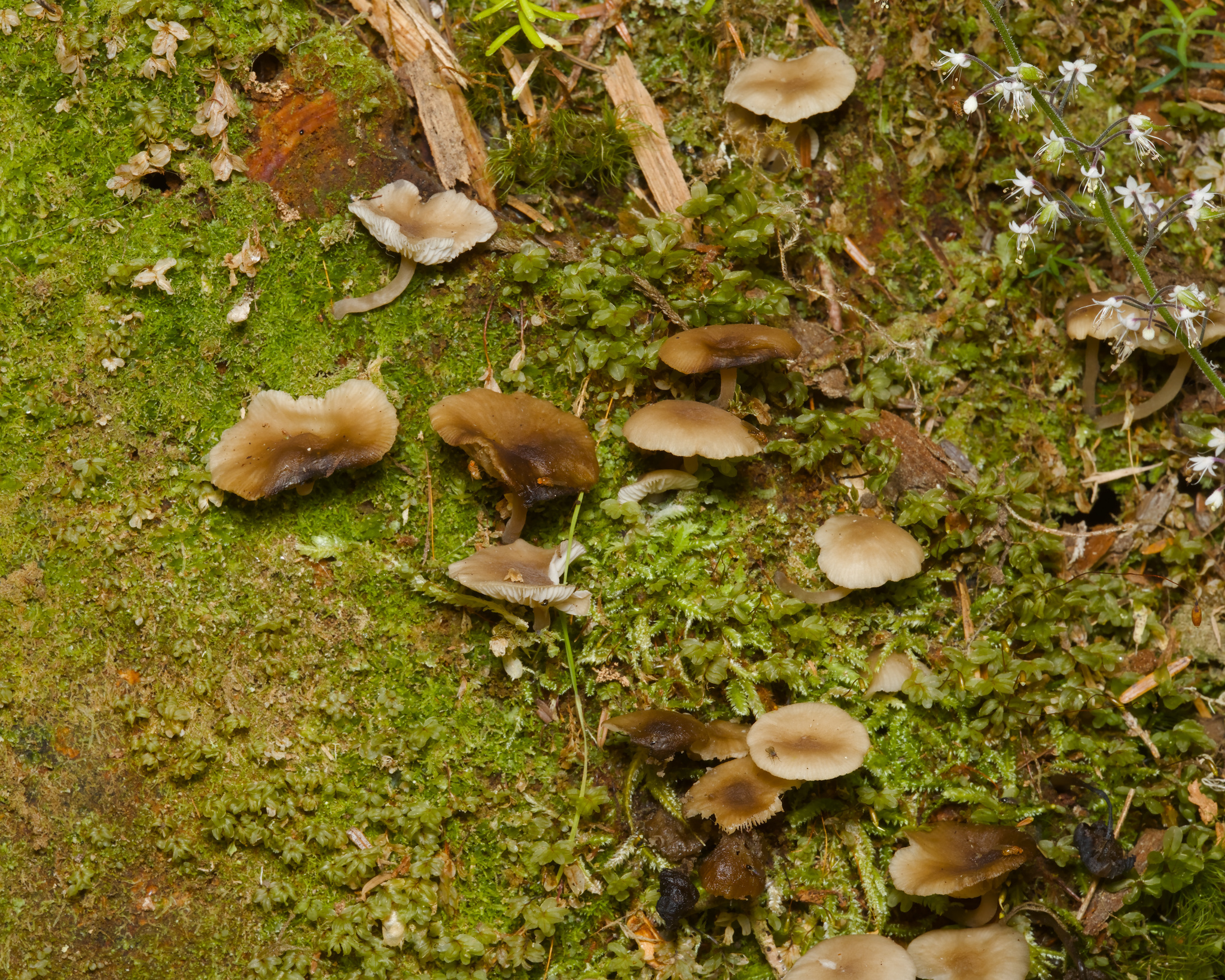
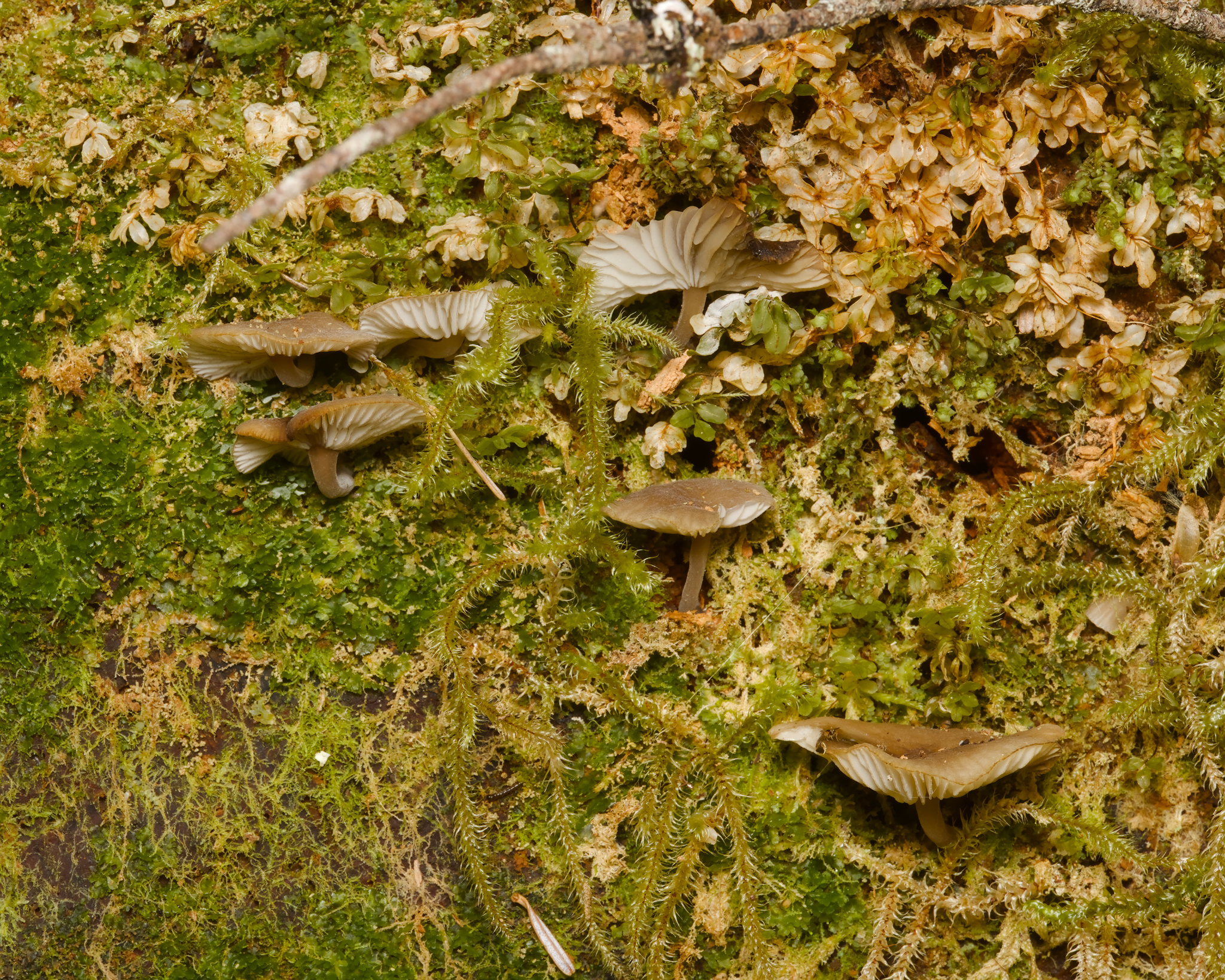
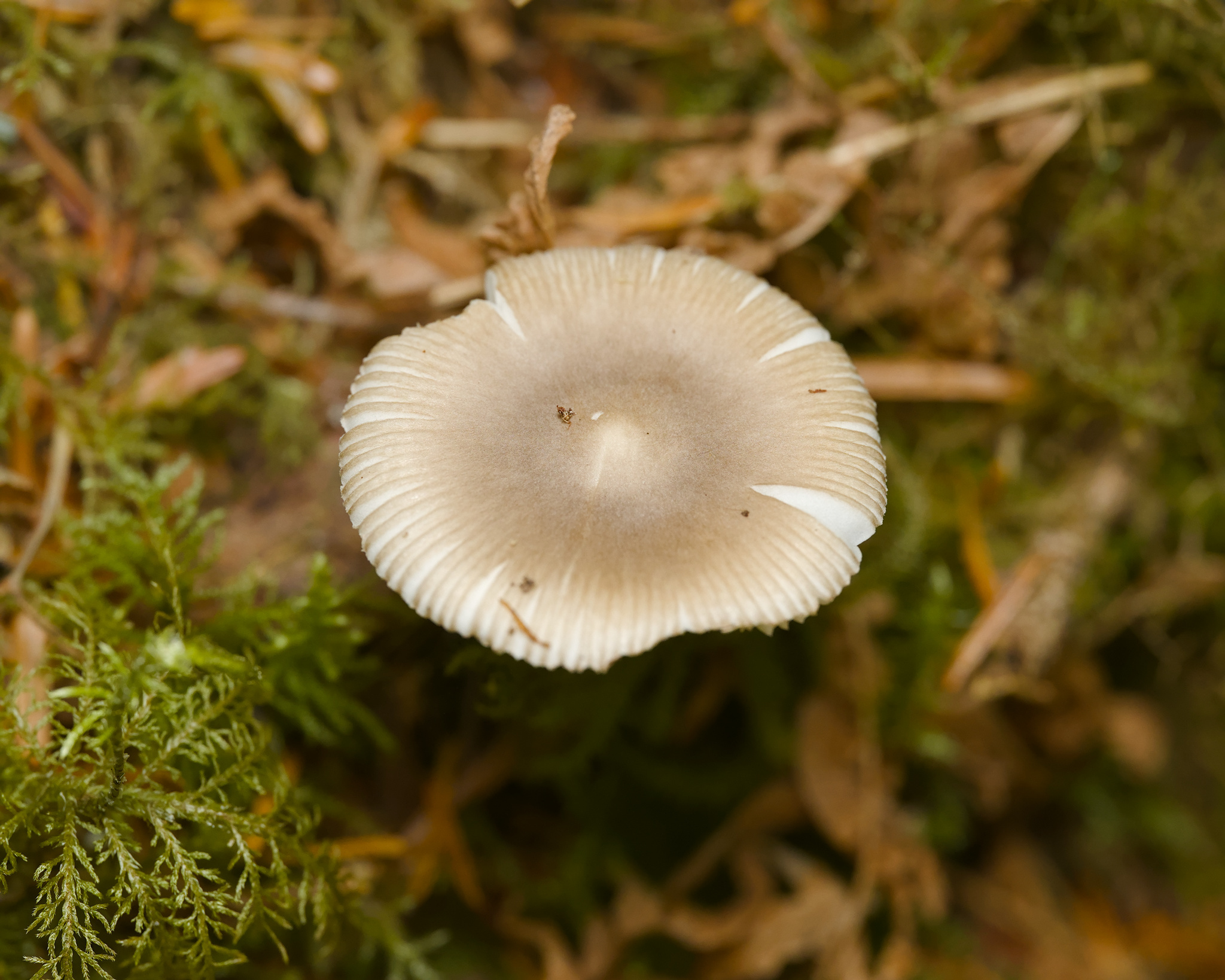
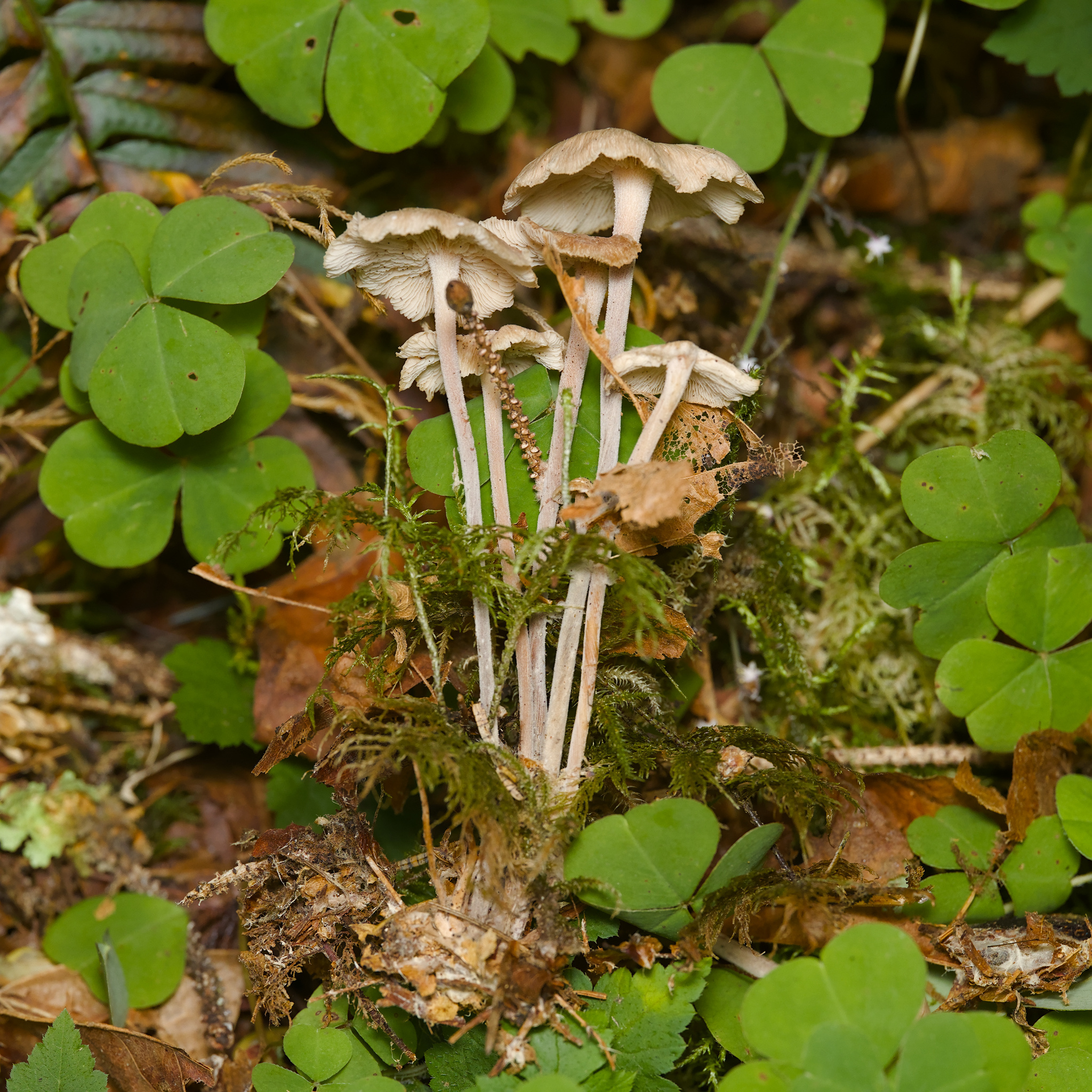
This is a neat one. Perhaps our first, not so obvious example from this report. I think maybe Clitocybula, but some texture doesn't seem to line up, not as caespitose, and I'm not very familiar with that genus. Certainly some sort of smaller light spored thing.
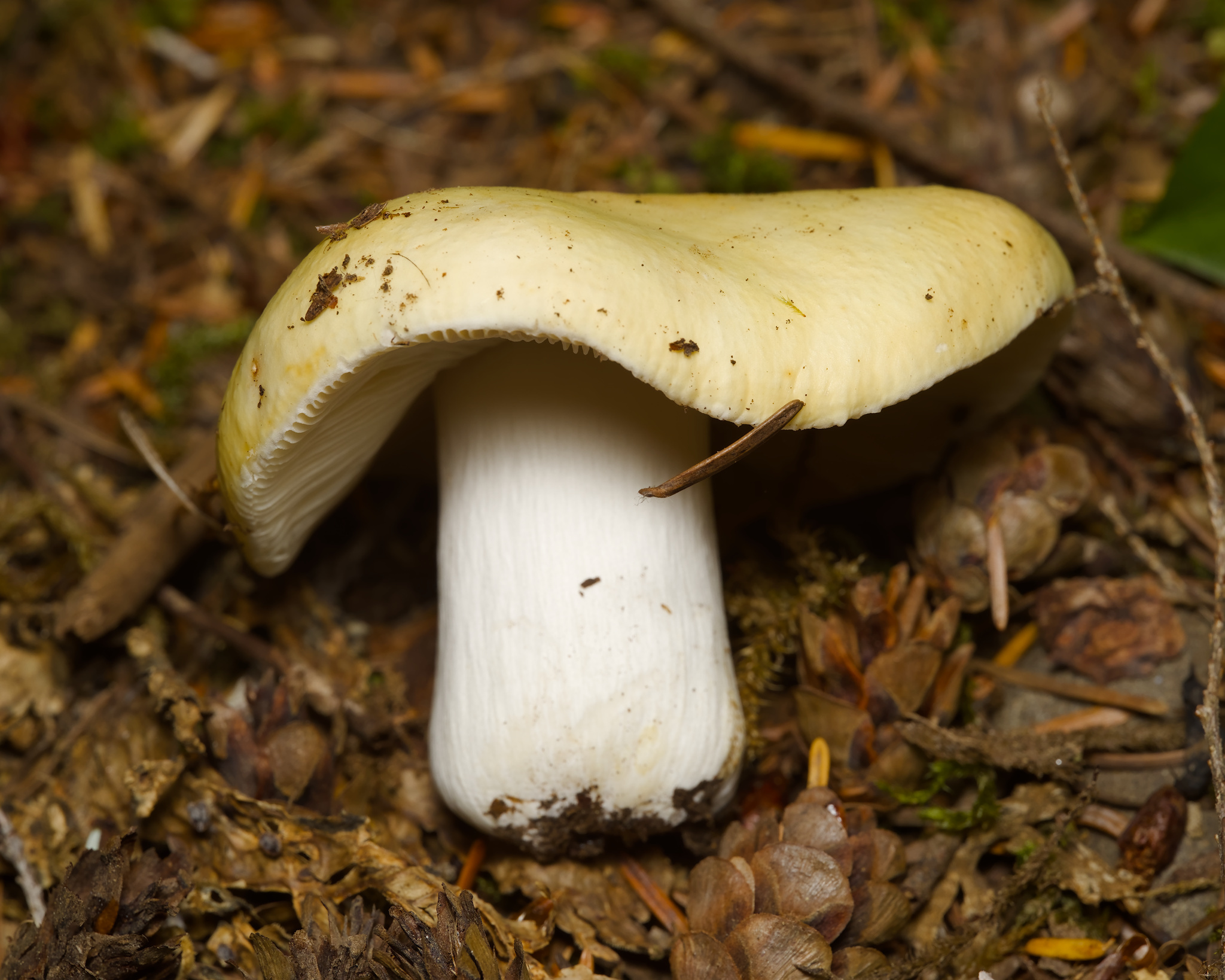
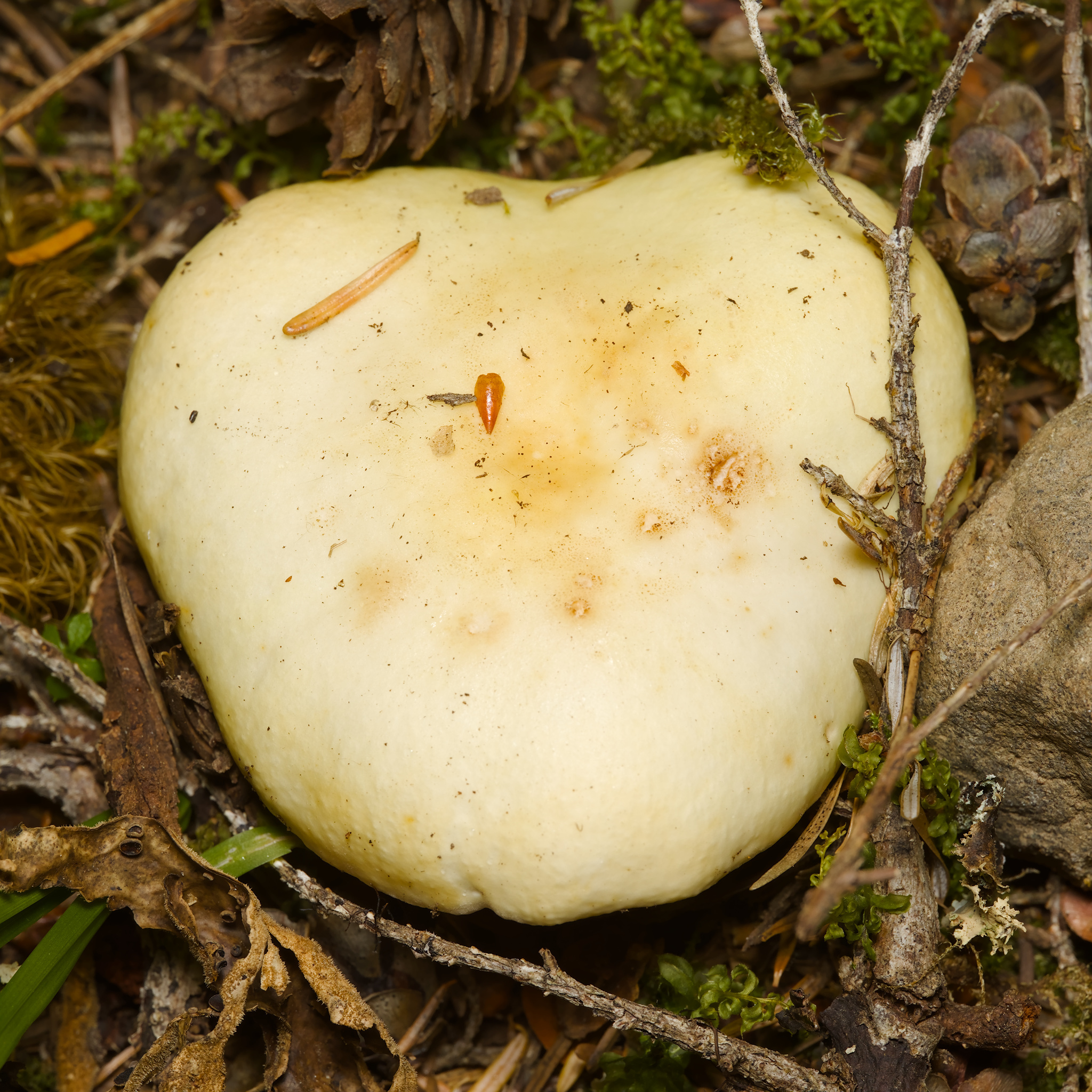
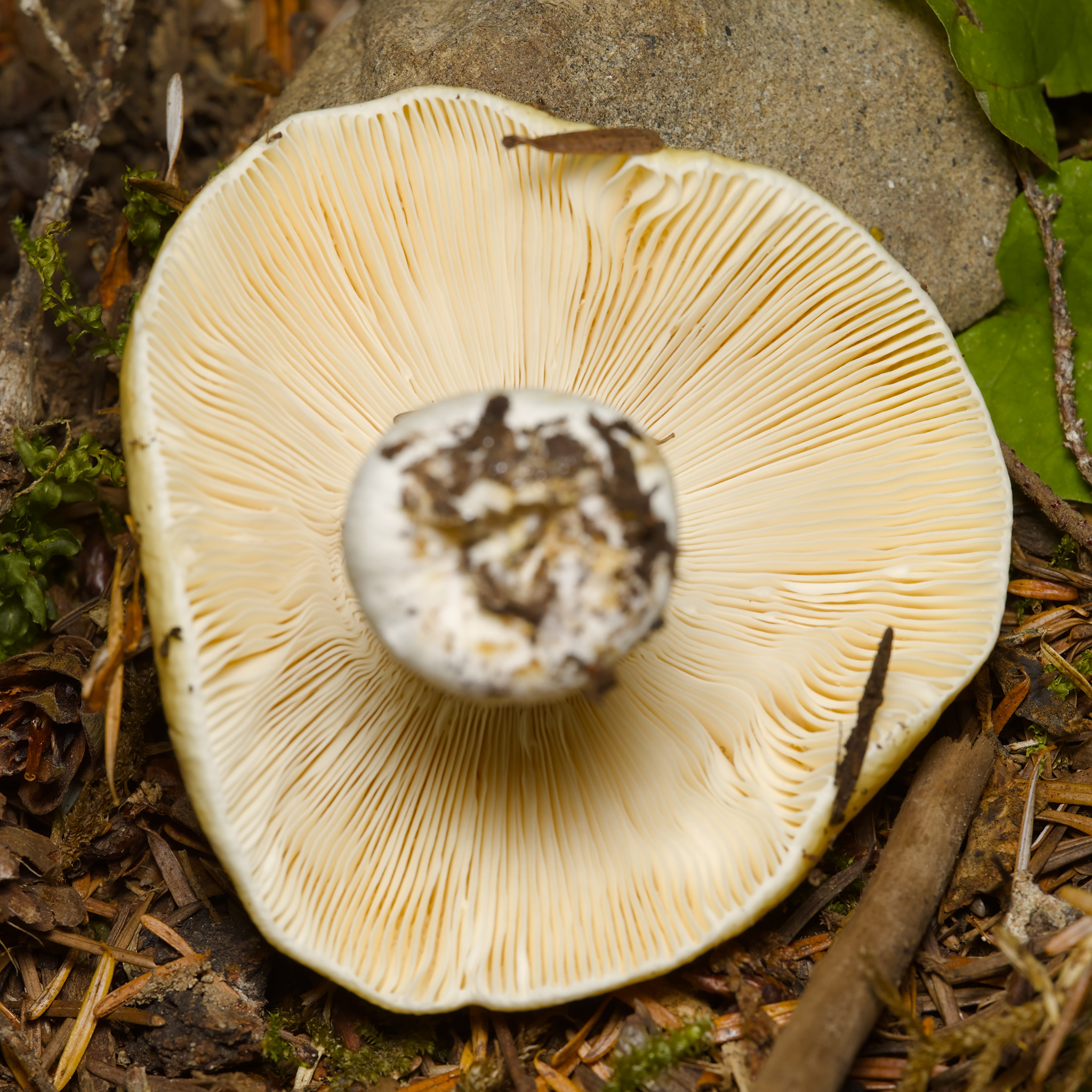
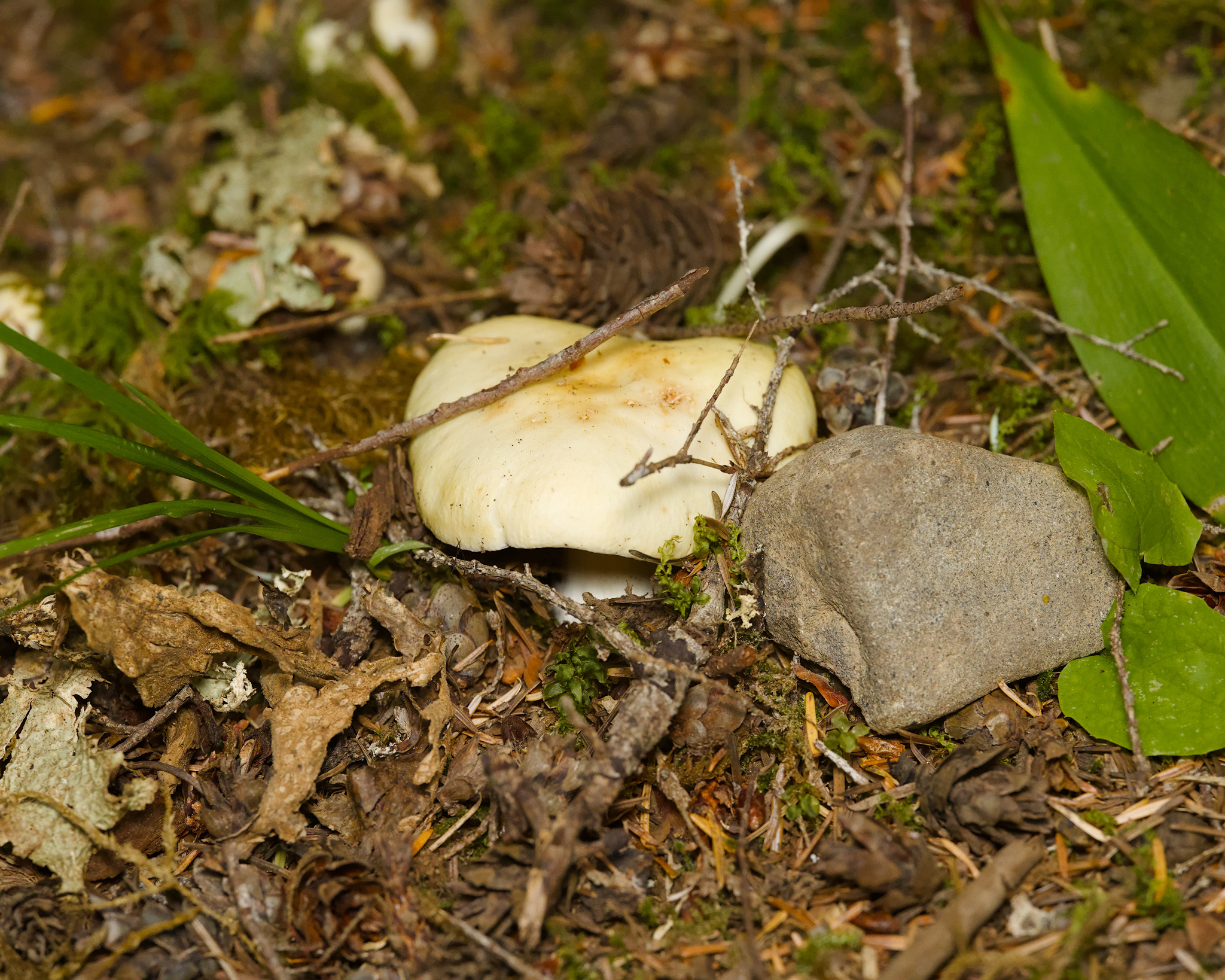
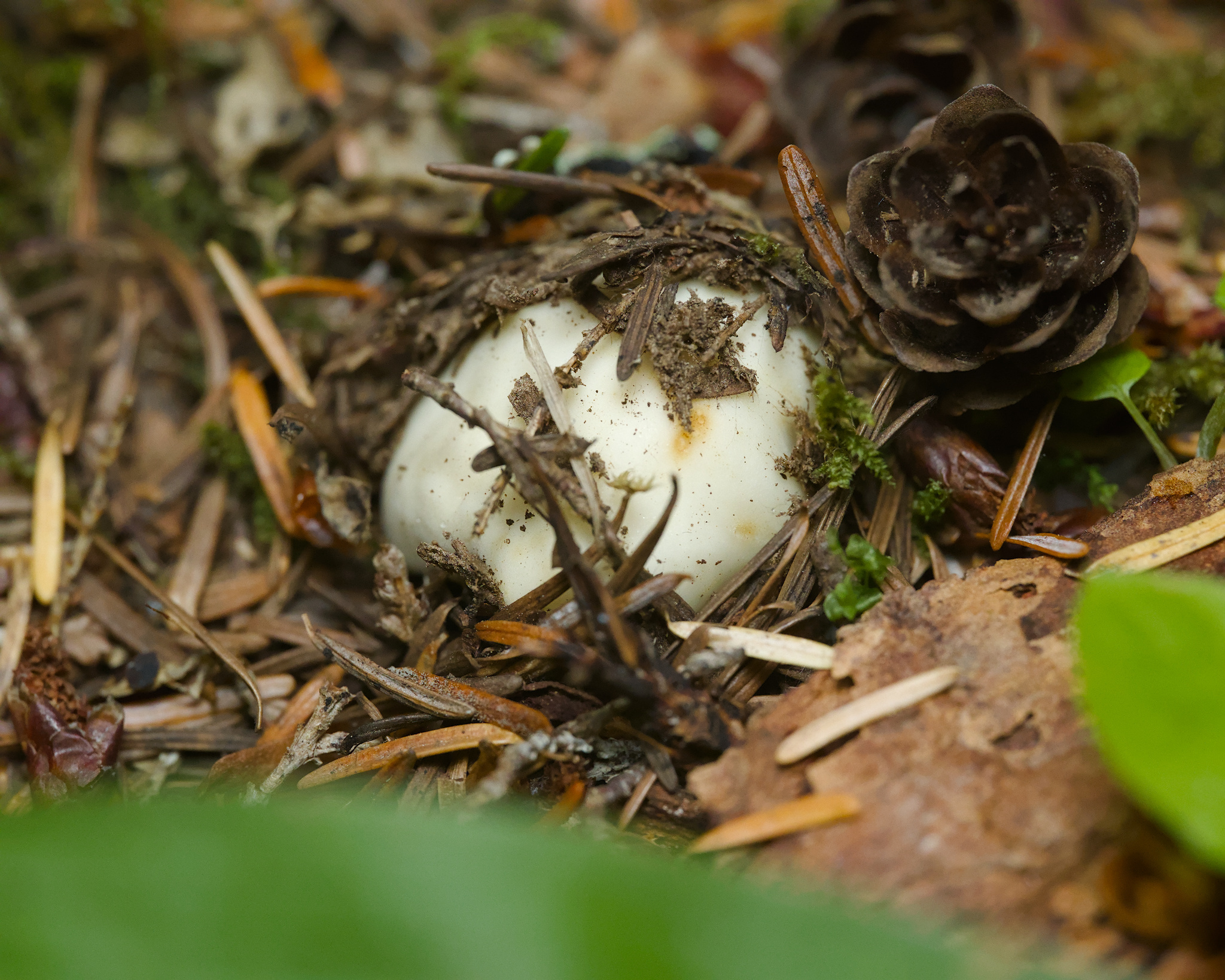
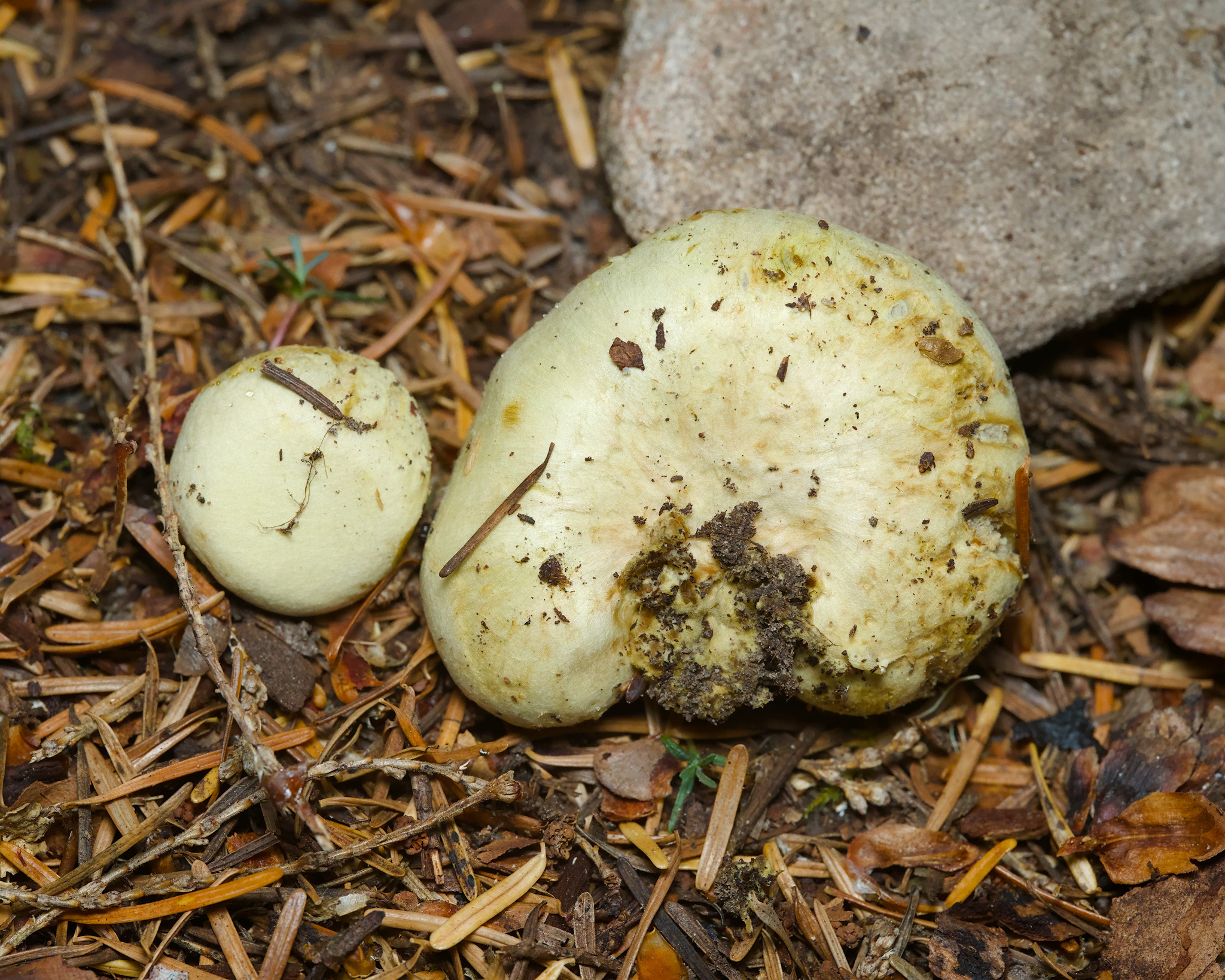
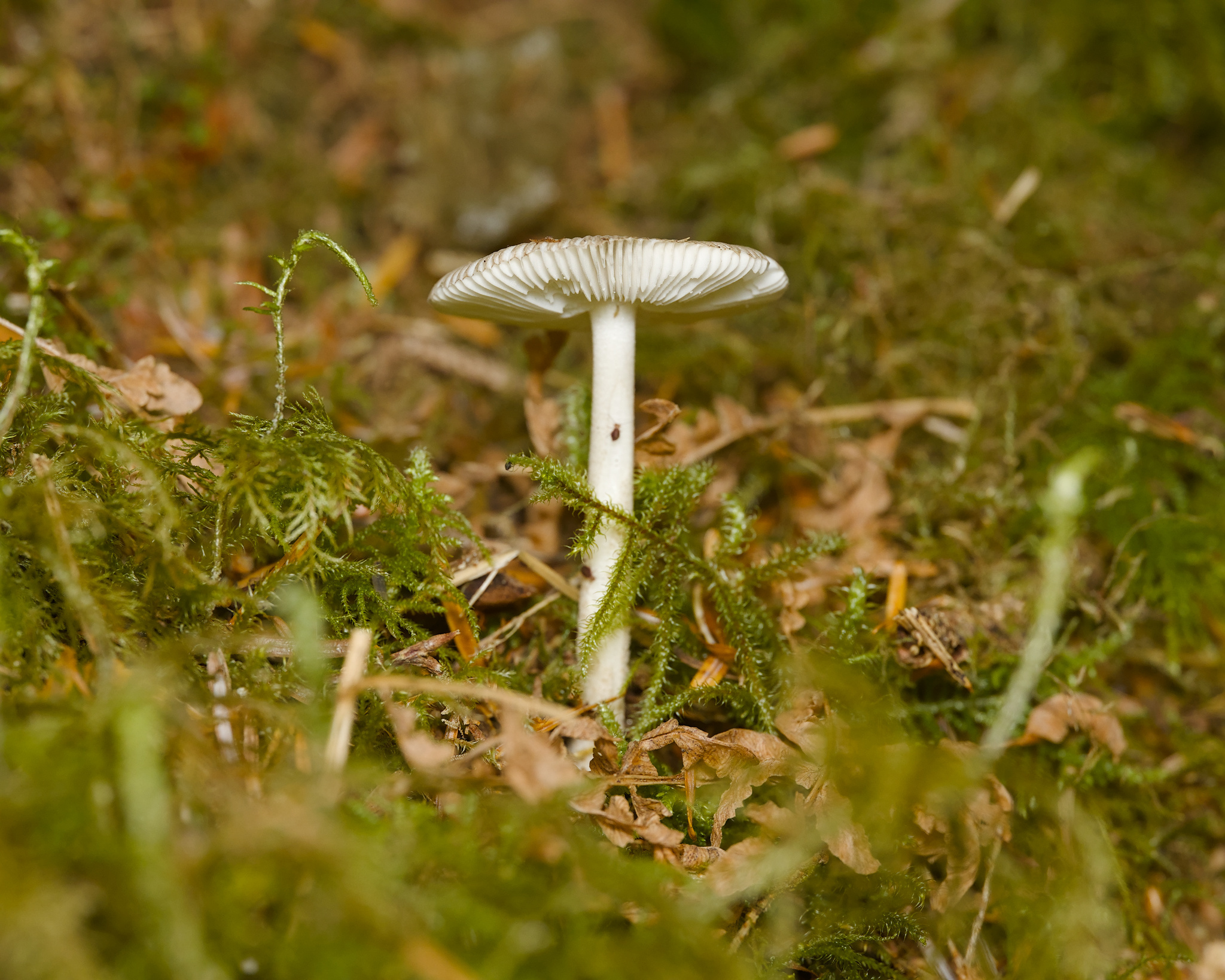
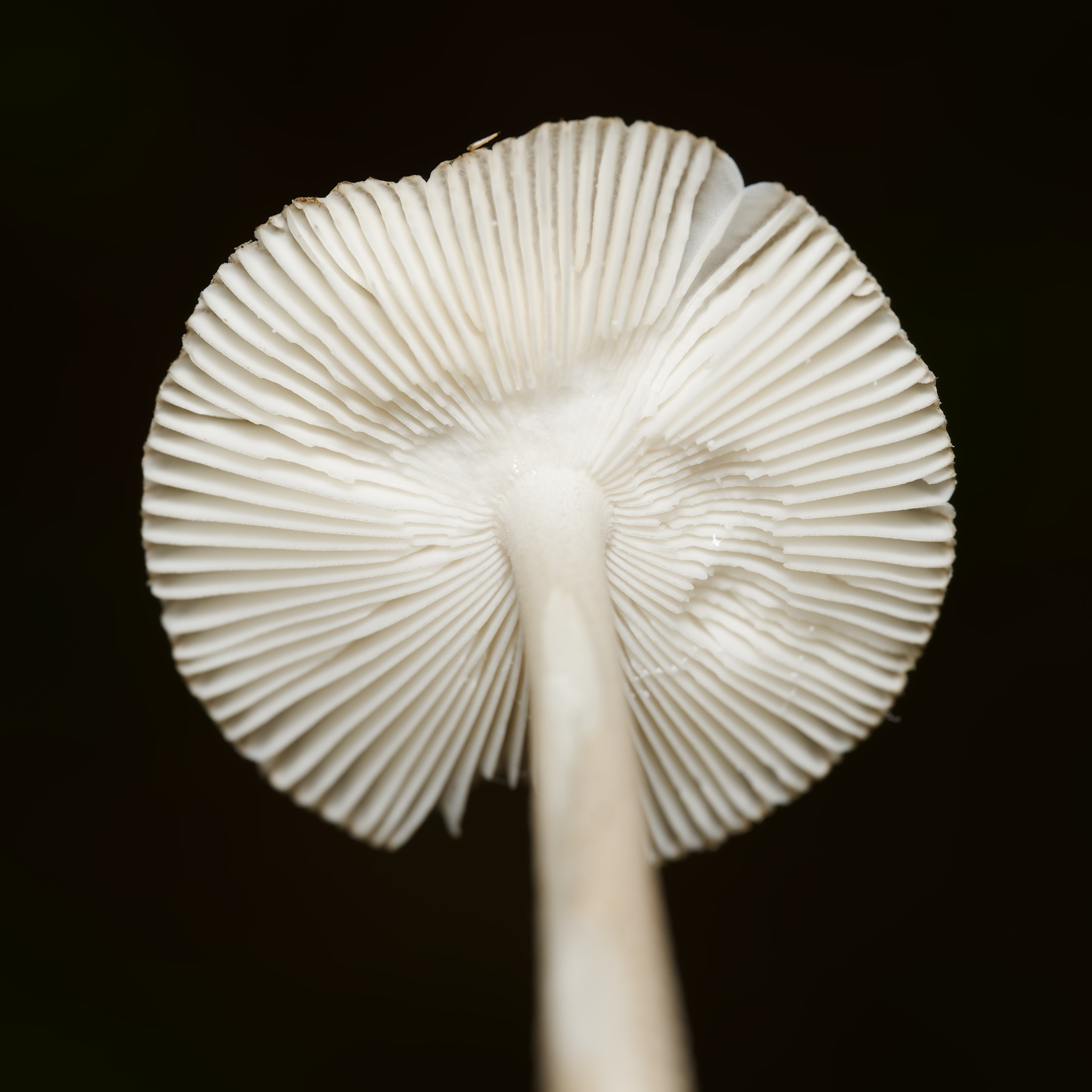
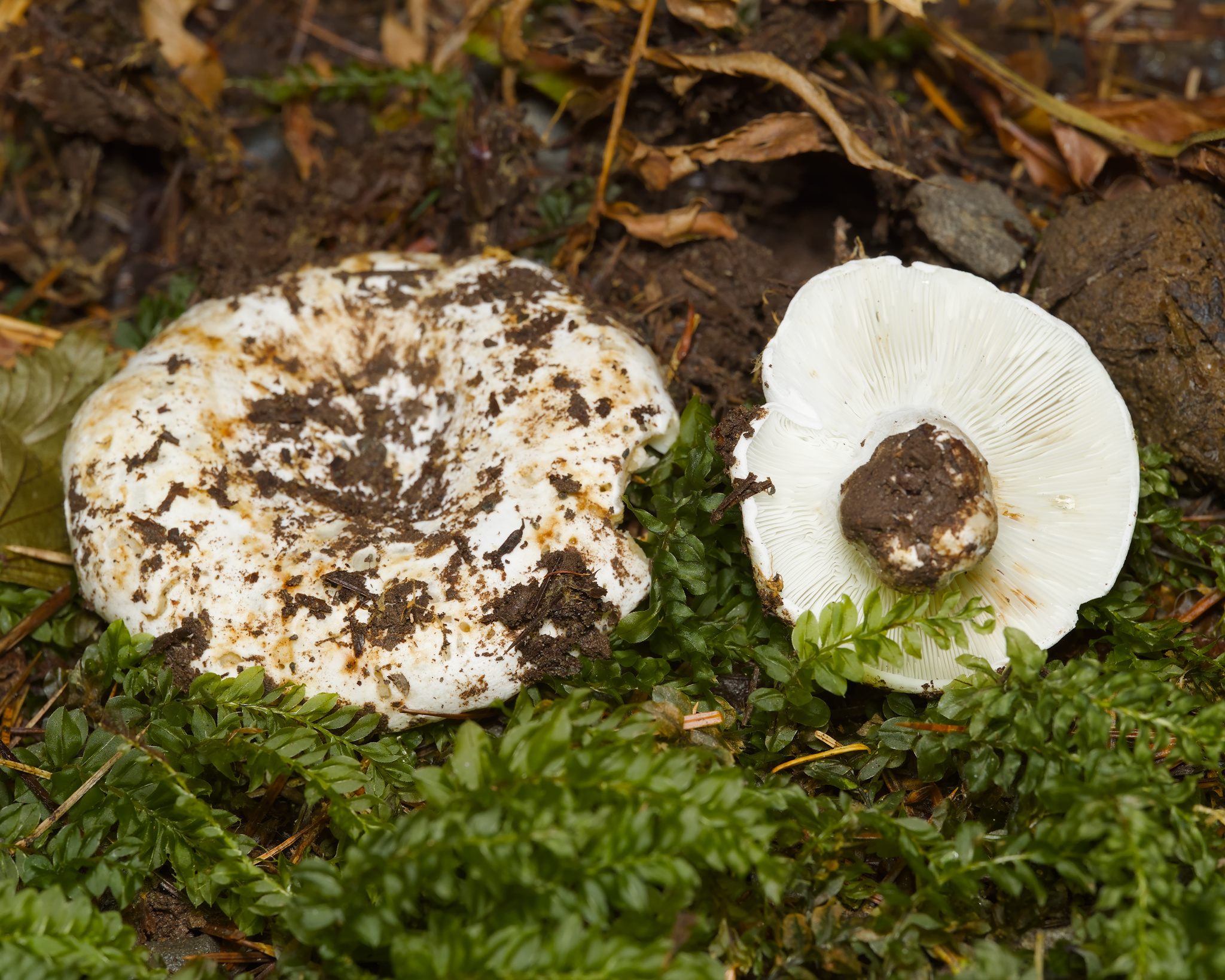
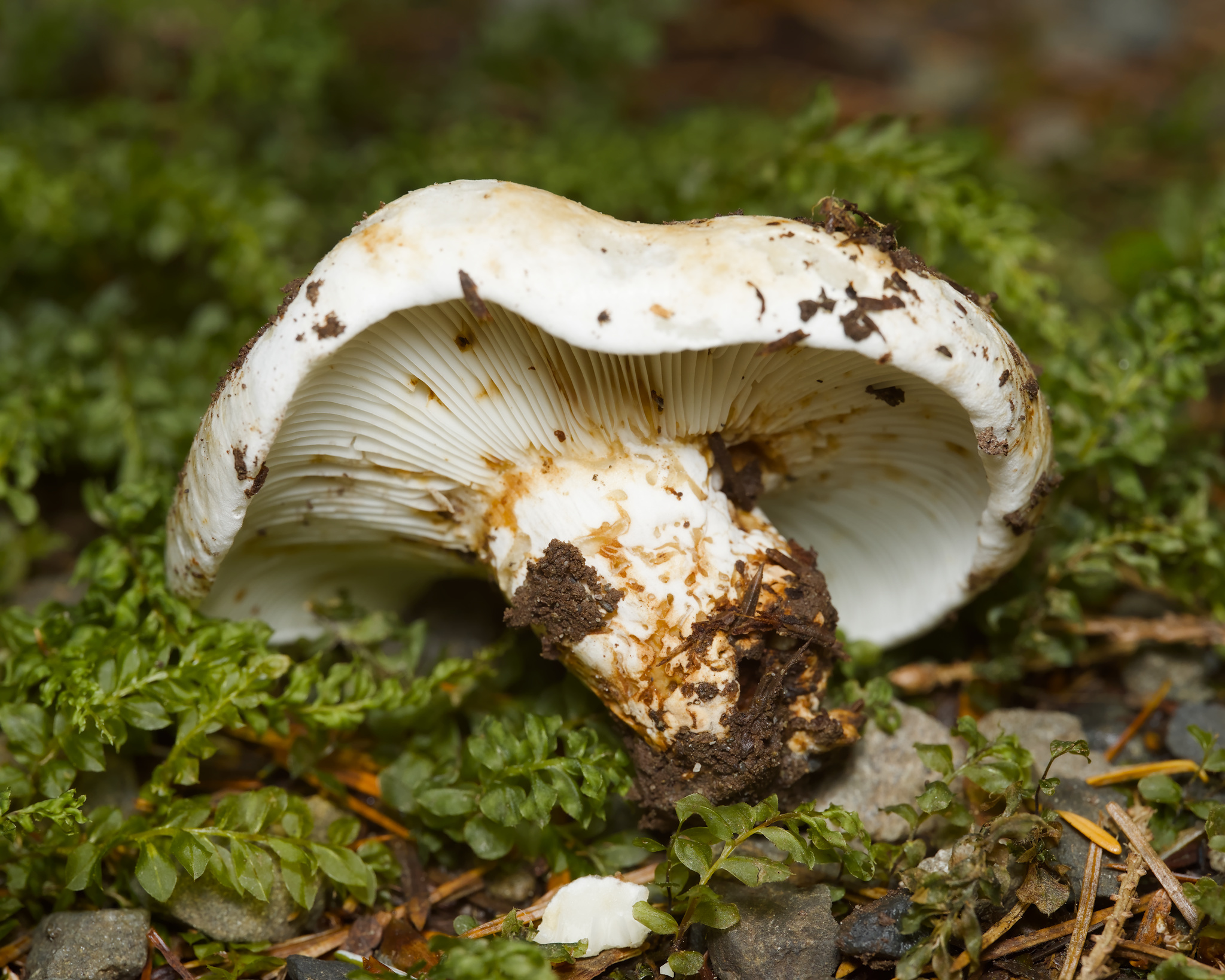
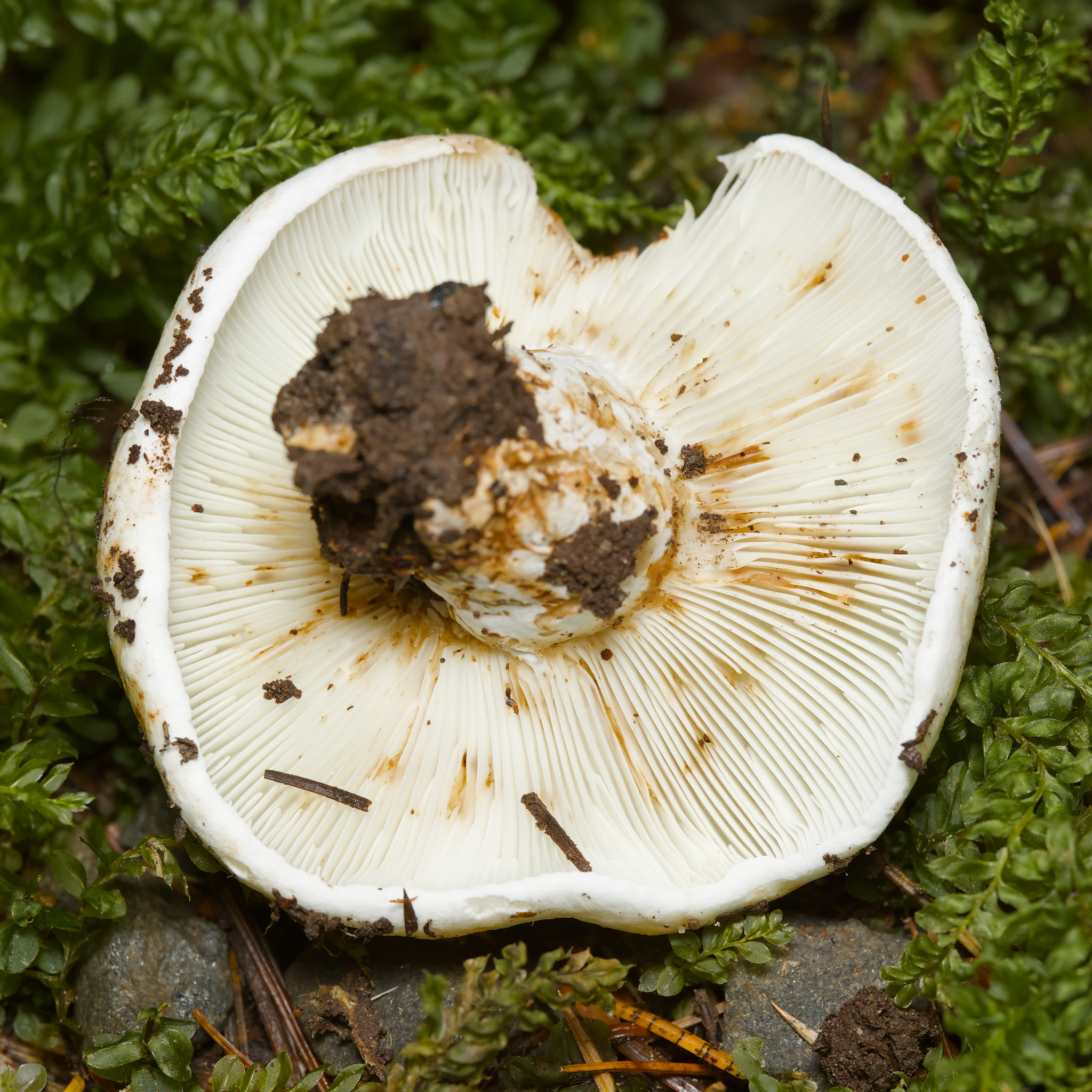
A white ish Russula! We have a few collections from the genus in our pipeline currently. I always think of Russula as a stereotypical mushroom and they can be fun to sequence as the diversity and variability is quite boundless. I hope to find at least a couple Woo species and go from there with this survey. My favorite are the purple ones, but I'm open to contributing any data here. We've got at least a couple other pale/white collections coming and it will be fun to see if this early fellow matches some later sequences. I do not know if Brodie got a taste here, however I will note we are definitely going to implement more taste into our future reporting.
Likely another example of H. washingtonianum, this collection is a bit of insurance on the former. I really enjoy the genus Hydnum, and as mentioned previously, there might still be a bit of room for sequence data here. Of course we have also attempted to collect on H. umbilicatum / oregonense like samples too! Coming soon.
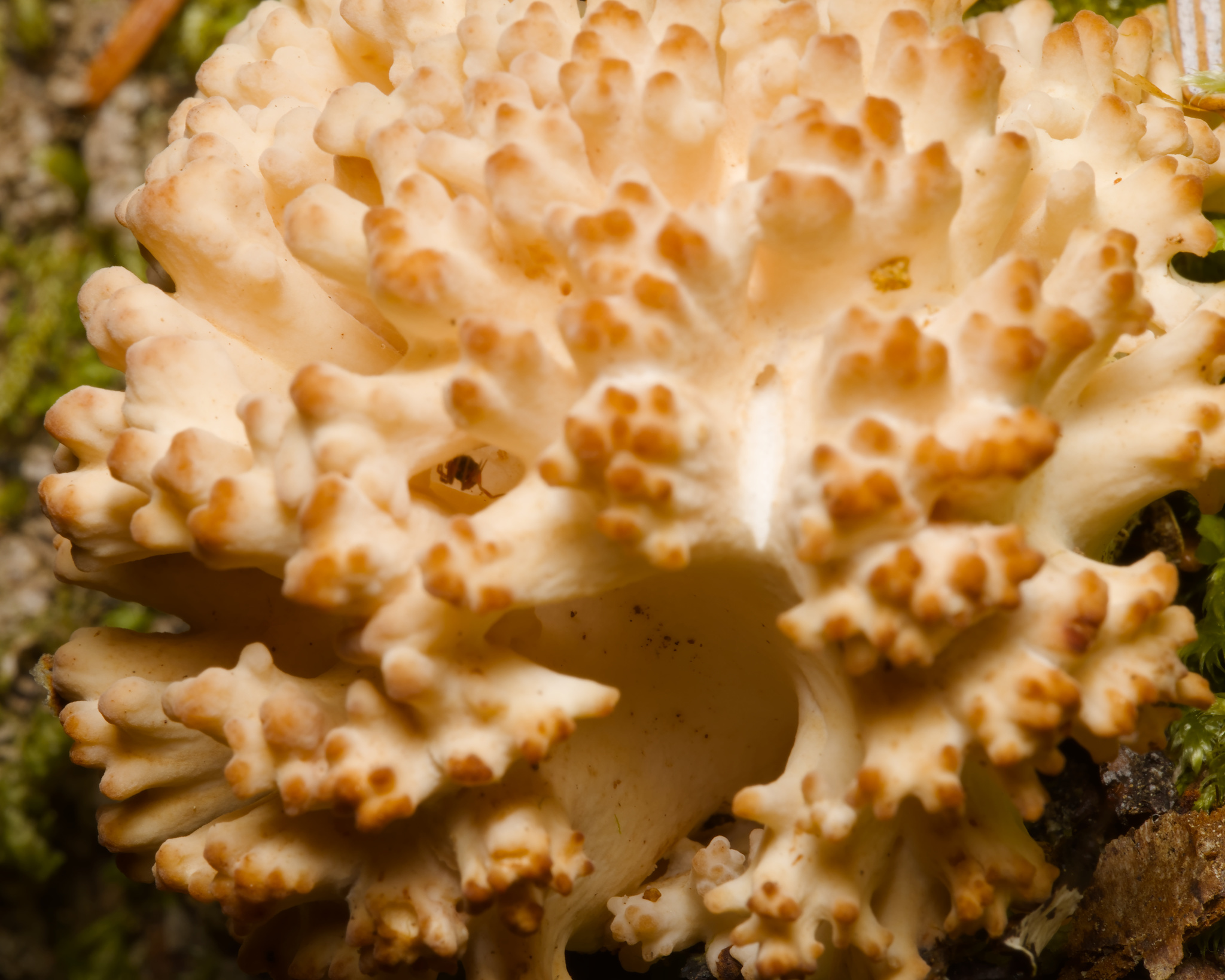
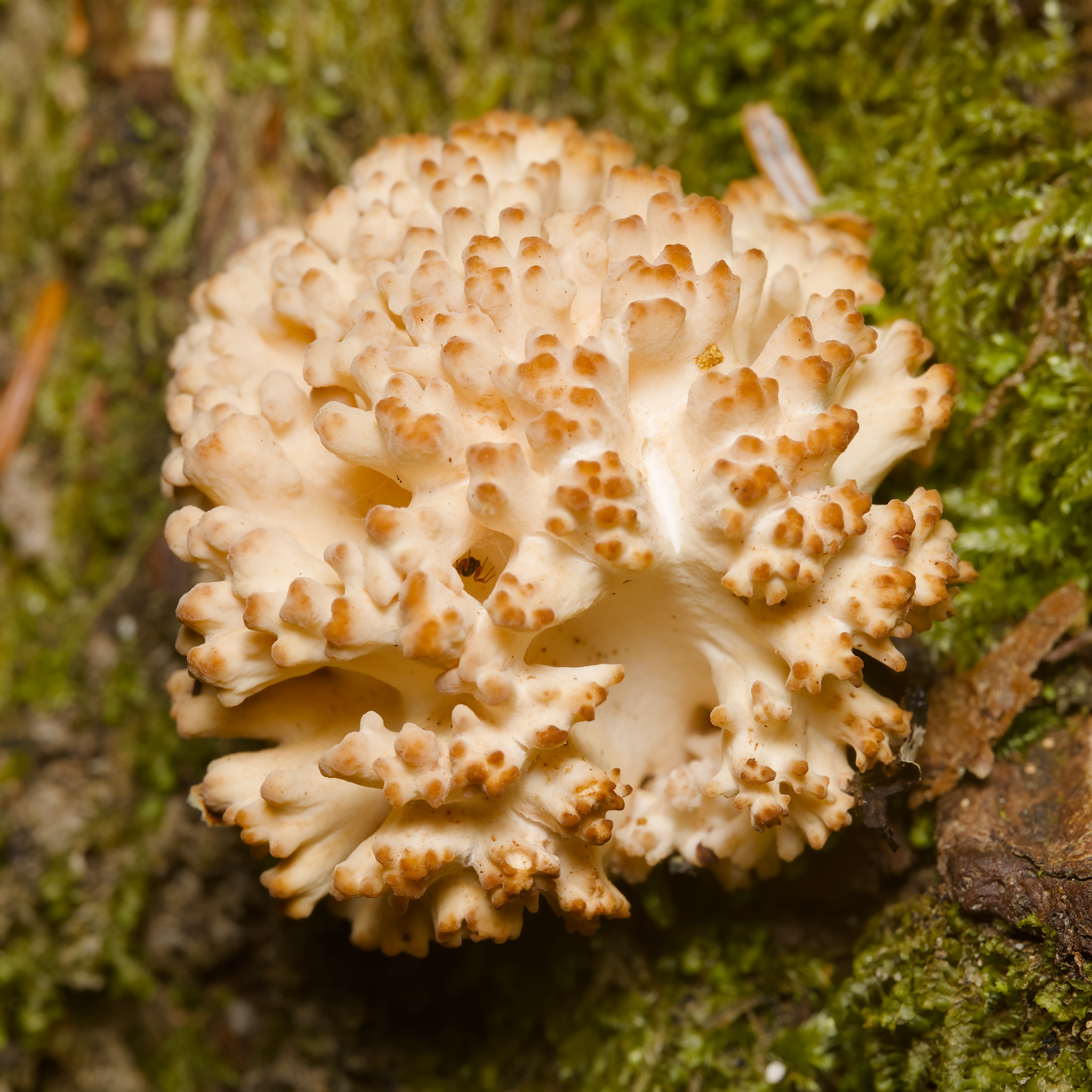
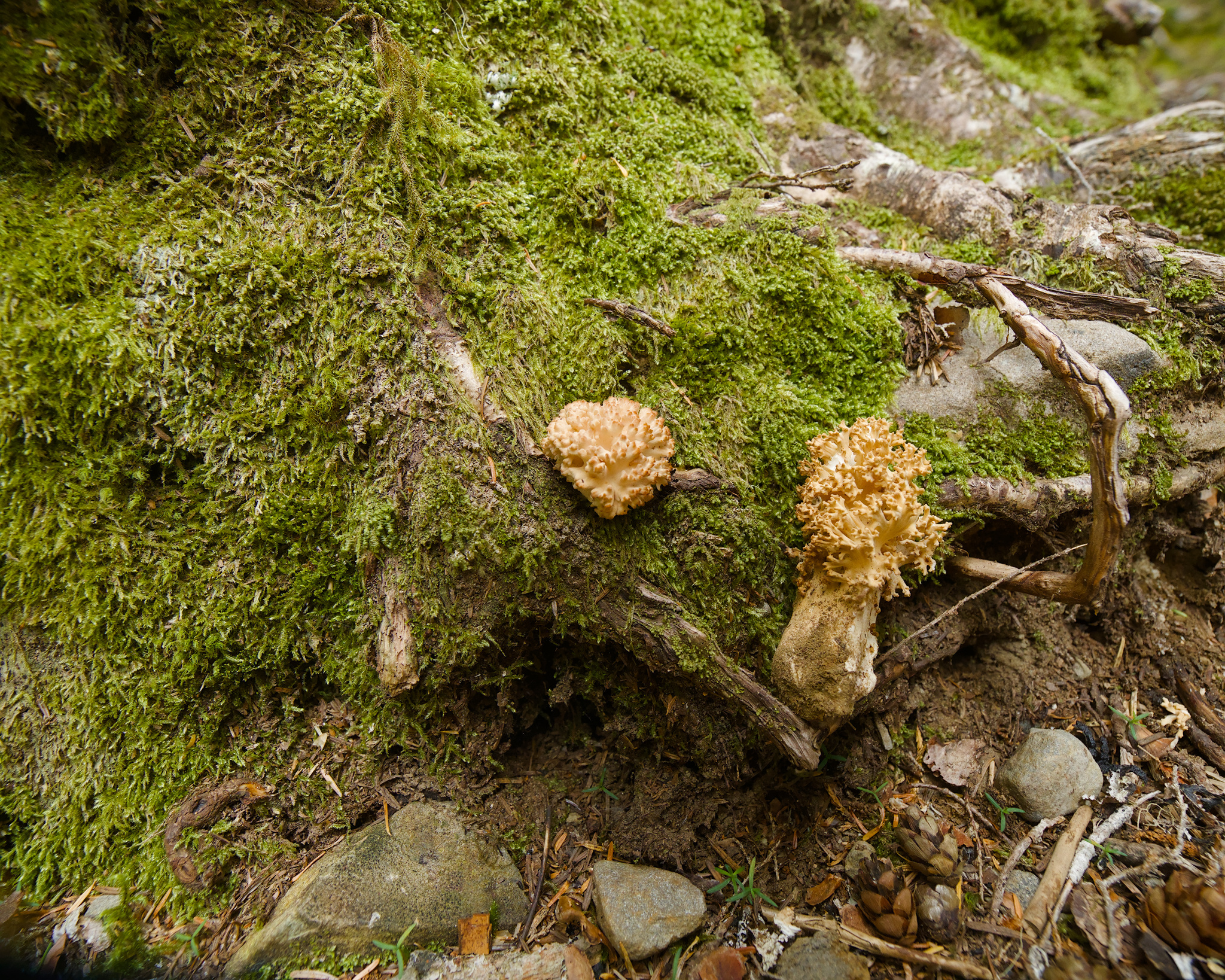
Check out this freak of nature! Hopefully everyone reading should know that I love Gomphaceae, and this weirdo Turbinellus is no exception. Likely one of two common species here, I'm still happy to add this mildly early and a bit stunted example to our survey. We are seeing loads of the genus this fall, with reports from Brodie at the beginning of October stating that both species are being found in abundance...of course along with their lovely relatives! Ramaria, Gomphus, etc.
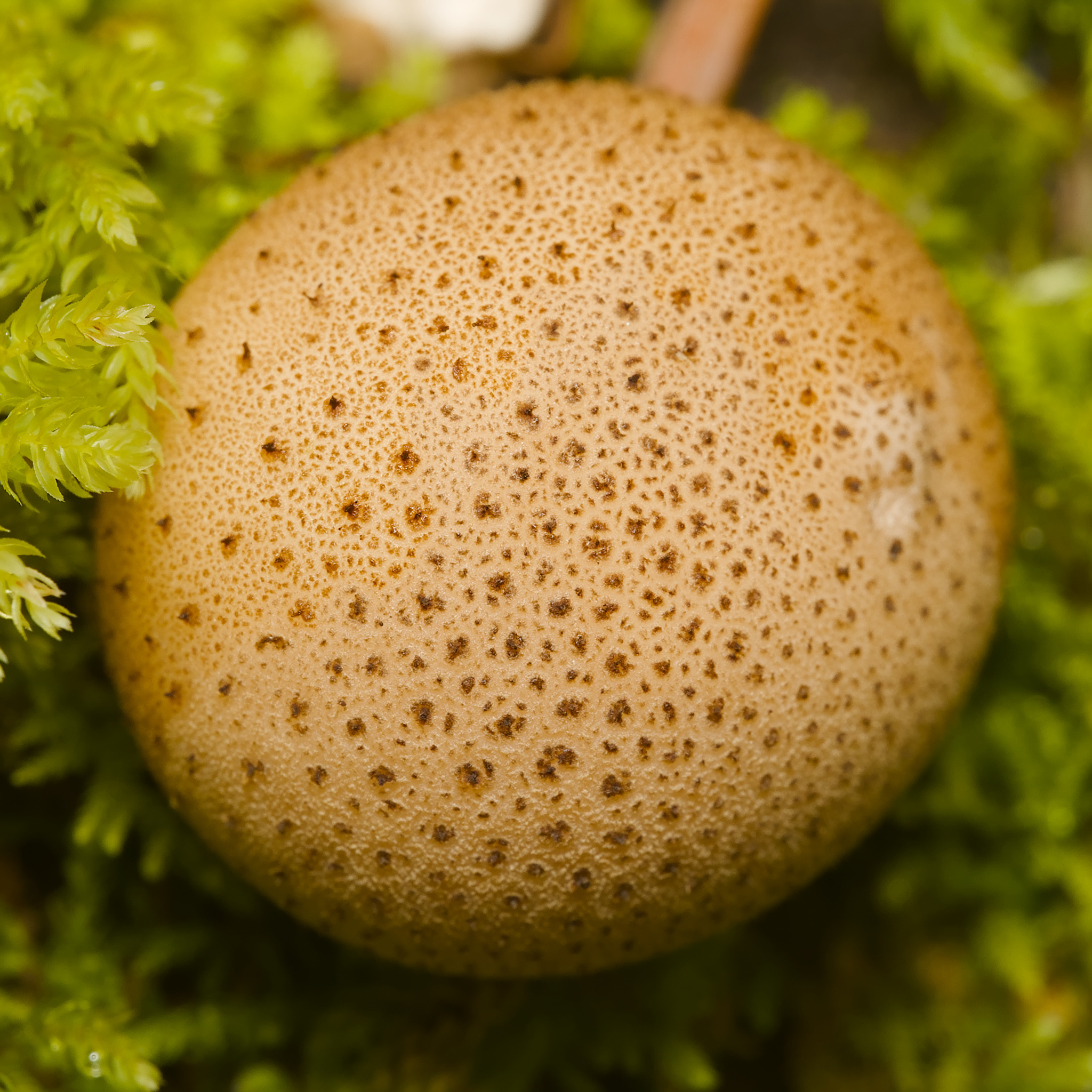
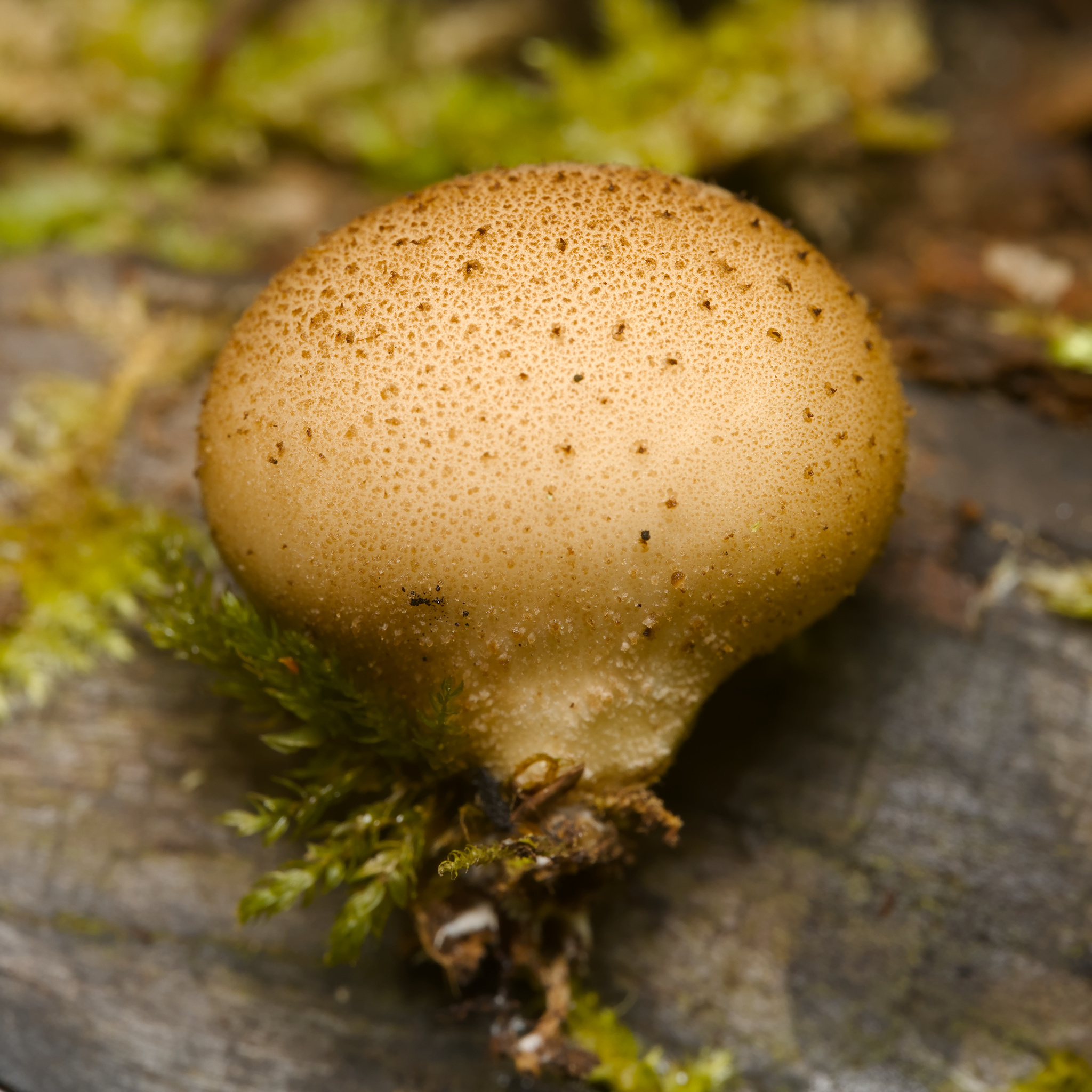
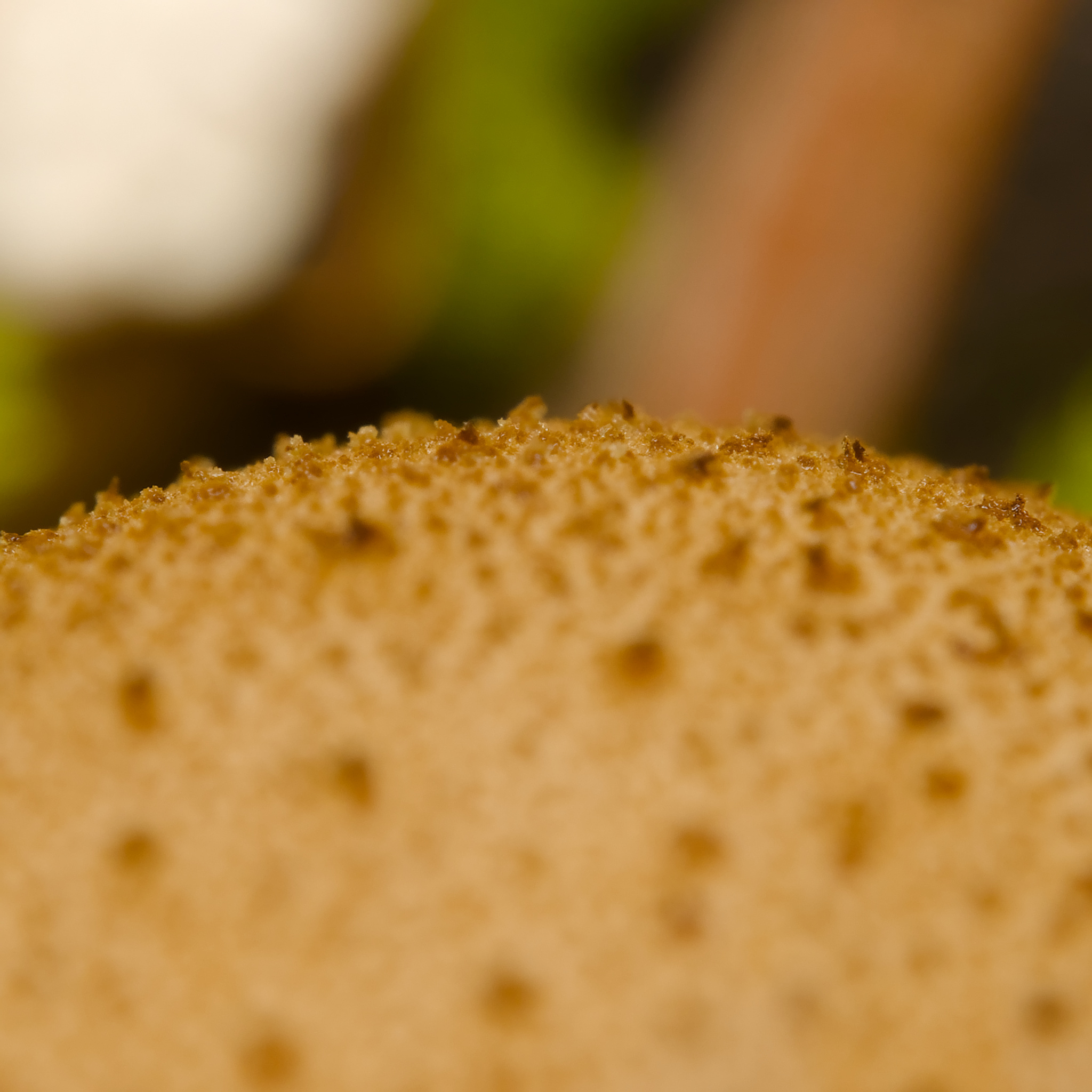
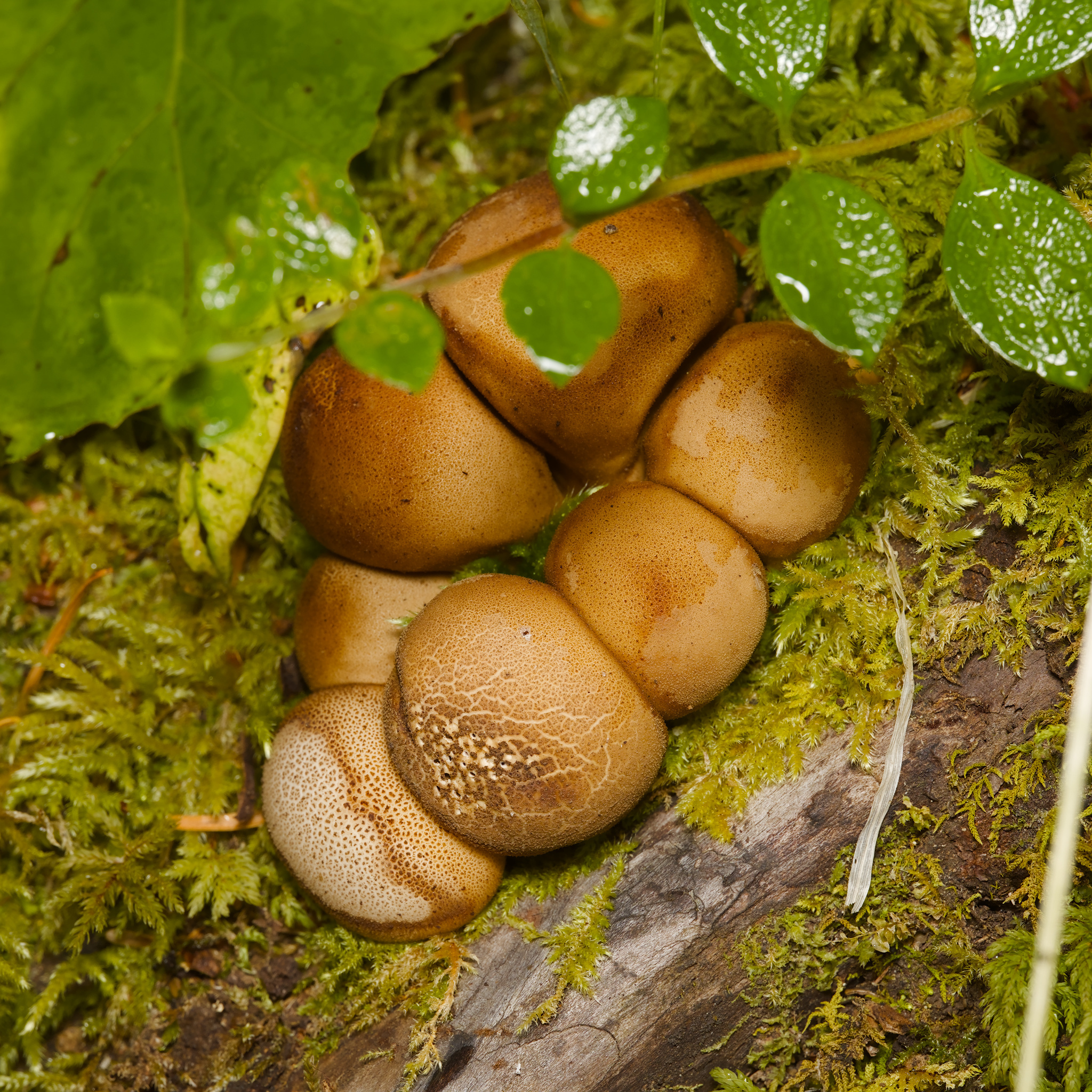
Stump puffballs! Lycoperdaceae are another family that we are likely just going to survey one of each of, for the sake of building a more general study.
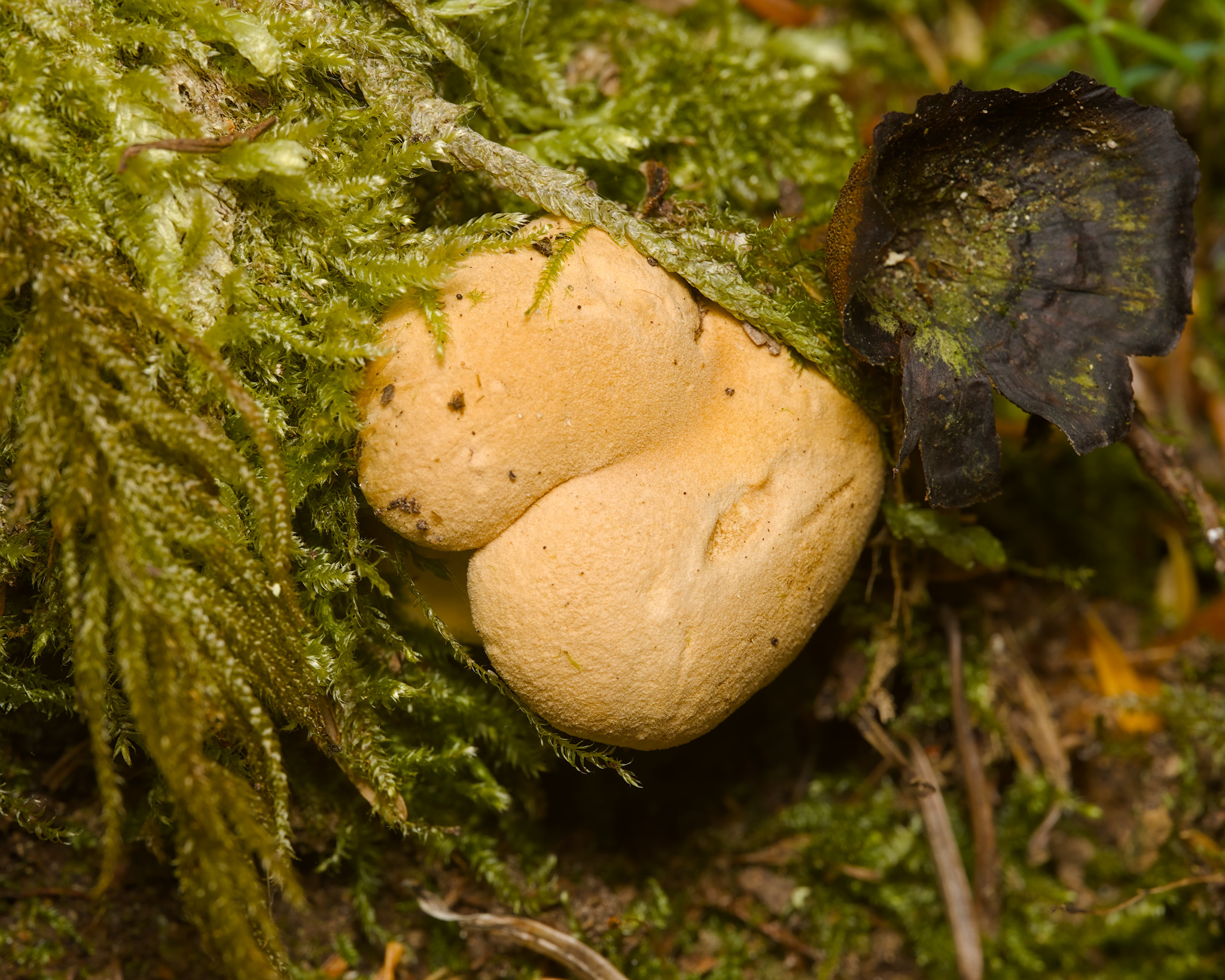
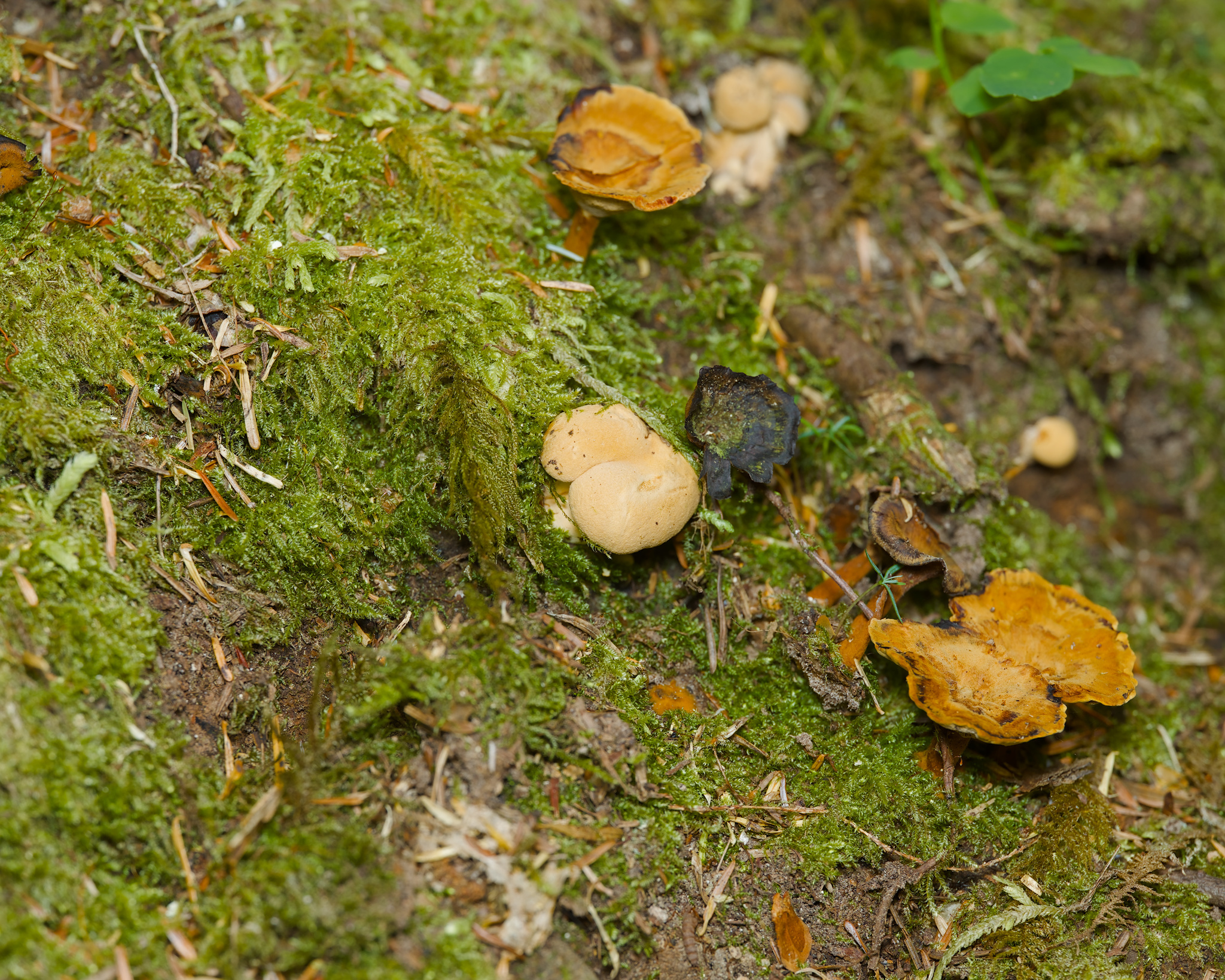
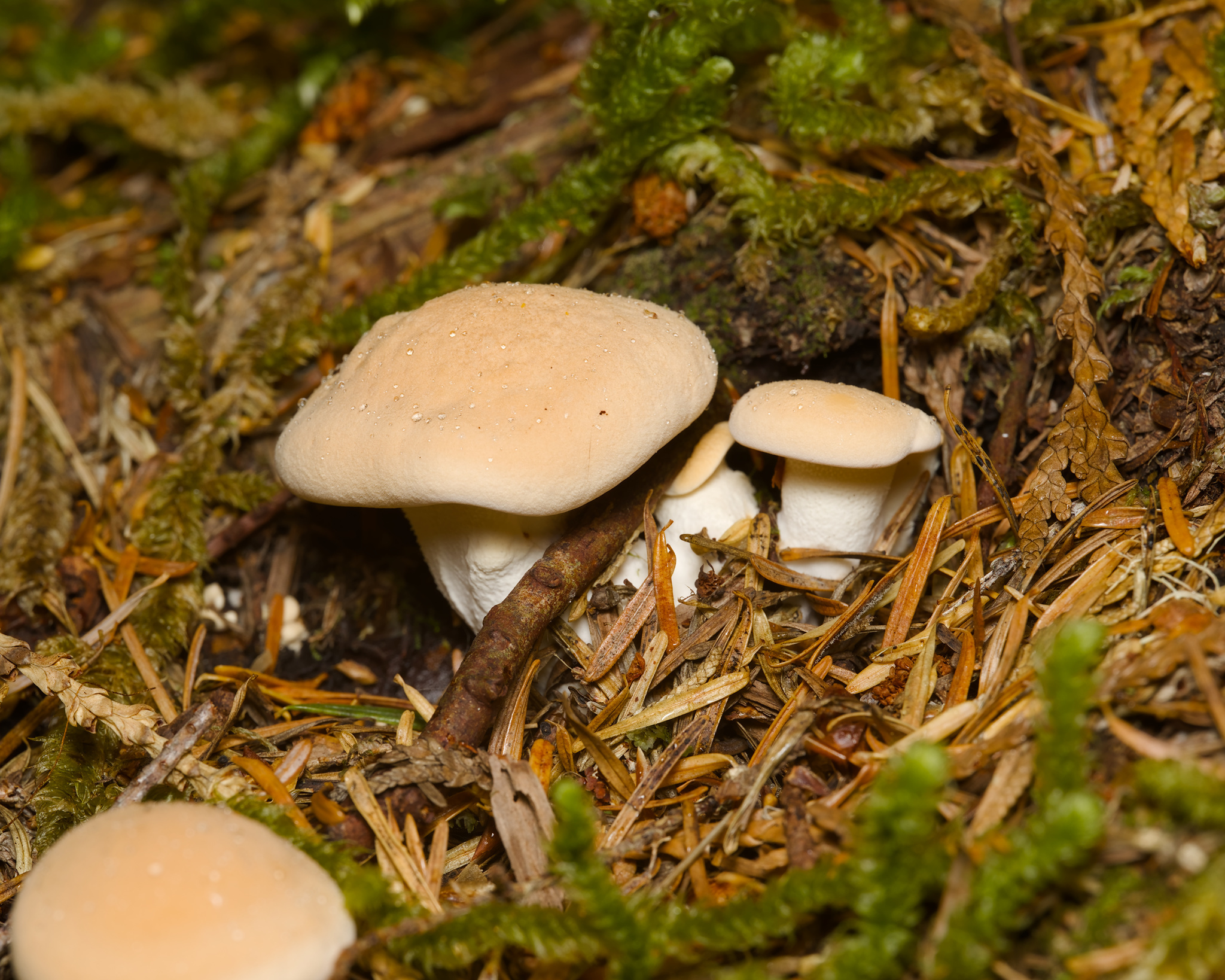
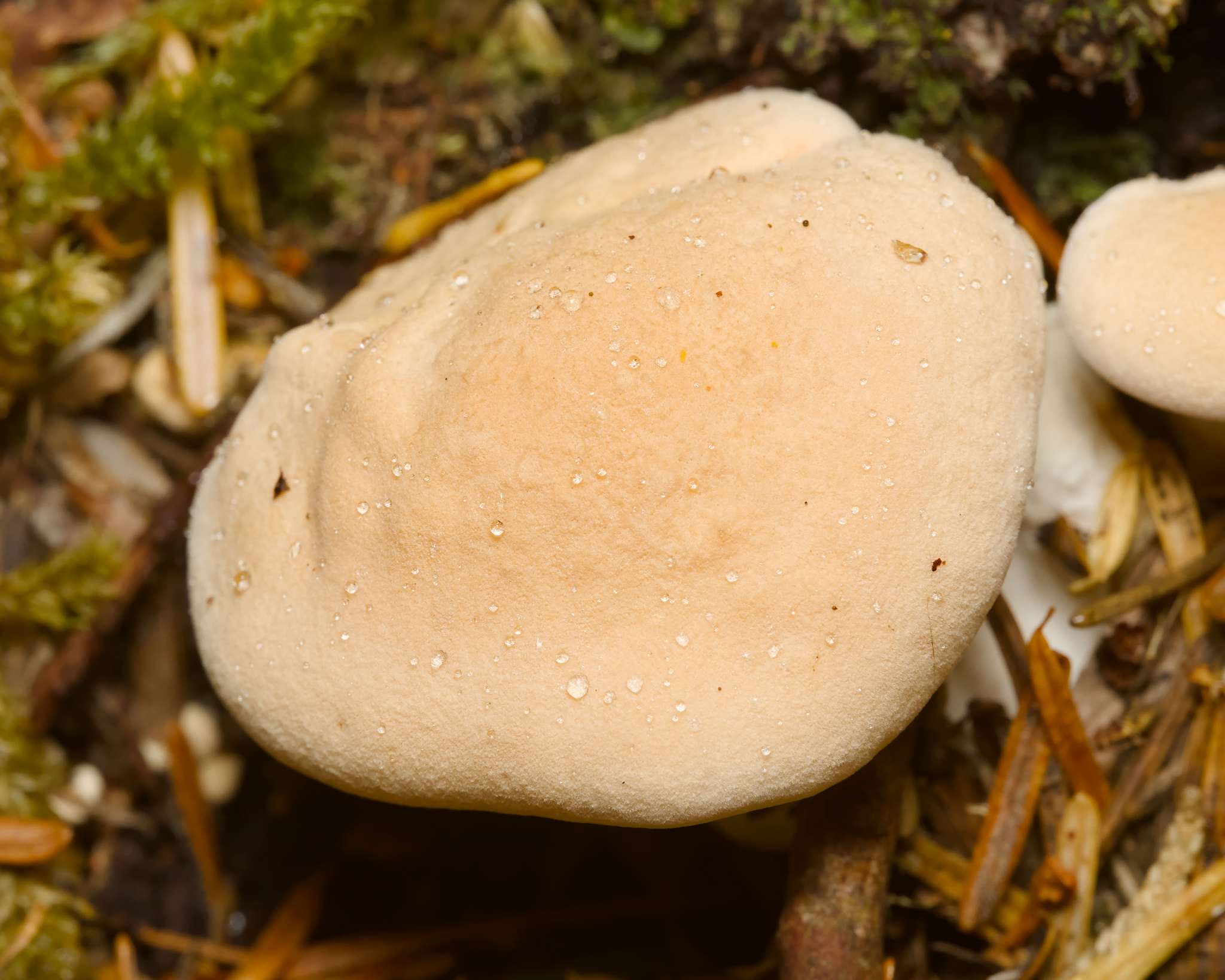
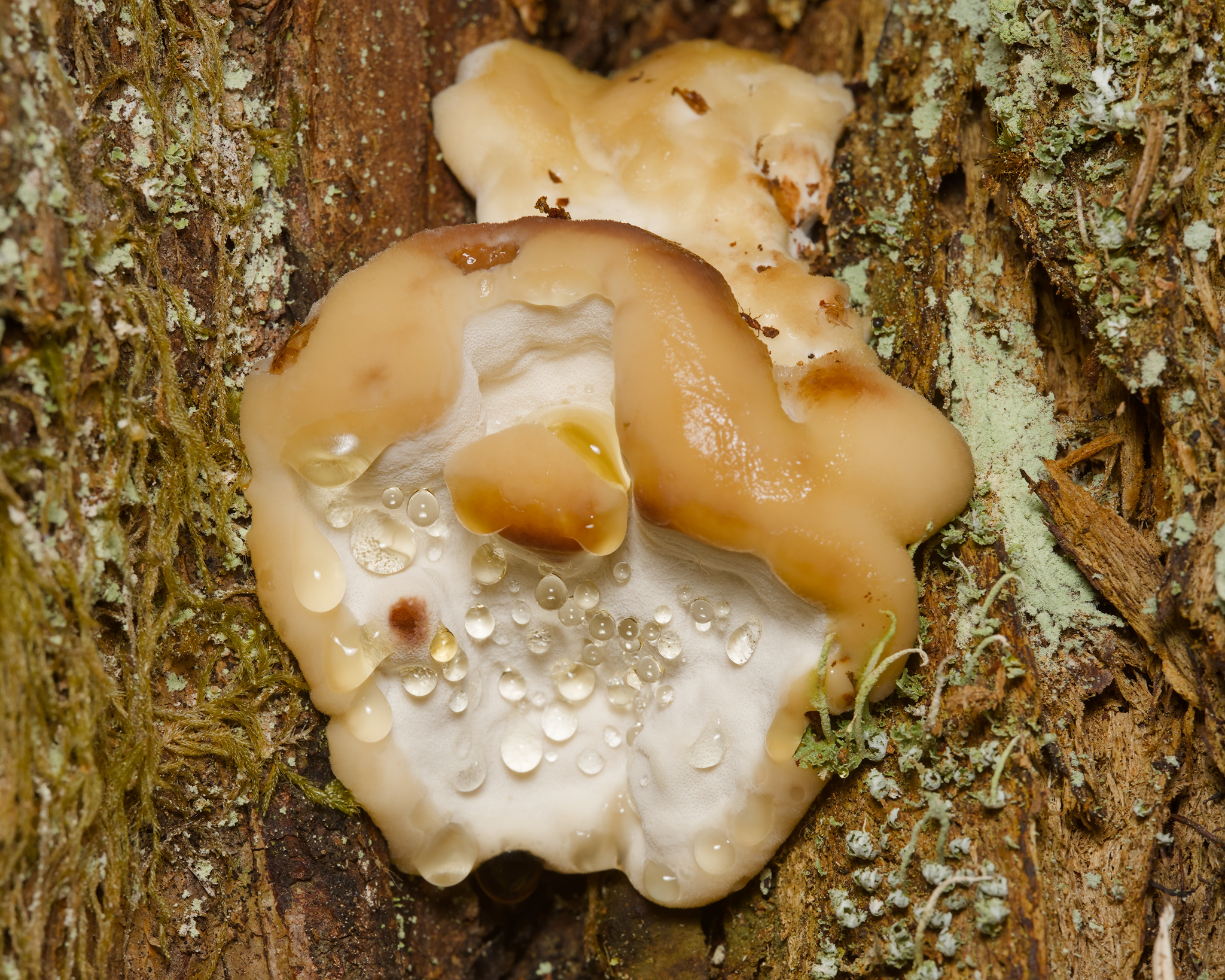
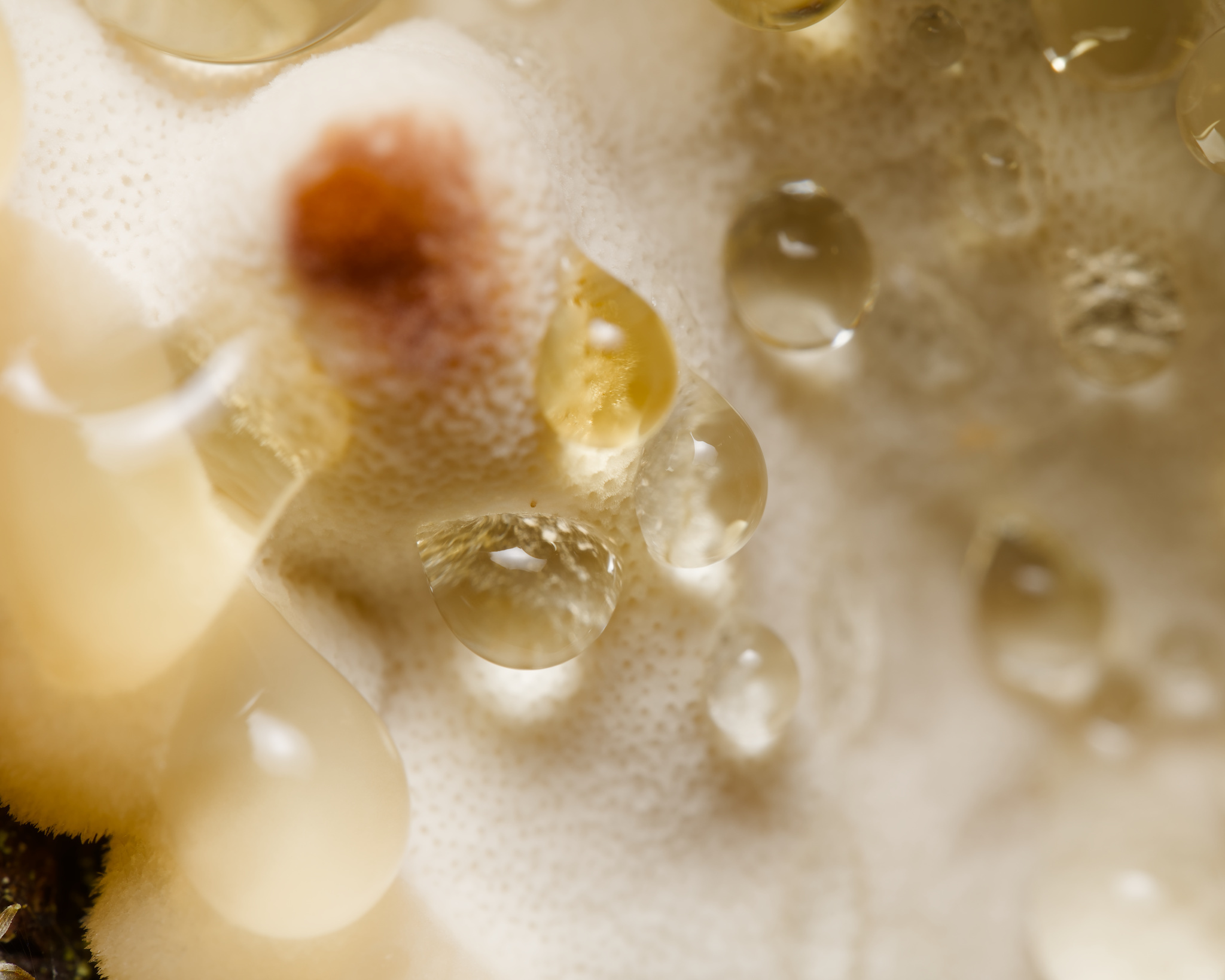
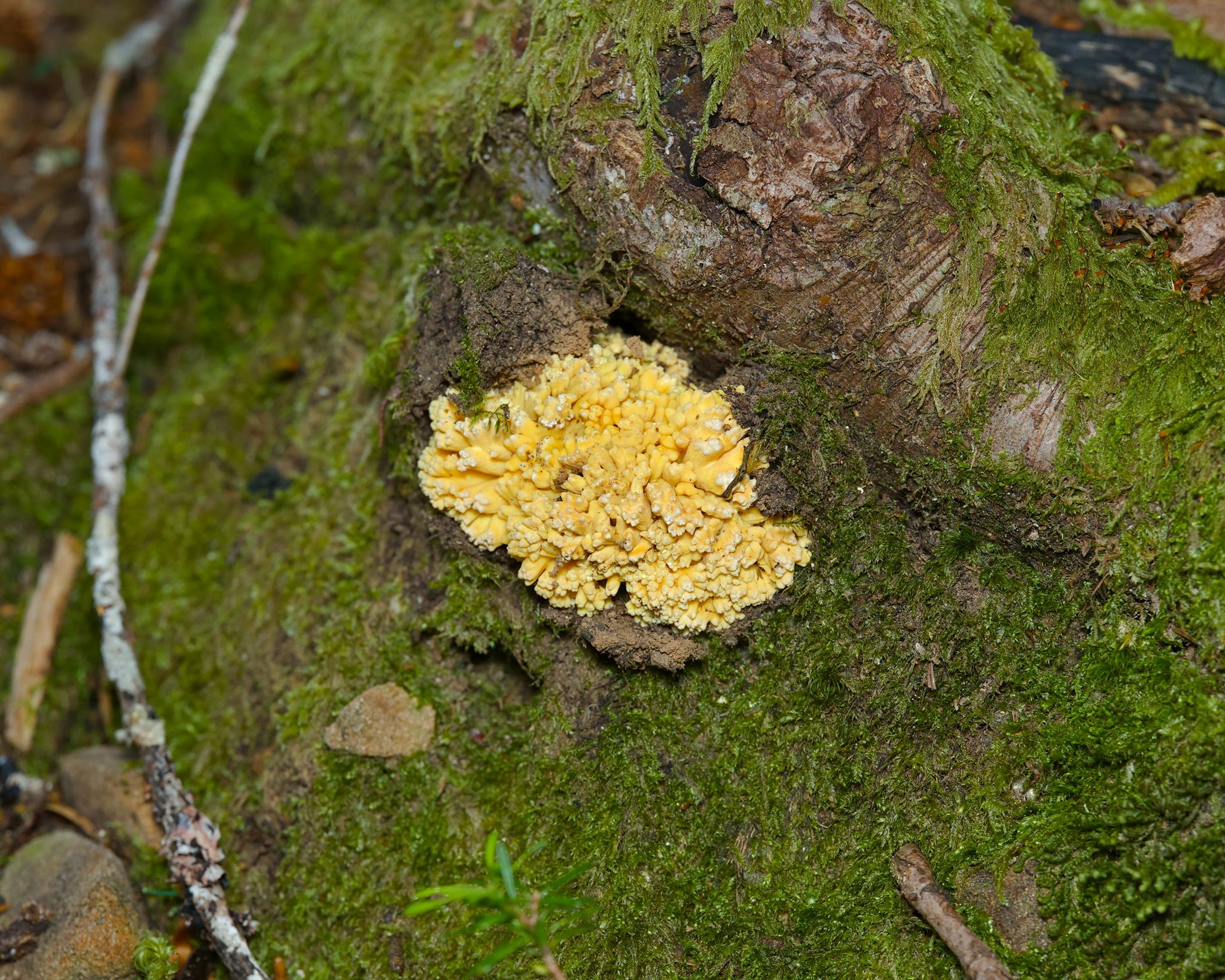
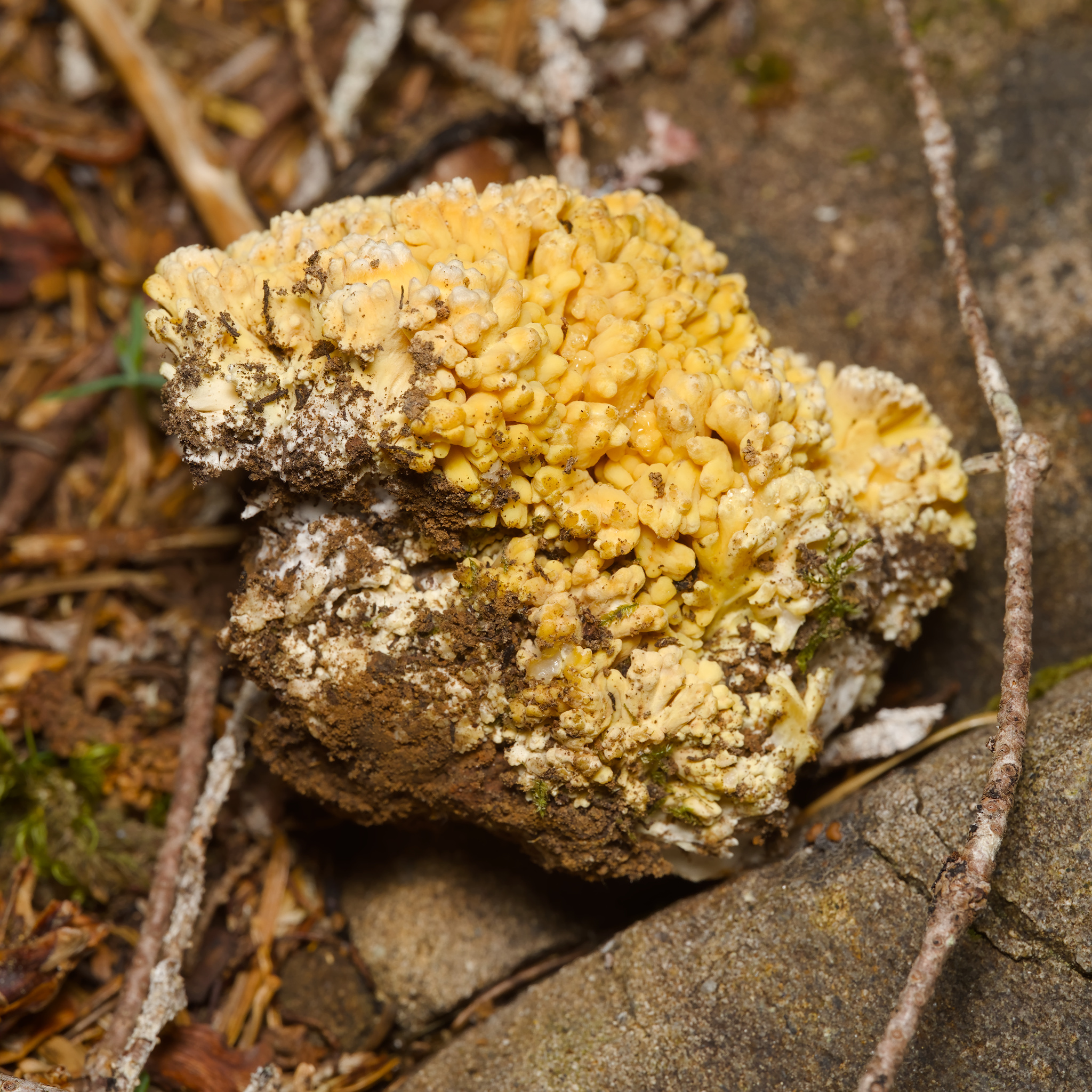
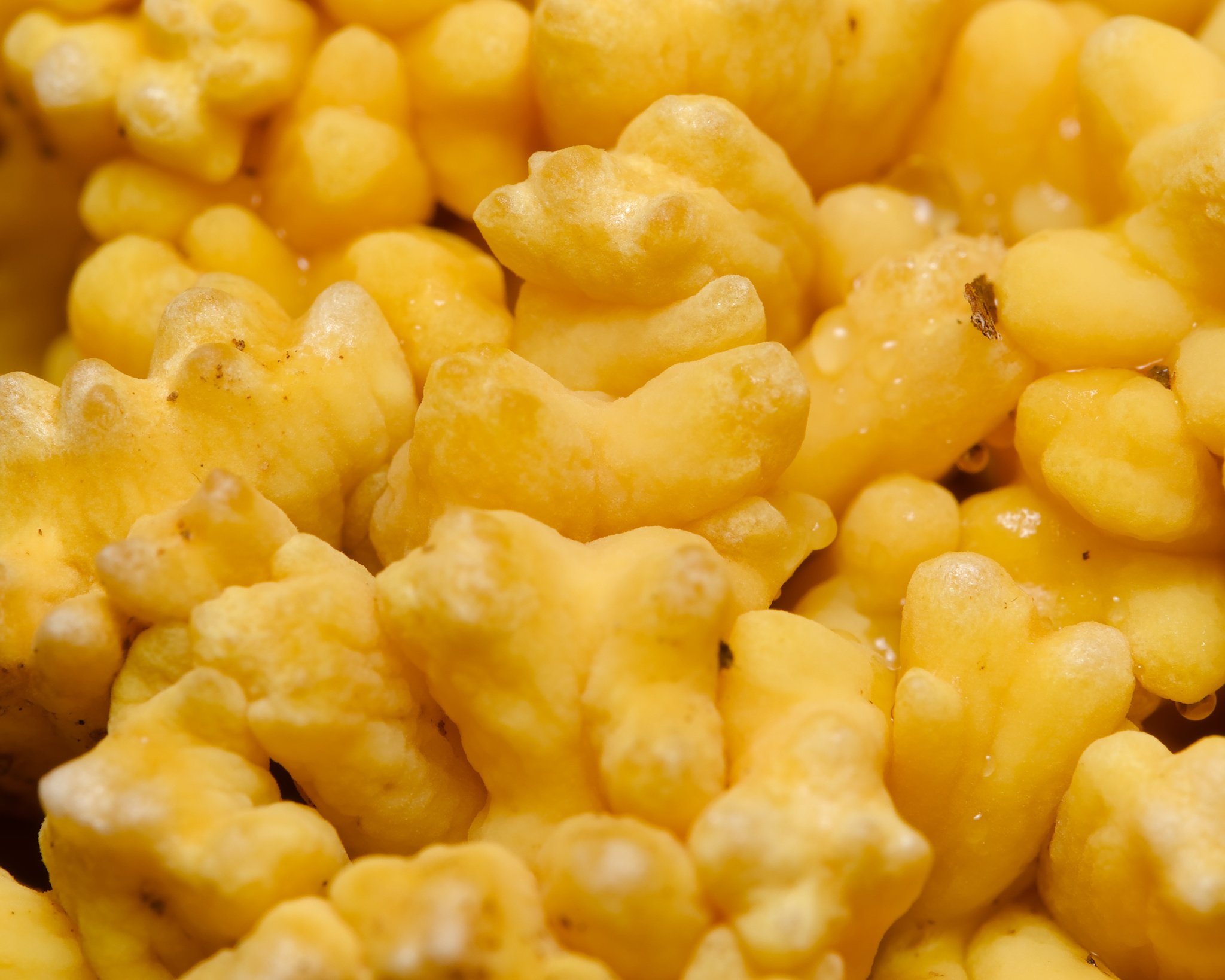
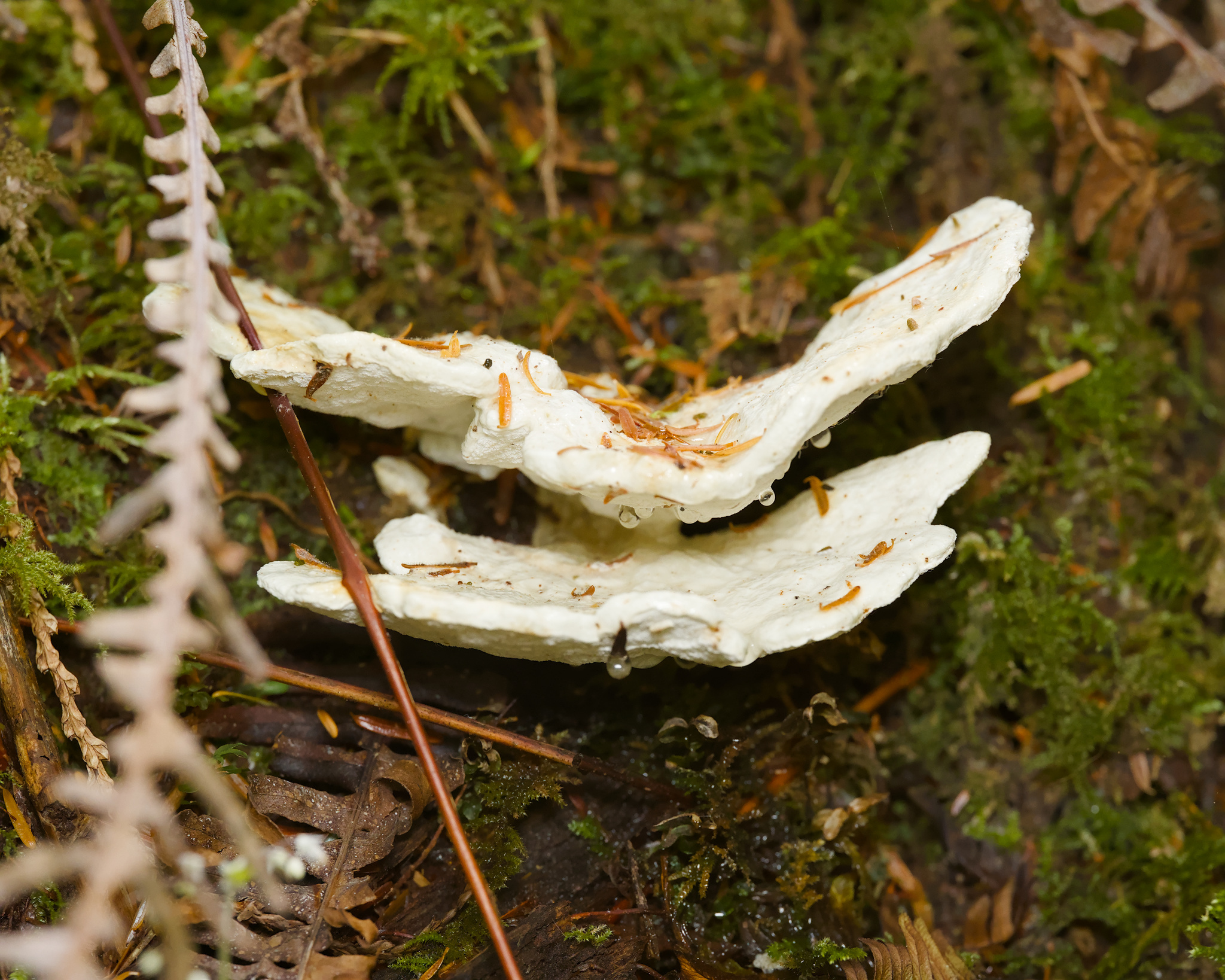
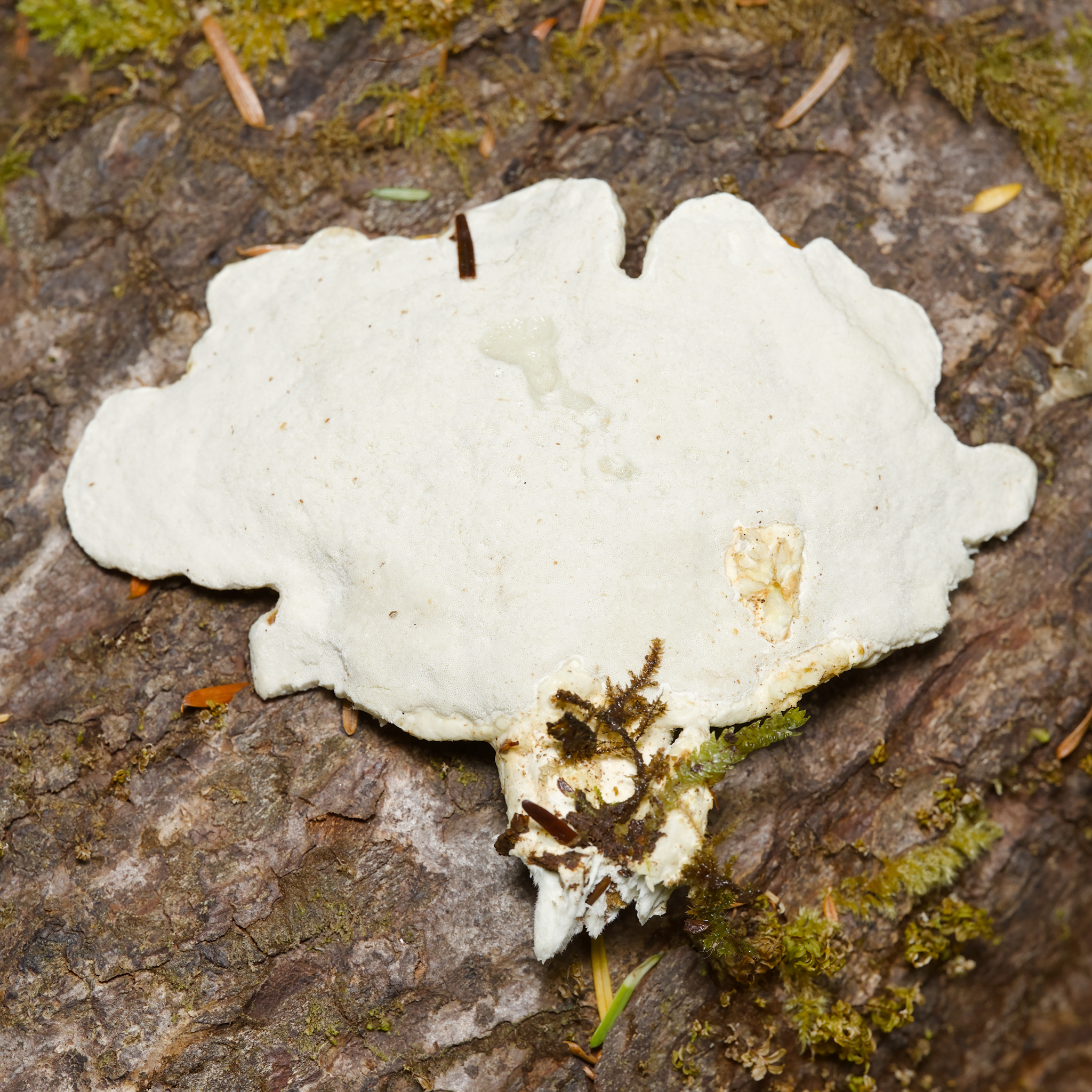
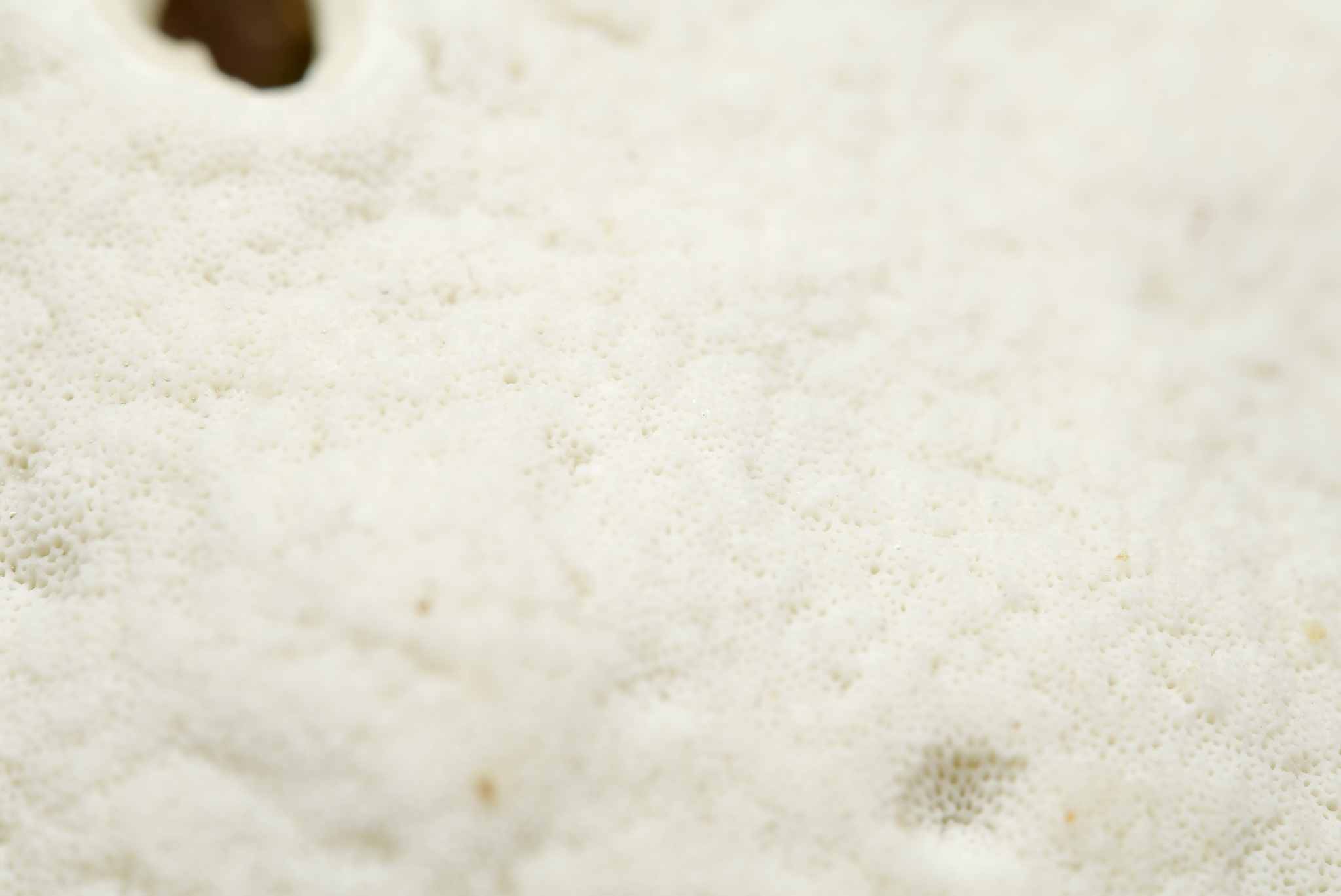
Some sort of softer effuso-reflexed polypore. Good bit of guttation. I have always said I'm not a fan of polypores but I can appreciate the fact that neither of us know what
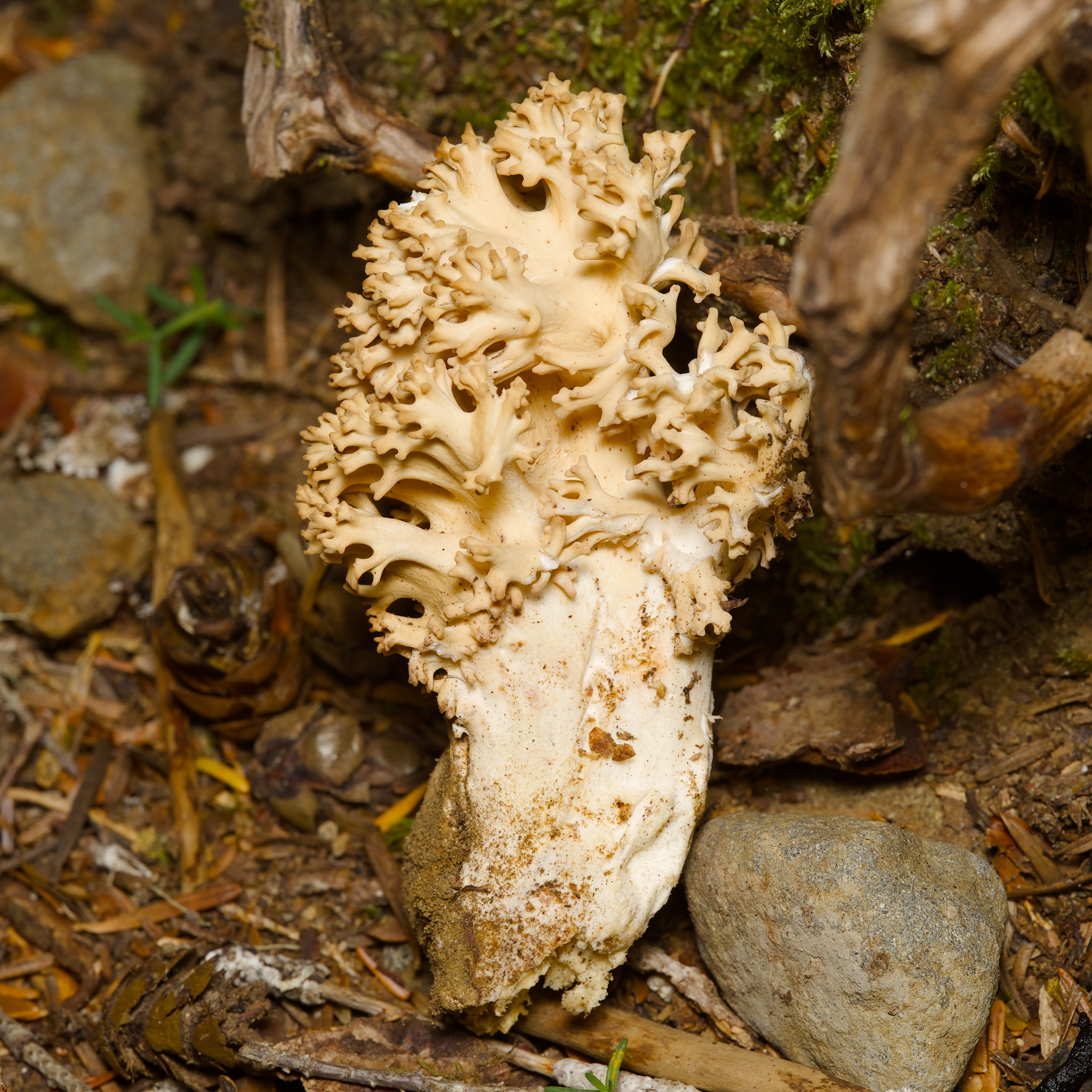
A lovely Ramaria! Perhaps subgenus Ramaria. Lovely to see some in the summertime here, before I became more interested in the genus I associated them mostly with the fall. However living in Oregon, visiting California, and expanding the reach to Washington, has revealed many species that are fine with dry weather. Including some that may be less familiar to other people too. We shall see, this may be a common taxon, but of course with the immense diversity in the genus and my personal favoritism, I'm sure we will collect something less well known from the genus, by the end of the year.
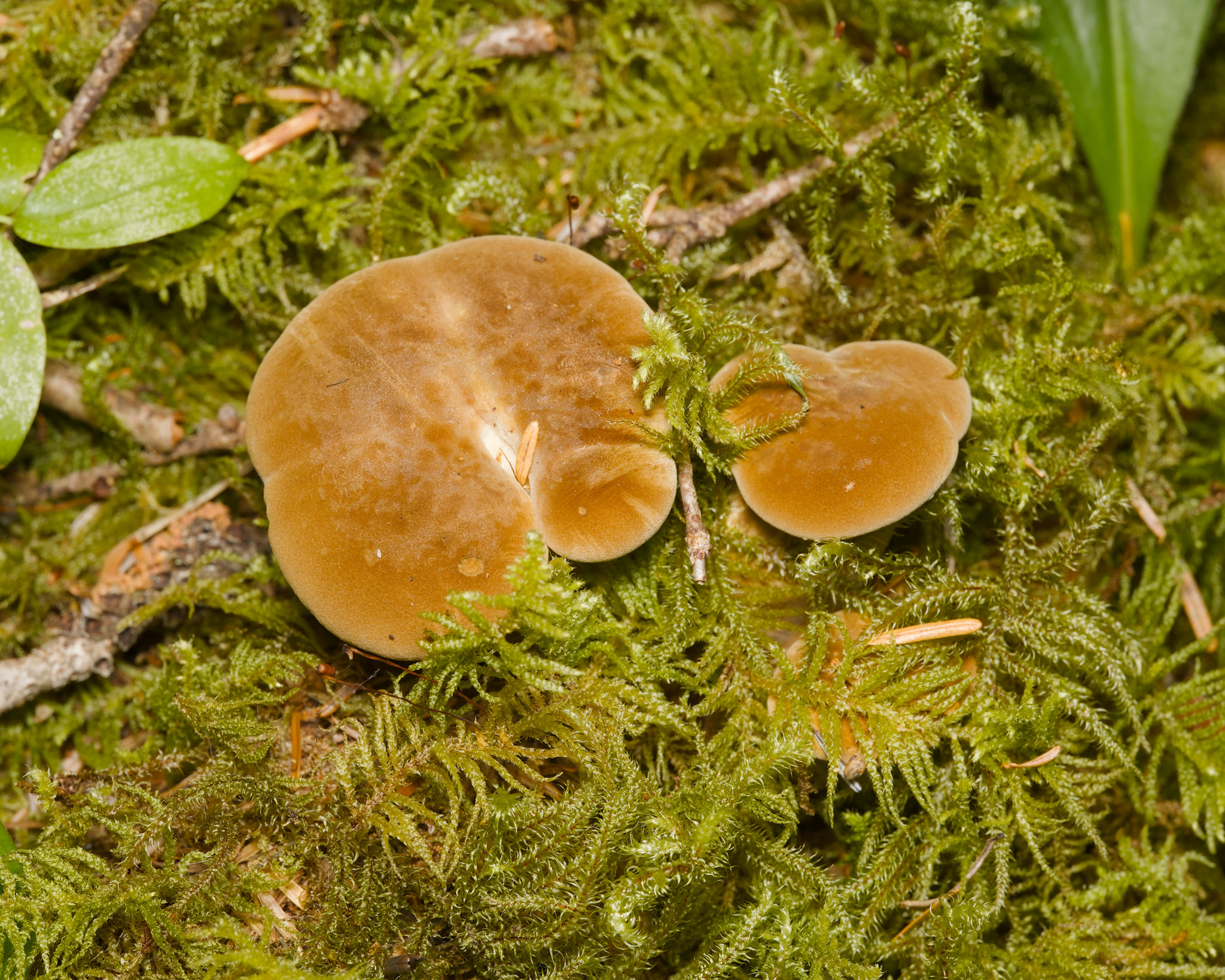
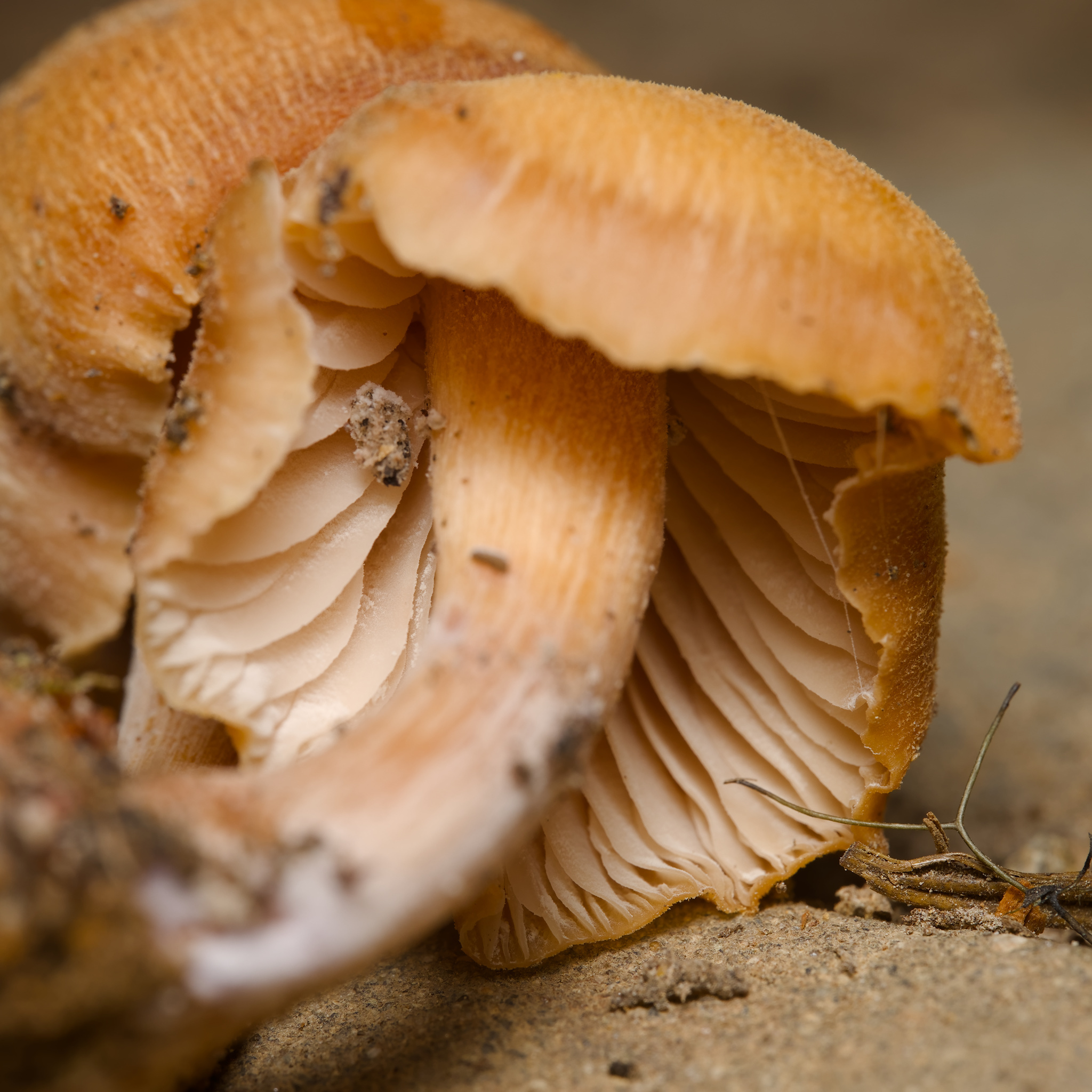
A funky little light spored deal, I was leaning towards Collybiopsis, but would consider Laccaria. We are indeed working on our gill attachment photos going forwards.
Perhaps one of the western gemmatoid species or maybe a pale A. pantherinoides? I am not an amanitanerd, as usual. I will leave the guesses to the pros and await sequencing. Good for survey either way.
Another bolete for the mix. I have a feeling we may have surveyed an example of this species before, with a more brown cap, but it's all good either way. Boletus is quite a diverse genus and quite honestly this species looks more xerocomelloid to me than others, but I roughly understand it's placement. Most common boletes, especially the ones we will be handling and calling that word here, will be members of the same subfamily. I guess with the main exception being our numerous Suillus. Our members of the greater family are primarily split between only a few genera here, at least in the thick of the peninsula. Maybe my understanding of our bolete diversity is lacking. As mentioned we will continue to collect them occasionally to try and increase our spread!
Another Ramaria! July was nice for me this year as I learned about more dry weather species in the genus in all three of our west coast states. Especially some nice examples from Washington make me excited. This fella looks a bit like it could belong in subgenus Ramaria. However it could very well just be a stunted Laeticolora, dryness and some color considered.
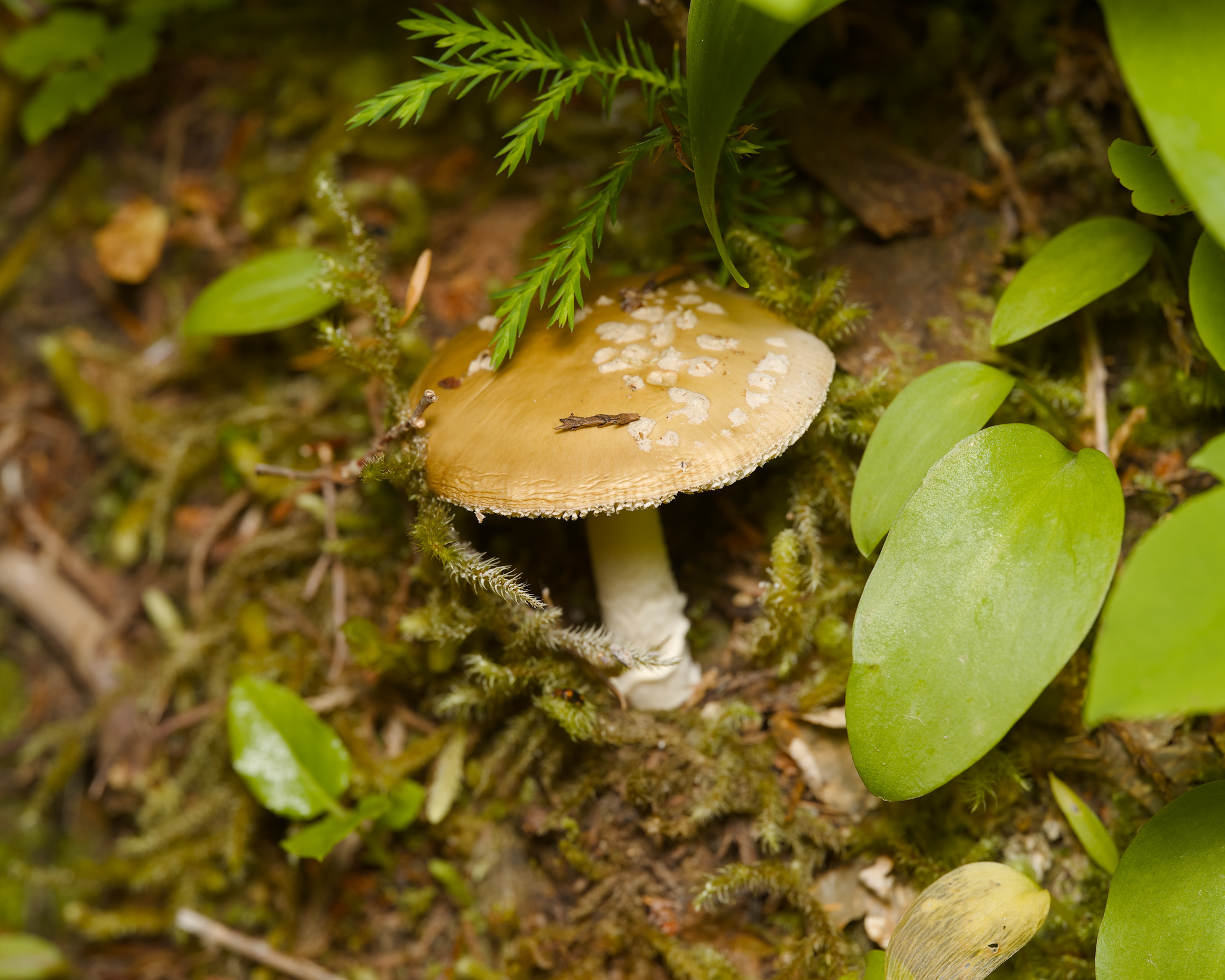
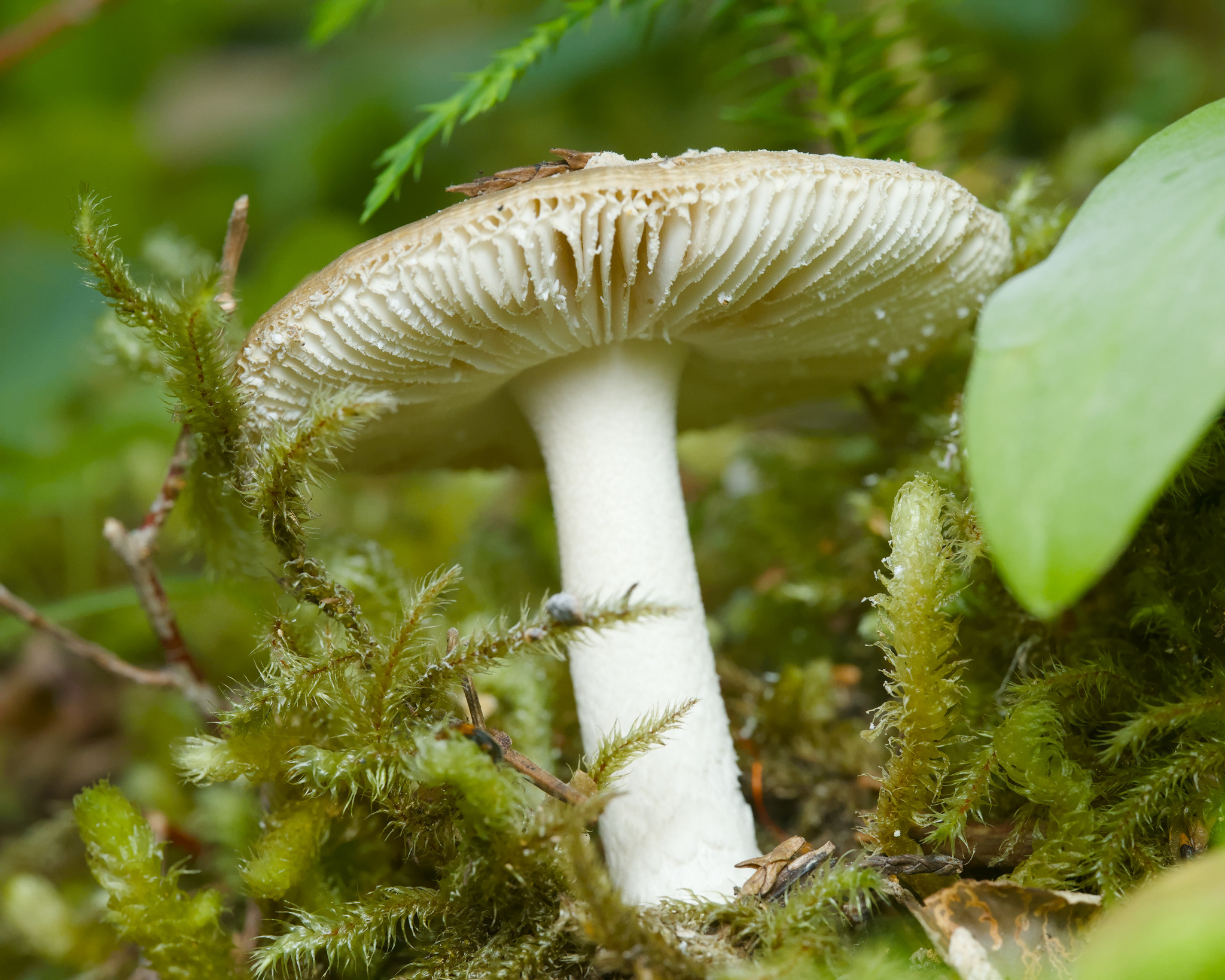
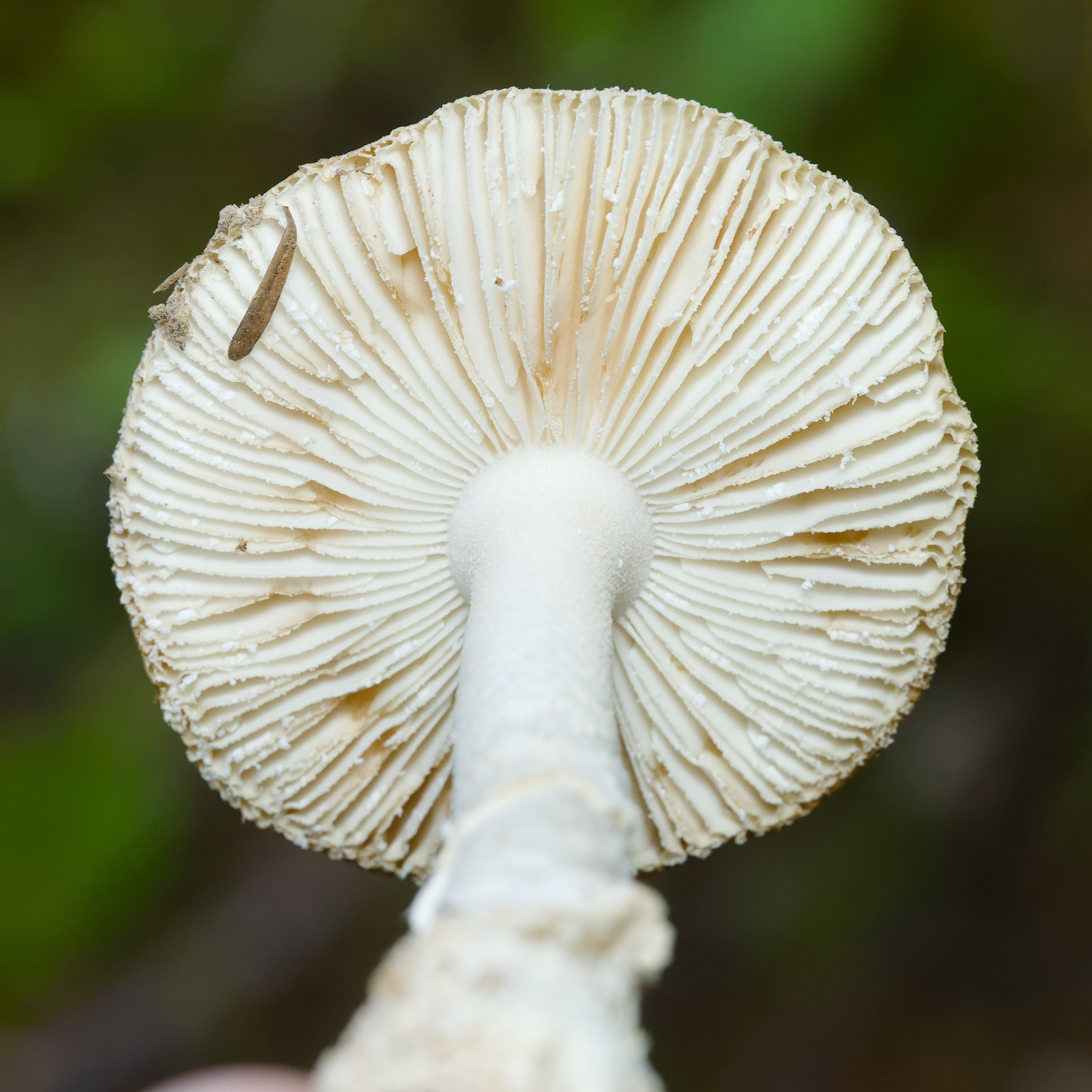
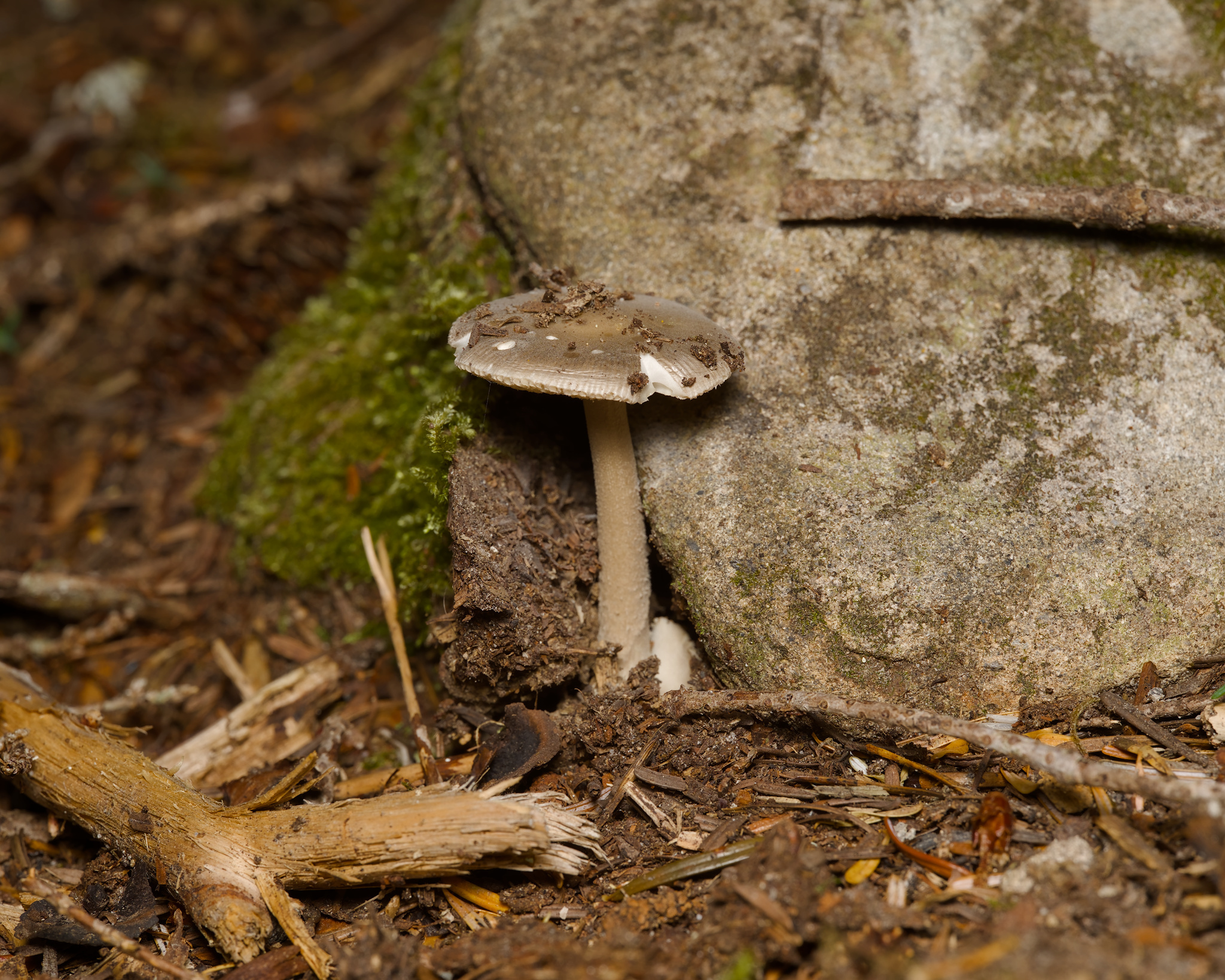
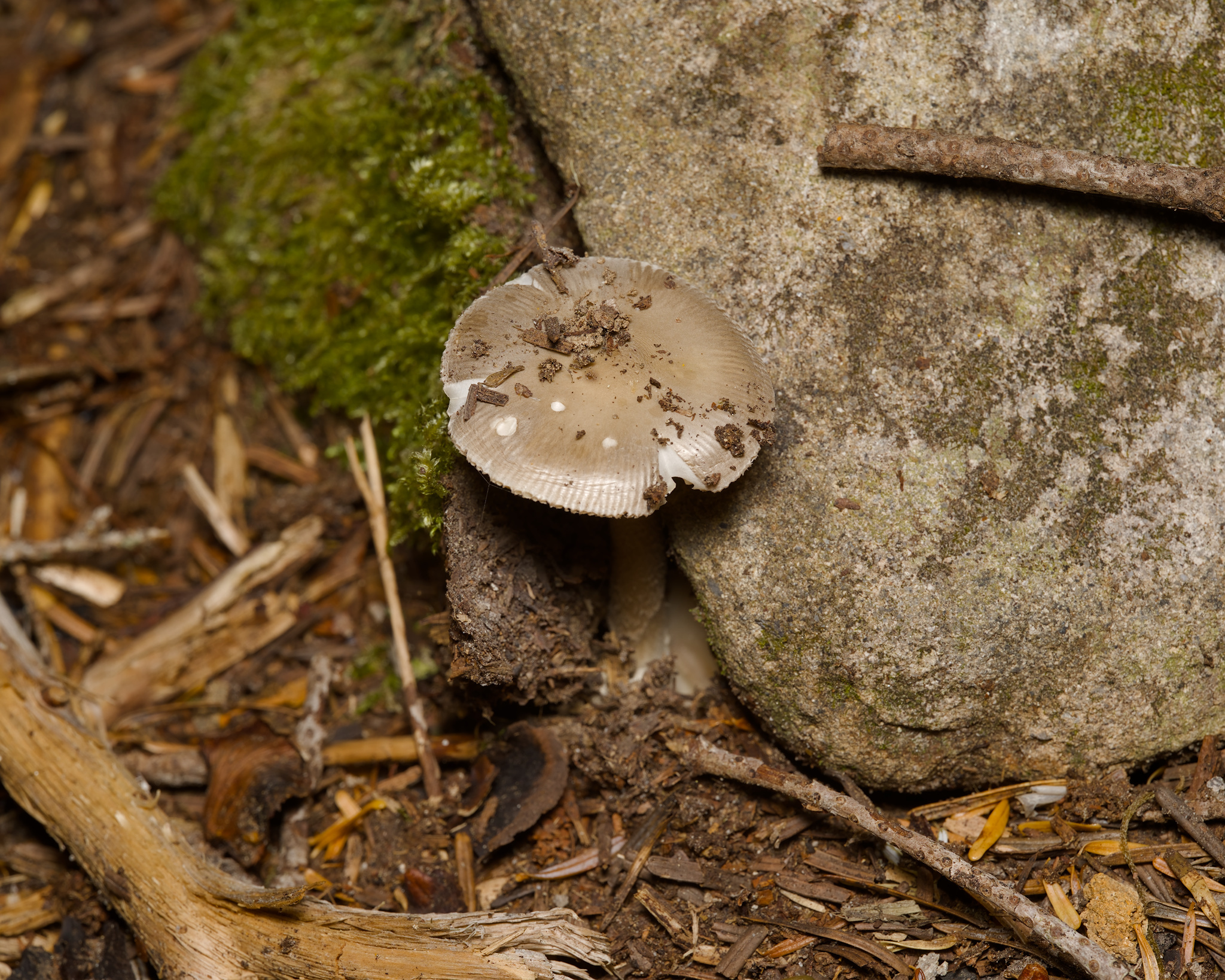
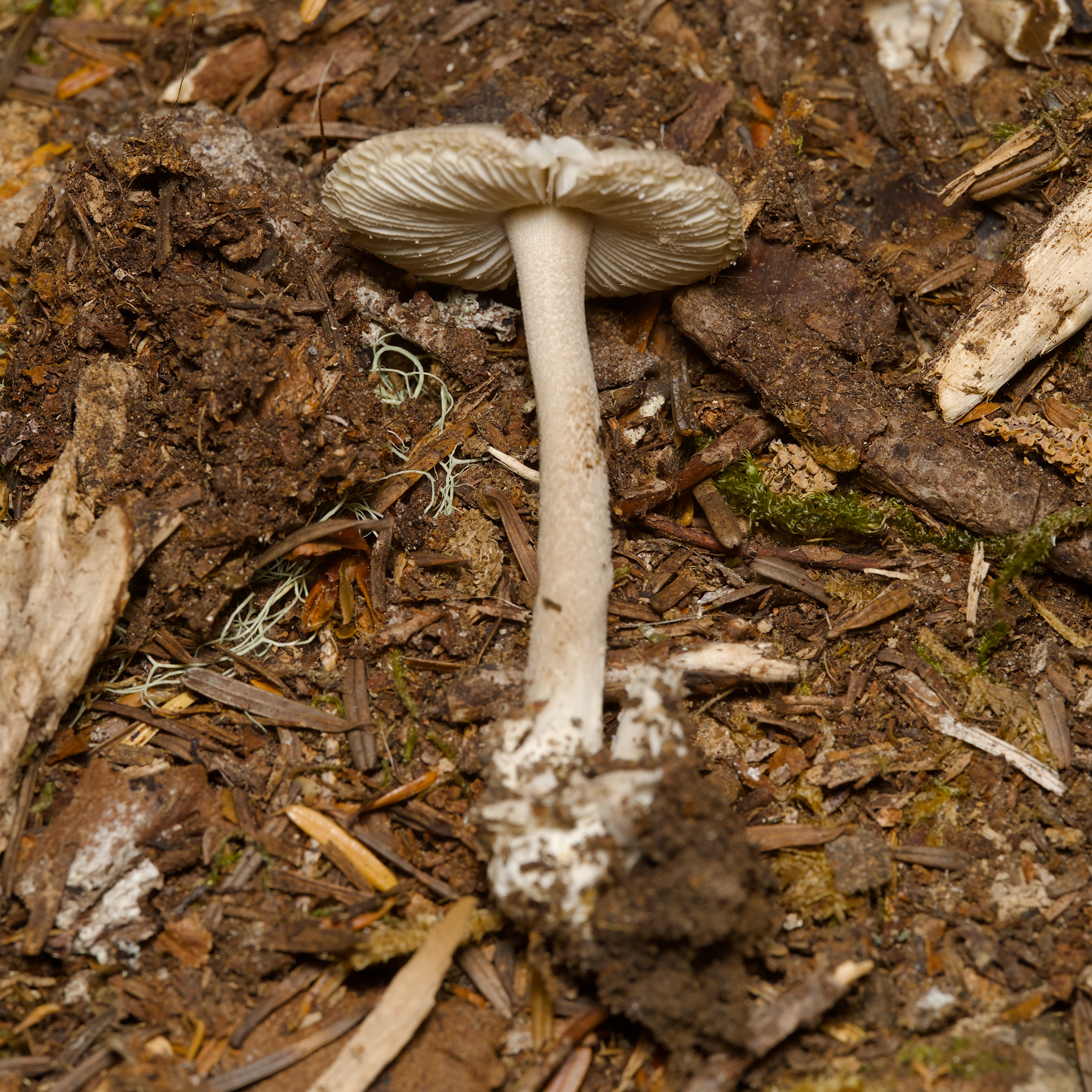
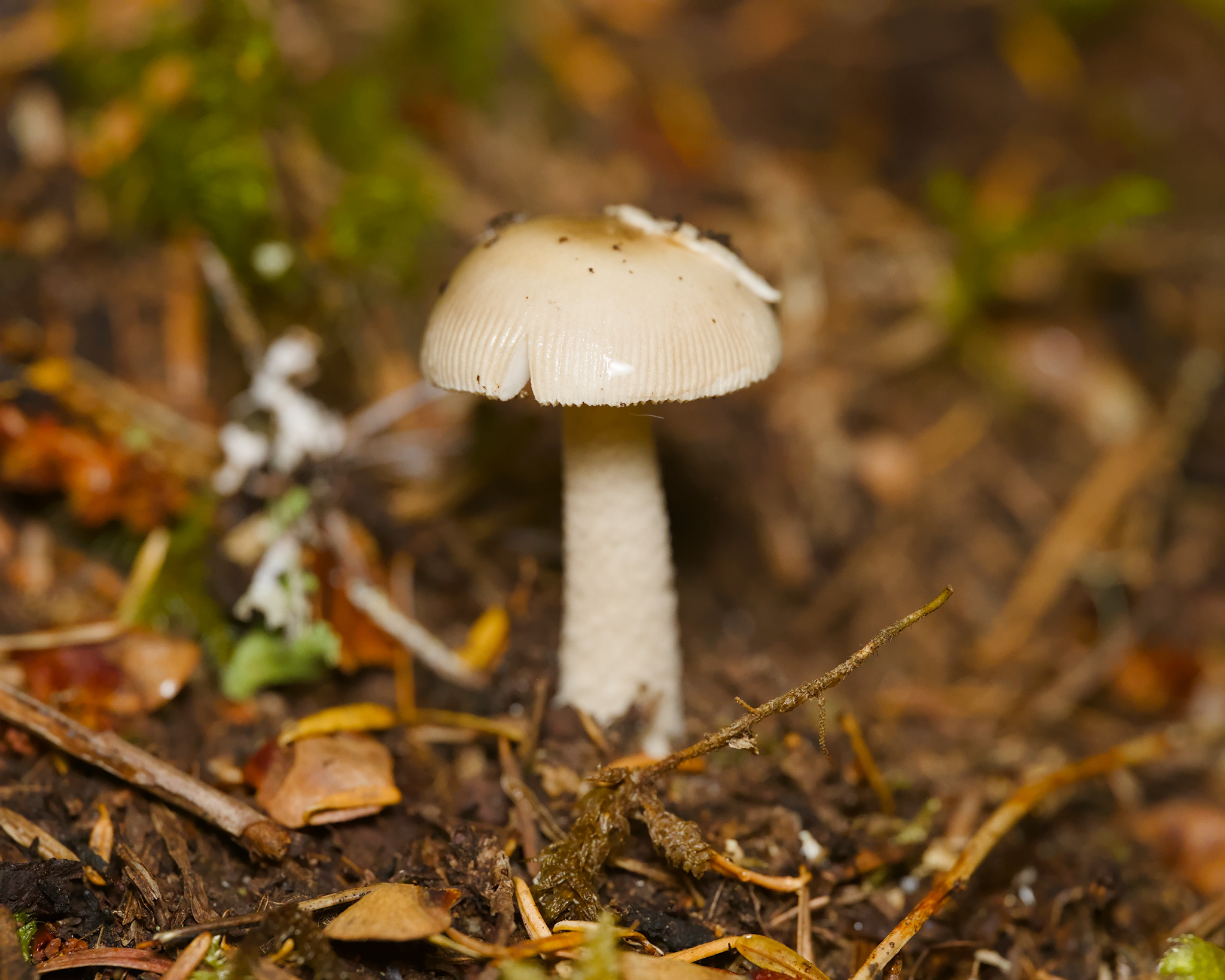
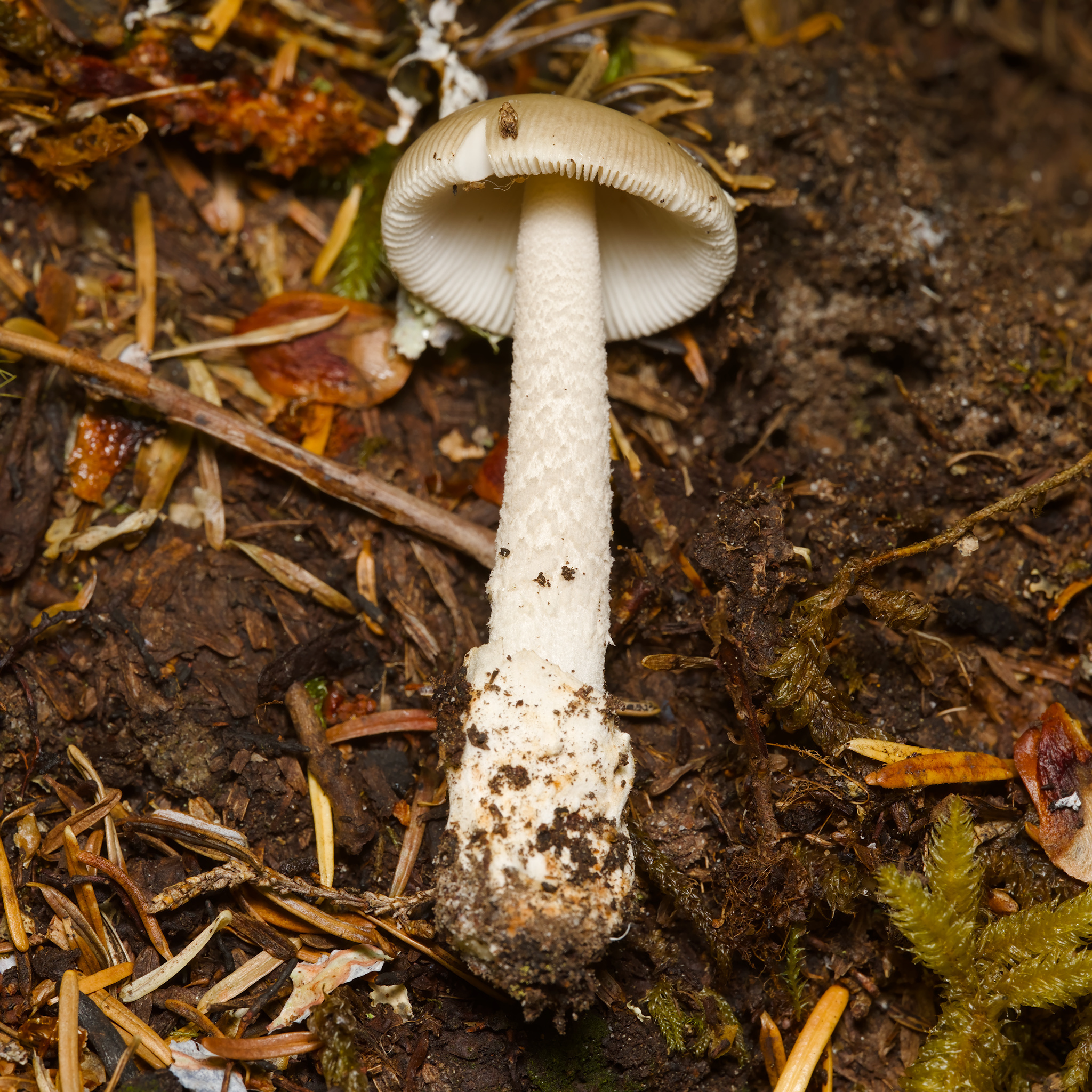
A nice little Amanita section Vaginatae for this observation. I might lean towards A. constricta here, as I typically associate A. pachycolea as being a bit larger, darker, a darker section on cap from the margin in, and a bit more of that colored velum. However as always, I'm not an amanitanerd.
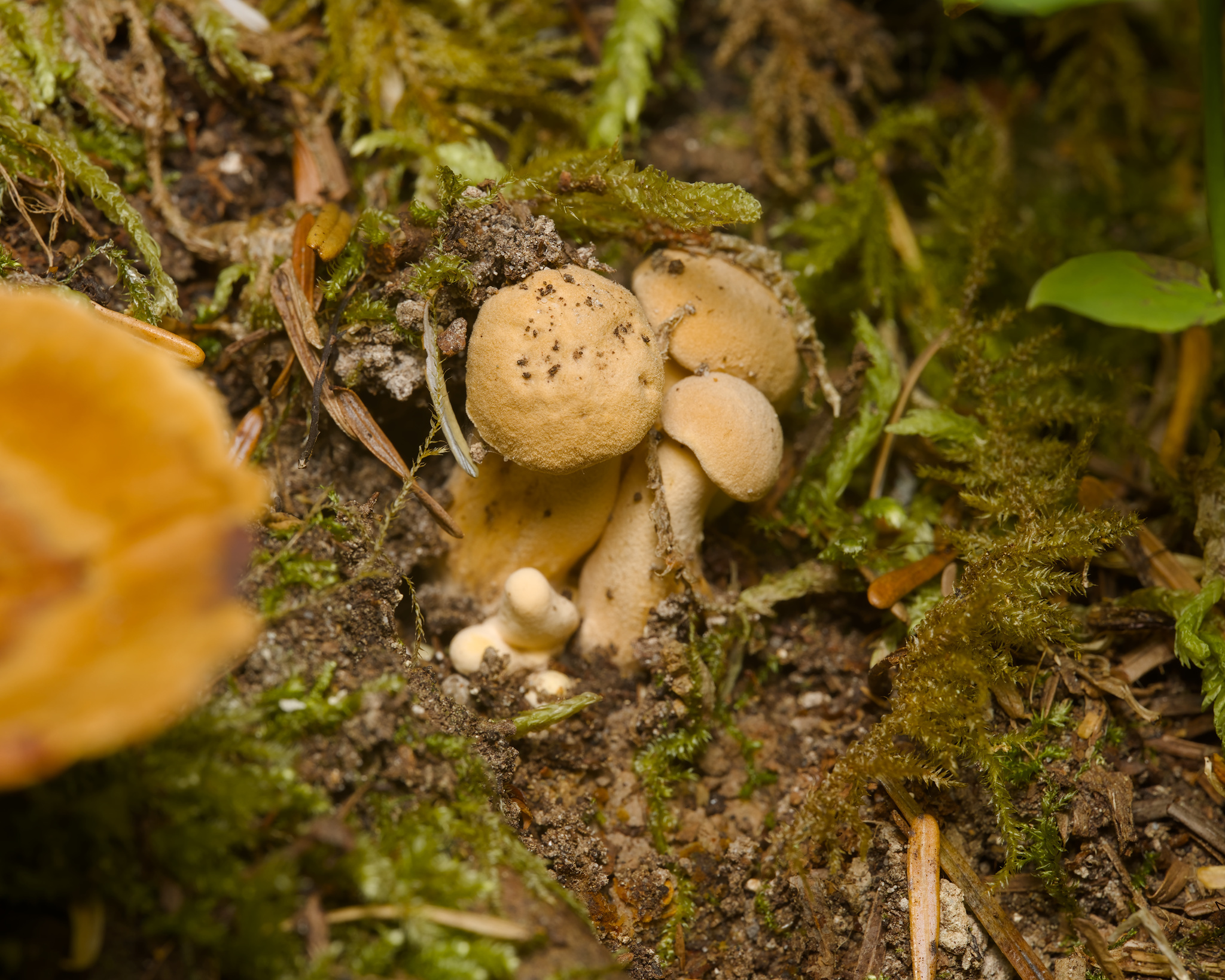
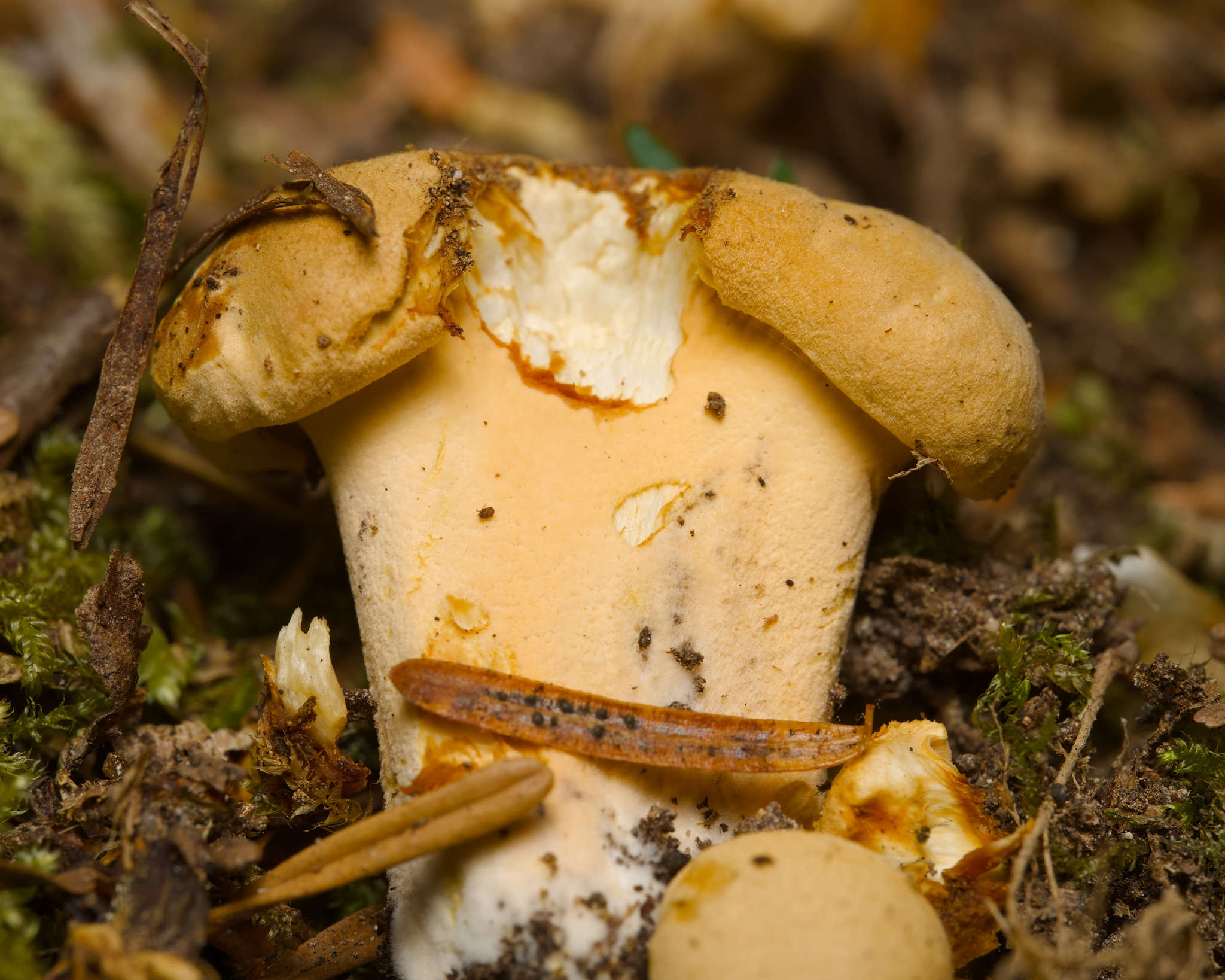
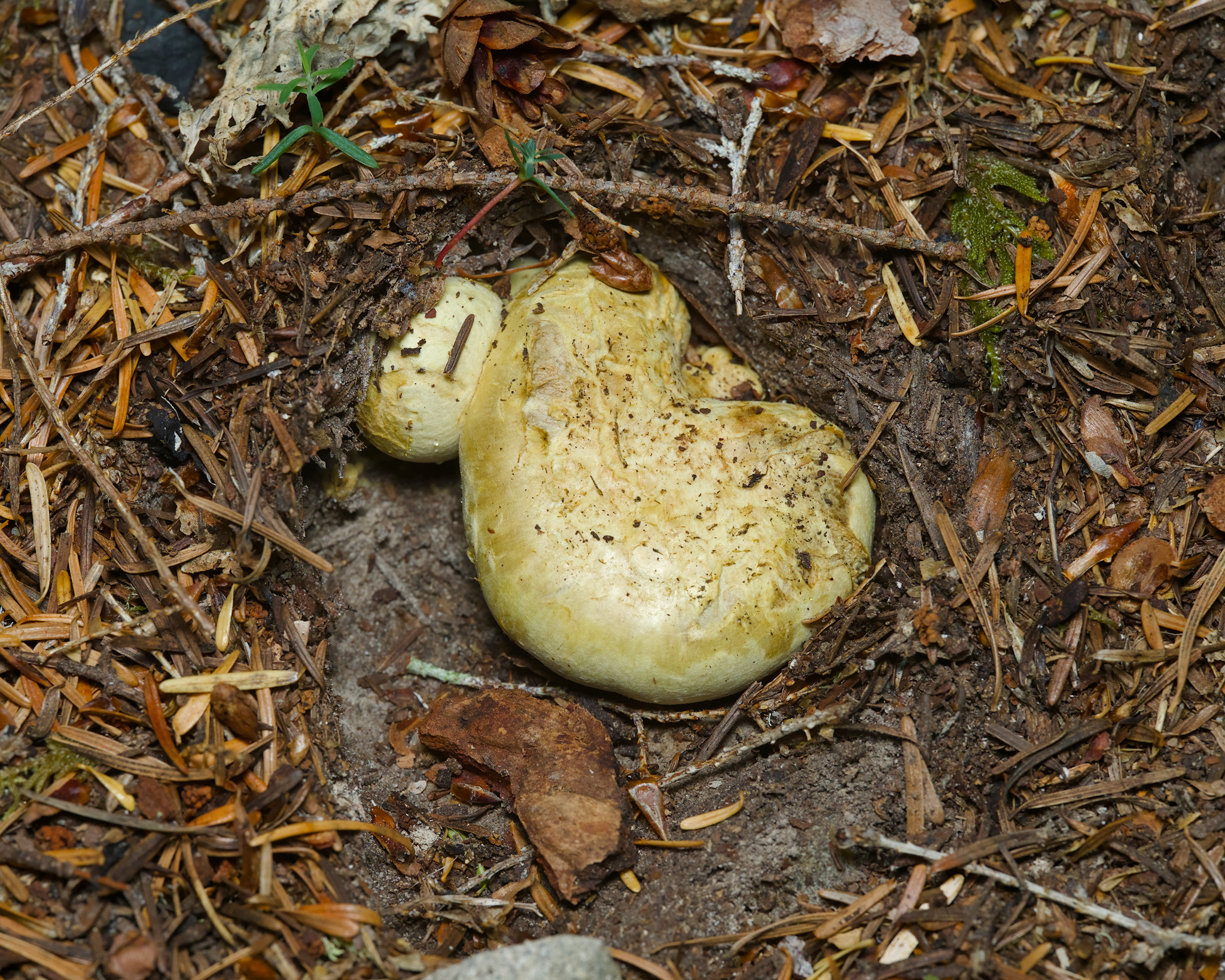
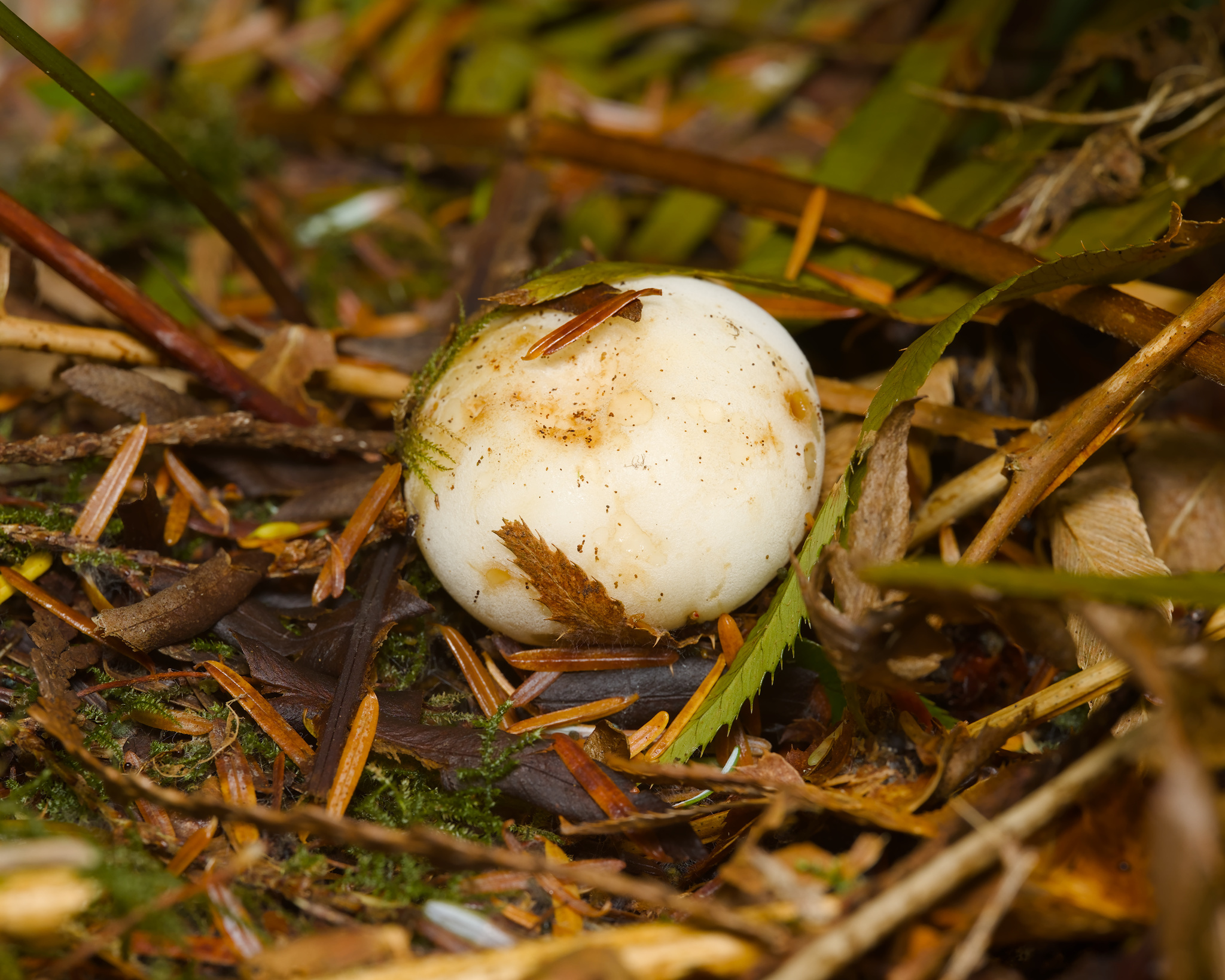
I am not very familiar with this genus of Suillus truffles, and it looks like we're missing a cross section here, but I'm assuming Brodie's proposed ID is correct. I will have to add hypogeous boletes to our target list, we definitely have a few common and uncommon trufflized targets over the next couple years.
I might think this is a gemmatoid Amanita, but it's a bit pale and there's no annulus, hardly any zone. Stipe is also a bit rough and it's a bit lanky overall. I might have to settle with section Amanita if I'm to stick with my initial suggestion. However, the indistinct volva and stipe ornamentation, along with some other detail, leave me considering section Vaginatae here also. I will pitch this to an Amanita friend and see what they say.
After asking, Amanita friends say this is section Vaginatae for the stipe and the sacccate volva, and I agree.
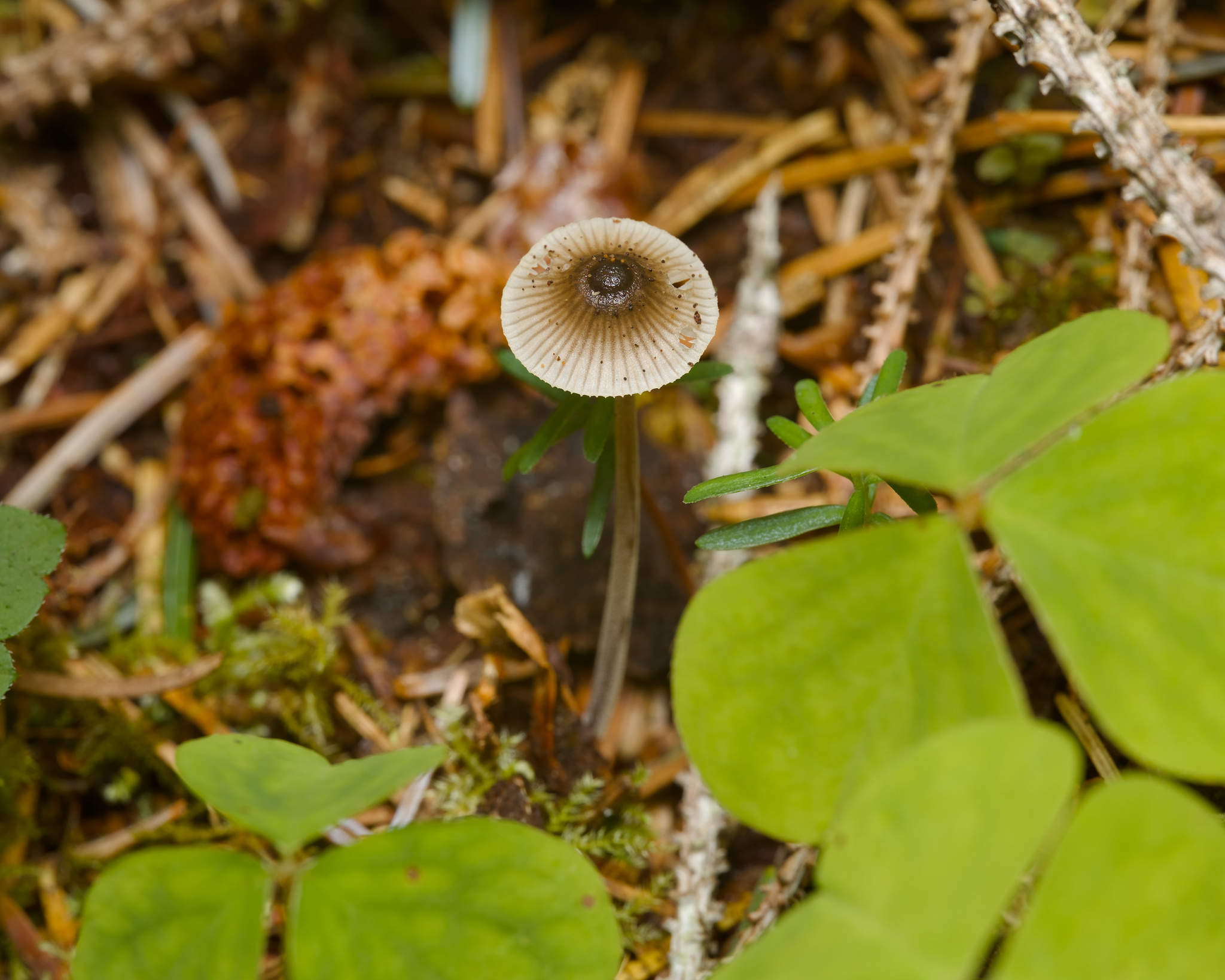
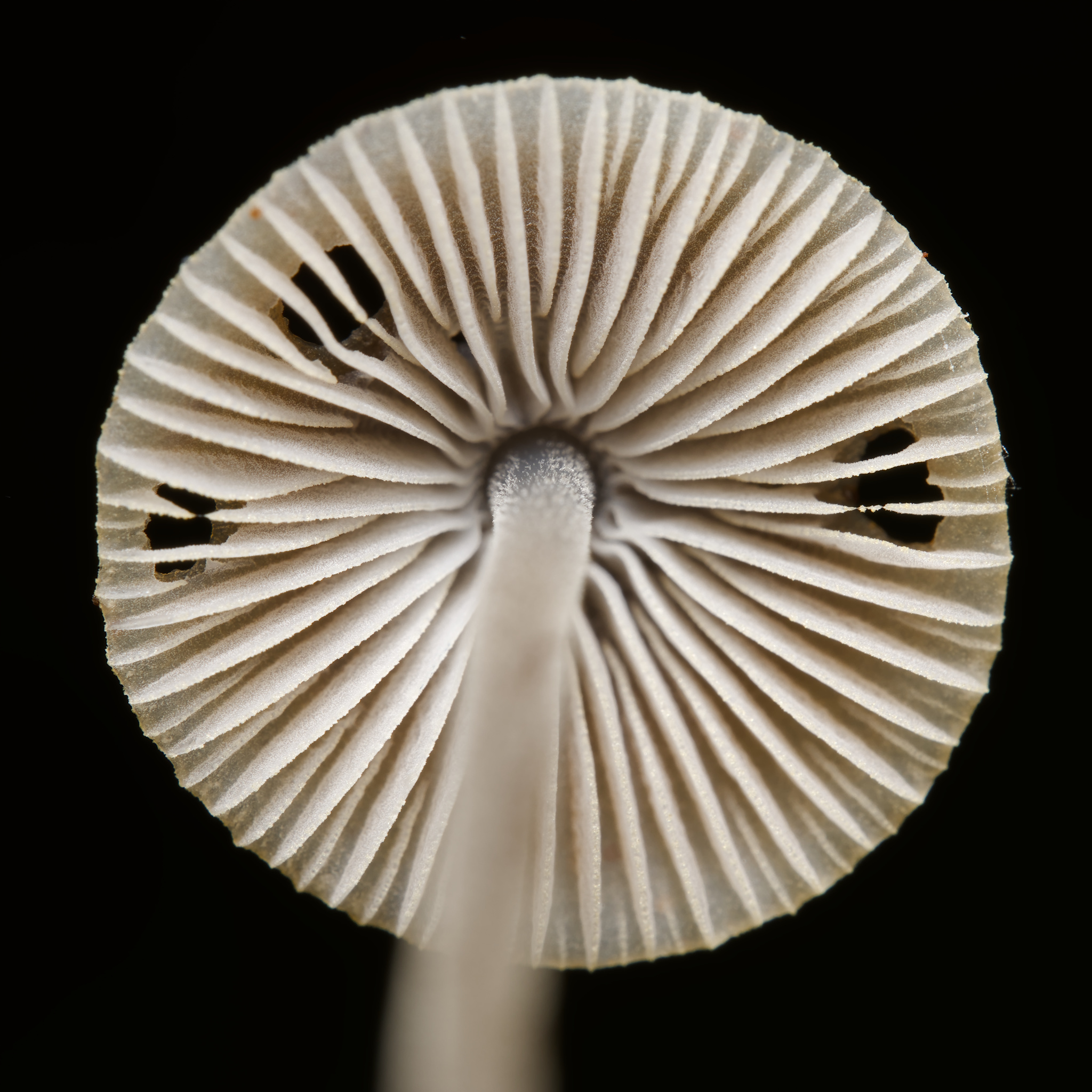
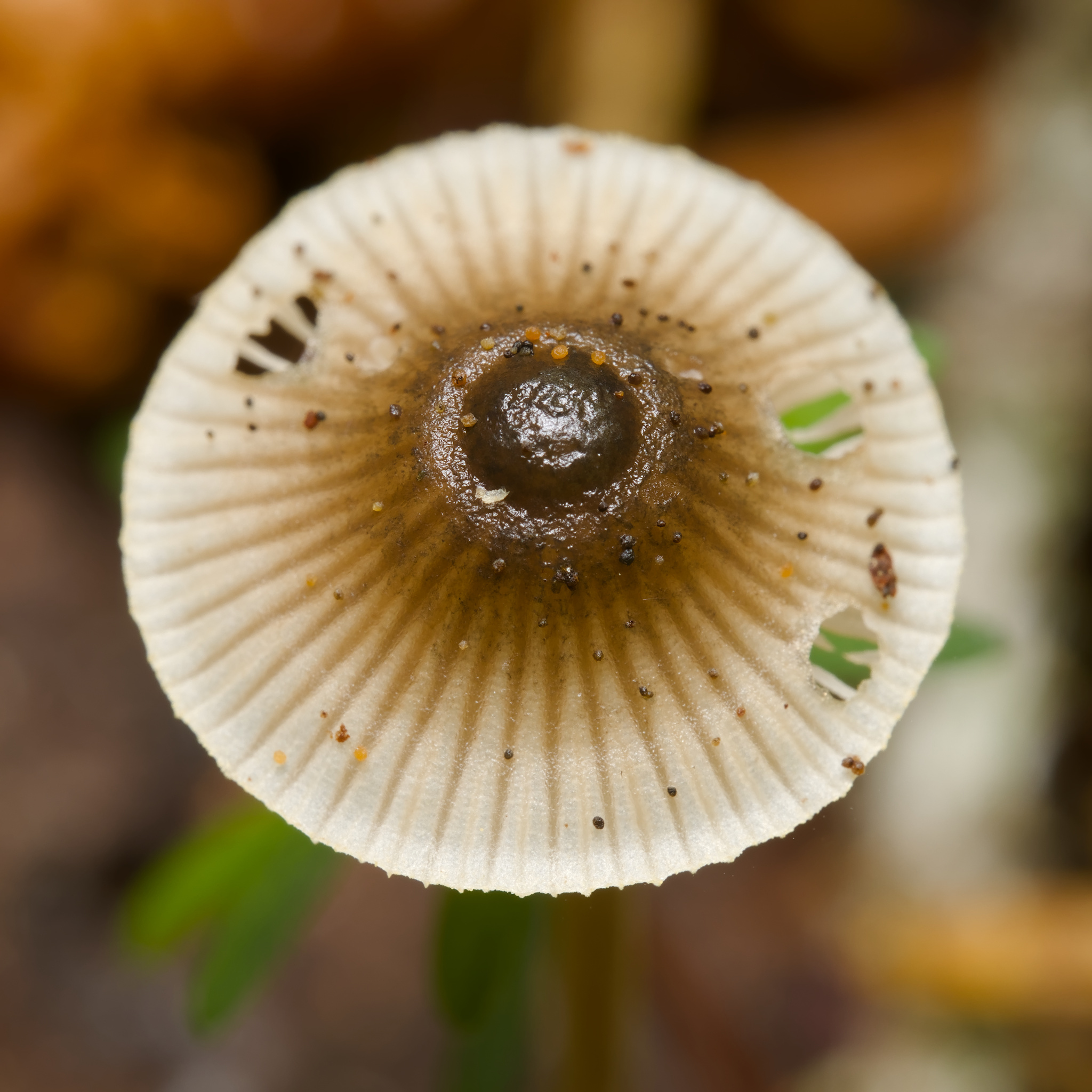
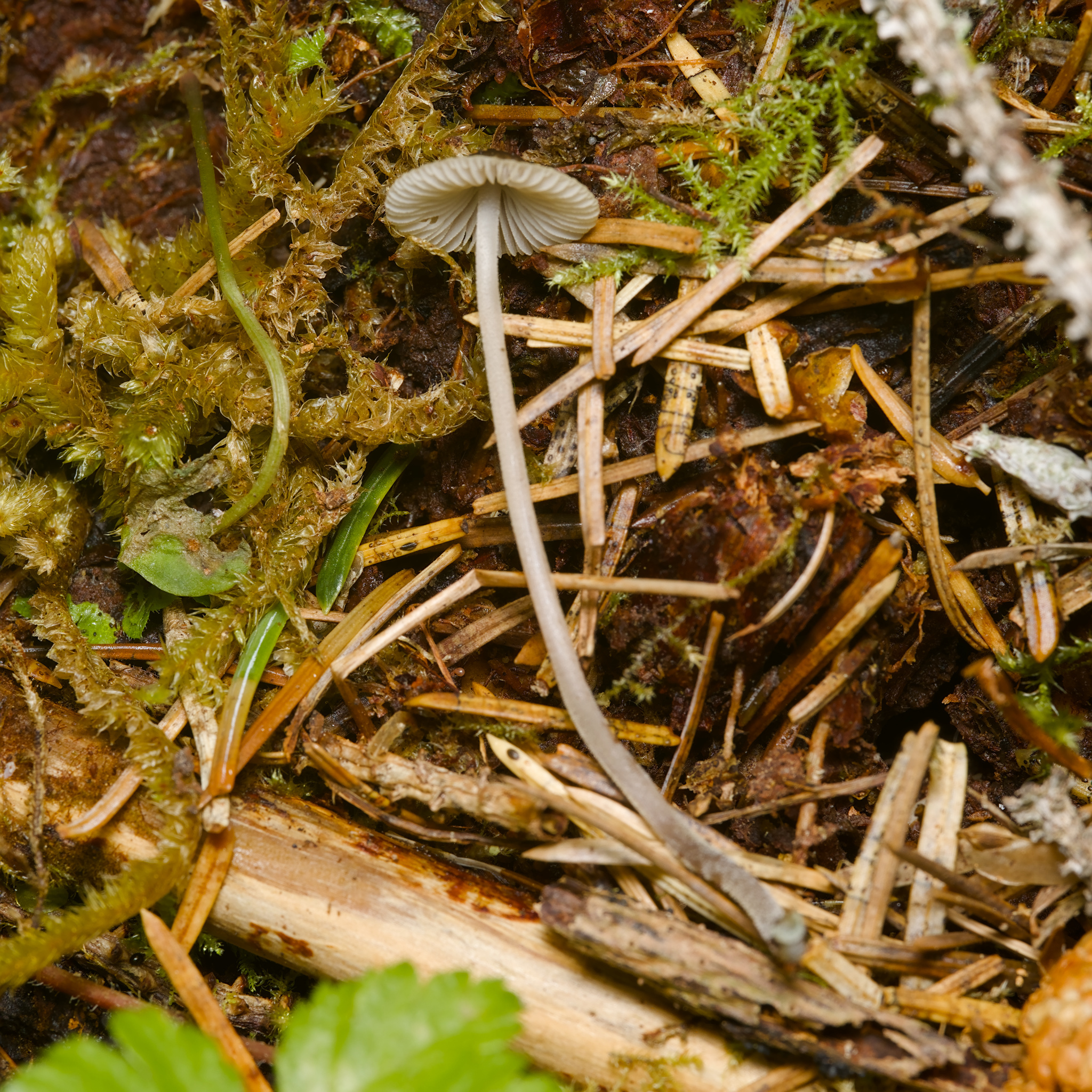
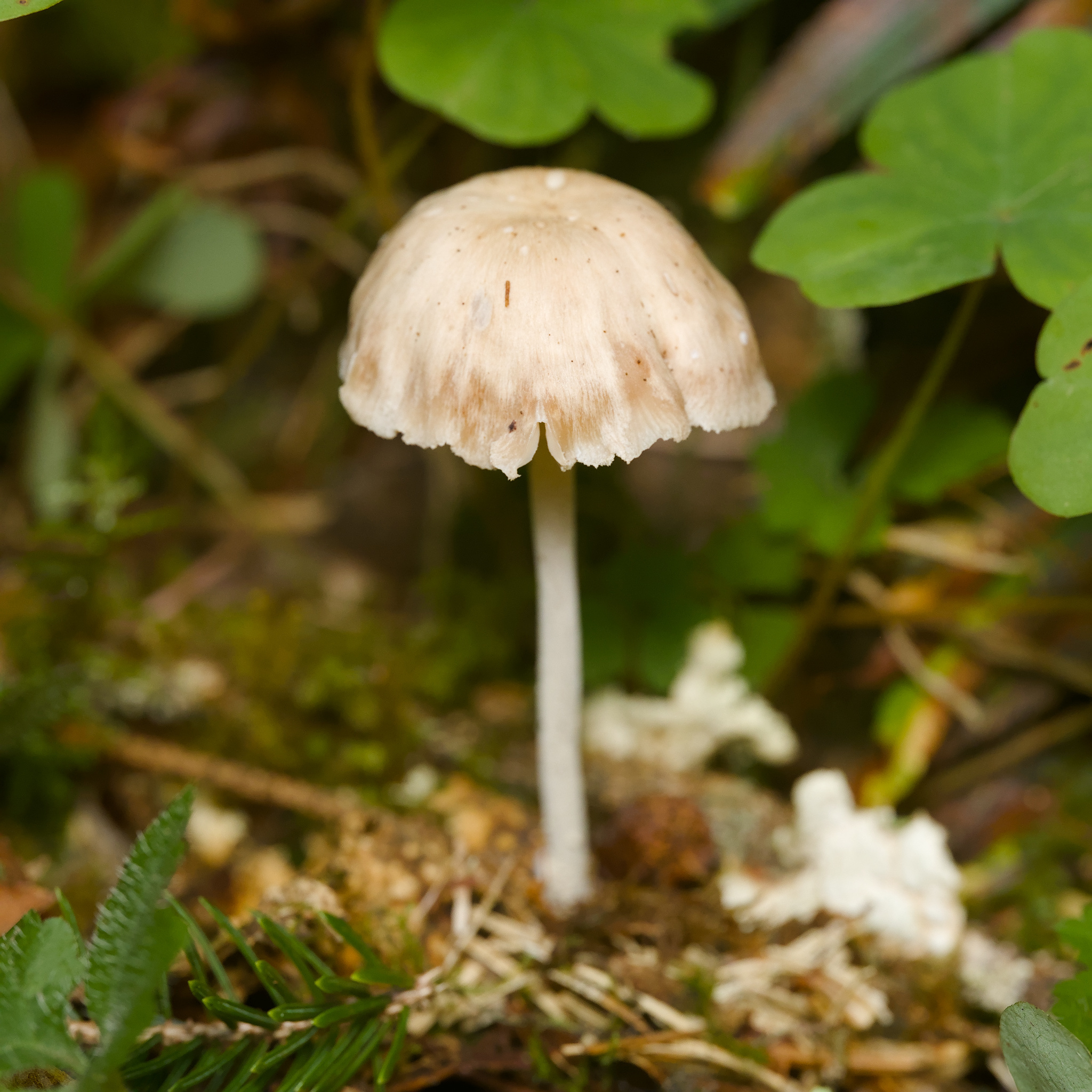
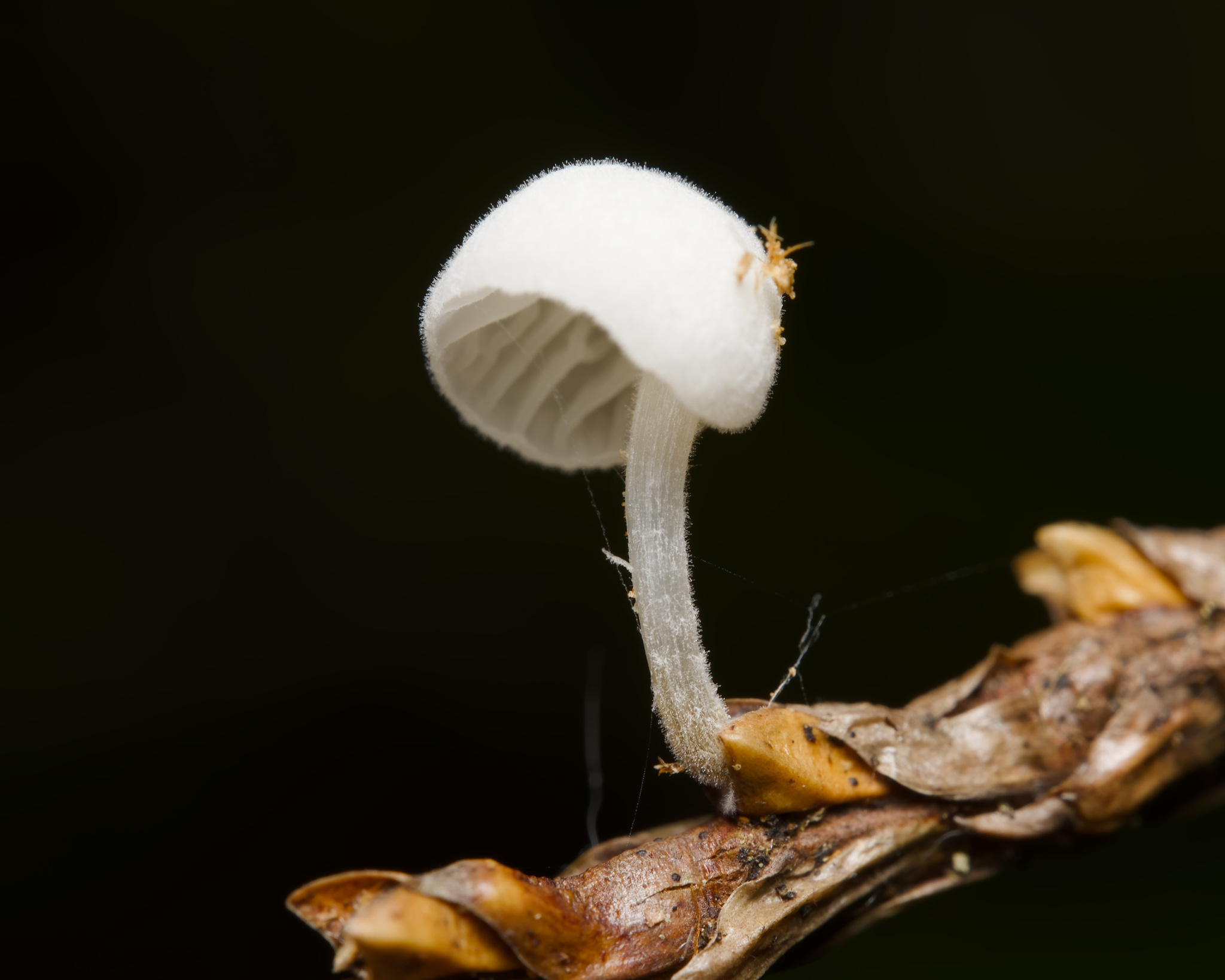
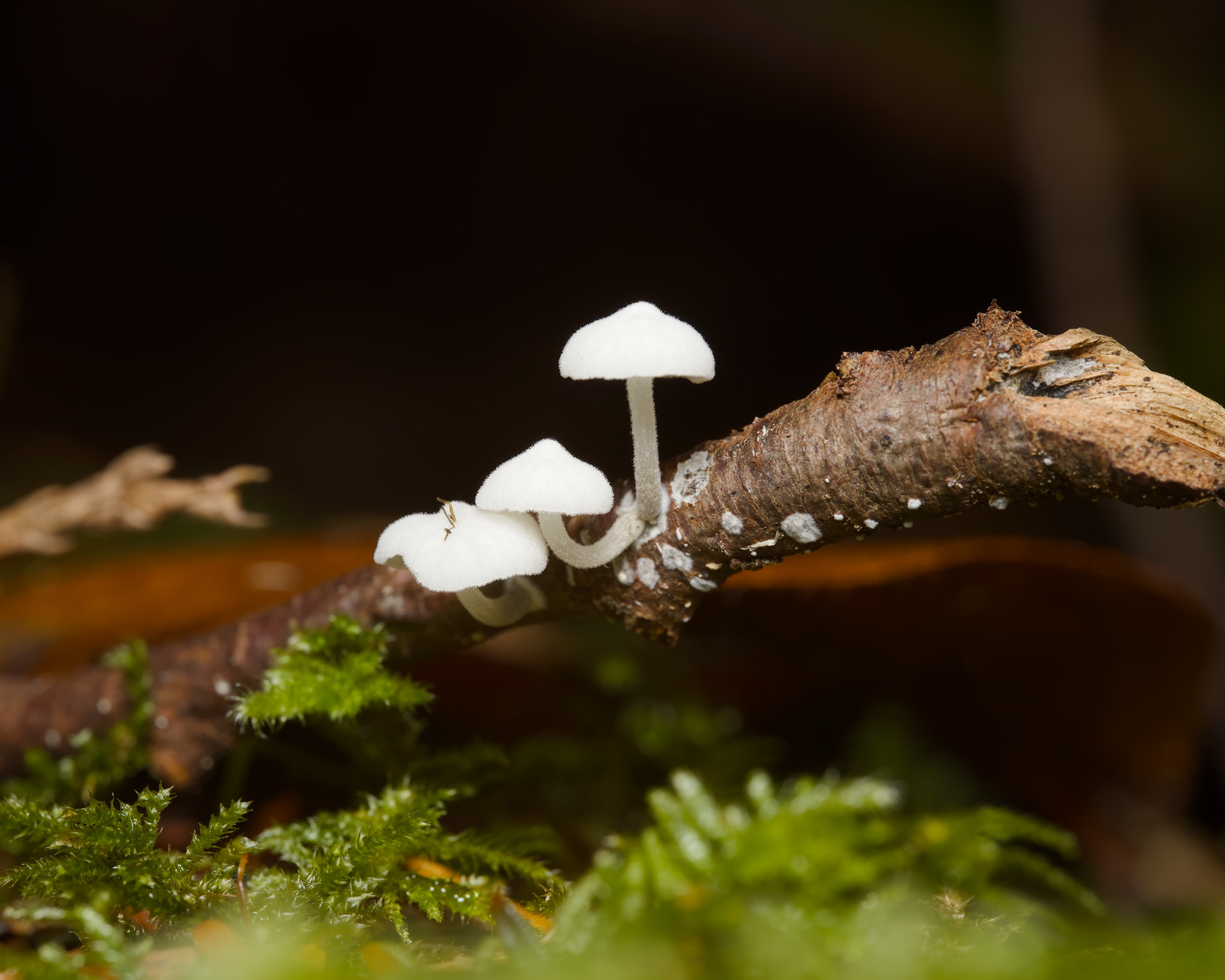
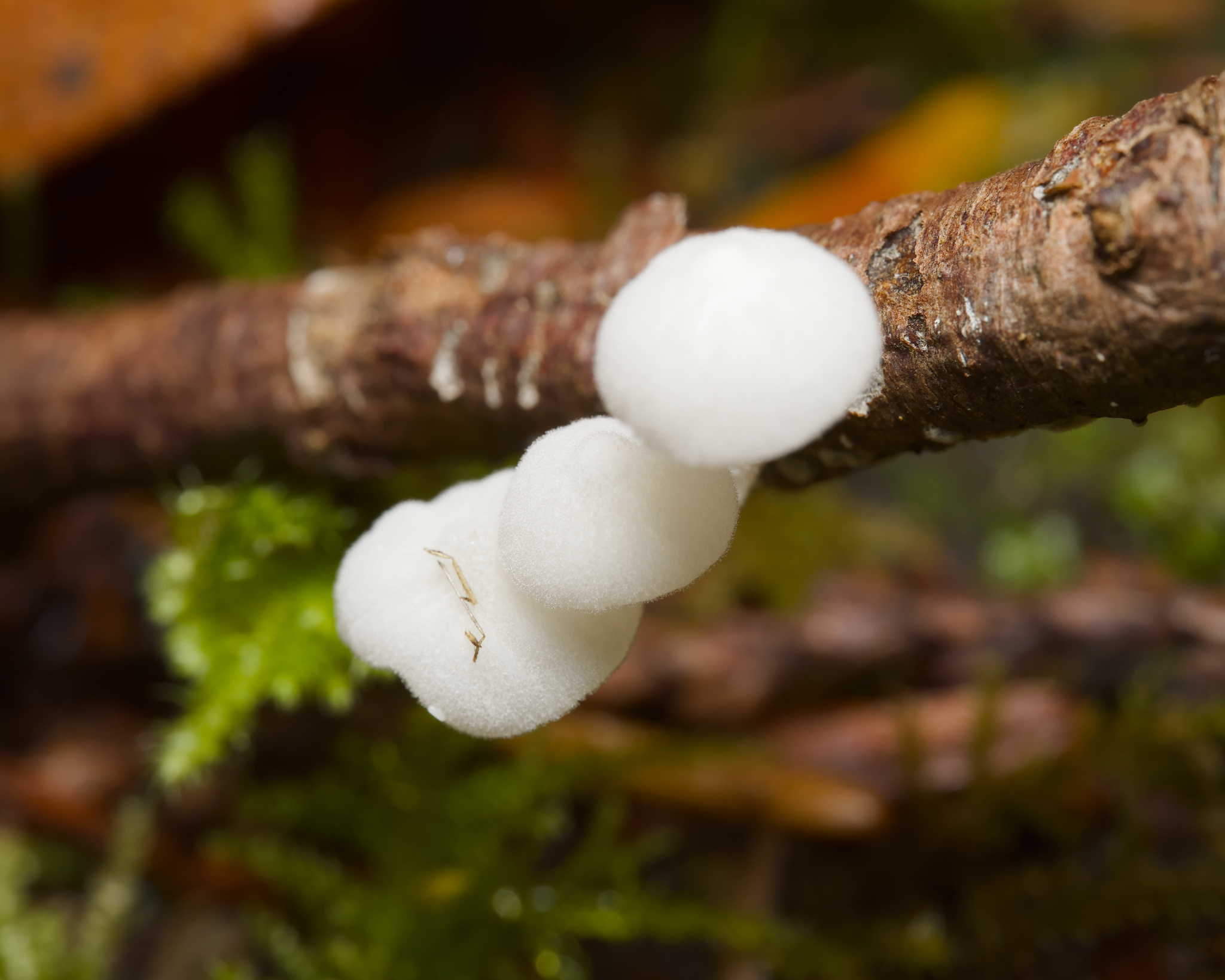
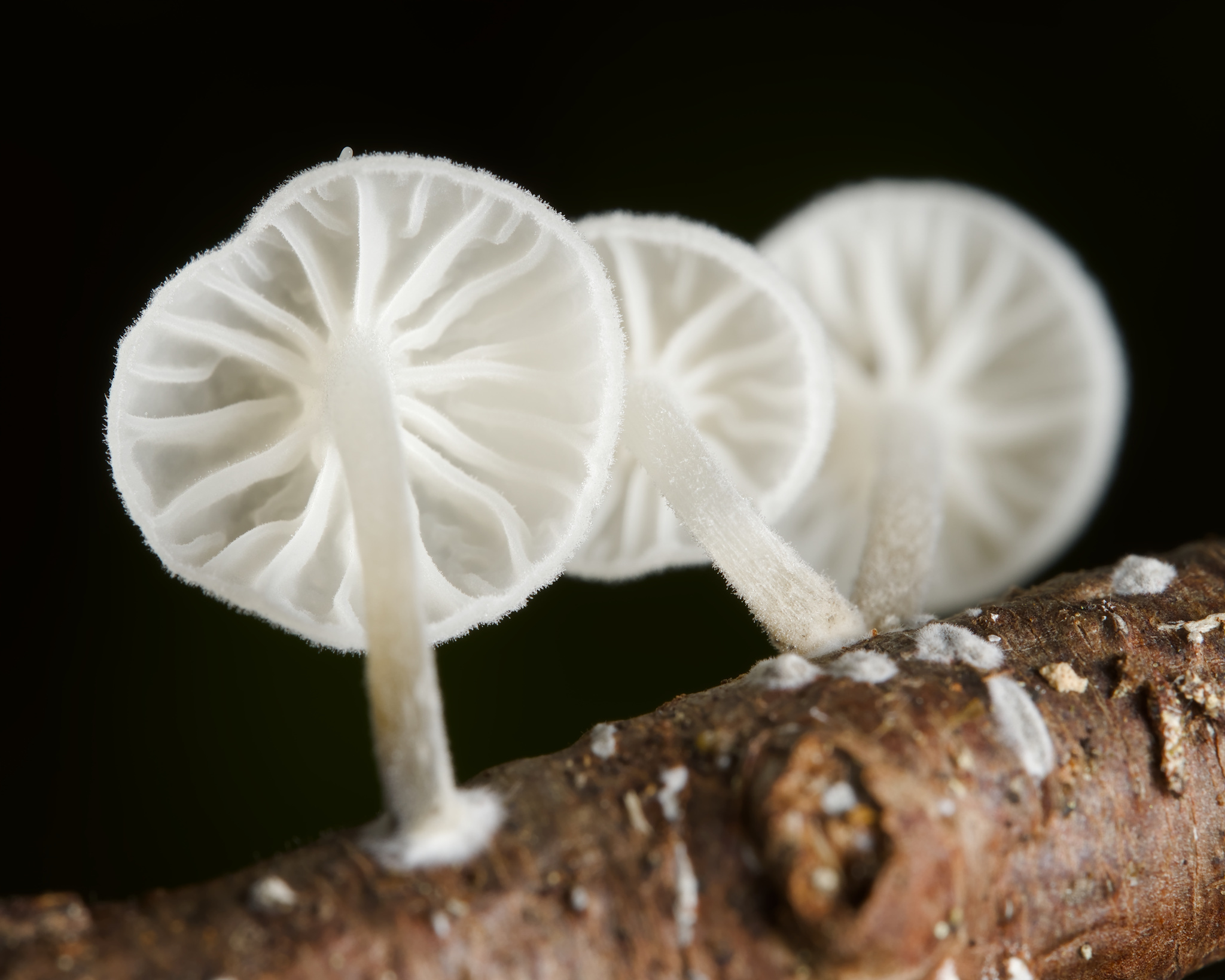
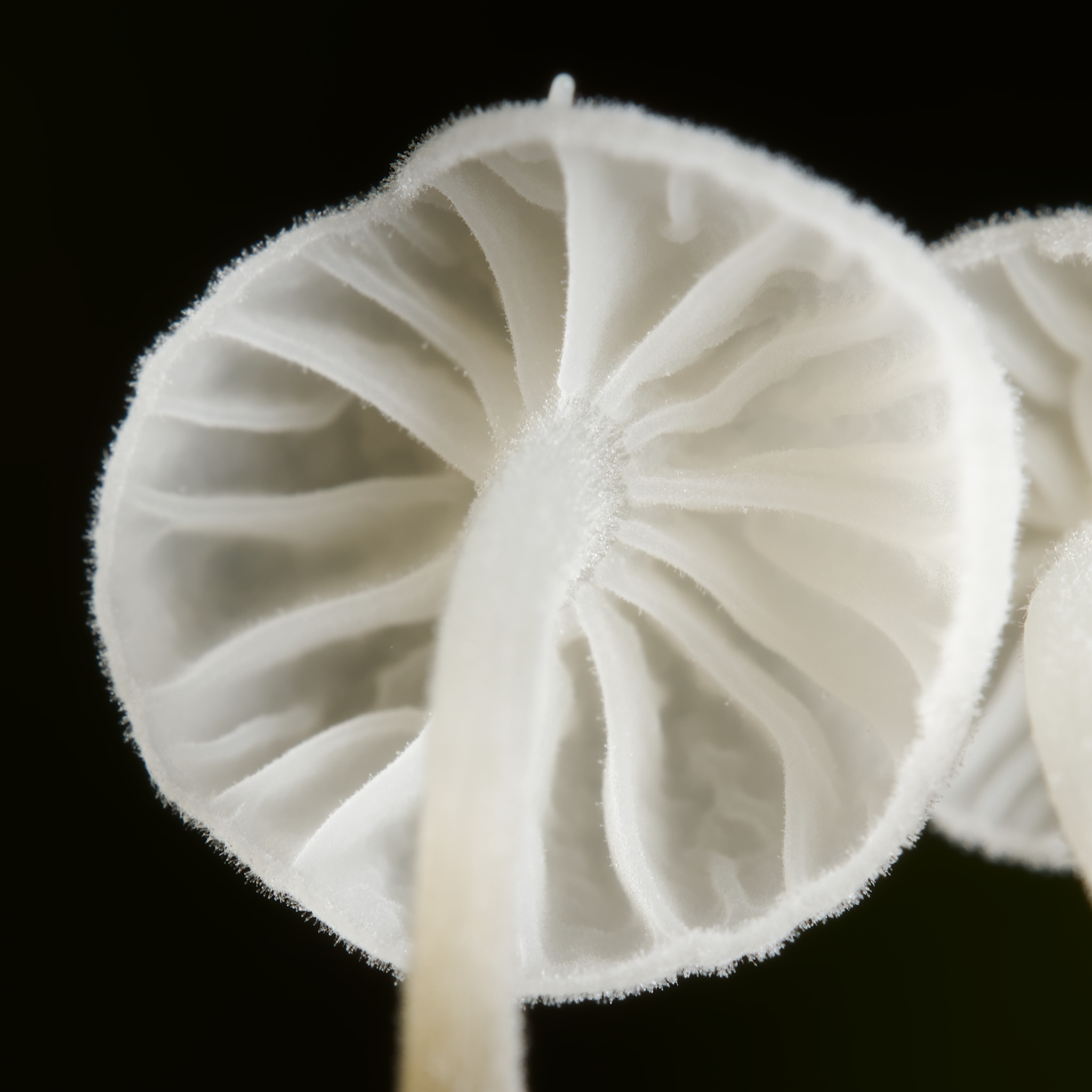
The cap of this Mycena is very interesting! When combined with the stipe and coloration and texture, I am unsure where to place this in the genus. Sequencing may reveal this is a different seasonal fruiting of something we've already collected.
Yet another grisette! I think it is likely that after this season, we will not make more collections of section Vaginatae. Unless we come across something particularly interesting, I would hope that the few collections from this season will at least represent both of our most common species, maybe a third.
A relatively common species here, this would simply to be included in survey and also rule out the other similar Collybiopsis we have here. With age I think this is simply a good survey candidate, we will collect more in the genus.
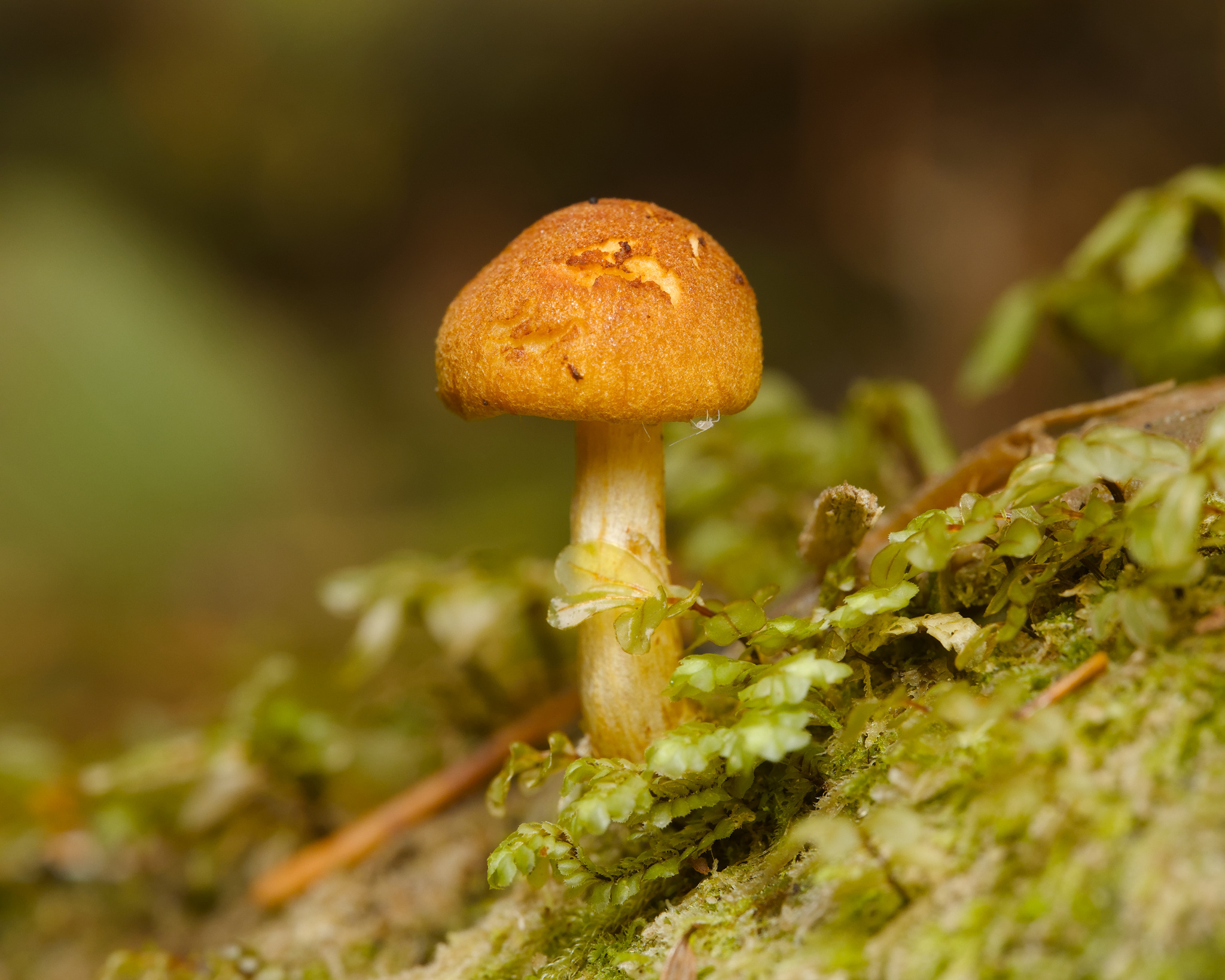
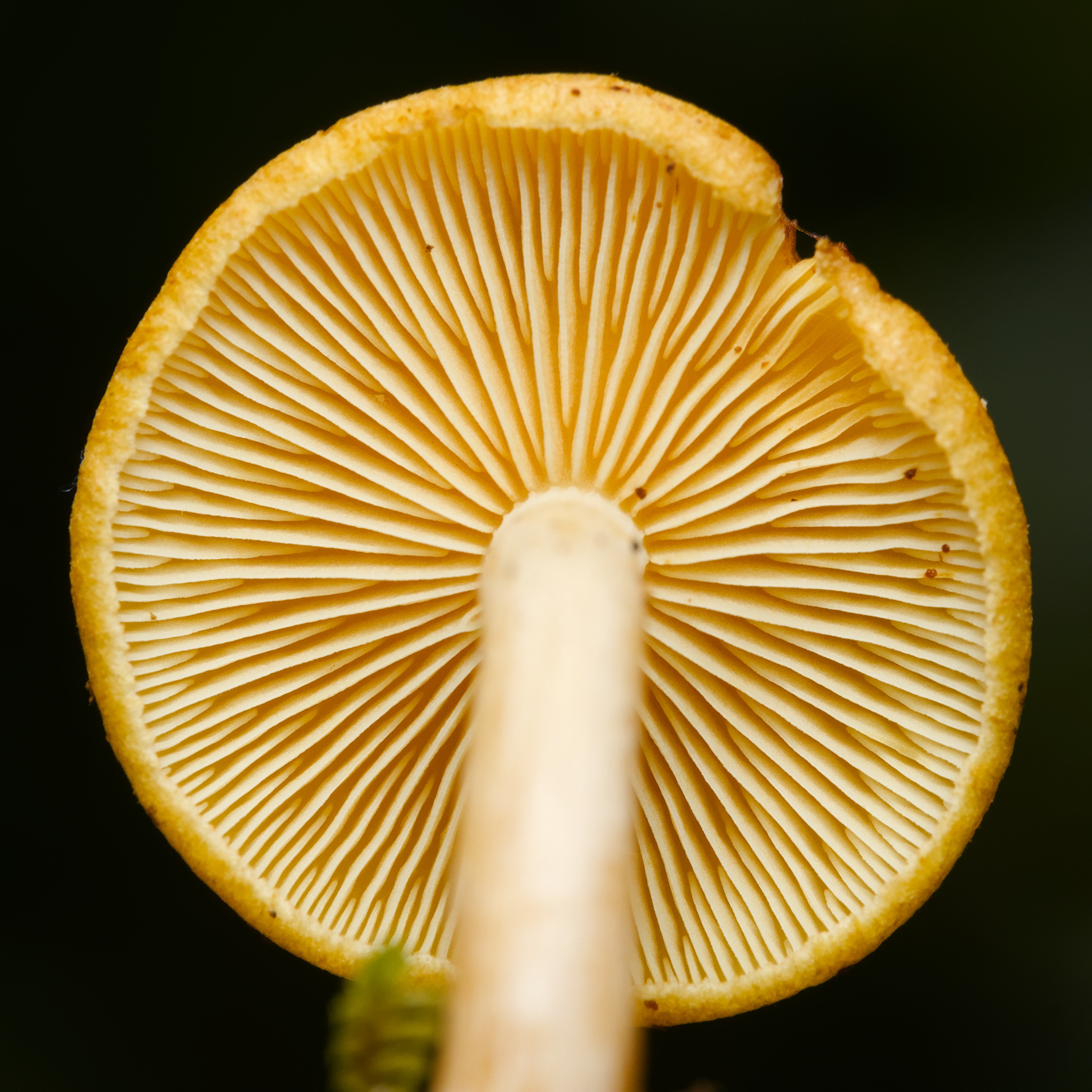
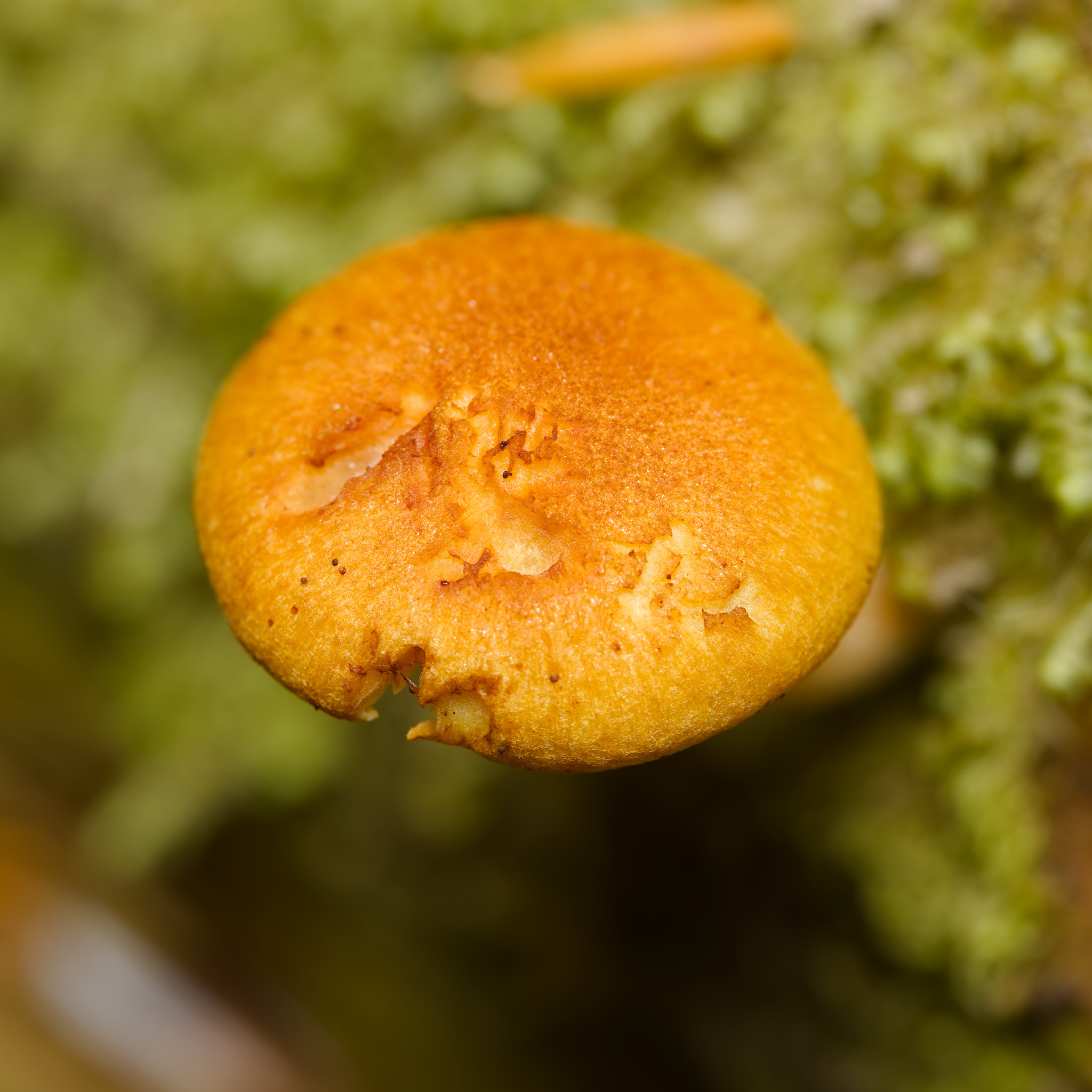
I'm going Gymnopilus here with all the textures and colors considered, along with other morphology. Not sure which though. Perhaps an early fruit from G. sapineus group? I see those gregariously in the fall, usually large clusters where suitable.
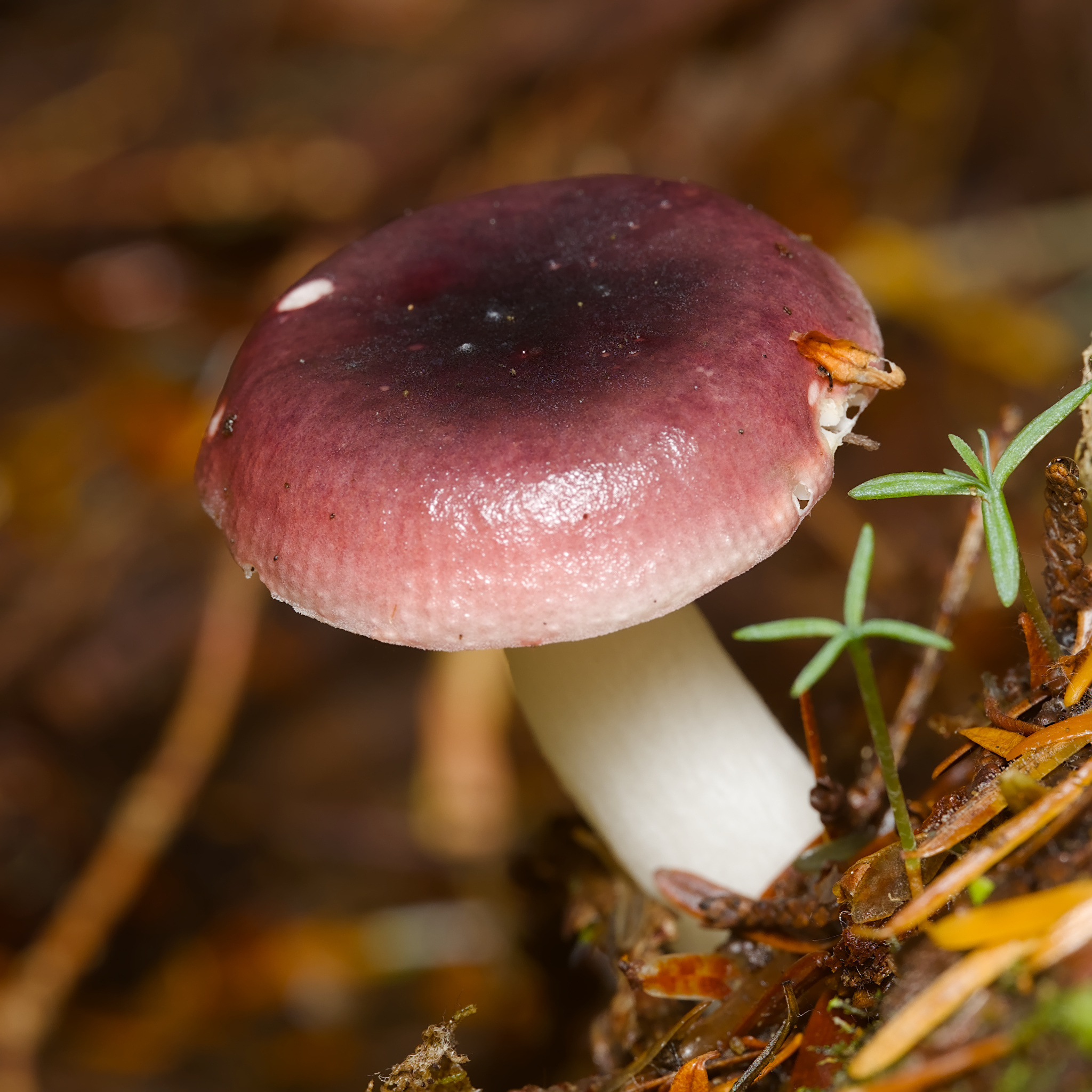
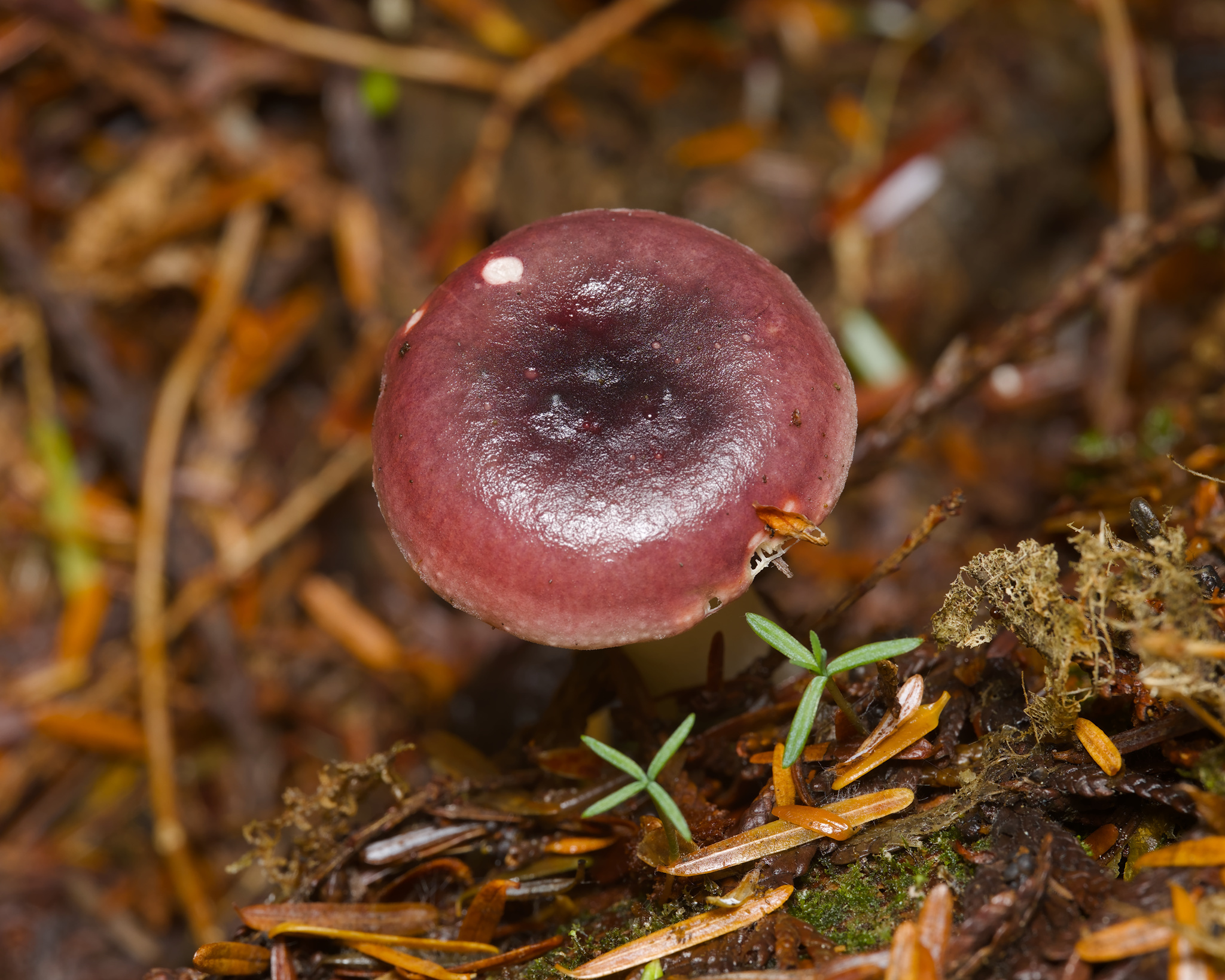
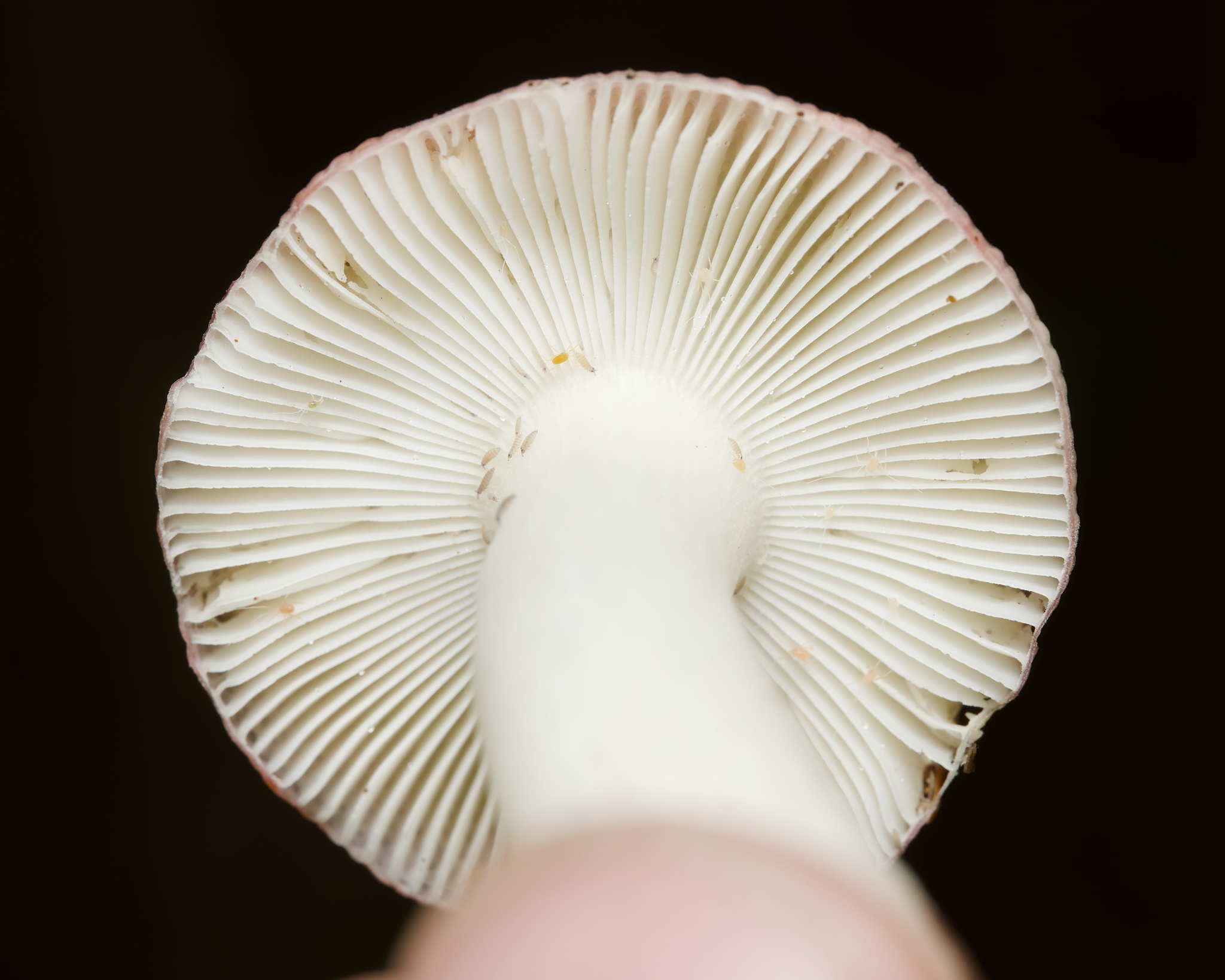
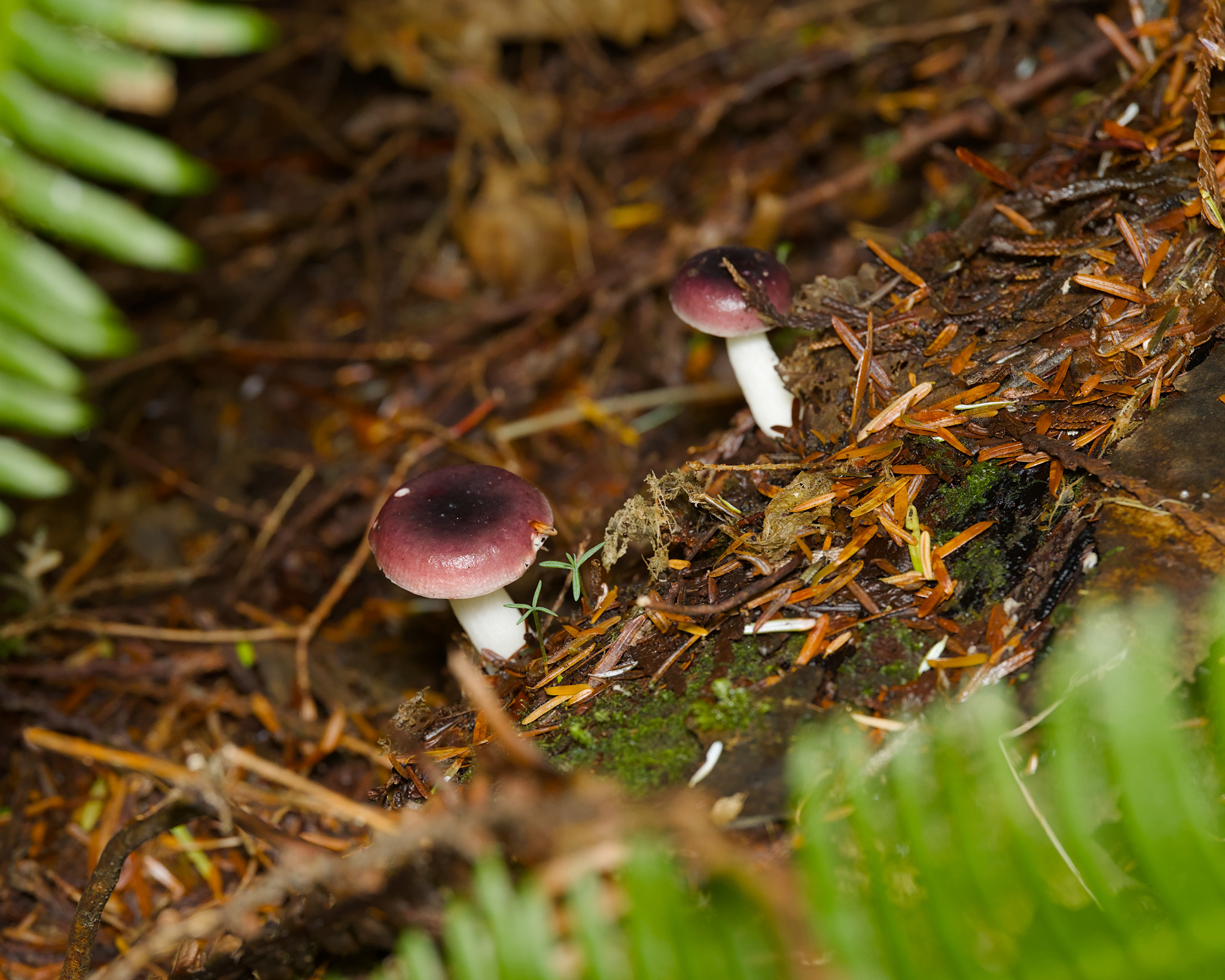
A gorgeous "shrimpy" colored Russula, but lacking a blushing stipe here. One of a few collections at the tail end of this month that we found together. I do not remember if this was acrid, but hopefully our improved observation notes will save us there. If not we will have to do better next time. Russula are usually fun to sequence and we will have multiple collections in the genus this fall that we will use to begin to narrow our search there a bit, of course collecting more general survey targets along the way.
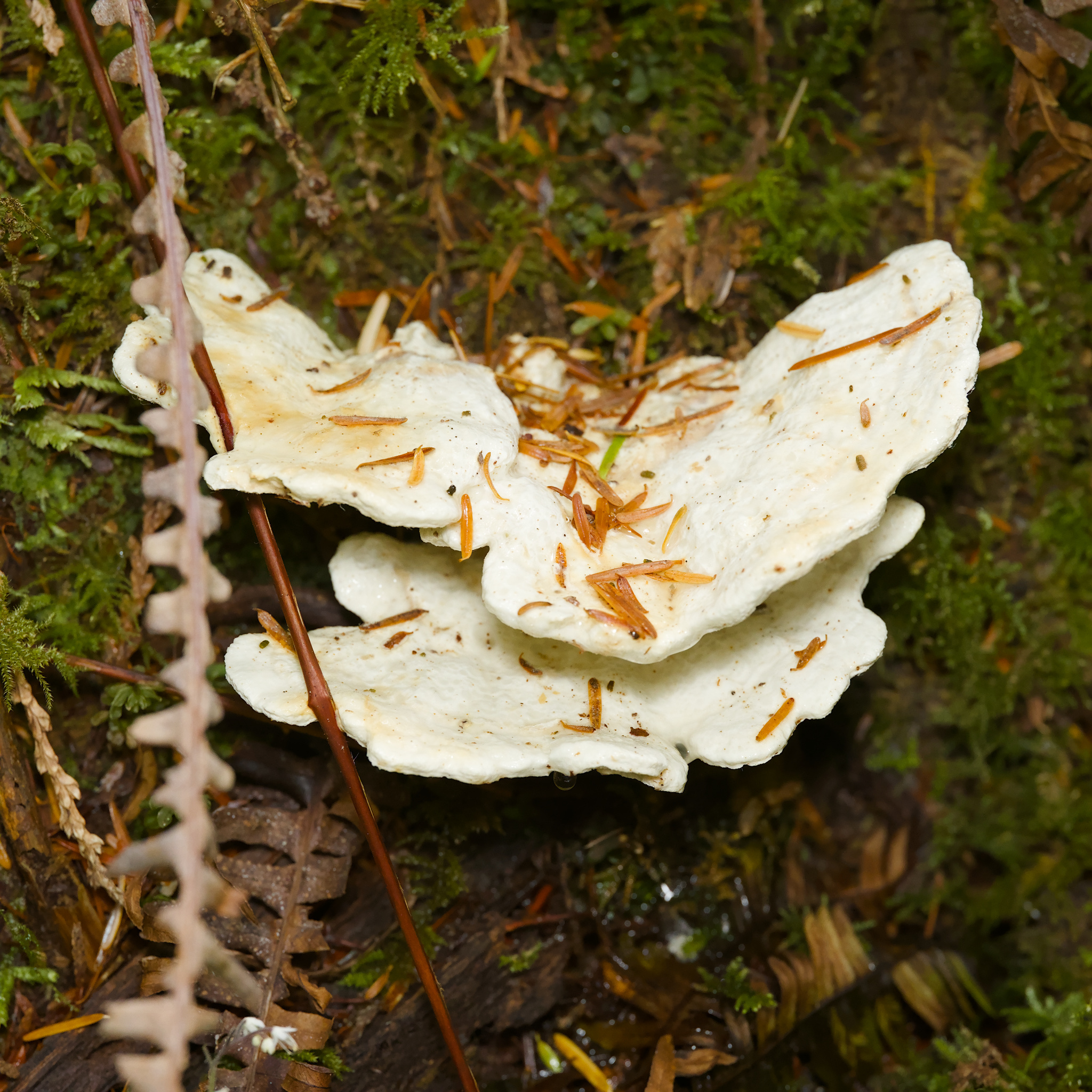
Quite a gross, softer polypore, if I do say so myself. There is indeed something fascinating about gross stuff though. I guess my main gripe here is texture, they're quite mushy, even when fresh!
Very fitting for this and related species to have names surrounding their textures, guttation, etc. I look forward to this sequence and we will try to find some of the less common soft white polypores too! Some related, some not.
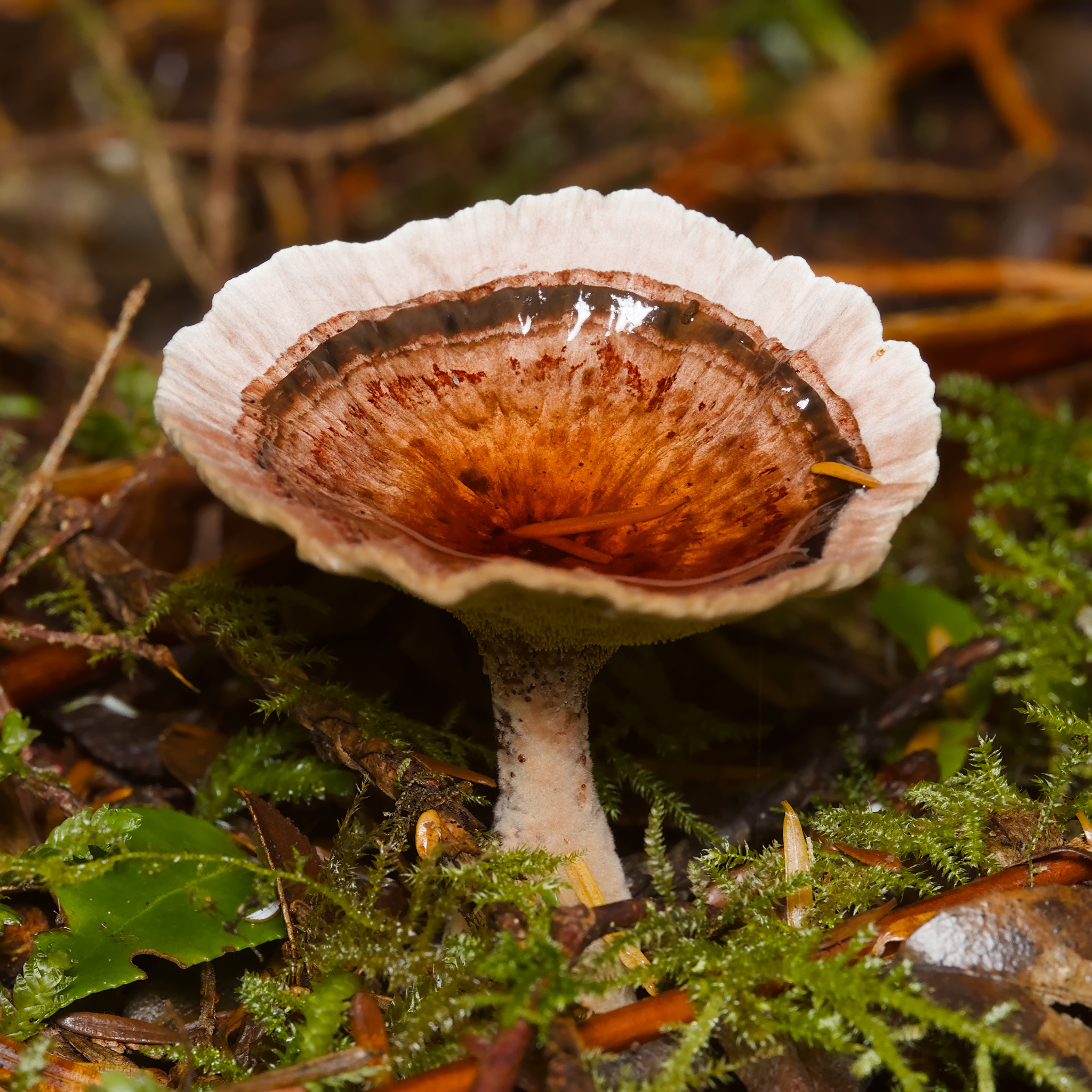
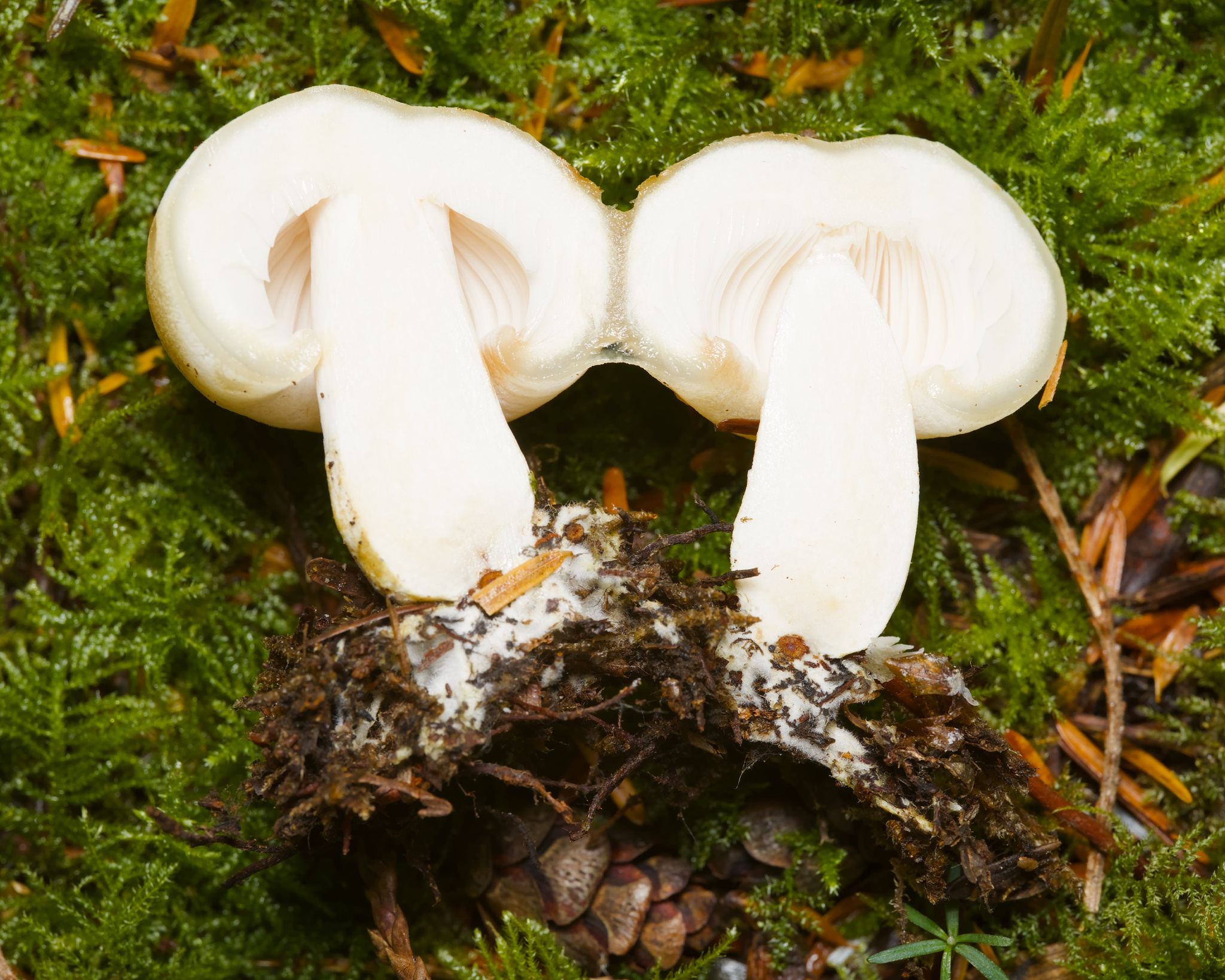
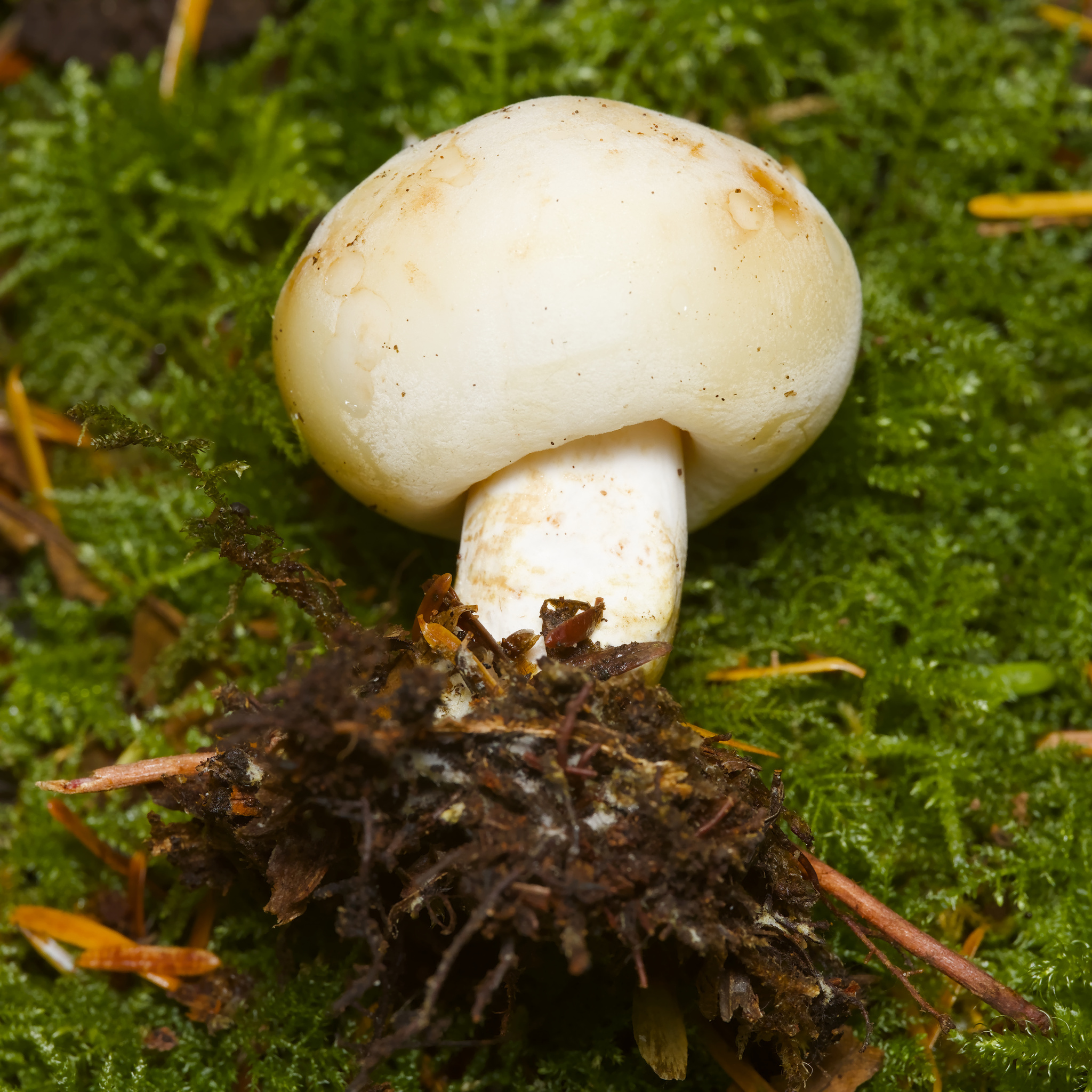
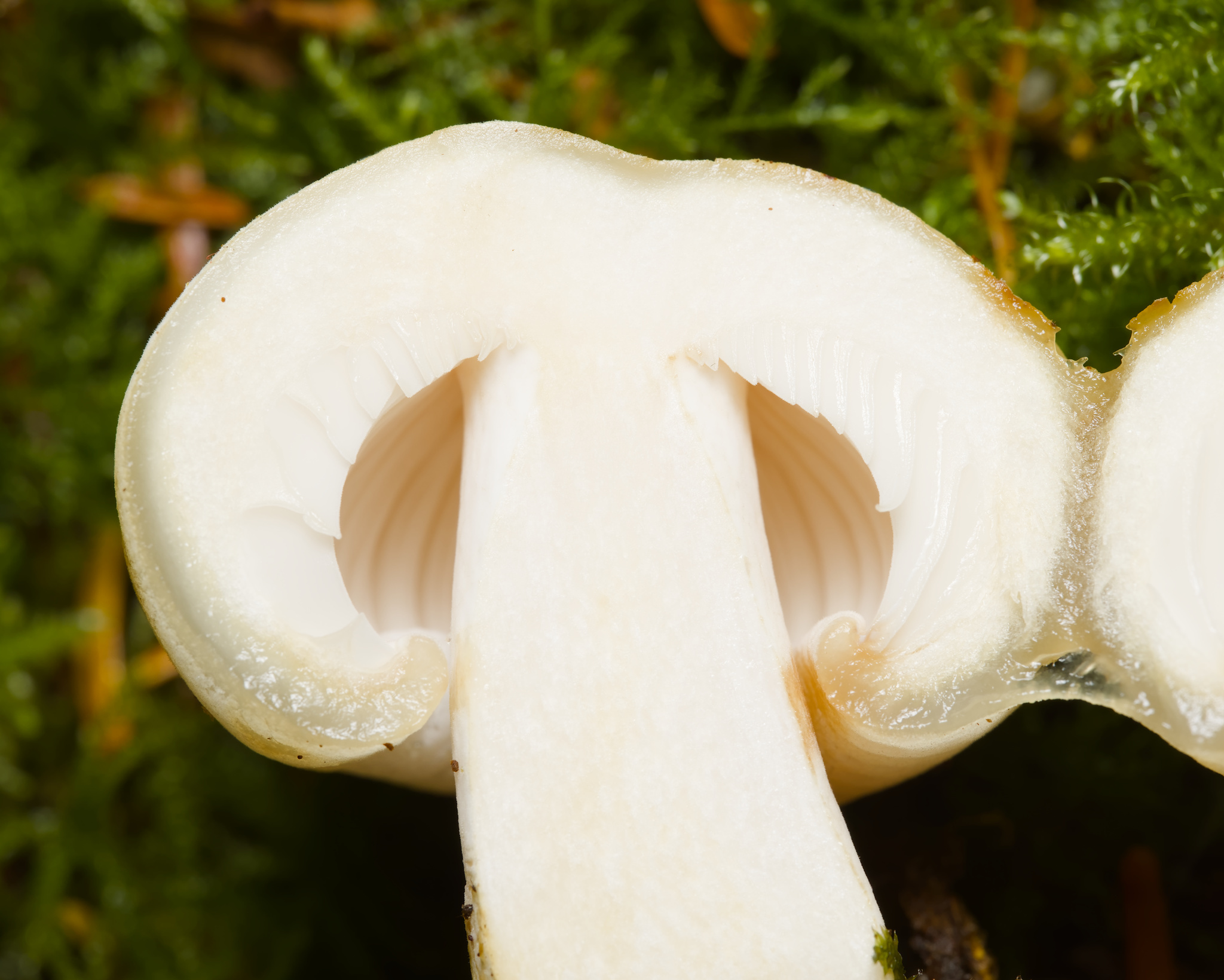
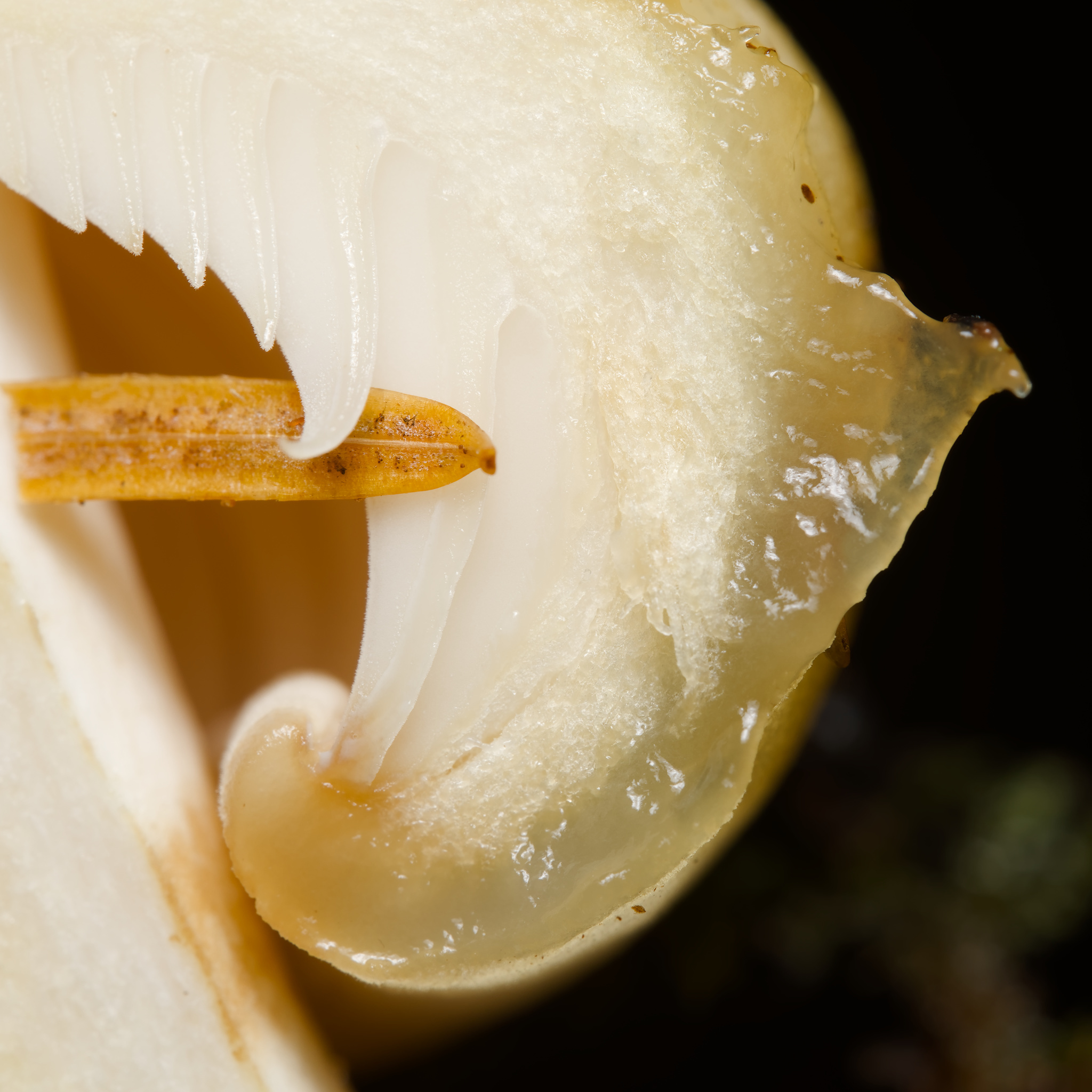
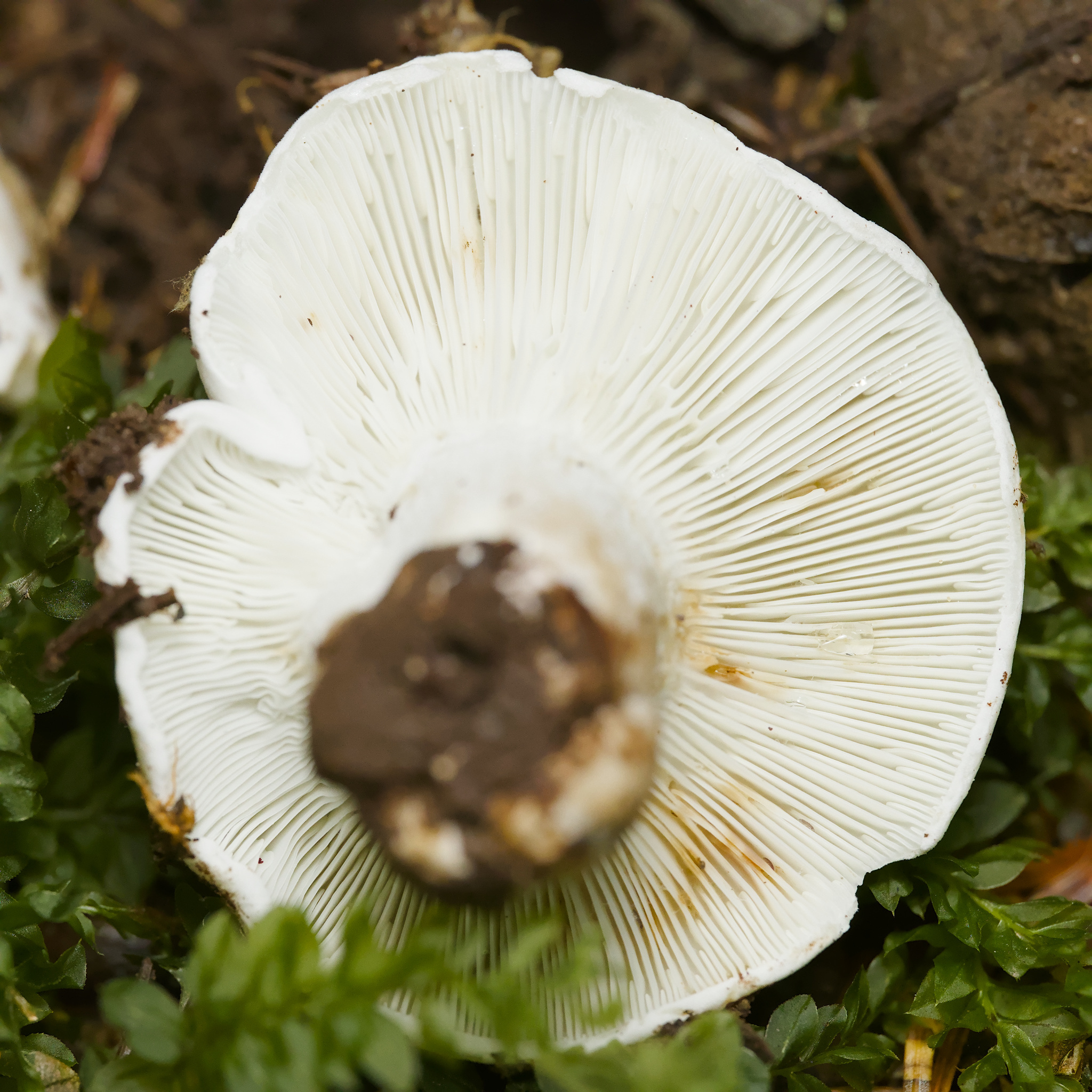
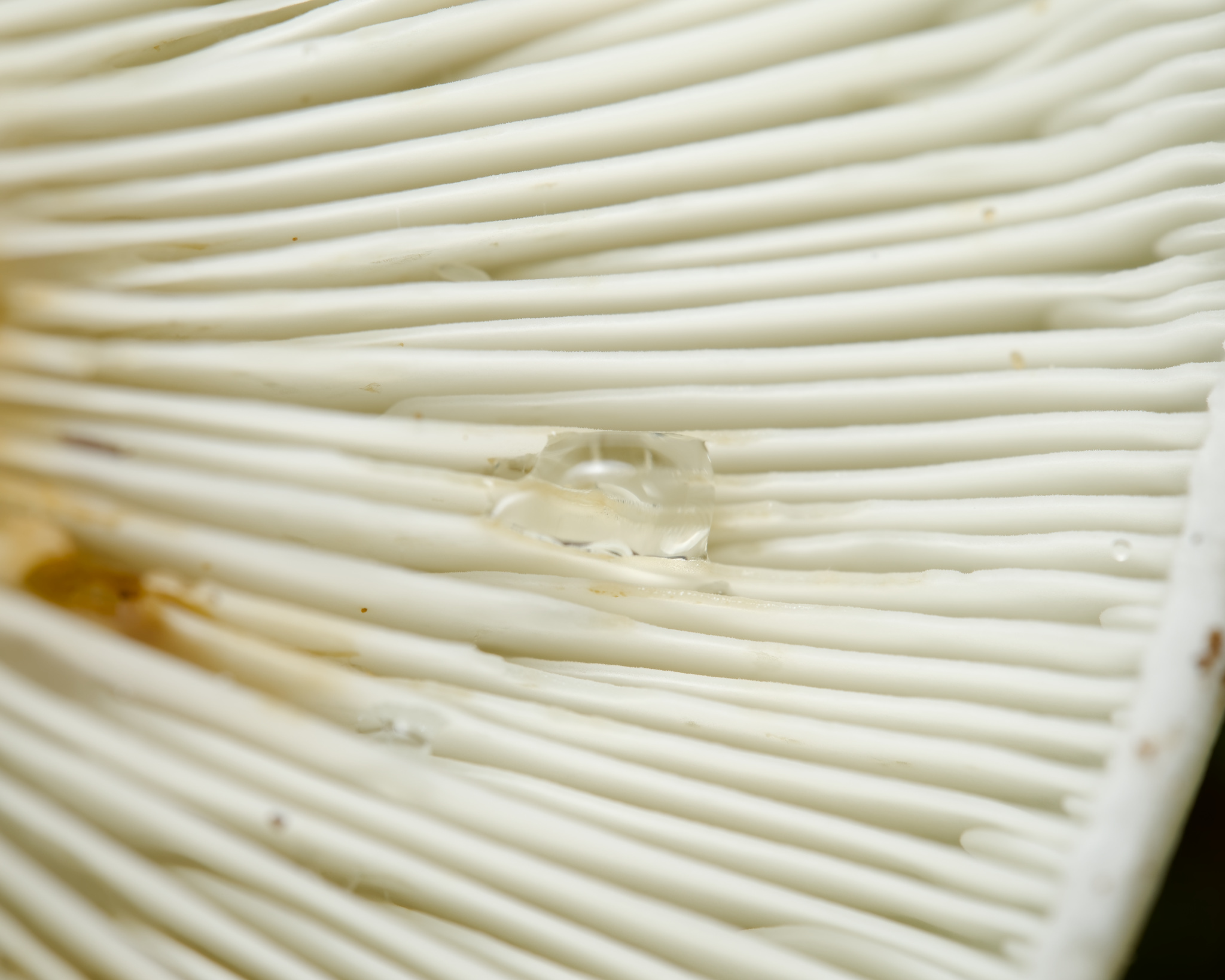
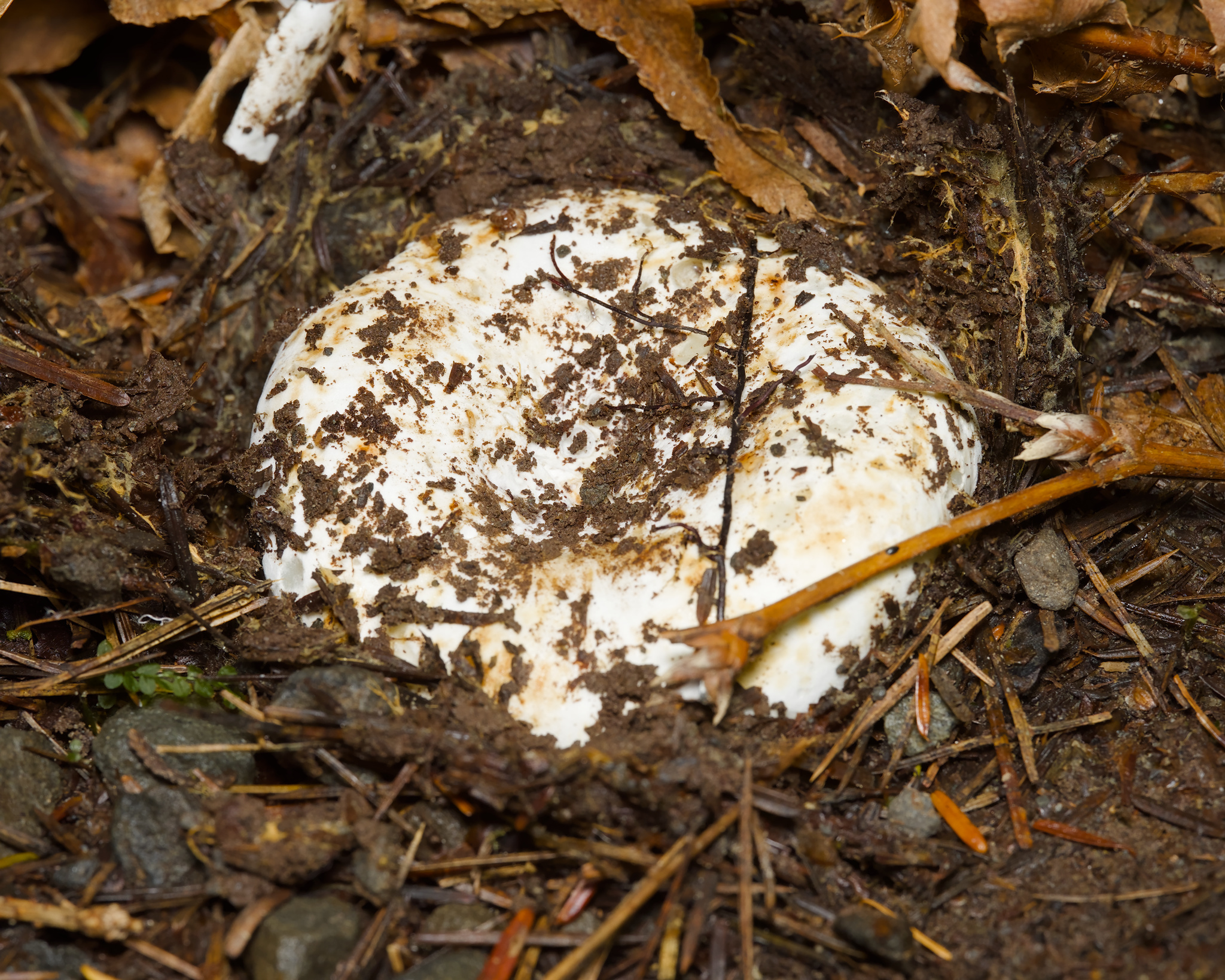
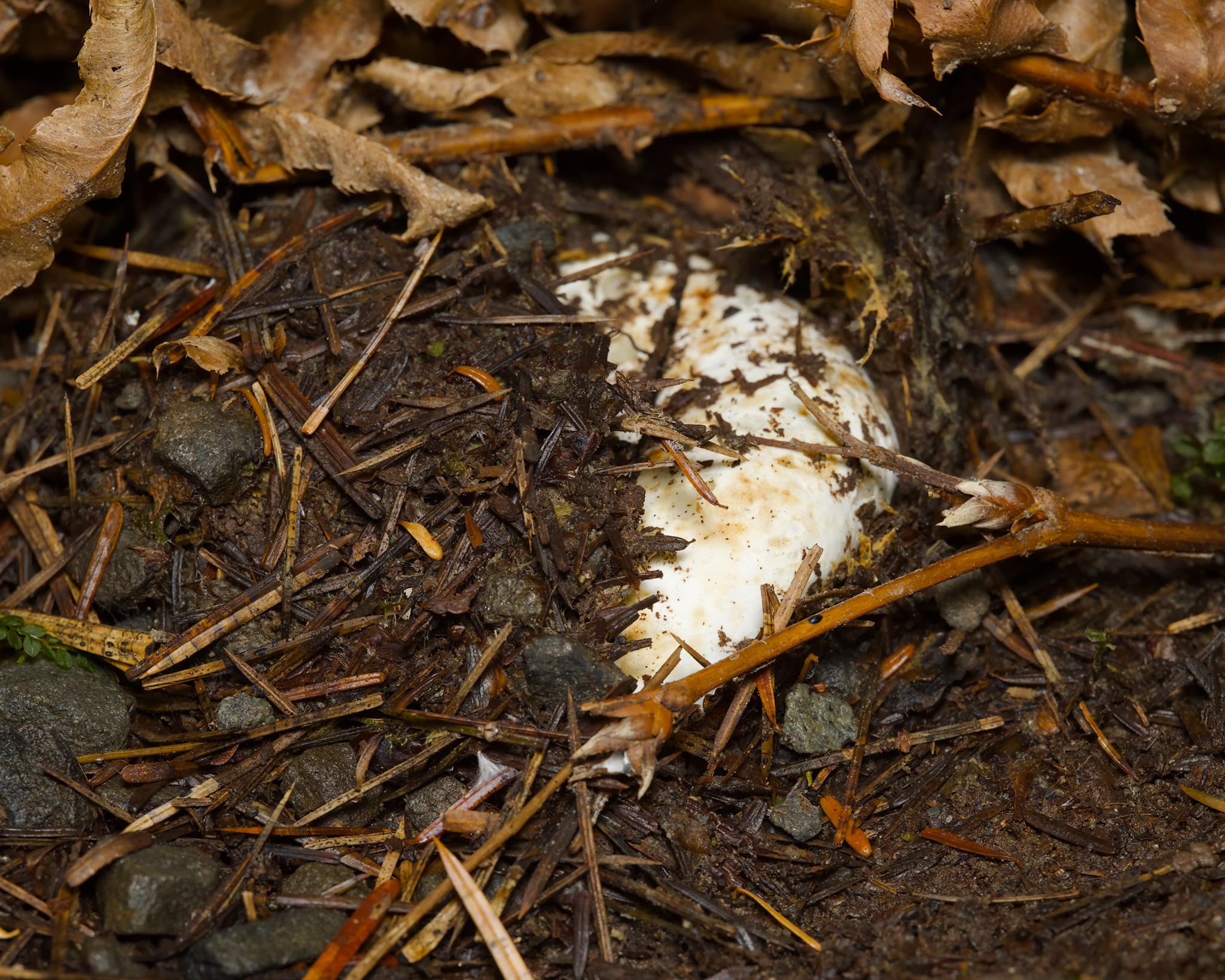
I think we are going to have to settle Russula here. There are a couple members from certain sections that are said to have this gelatinous pellicle. I also remember these being acrid.
This particular specimen had an incredibly thick gelatinous pellicle, it was a tacky clear and viscid, but also almost rubber like substance. I'm sure there might be some people already doing research there but I think not only will Brodie and I seek some collections for sequencing here, we will also seek to explain something about this thick gelatinous pellicle. I think we will perform some additional analysis, due to how extremely noteworthy it was for us. Brodie and I spent the entire trip remarking at how incredibly interesting this biological material was, and what it's use may be for the fruiting body, etc. Again this may not be a complete unknown but considering we will have access to multiple permitted and protected collections, why not take a look at this fascinating detail!
An extremely common species here, with a few parasites to boot. We simply collected this lovely looking group for survey, this family (or perhaps suborder, Marasmiineae) is of particular interest to me so best to have common members at the ready for our study and analysis. We will eventually try for other species in the genus if possible, or other codes, and then some of our beautiful Marasmius, etc.
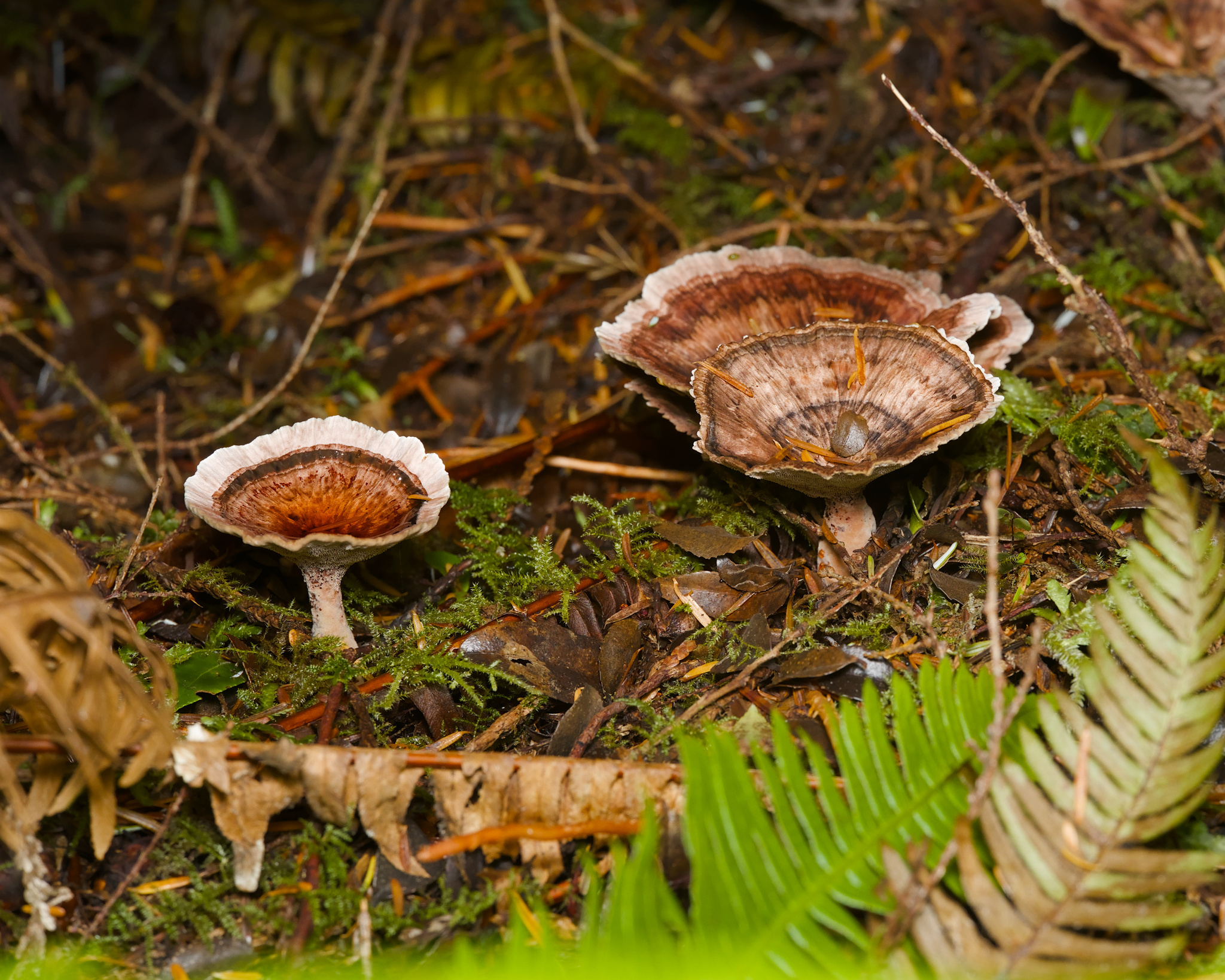
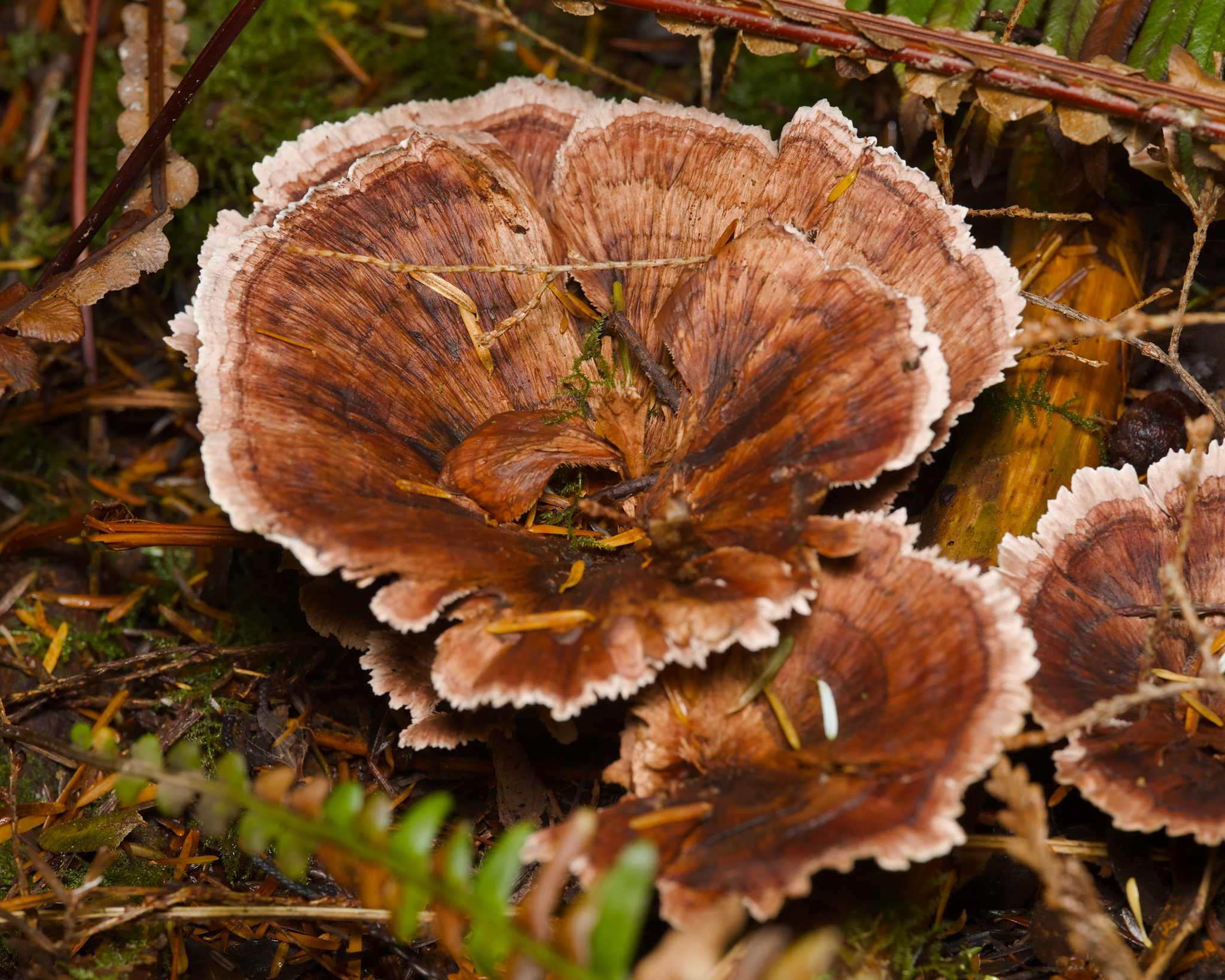
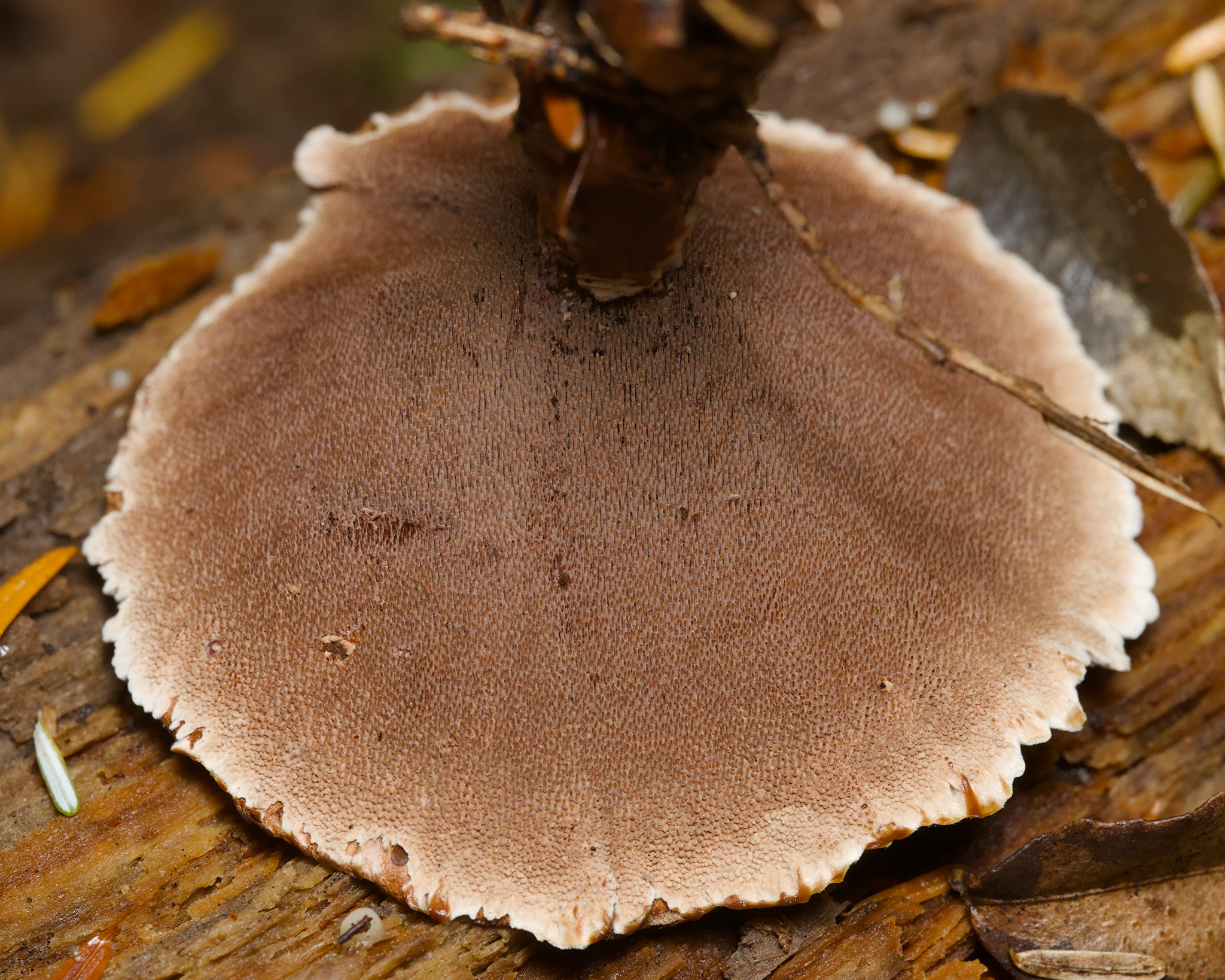
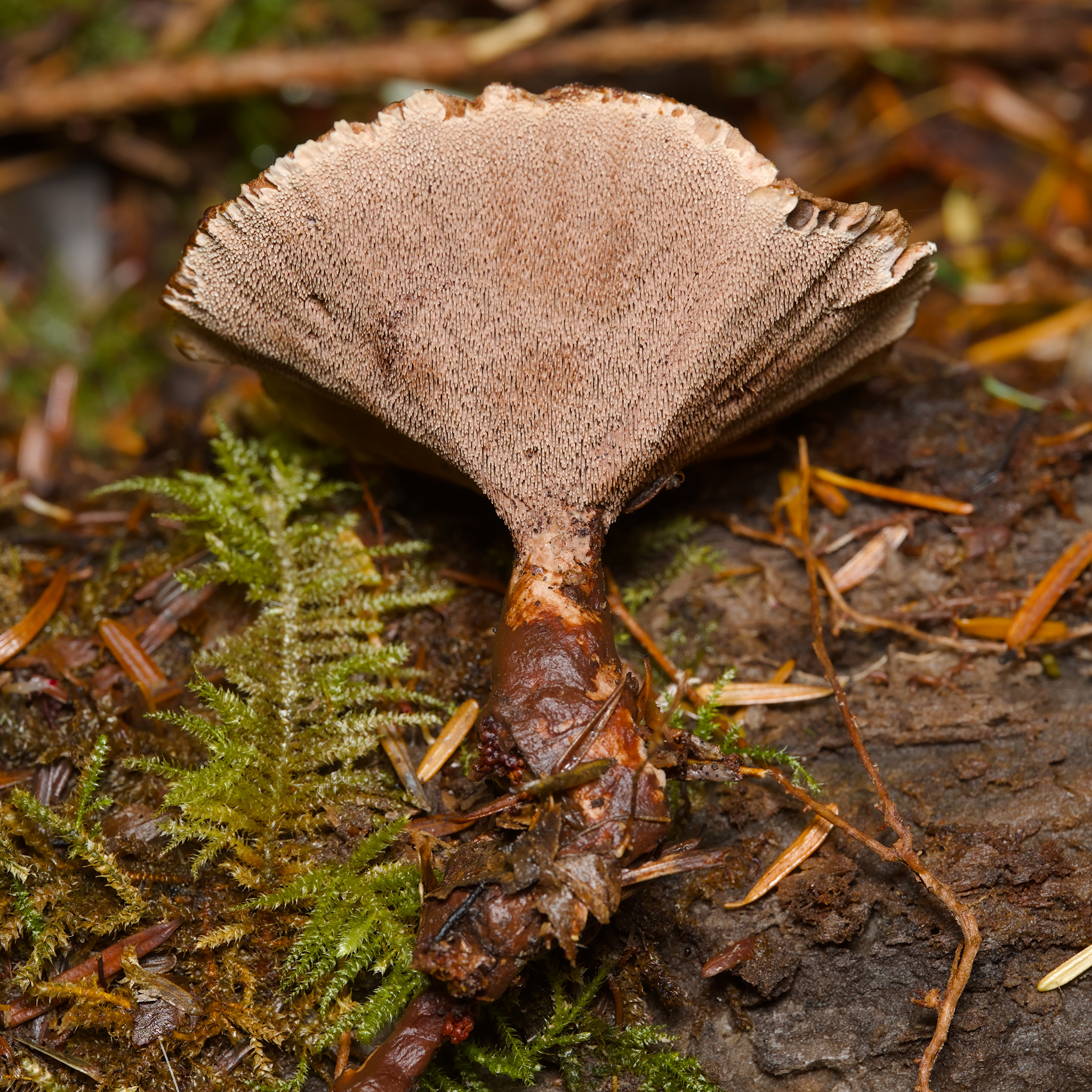
We had initially labeled this as Bankeraceae but I believe current taxonomy, as well as morphology here, would place this within Boletopsidaceae with Hydnellum and friends.
A bit tricholomatoid but I think we have settled on Russulaceae here. Stipe texture is hard to perceive with all the bug damage.
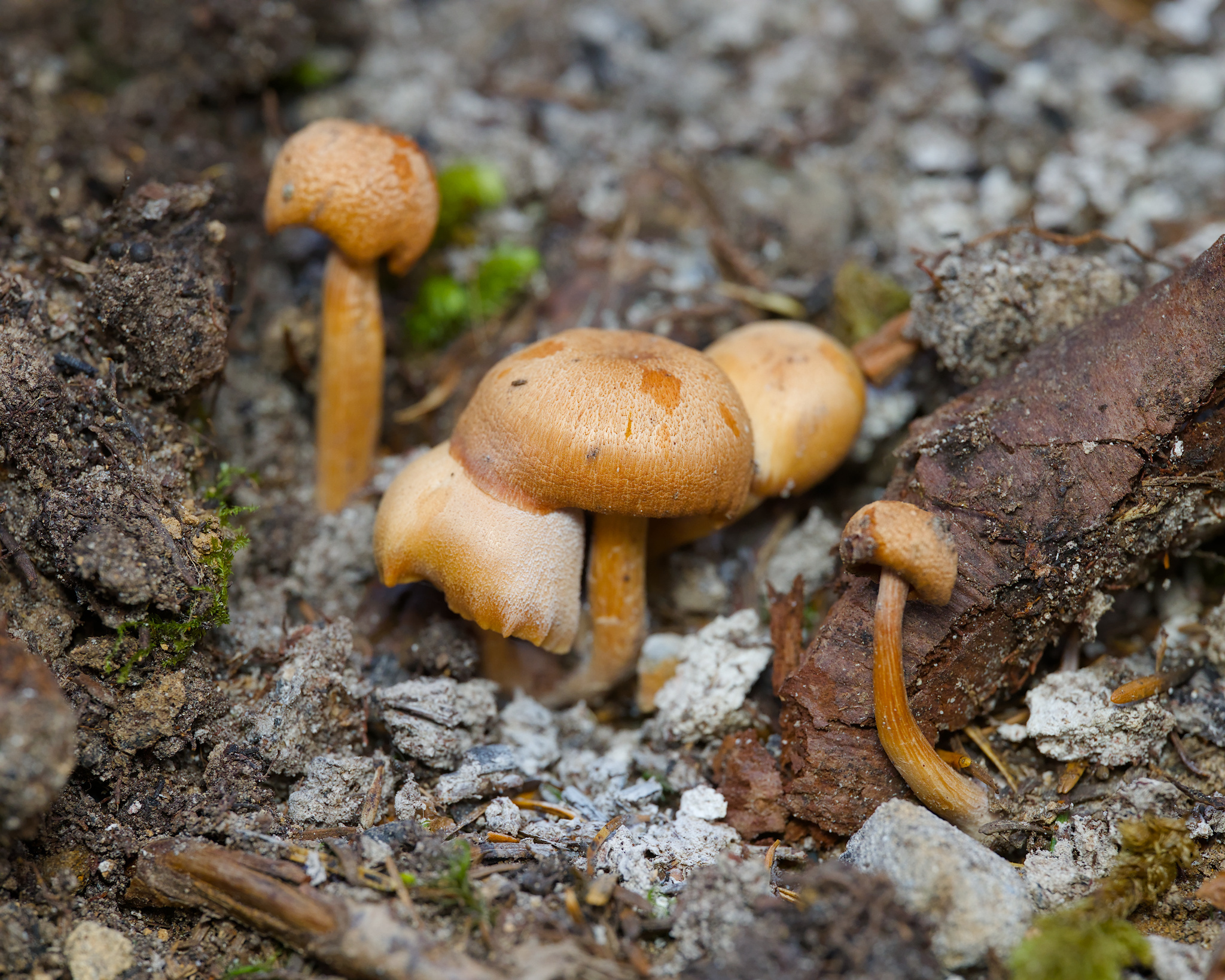
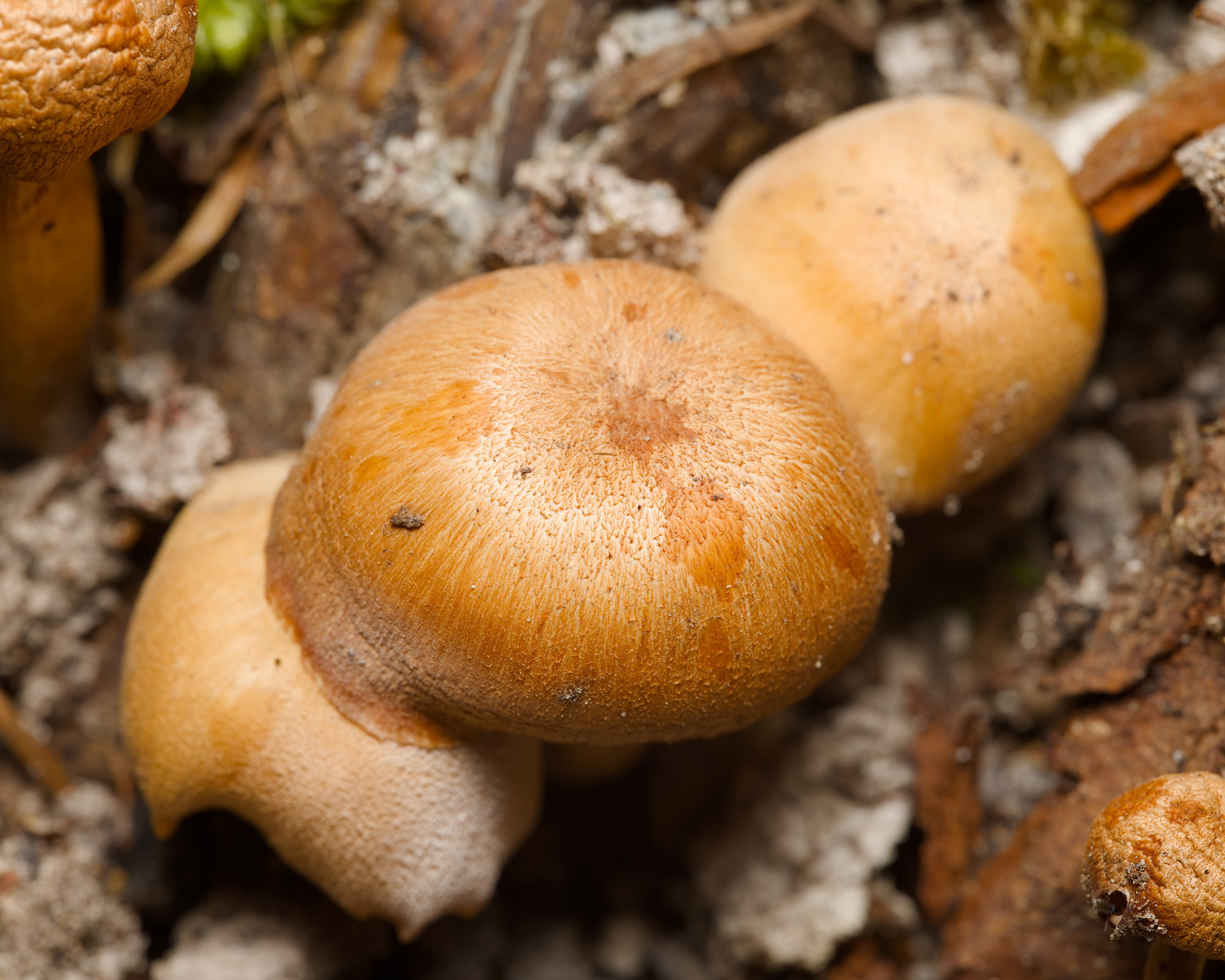
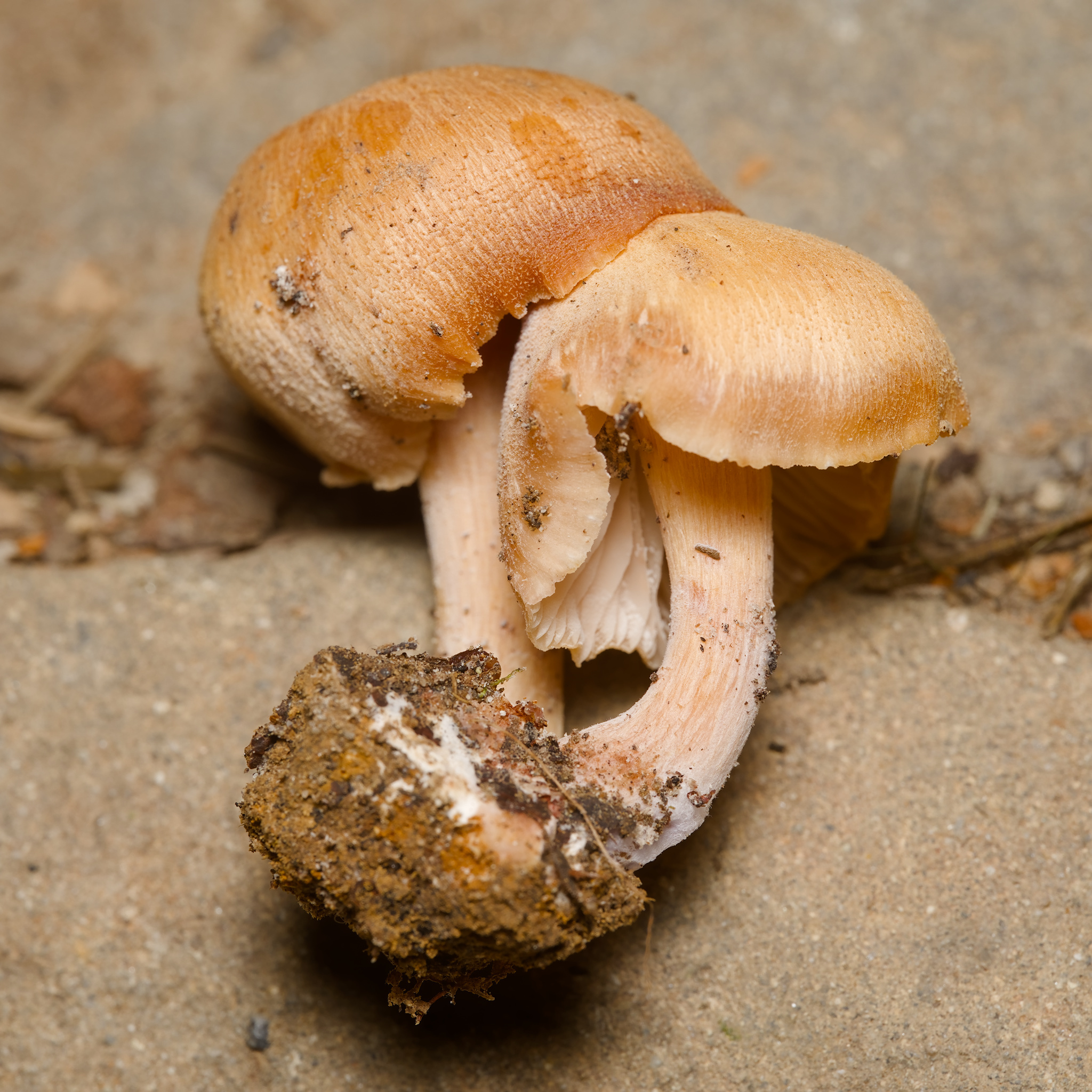
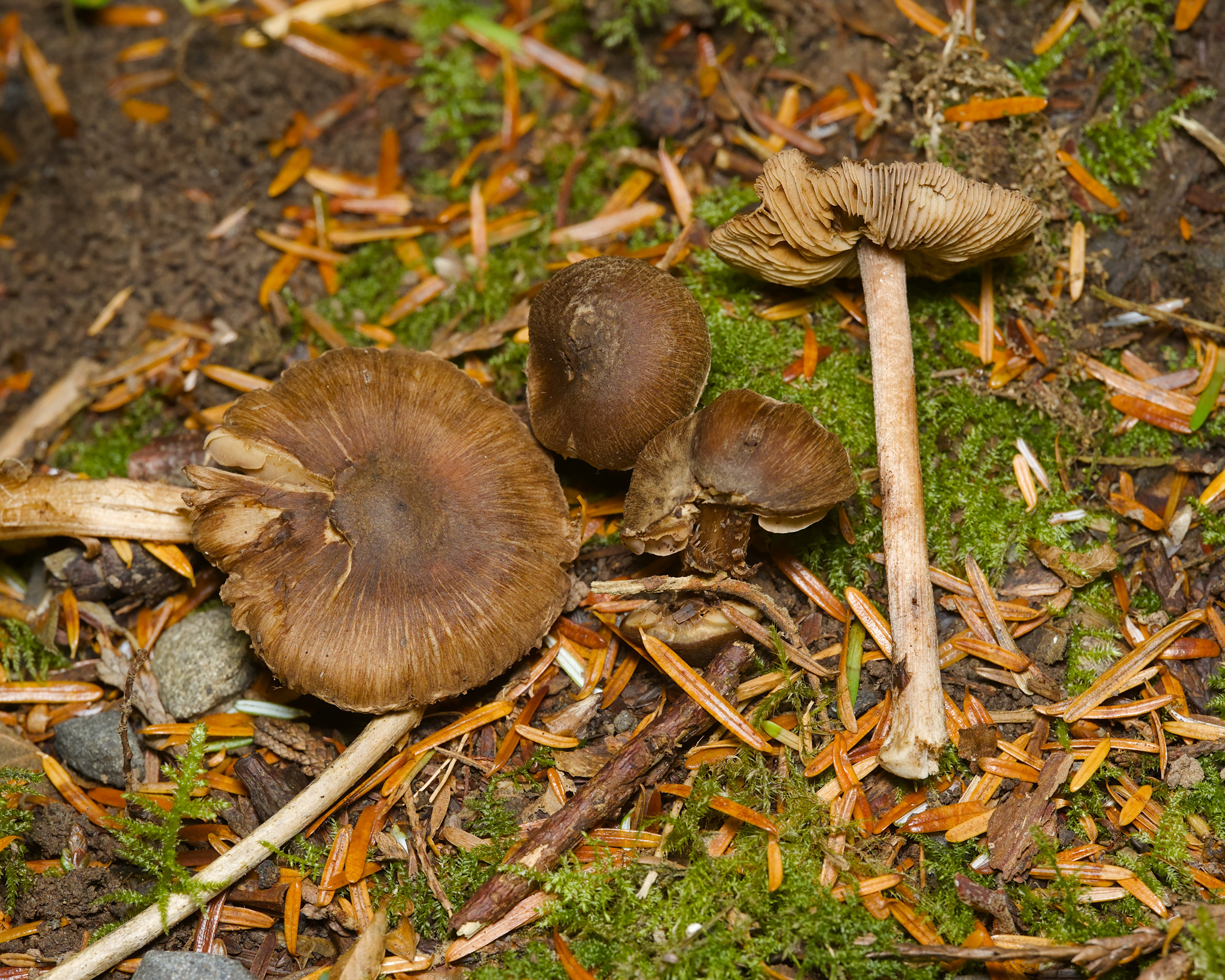
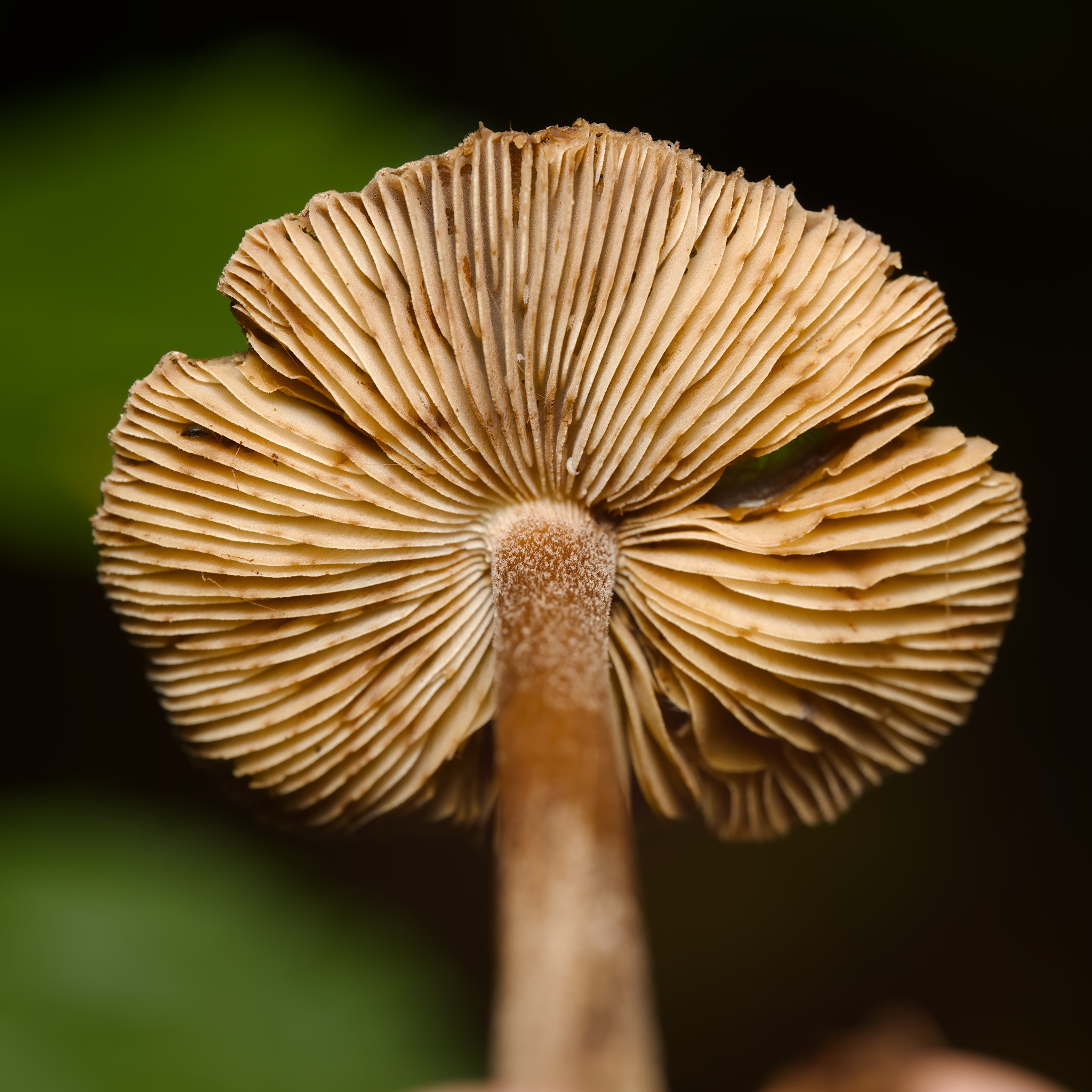
One of many similar brownish Inocybe. I think this may be one of our common brown ones with this cap texture and nodulose spores but I'll avoid throwing out a more specific taxon for now!
×
‹
![Expanded report image]() ›